
Reading the Signs of Reef Change
How do we know when a reef is changing?
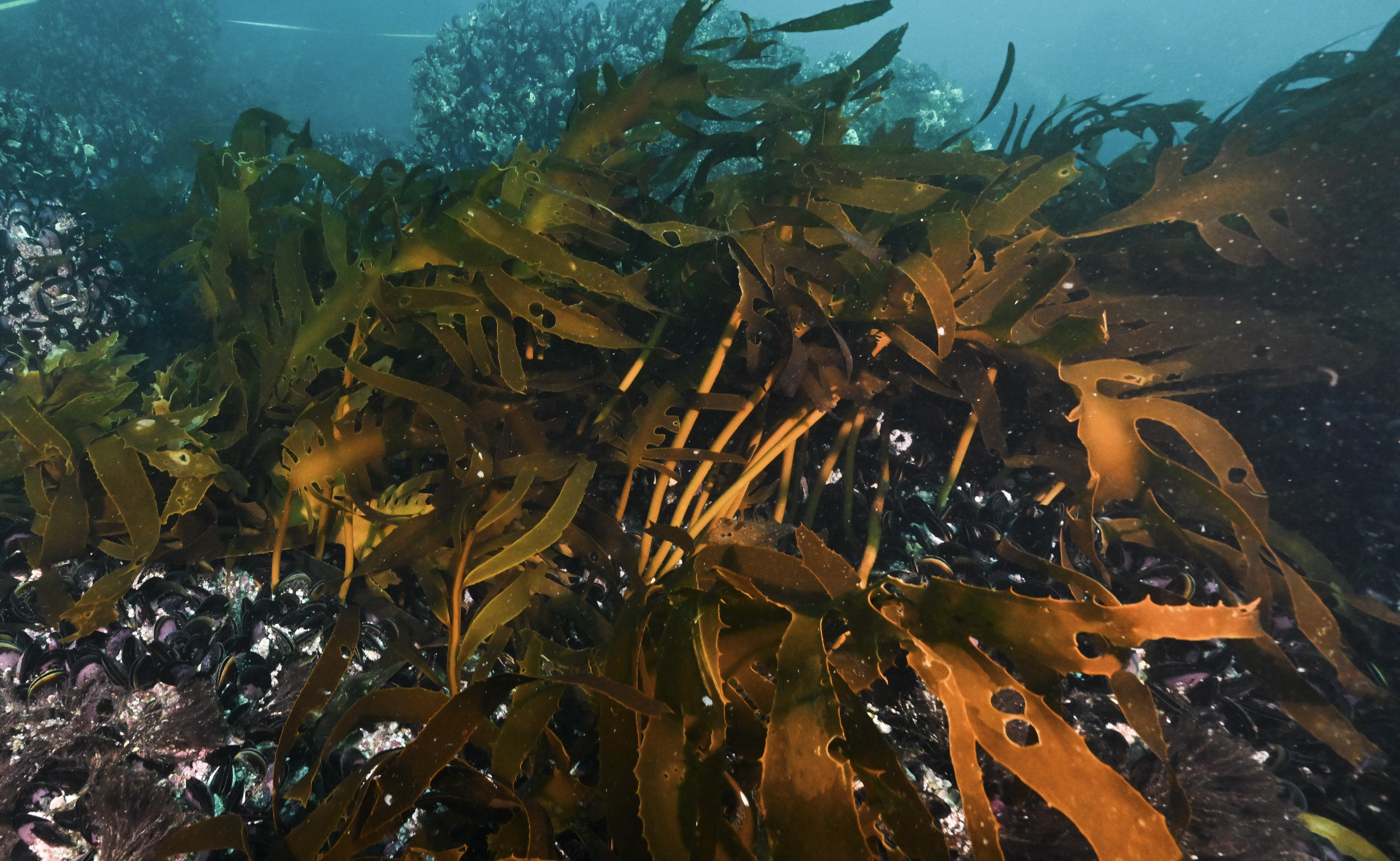
When we think about monitoring reefs, we often picture divers counting fish or measuring kelp forests. But a healthy reef is far more than what we can see. It includes countless microscopic organisms, algae and invertebrates that are often overlooked by traditional monitoring.
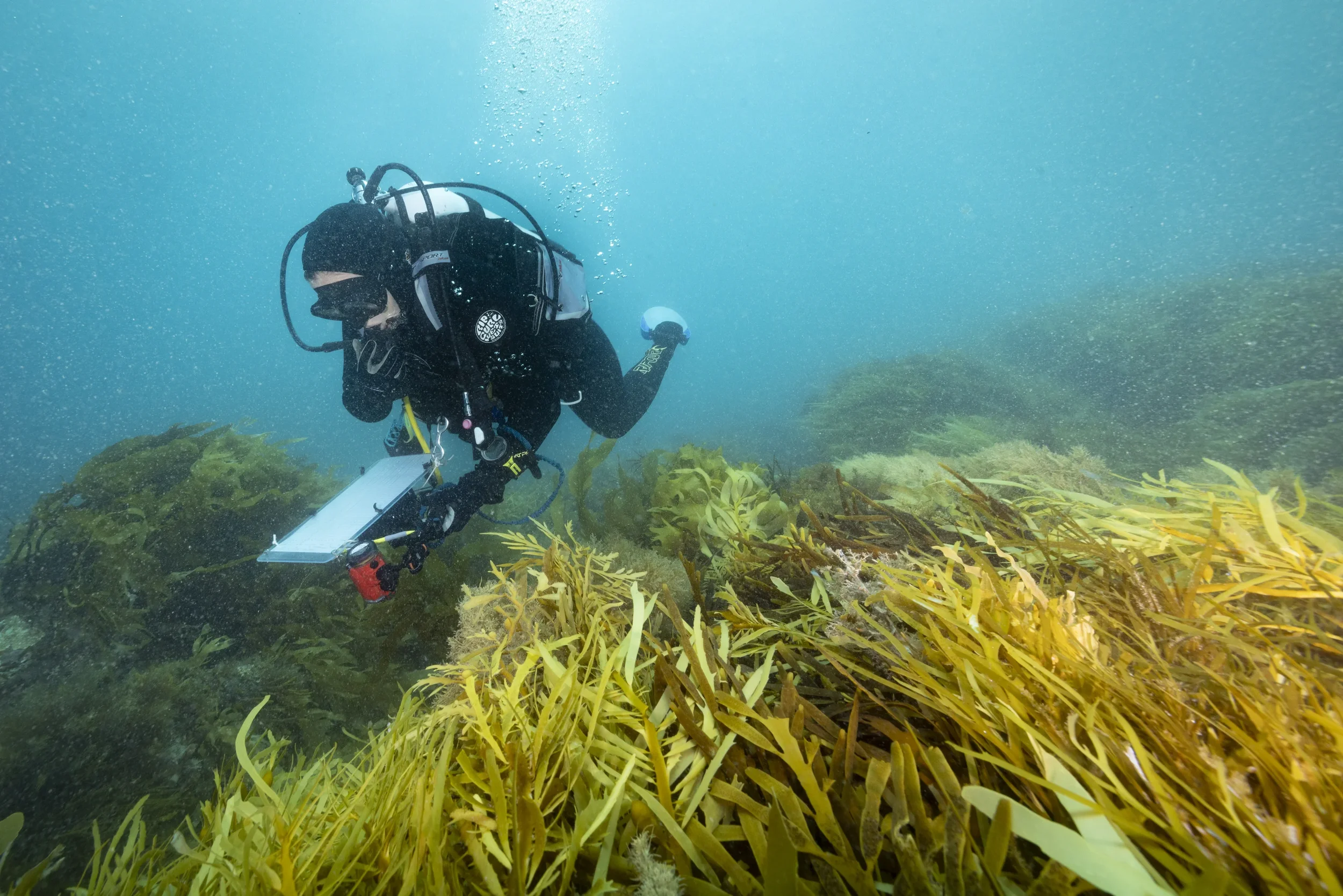
A new study led by Dr Lara Denis-Roy from the University of Tasmania shows that no single monitoring method captures this full picture.
“Environmental DNA doesn't replace traditional reef surveys, it complements them. Every method reveals a different part of the story, and it's by bringing those methods together that we gain the most complete understanding of reef ecosystems."
- Lara Denis-Roy, lead author.

Looking Beyond What Divers Can See
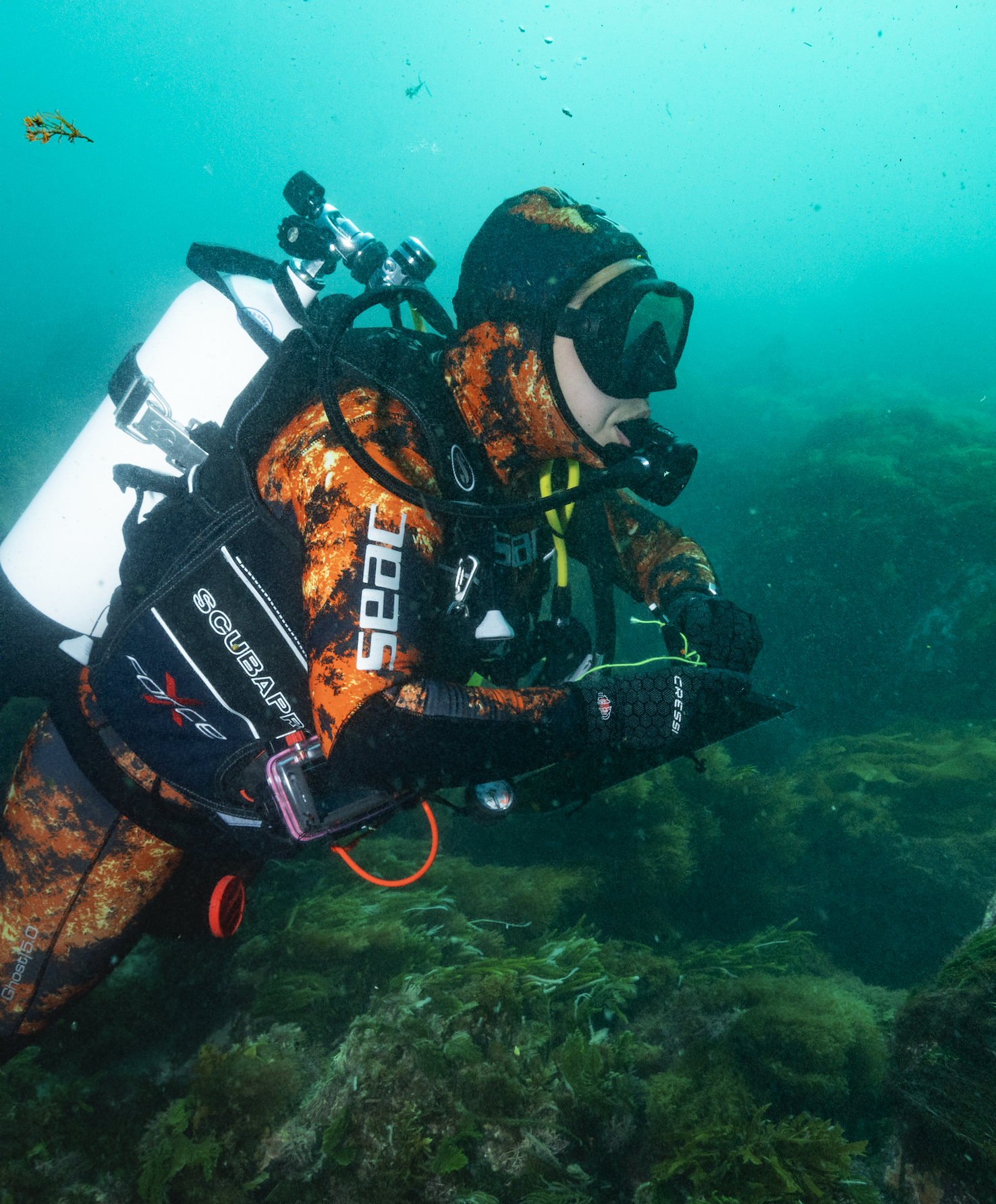
The researchers compared traditional underwater visual surveys and macroalgal epifauna sampling with environmental DNA (eDNA), tiny fragments of genetic material collected by swabbing different reef surfaces, including bare rock, coralline algae and brown algae.
Each of these reef microhabitats: bare rock, coralline algae and brown algae, supports distinct biological communities. All three approaches detected patterns associated with environmental and pollution gradients, but each revealed complementary components of the reef ecosystem.
While diver surveys documented visible organisms, eDNA identified shifts across microbial communities and other small, substrate-associated organisms that are difficult or impossible to survey visually, complementing traditional monitoring by detecting different components of reef assemblages.
No Single Method Tells the Whole Story
The study found that each monitoring method detected different changes in reef communities associated with environmental and pollution gradients, meaning no single monitoring method tells the whole story.
Instead, the authors show that combining complementary approaches provides a more complete understanding of ecological change across reef ecosystems.

The Future of Reef Monitoring
As our temperate reefs face growing pressures from climate change, pollution and other human activities, understanding change across the whole ecosystem becomes increasingly important.


Studies like this show that the future of reef monitoring lies not in replacing divers with new technology, but in combining multiple tools to provide a more complete understanding of ecological change and better inform conservation and management.
The research was conducted collaboratively by the University of Tasmania’s Institute for Marine and Antarctic Studies (IMAS) and CSIRO.
Join Our Community
Sign up to our monthly newsletter to receive the latest updates from around the GSR.