After the heatwave: Taking the pulse of the Abrolhos
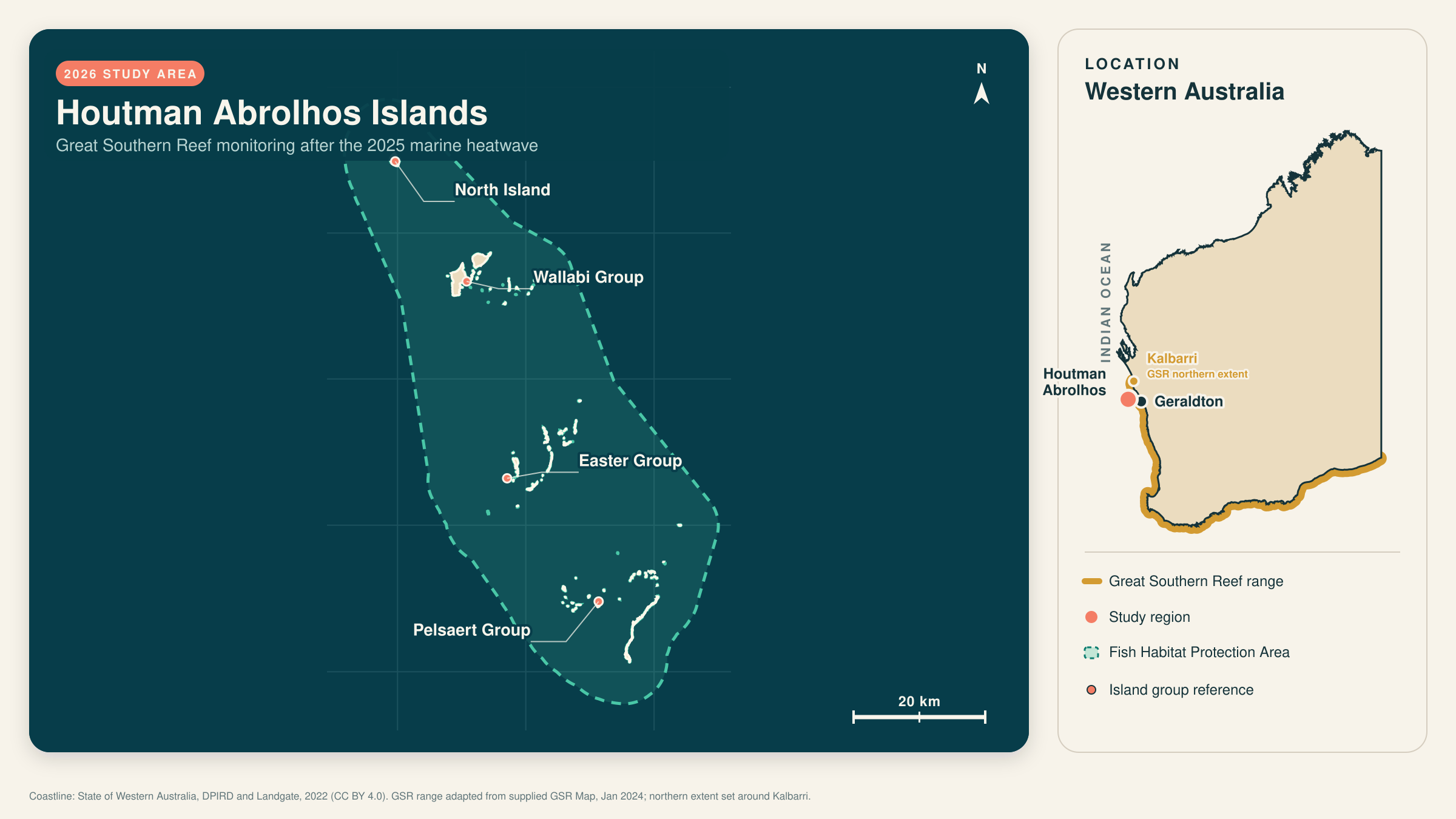
The Wernberg & Filbee-Dexter Labs have returned to the Houtman Abrolhos Islands, an archipelago of more than 200 islands located approximately 60 km west of Geraldton, Western Australia.
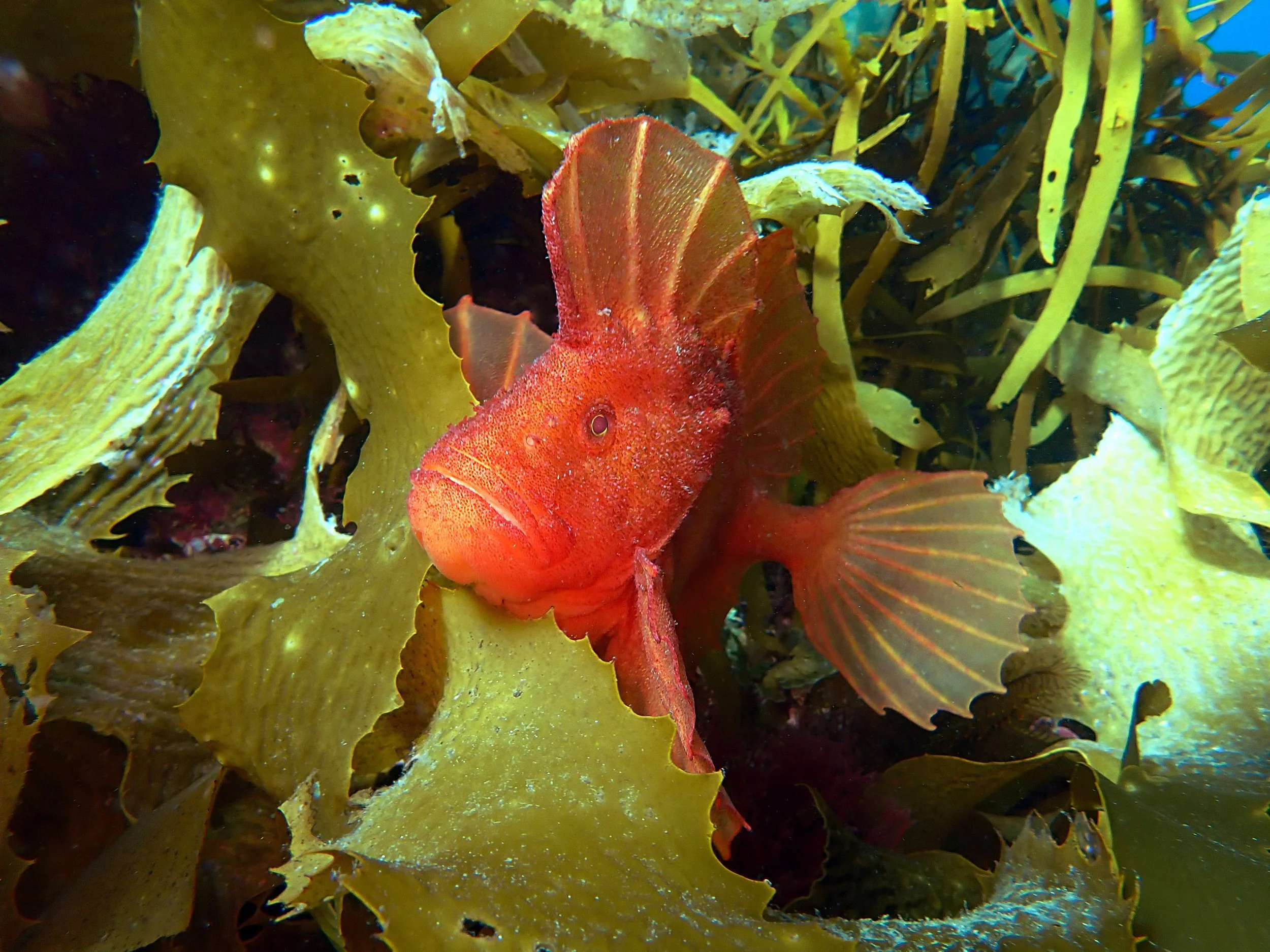
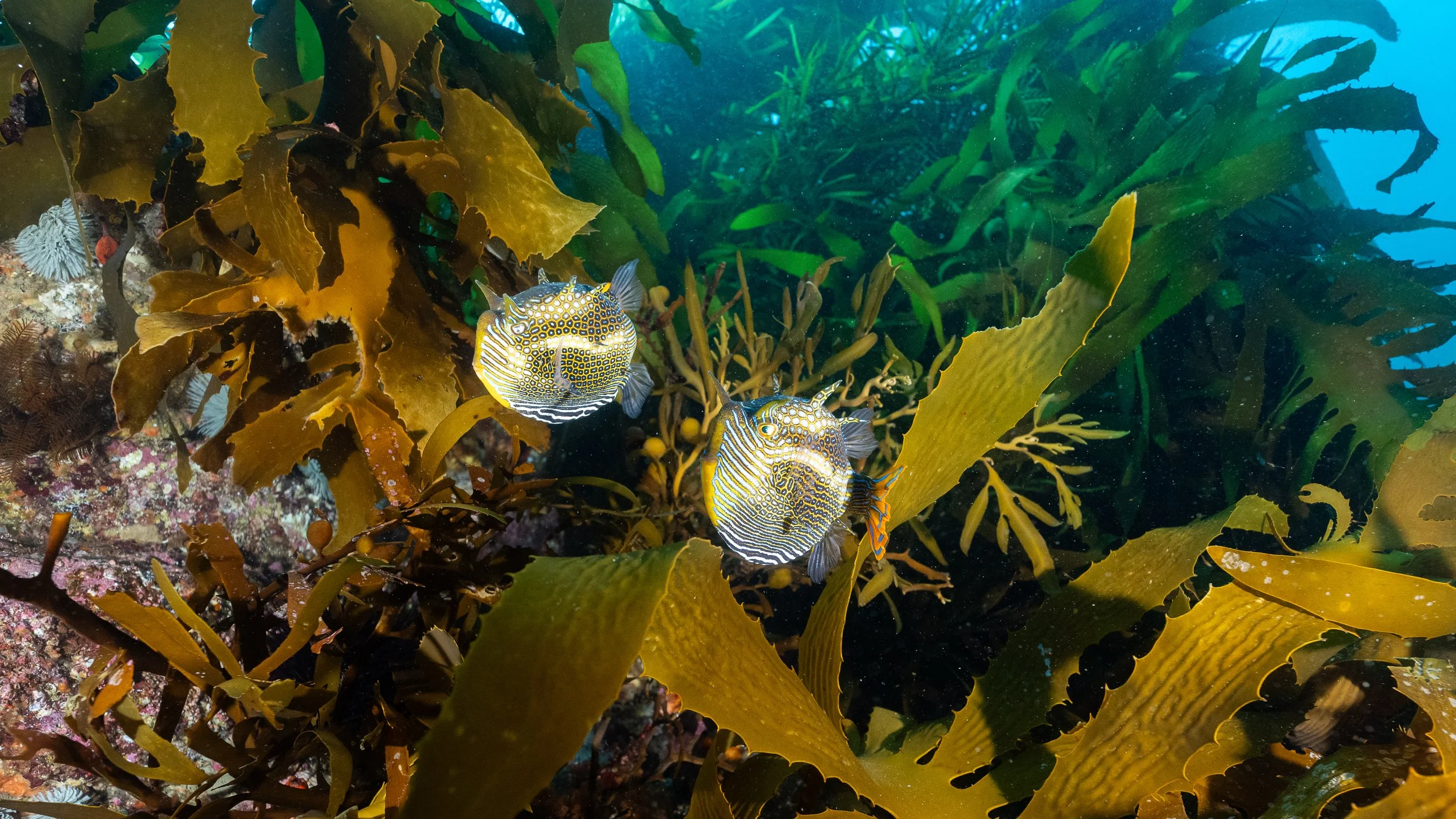
Often referred to as the Galápagos of the Indian Ocean, the Abrolhos is a globally significant biodiversity hotspot where tropical and temperate marine ecosystems overlap. Its diverse coral reefs, seagrass meadows, and seaweed-dominated reefs support exceptional marine biodiversity, making the region an important site for ecological research, fisheries, and conservation.
Rough Seas, Clear Waters
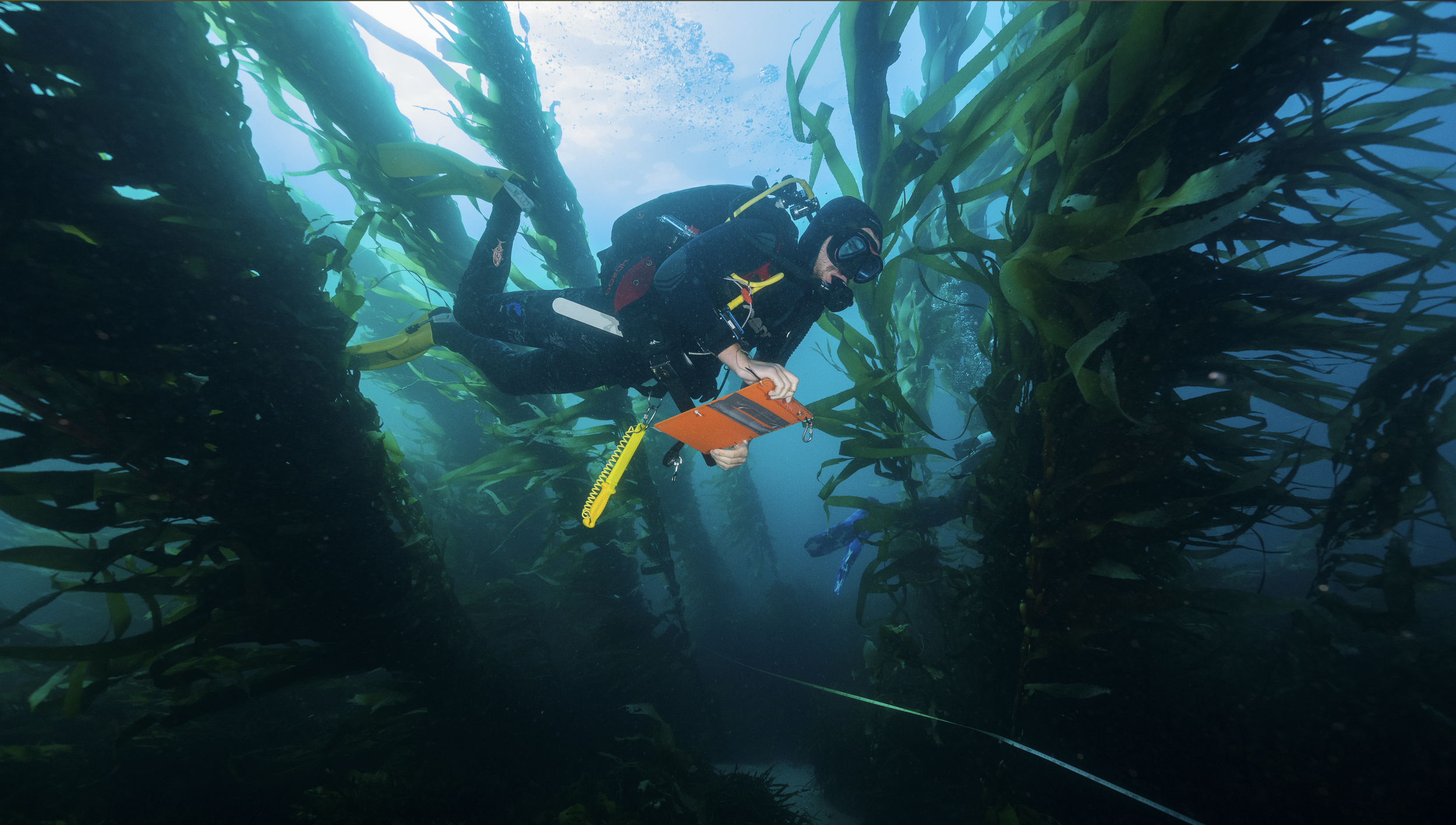
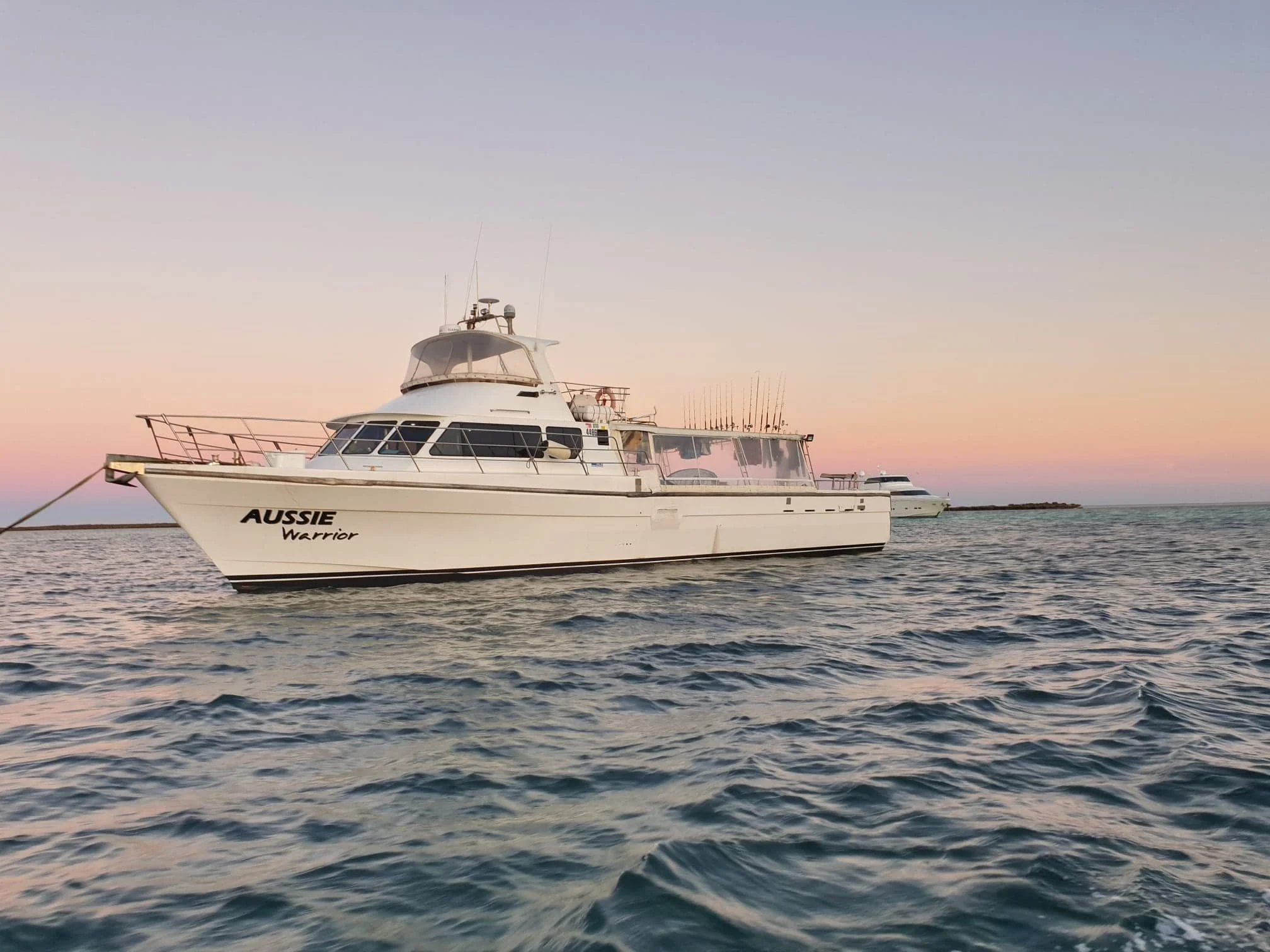
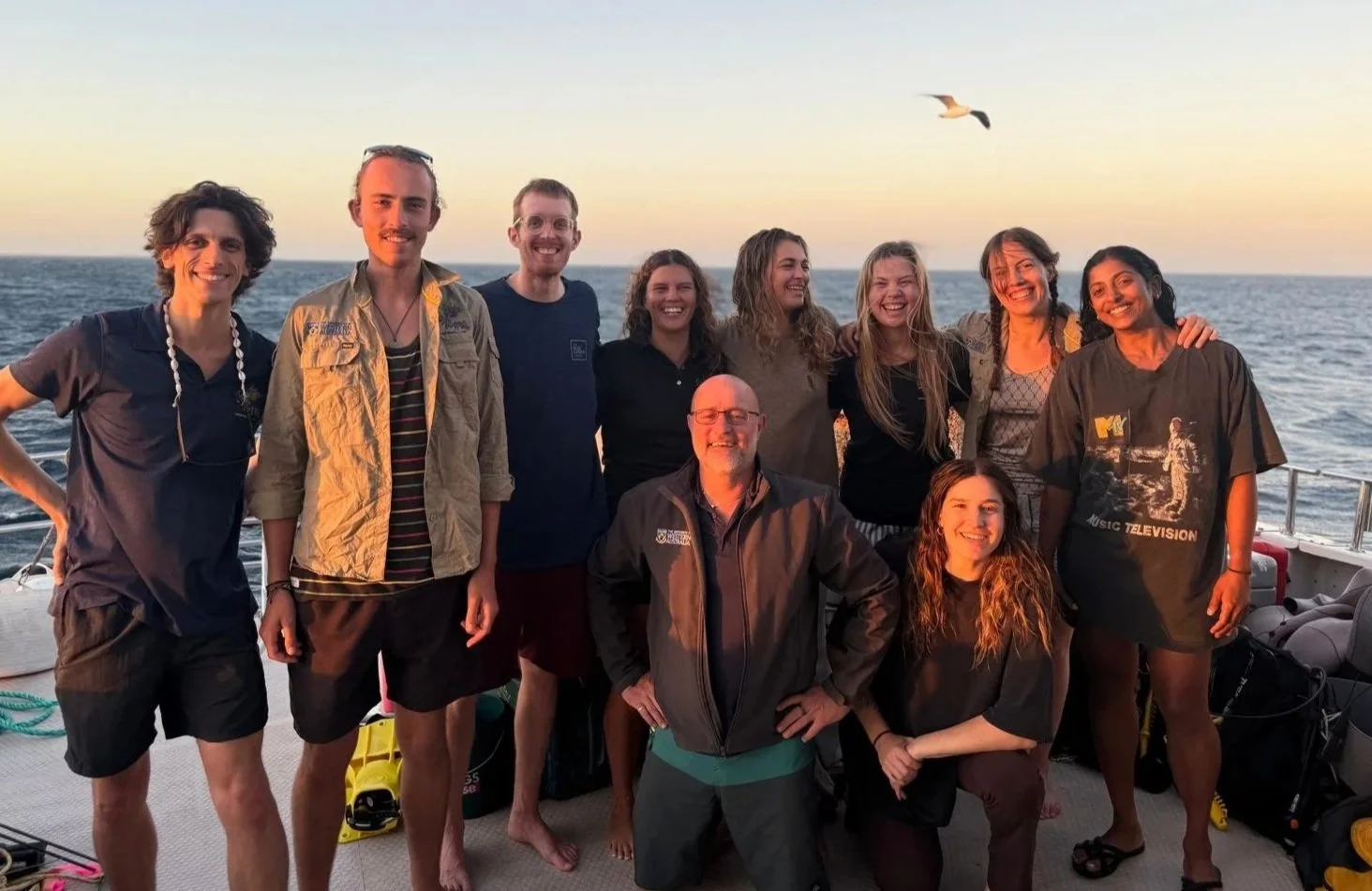
In March, the team boarded the Aussie Warrior for the five-hour journey from Geraldton to the islands. Over the following three days, they faced challenging field conditions, with strong winds and persistent swells testing both divers and equipment. Despite these conditions, the team successfully completed an intensive field campaign, taking advantage of the exceptional underwater visibility, often exceeding 20 metres, to conduct ecological surveys across multiple reef habitats.
understanding ecosystem composition
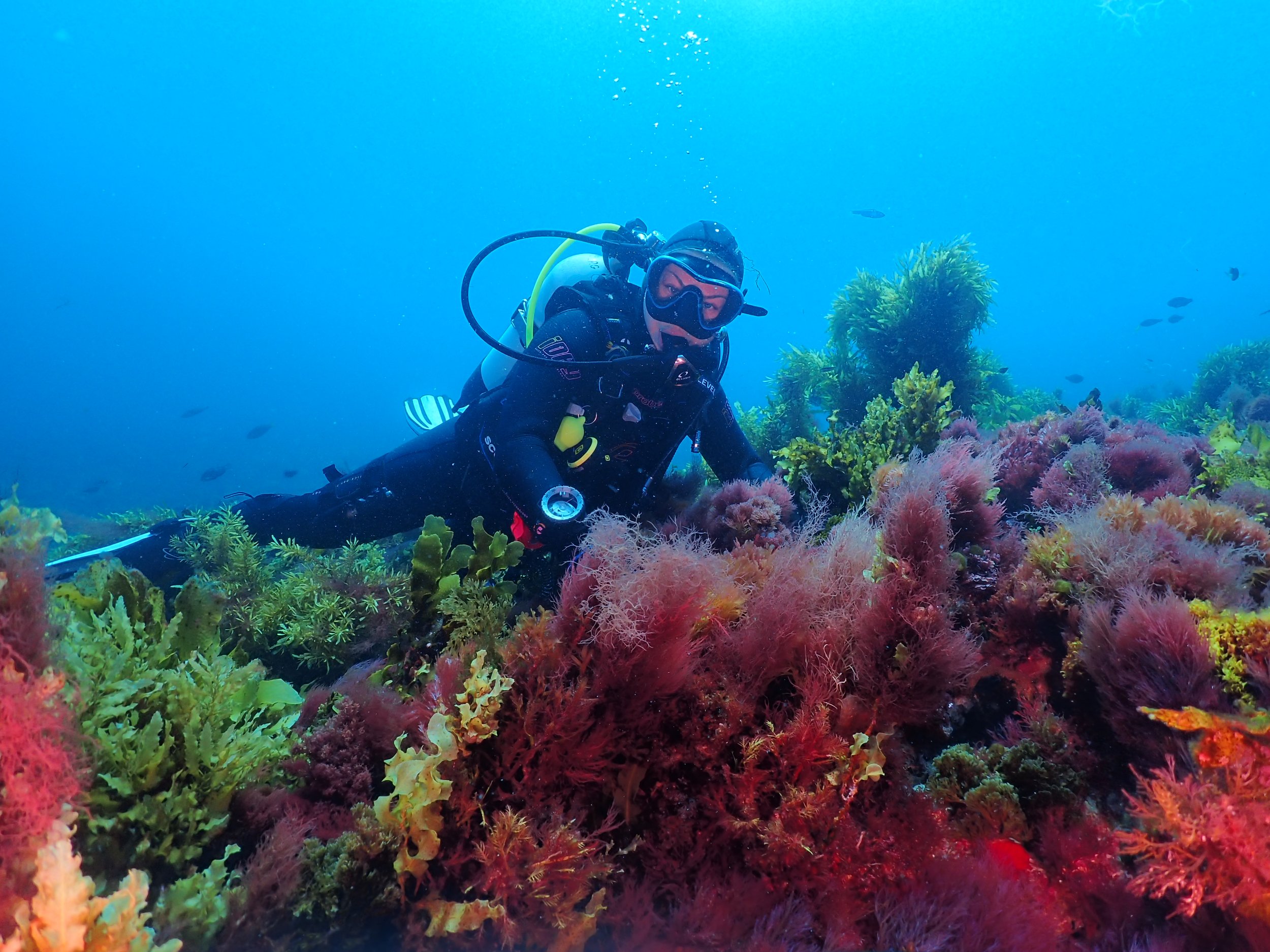
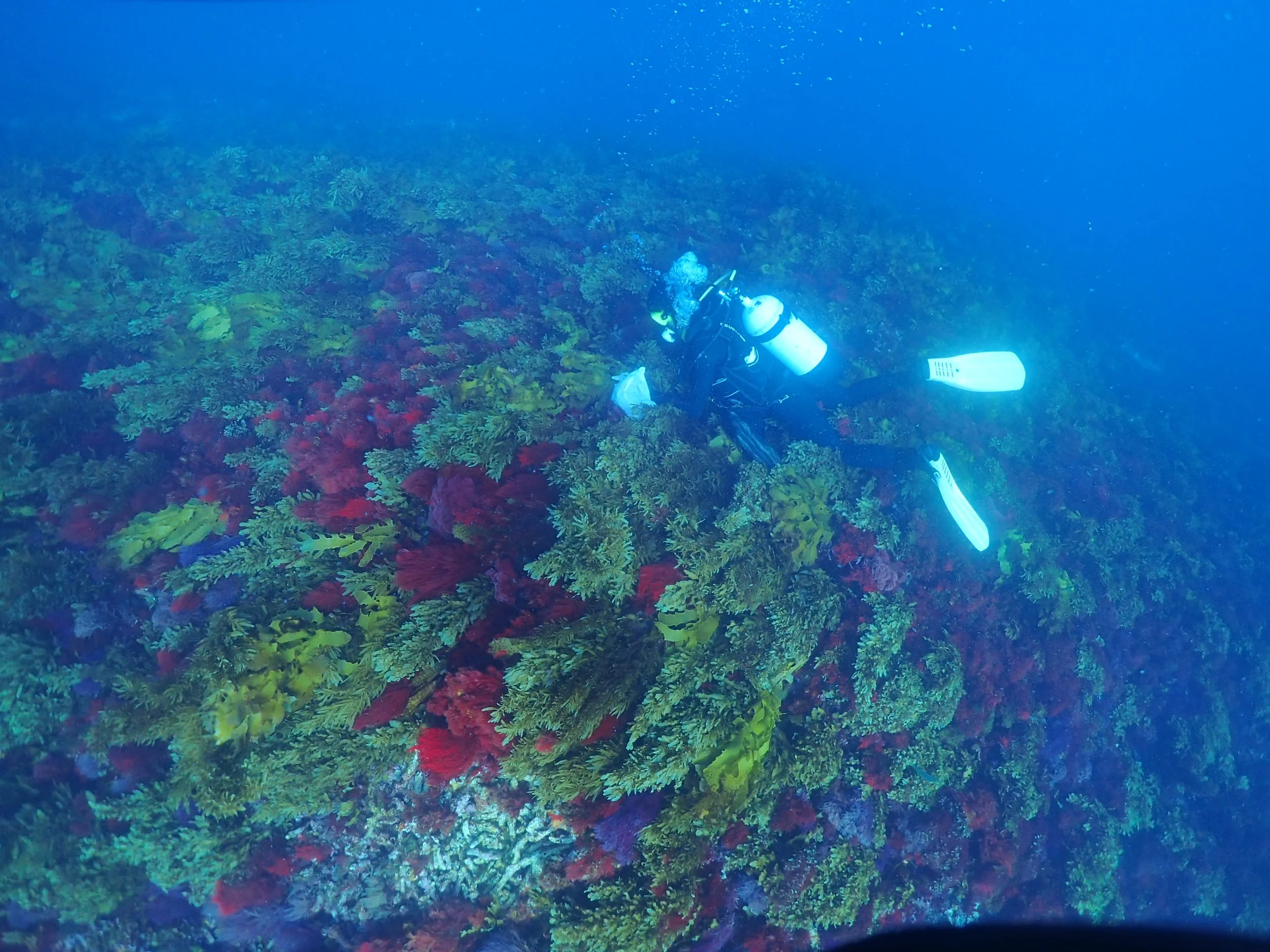
Over the course of the expedition, the team completed nearly 30 scientific dives, collecting data to characterise the benthic communities and associated marine life. Surveys included:
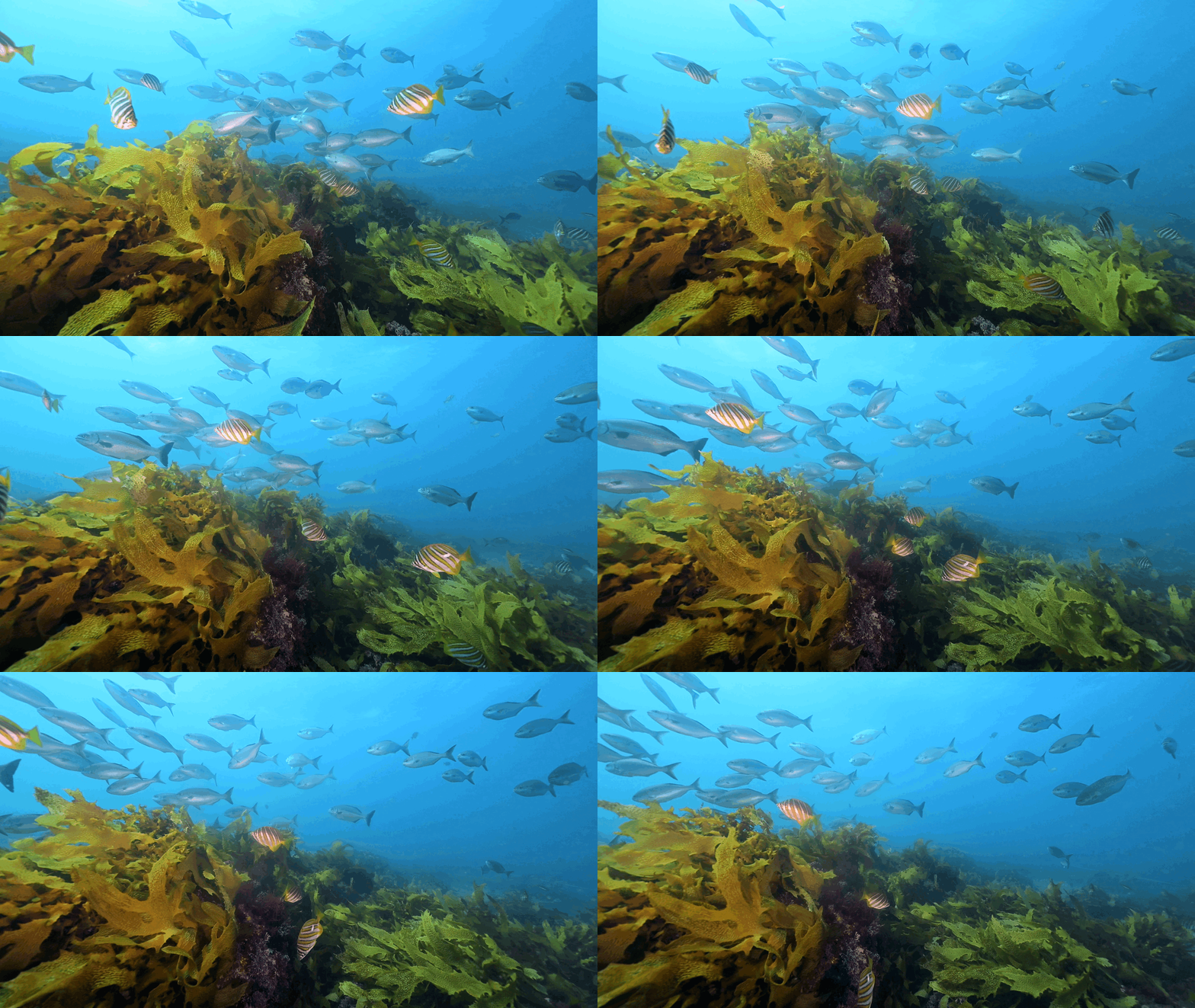
Diver Operated Video (DOV) transects to assess reef structure and fish assemblages
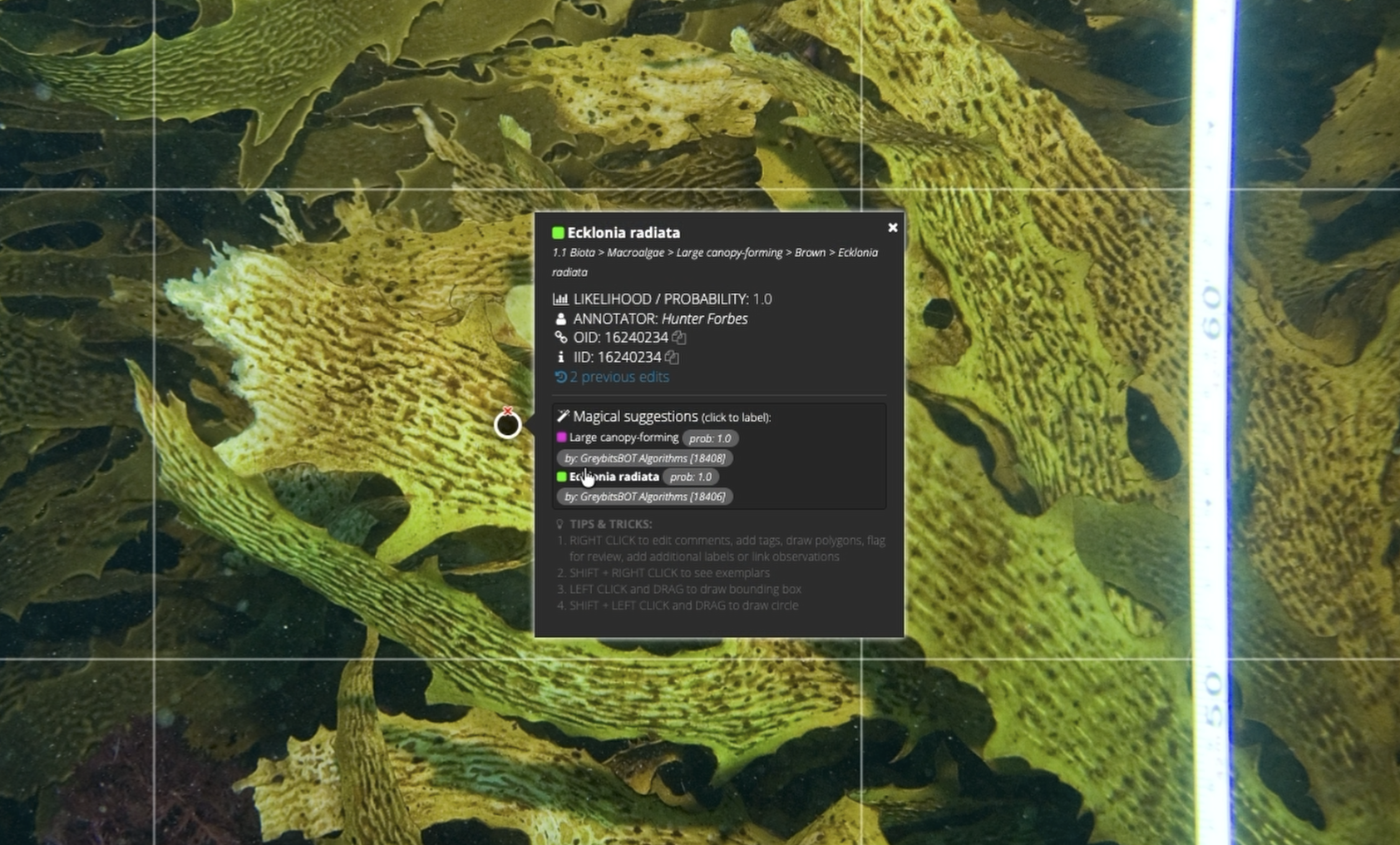
Quantitative Assessments of invertebrate communities, fish populations, hard coral cover, and seaweed diversity.
Together, these datasets contribute to a comprehensive understanding of ecosystem composition and condition across the archipelago.
Where Seagrass, Seaweed and Coral Meet
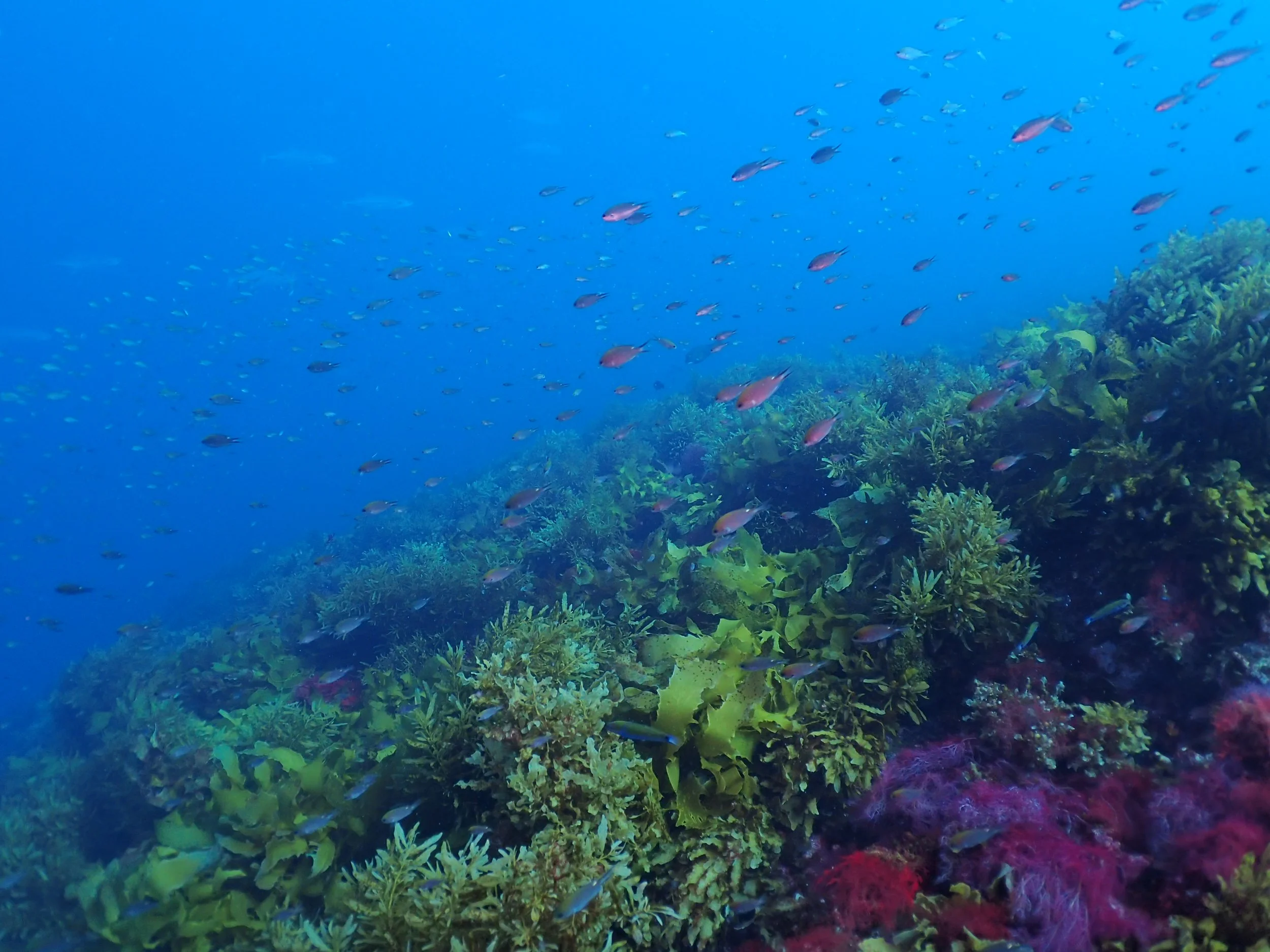
One of the most remarkable aspects of the Abrolhos Islands is the extraordinary habitat diversity found within a relatively small spatial scale. Within just a few kilometres, reefs can transition from extensive seagrass meadows to dense seaweed forests and then to coral-dominated ecosystems characterised by scleractinian corals. This unique ecological mosaic is driven largely by the influence of the Leeuwin Current, which transports warm tropical waters southward along the Western Australian coast, where they interact with cooler temperate waters. The convergence of these contrasting oceanographic conditions creates an environment that supports species from both tropical and temperate regions.
Tracking Change After the 2025 Marine Heatwave
This year's surveys were particularly significant as they provide an opportunity to assess ecological responses to the severe marine heatwave that affected Western Australia in 2025. Increasingly frequent marine heatwaves have the potential to alter community structure, drive species range shifts, and accelerate the topicalisation of temperate reef ecosystems.
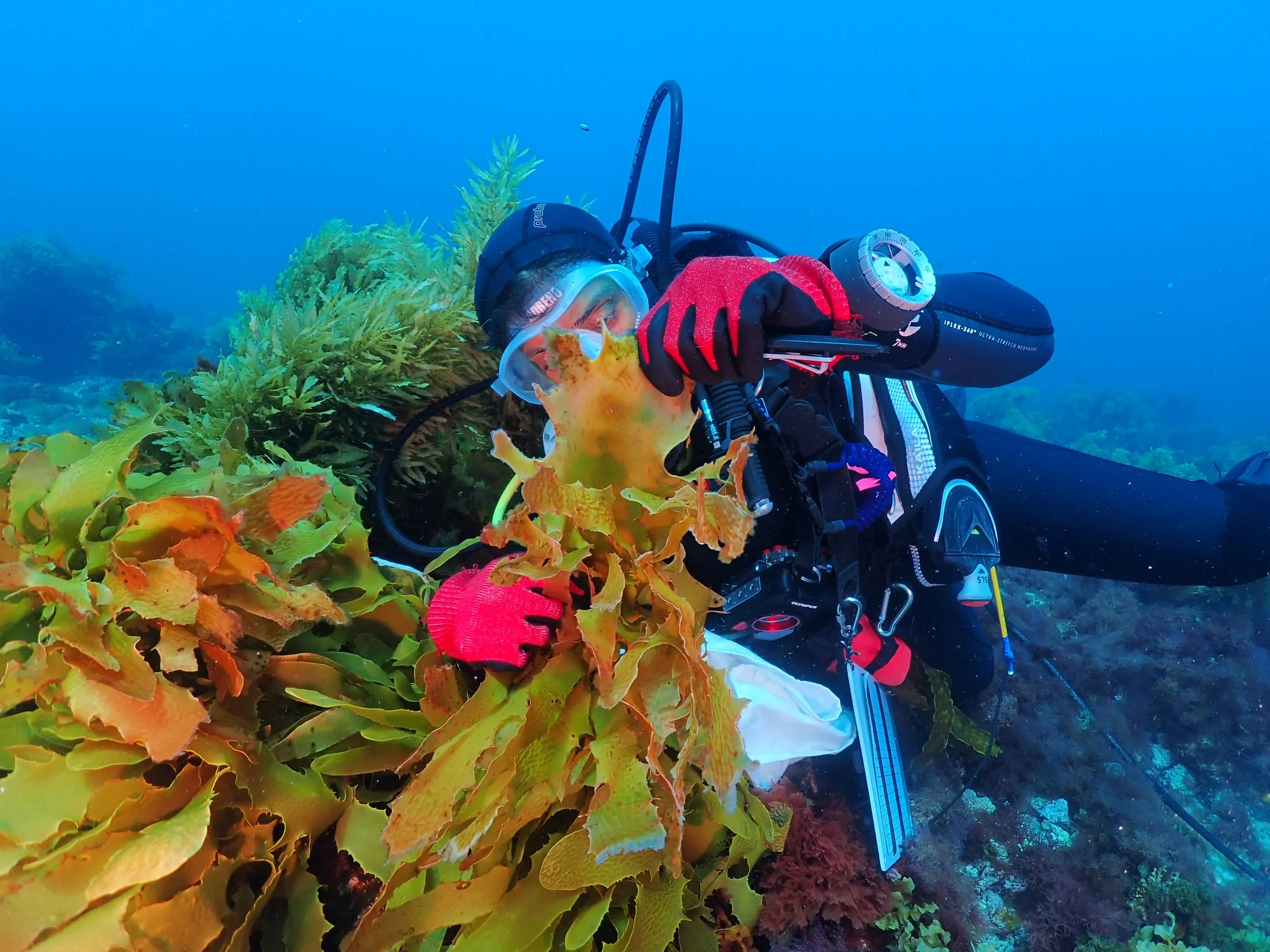
Long-term monitoring programs such as these are critical for detecting ecological change, understanding ecosystem resilience, and informing future conservation and management strategies.
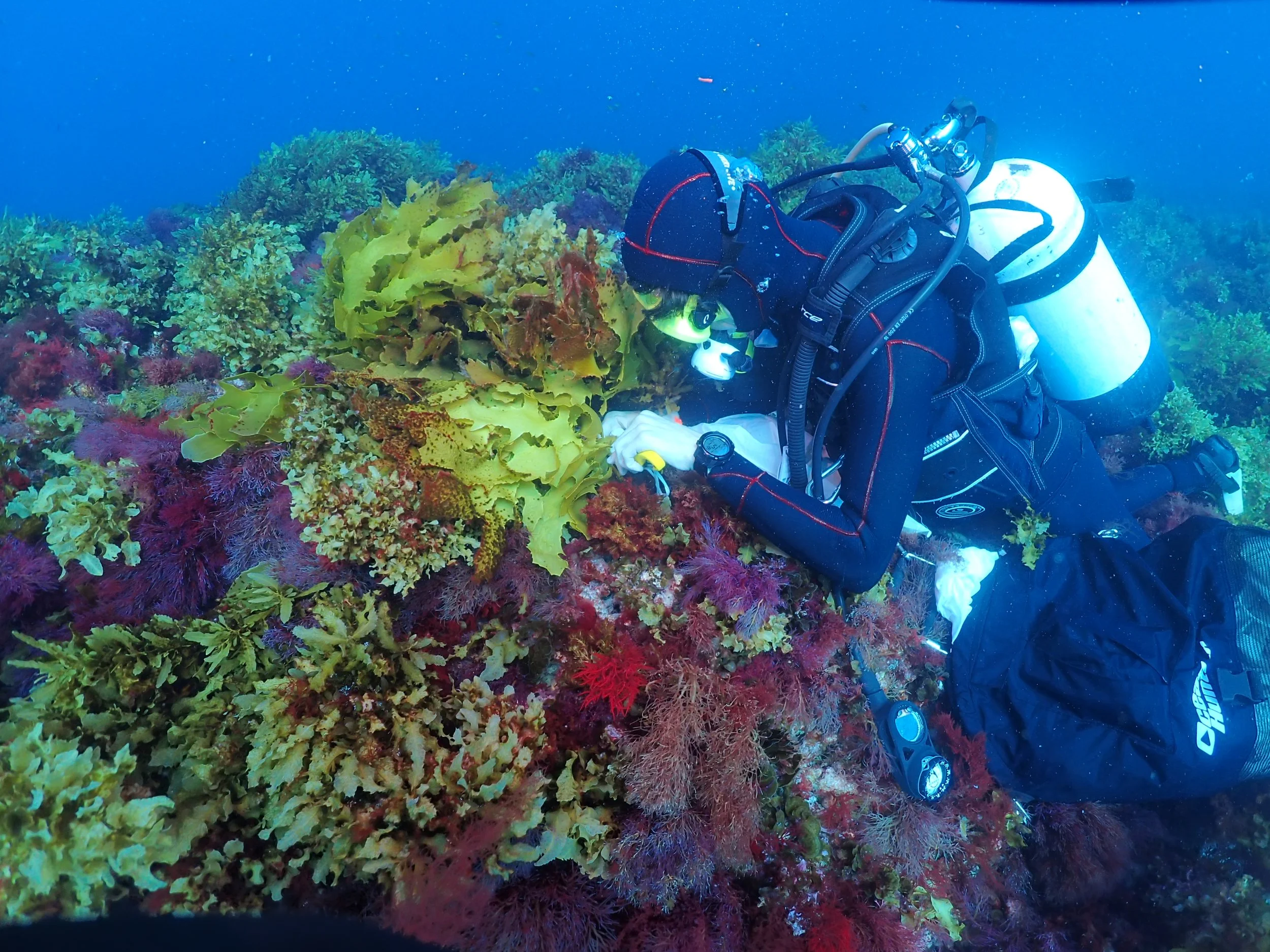
Six Years of Data Capture Extreme Heat
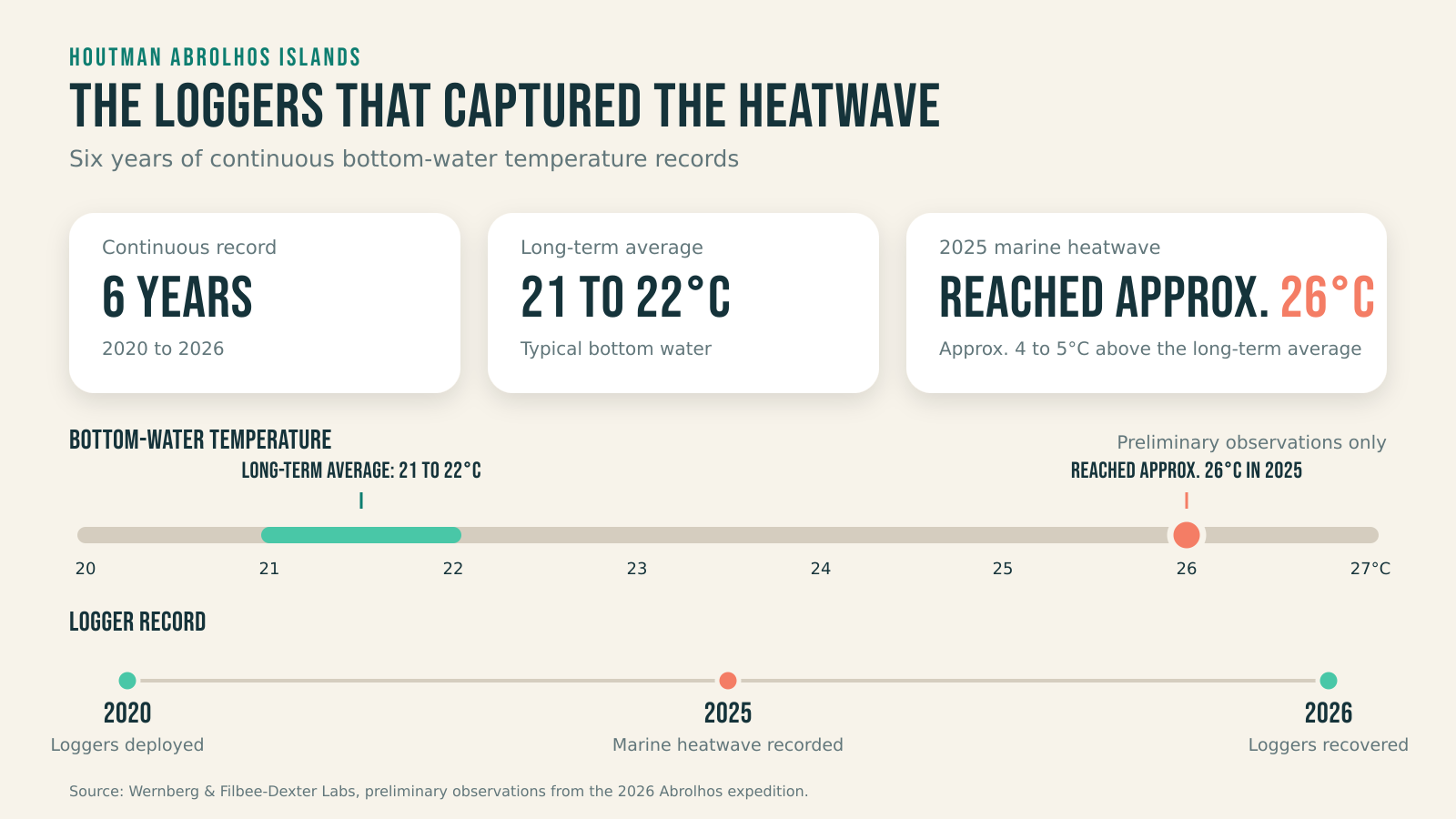
The expedition also successfully recovered temperature loggers deployed during the previous Abrolhos survey in 2020. These instruments captured six years of continuous bottom-water temperature records, providing an invaluable dataset for understanding long-term environmental variability in this remote region. Preliminary observations indicate that bottom-water temperatures reached approximately 26°C during the 2025 marine heatwave, substantially above the long-term average of 21–22°C for the area.
New Data for a Changing Ocean
Overall, the 2026 Abrolhos expedition was a highly successful field campaign, yielding valuable ecological and environmental datasets that will contribute to ongoing research into the impacts of climate change on Western Australia’s marine ecosystems. The team is continuing to analyse these datasets and assess the ecological outcomes and longer-term impacts of the 2025 marine heatwave.
Join Our Community
Sign up to our monthly newsletter to receive the latest updates from around the GSR.
you may also like
-
![]()
National Marine Science Strategy
Australia’s new National Marine Science Strategy 2026–36 arrives at a time when pressure on the ocean is rising fast. Climate impacts are accelerating, biodiversity is under strain, coastal risks are growing, and the demand for marine science that can inform real decisions is only becoming more urgent.
-
![]()
Squidle+, AI and Reef Monitoring
Squidle+ acts as shared infrastructure for marine science. It supports collaborative annotation, quality control between people and algorithms, map-based data exploration, integration with other portals, and the export of training data for machine learning.
-
![]()
more ARTICLES
A deeper look at timely reef topics, stories and insights from science, community voices and coastal experiences.
-
![]()
VIDEOS
Check out our short films and clips about temperate reef life, research in action, community work and reef encounters across southern Australia.
-
![]()
FEATURE CREATORS
Each month we feature a creator from across the Great Southern Reef sharing their connection to the coast through photography, art and storytelling.