

Kelp forests form the living foundation of the Great Southern Reef, creating food, shelter and nursery habitat for an extraordinary diversity of marine life.
Kelp FOrests
What is A kelp forest?
underwater forests

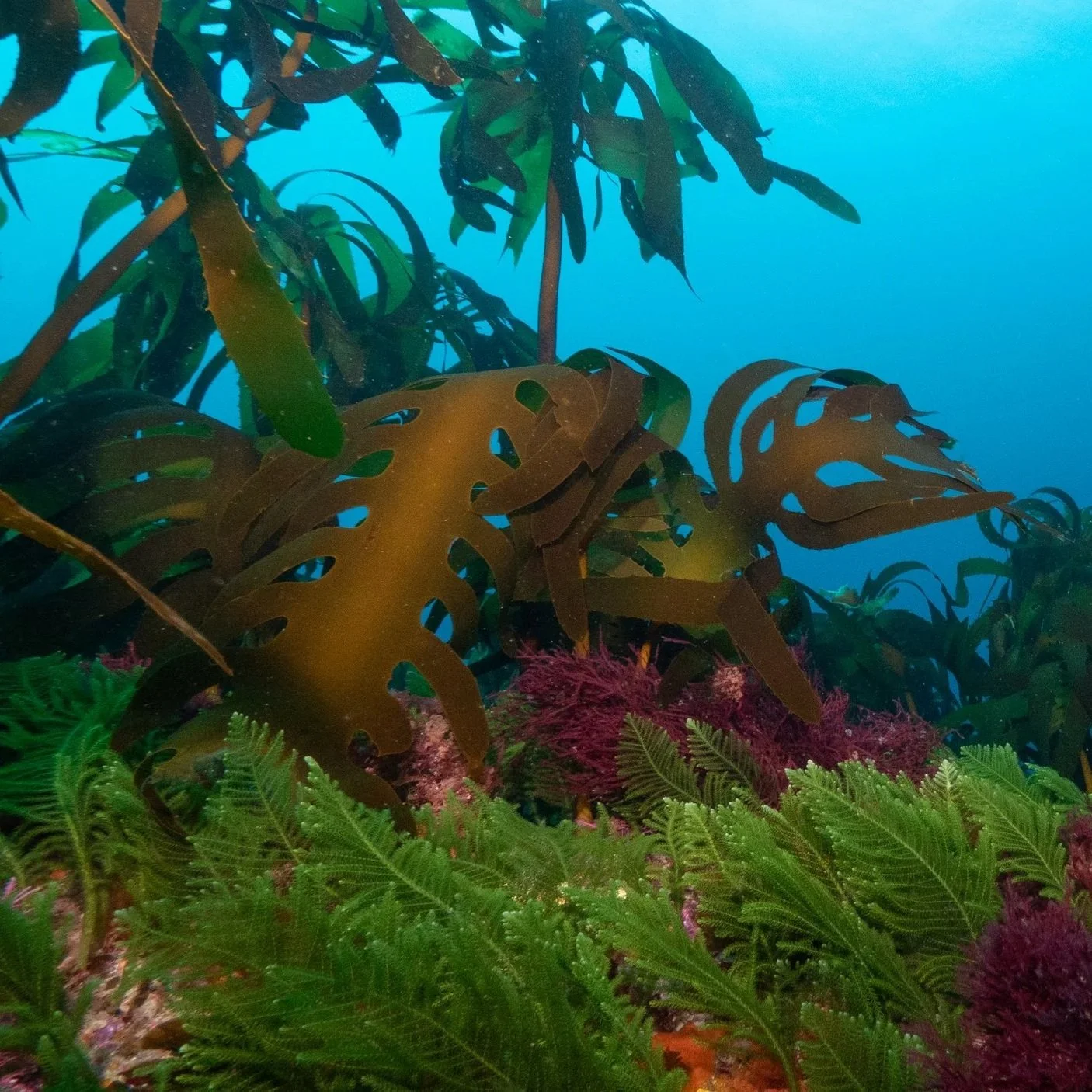
Kelp are algae, not plants. They do not have roots, flowers or seeds. Instead, a strong structure called a holdfast grips the rock, while a flexible stipe supports the kelp's light-catching blades.
Where kelp grows densely, it transforms the surrounding environment. Its canopy slows water movement, provides shade and creates layers of habitat above the rocky reef.
Scientists call kelps foundation species because so many other species depend on the habitat they create.
Foundation species
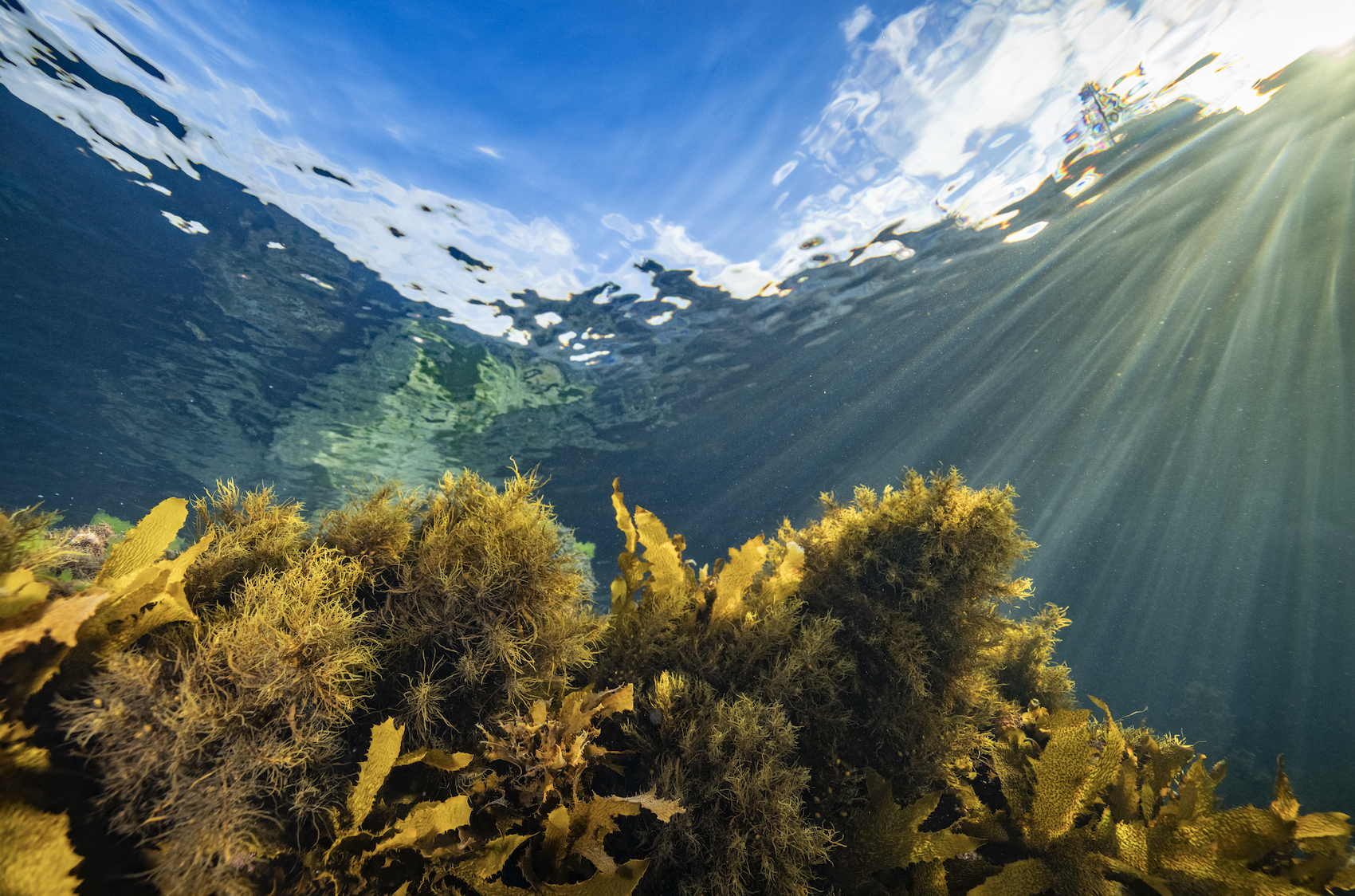
No two kelp forests look exactly alike. Different seaweeds dominate different parts of the Great Southern Reef.
the forest builders
Meet the seaweeds
-
![]()
Golden kelp
Golden kelp, Ecklonia radiata, is the most widespread forest-forming kelp in Australia. Usually growing to around one metre tall, it forms dense canopies across much of the Great Southern Reef.
-
![]()
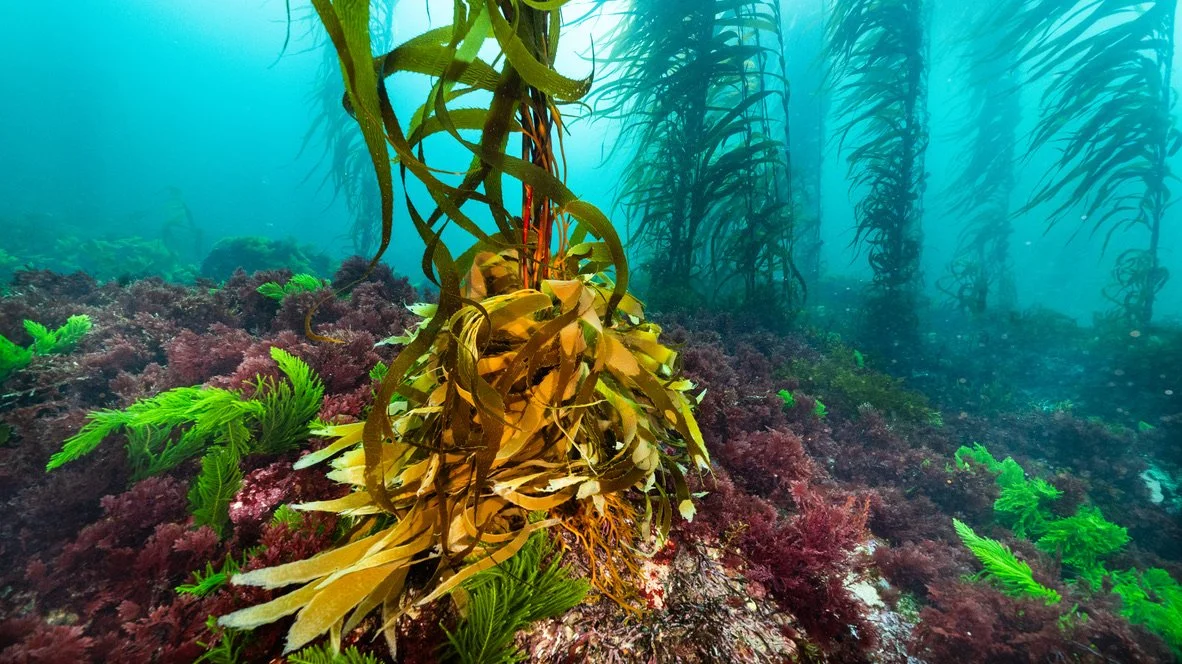
Giant kelp
Giant kelp, Macrocystis pyrifera, can grow taller than 30 metres. Gas-filled floats lift its blades towards the surface, creating a forest that extends through the water column. In Australia, remaining surface-canopy forests occur mainly in Tasmania.
-
![]()
southern bull kelp
Bull kelp, Durvillaea species, grows along wave-exposed coastlines in South Australia, Victoria and Tasmania. Its thick, flexible body can withstand powerful waves.
-
![]()
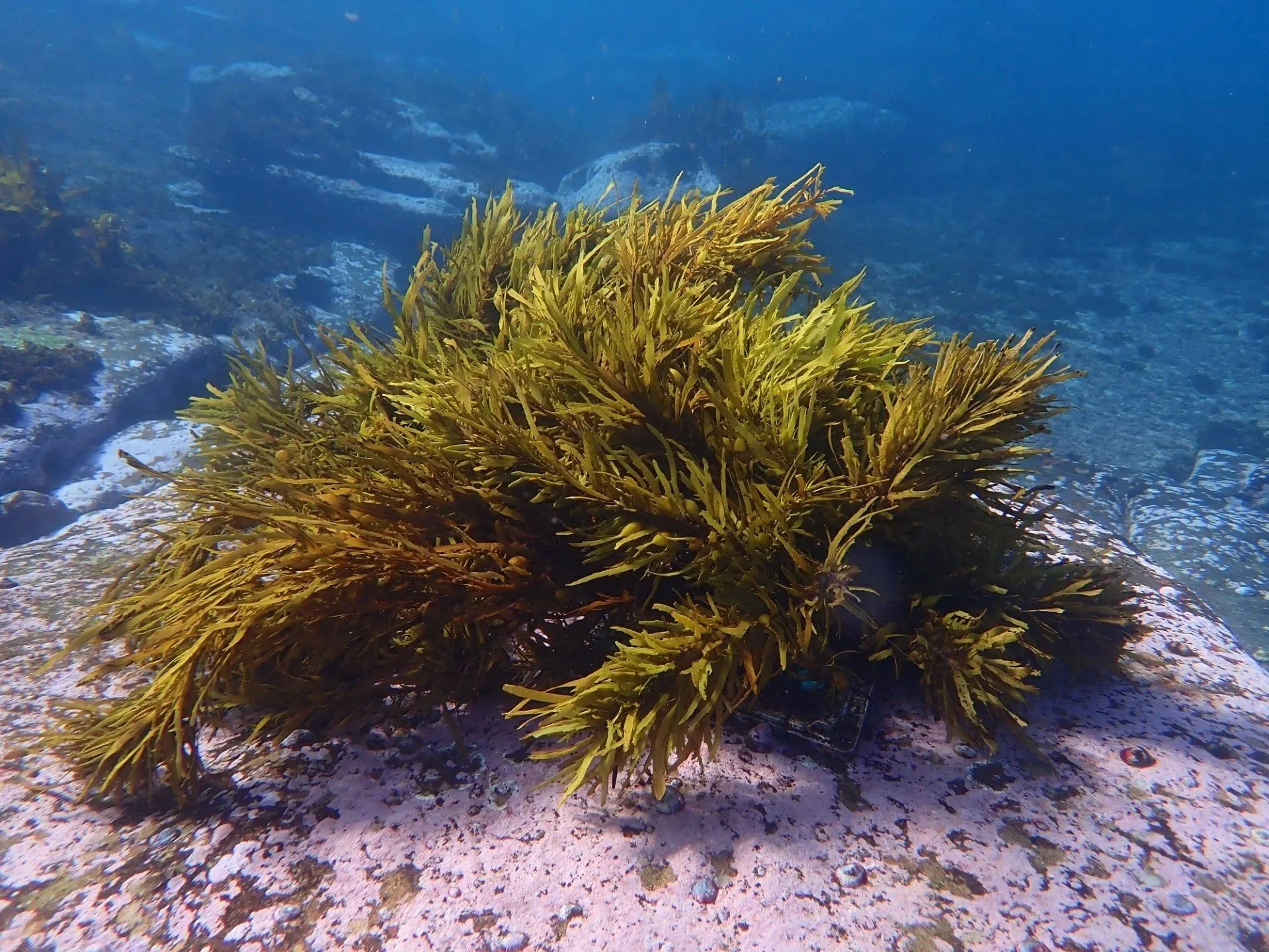
crayweed
Crayweed, Phyllospora comosa, is a large brown seaweed found across south-eastern Australia. It often forms dense forest habitat on shallow rocky reefs.


A global Hotspot
more than kelp
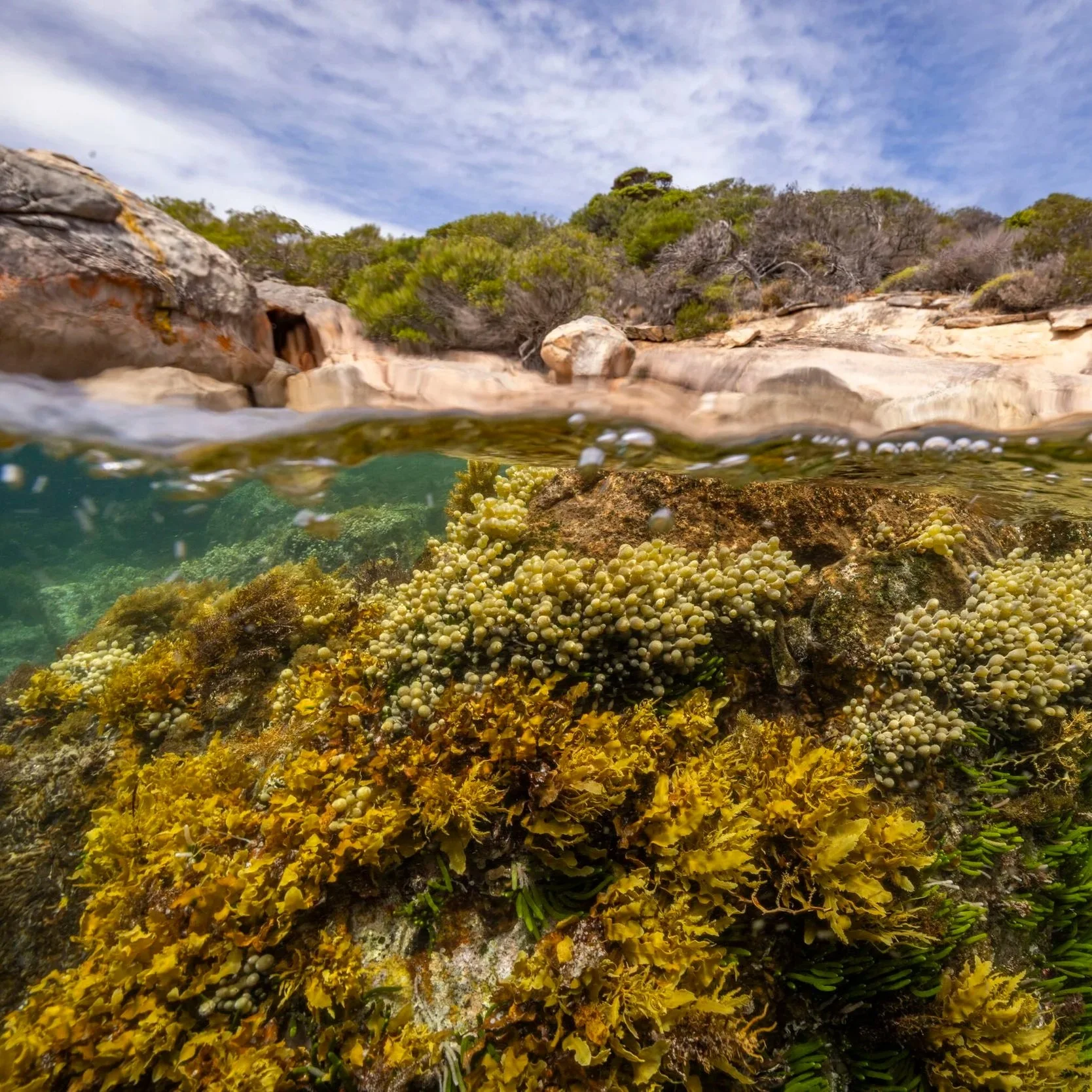
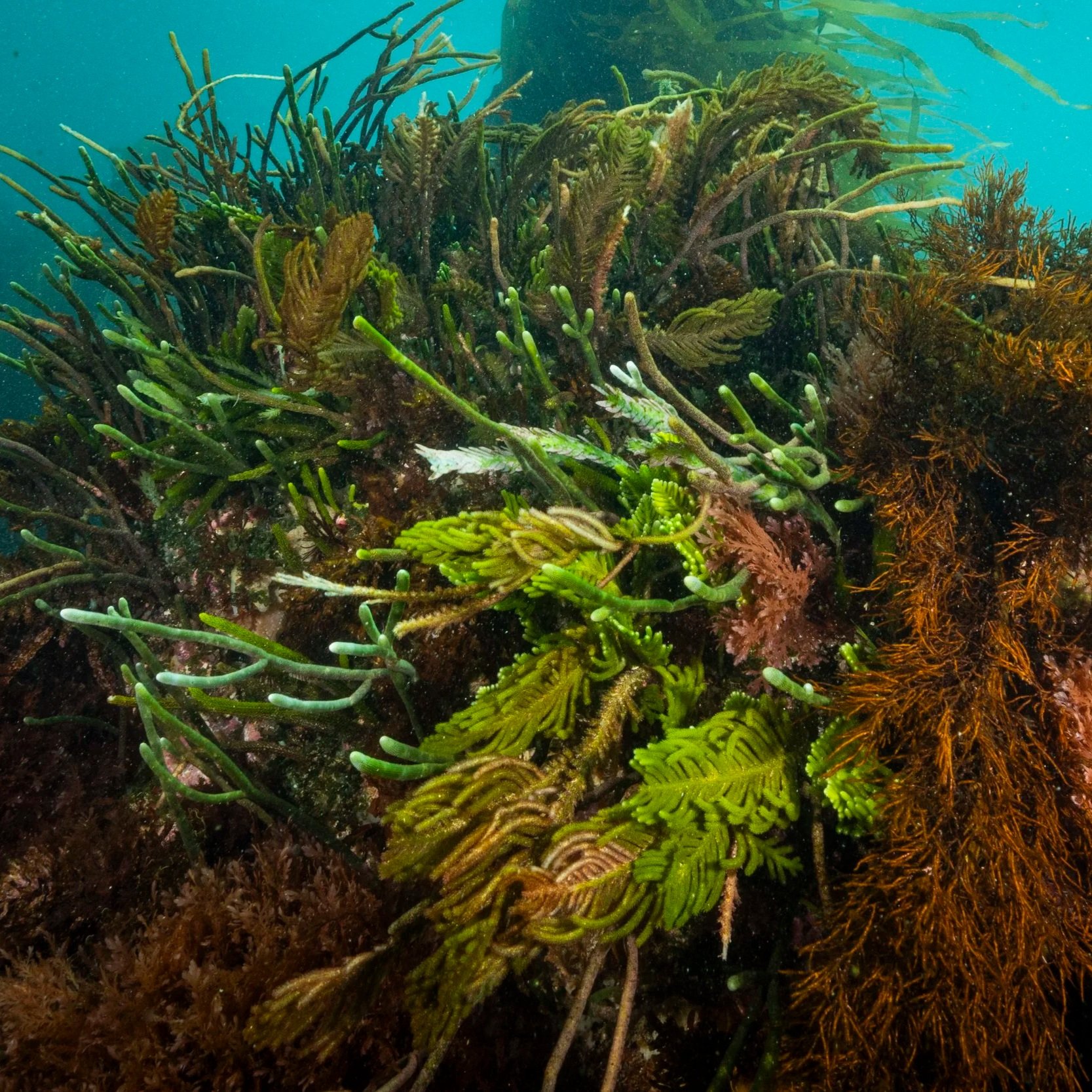
More than 1,500 species of seaweed grow across the Great Southern Reef, including red, green and brown algae.
77%
of red seaweed species recorded across the Great Southern Reef are thought to be endemic.
Together, these seaweeds form layered habitats, produce food, cycle nutrients and add colour and structure to rocky reefs. Some create large canopies, while smaller species grow beneath them or cover the reef surface.
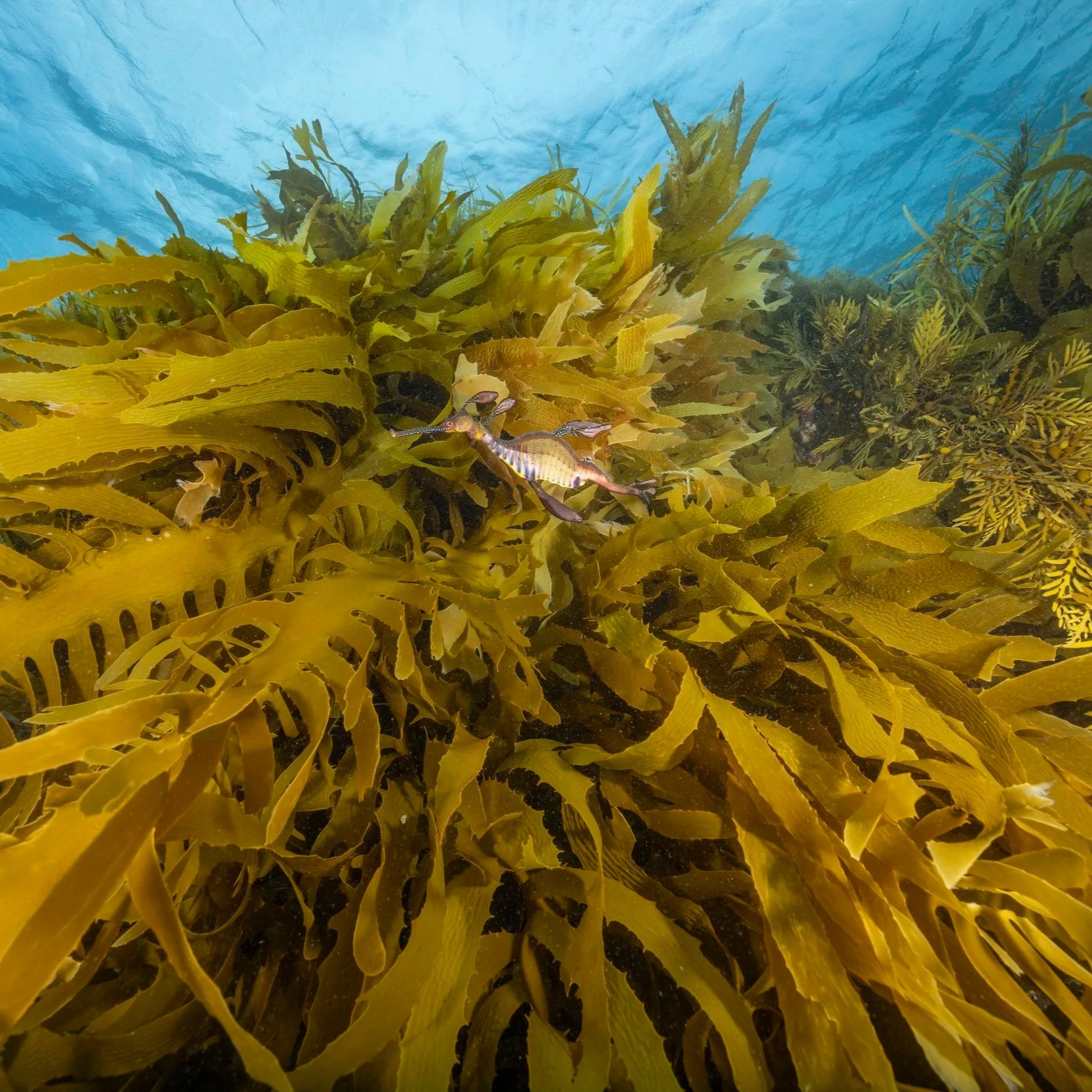
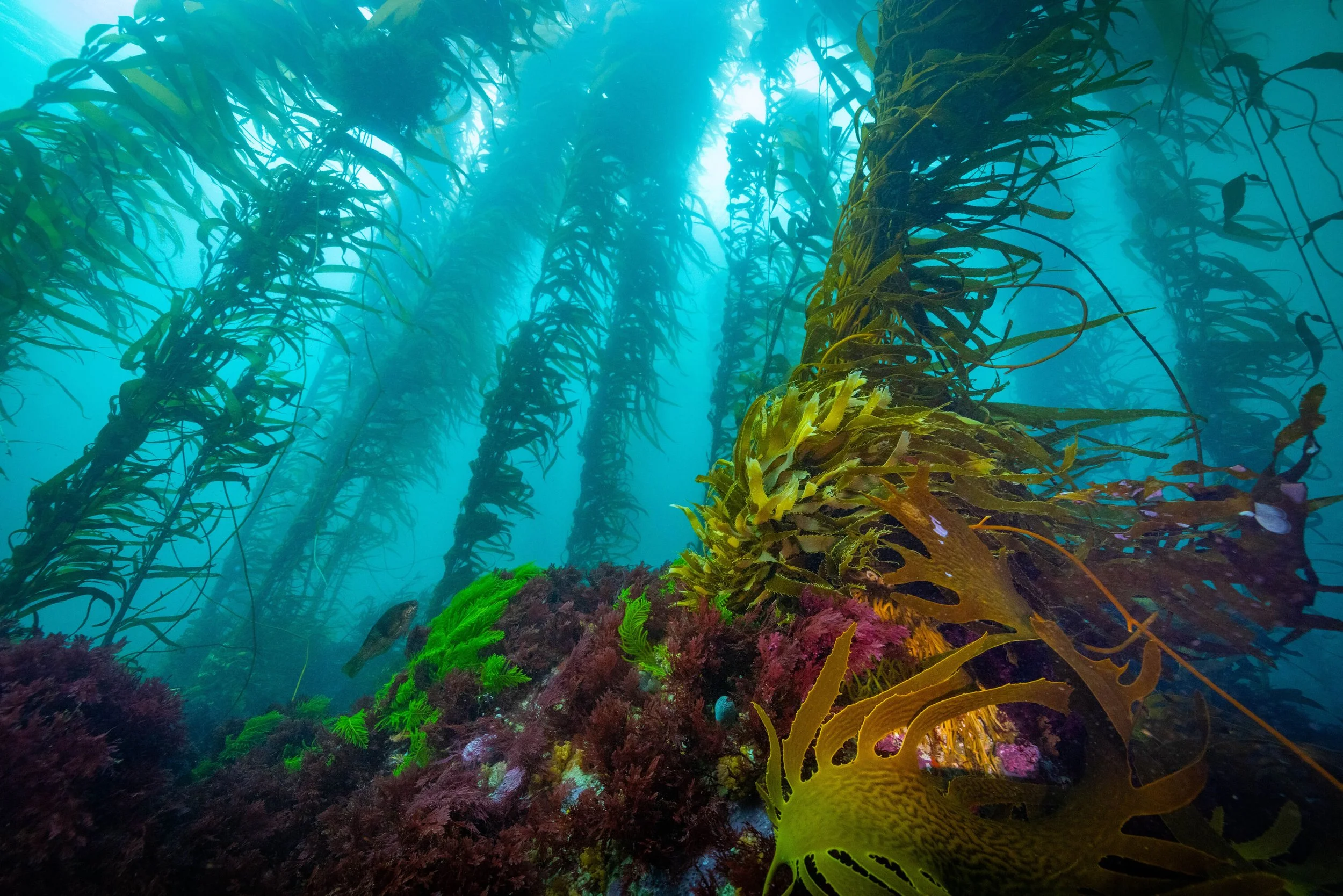
Every part of a kelp forest provides habitat
Fish, cuttlefish, seadragons, abalone and rock lobsters move through the forest in search of food and protection.
The Canopy
The Ocean Floor
Sponges, bryzoans and smaller seaweeds thrive in the shaded habitat below.

Small crustaceans, snails, worms and other animals shelter within the kelp’s tangled base.

The Holdfast
Why they matter
Kelp forests support some of Australia’s most diverse marine communities. They sustain fisheries, connect coastal ecosystems and support communities far beyond the forest itself.
Kelp Forests Support life above and below the water
01
HABITAT
Provide food, shelter and nursery habitat for thousands of marine species.
02
FOOD + FISHERIES
Support abalone, rock lobster and other key fisheries across southern Australia.
Connect rocky reefs with seagrass, oyster reefs, sponge gardens and deeper habitats.
03
CONNECTED ECOSYSTEMS
04
COASTAL COMMUNITIES
Support fishing, tourism, recreation and coastal livelihoods.
Produce large amounts of organic material that feeds life within and beyond the forest.
05
COASTAL FOOD WEBS
Take up nutrients and carbon as they grow, playing an important role in marine cycling.
06
CARBON + NUTRIENTS
Kelp + Carbon
Some kelp-derived carbon enters coastal food webs, while some travels into sediments or deep water where it may remain for long periods. Scientists are still working out how much is stored long-term. Protecting kelp forests supports healthy carbon cycling, but it cannot replace cuts to greenhouse gas emissions.
Culture + Connection
Kelp Forests & Sea Country
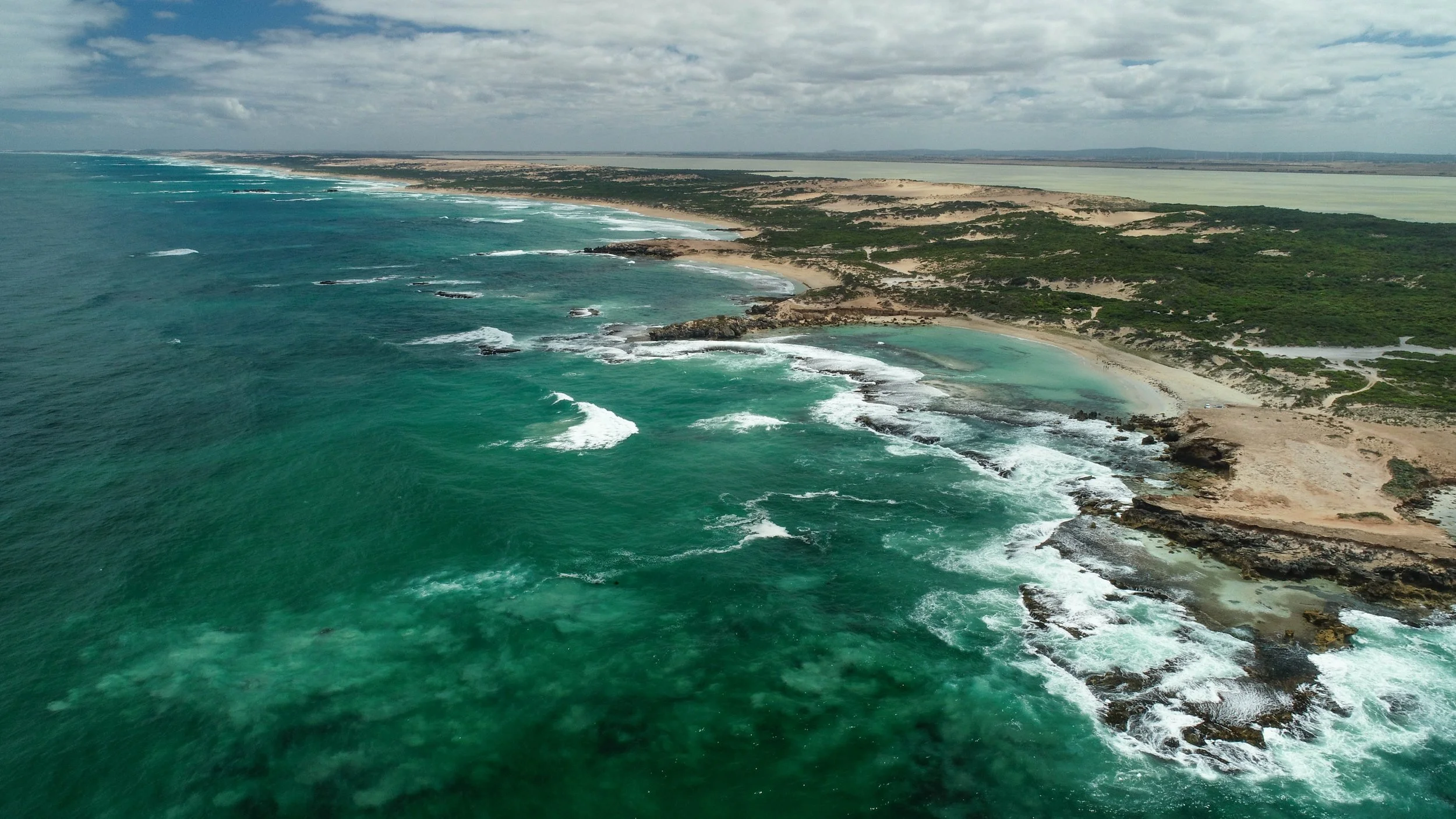
Kelp forests grow across the Sea Countries of many Aboriginal nations. These reefs are part of living cultural systems shaped by long relationships between people, species, waters and seasons.
Traditional Owners continue to care for, monitor and speak for Sea Country. Knowledge, language and cultural relationships vary between places and should always be shared with permission.
A changing Ocean
Forests under pressure
Many kelp forests remain healthy, but severe losses have occurred in parts of every state along the Great Southern Reef.
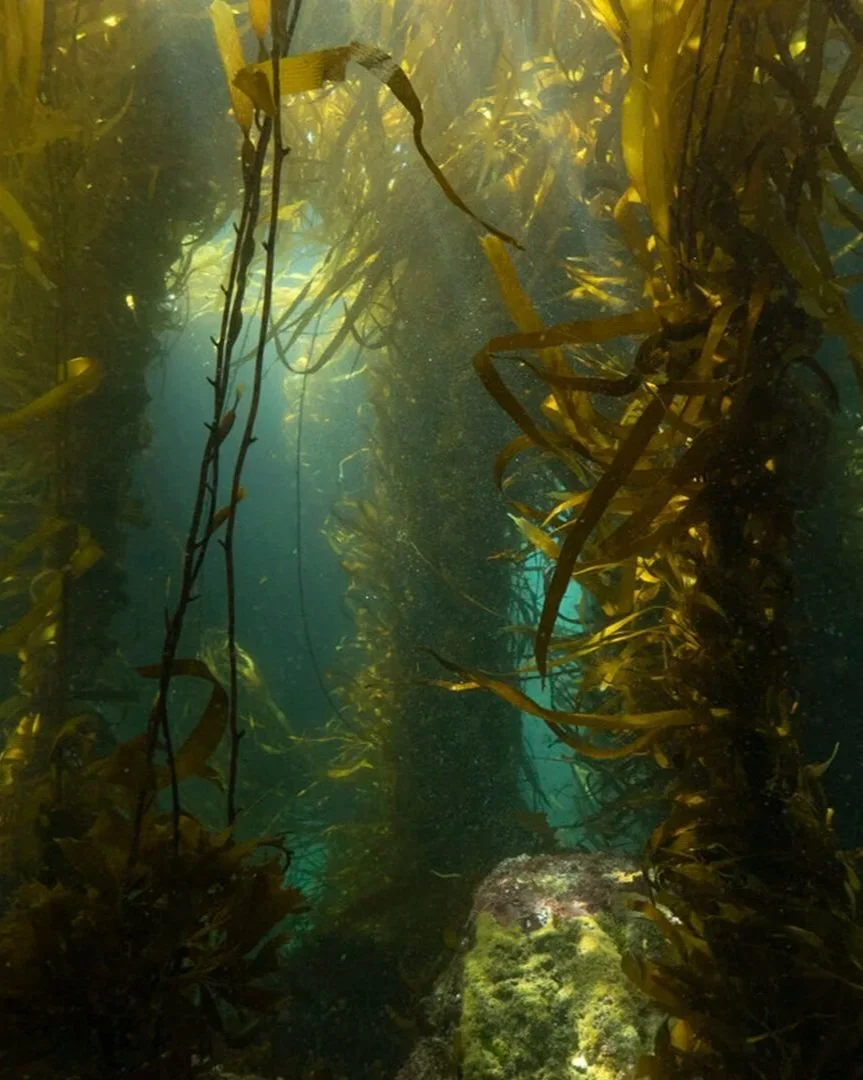
healthy
kelp forest
Lush kelp forests create habitat, shelter and food for a thriving ocean.
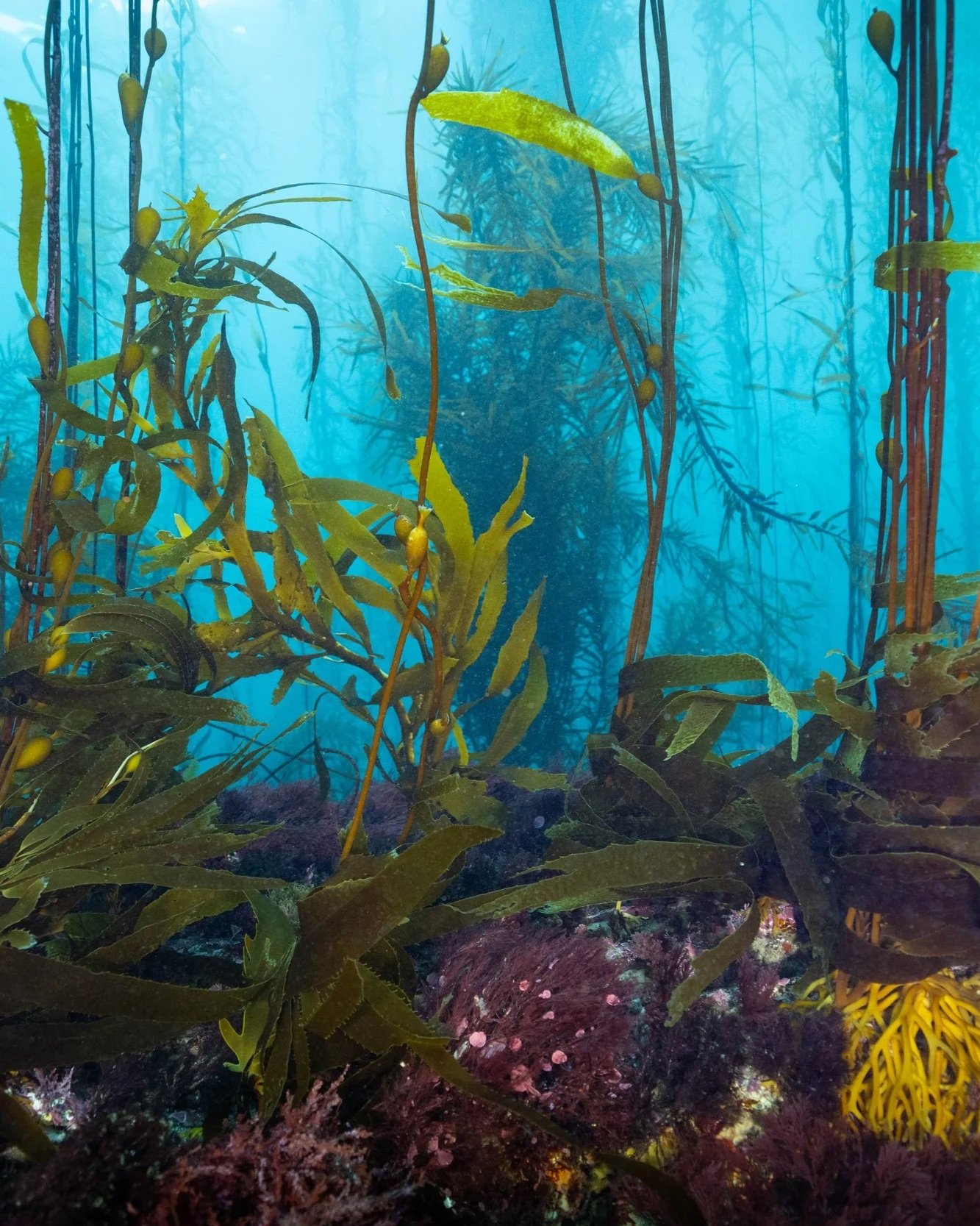
forest
Stressed
Rising temperatures and grazing pressure weaken kelp forests
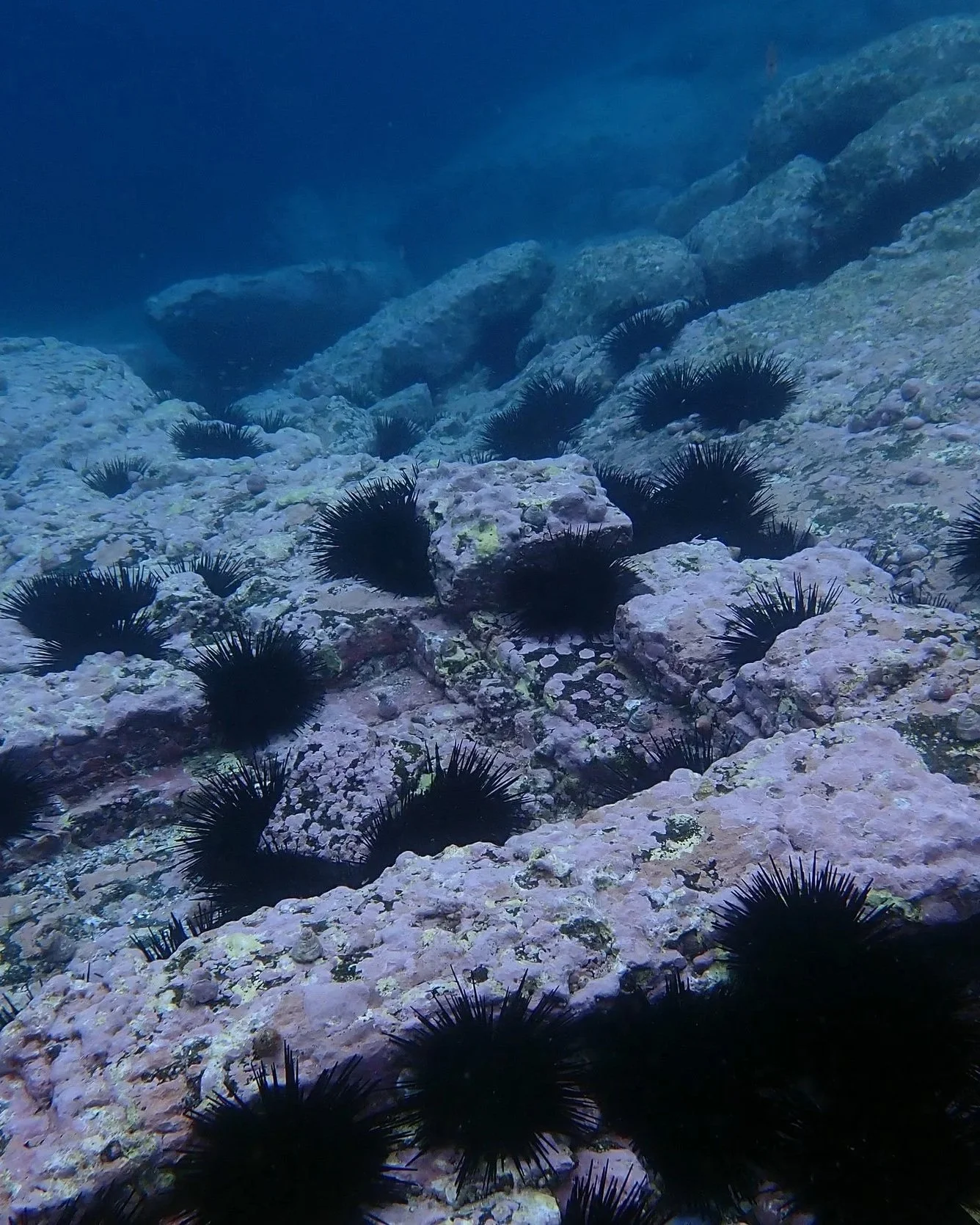
Barren
Reef
When kelp is lost urchins take over creating barren reefs with little life.
What’s driving the change?
OCEAN WARMING · MARINE HEATWAVES · URCHIN GRAZING · POLLUTION · SEDIMENT · CHANGING FOOD WEBS
2011
A marine heatwave caused widespread kelp loss along Western Australia’s coast.
>95%
of eastern Tasmania’s surface-canopy giant kelp forest has disappeared in recent decades.
Pressures don’t act alone
These pressures often interact. A kelp forest weakened by warm water may struggle to recover if grazers, pollution or sediment prevent young kelp from establishing.
Understanding these pressures is the first step to protecting what remains.

Recovery + Restoration
Protecting + Rebuilding Kelp Forests
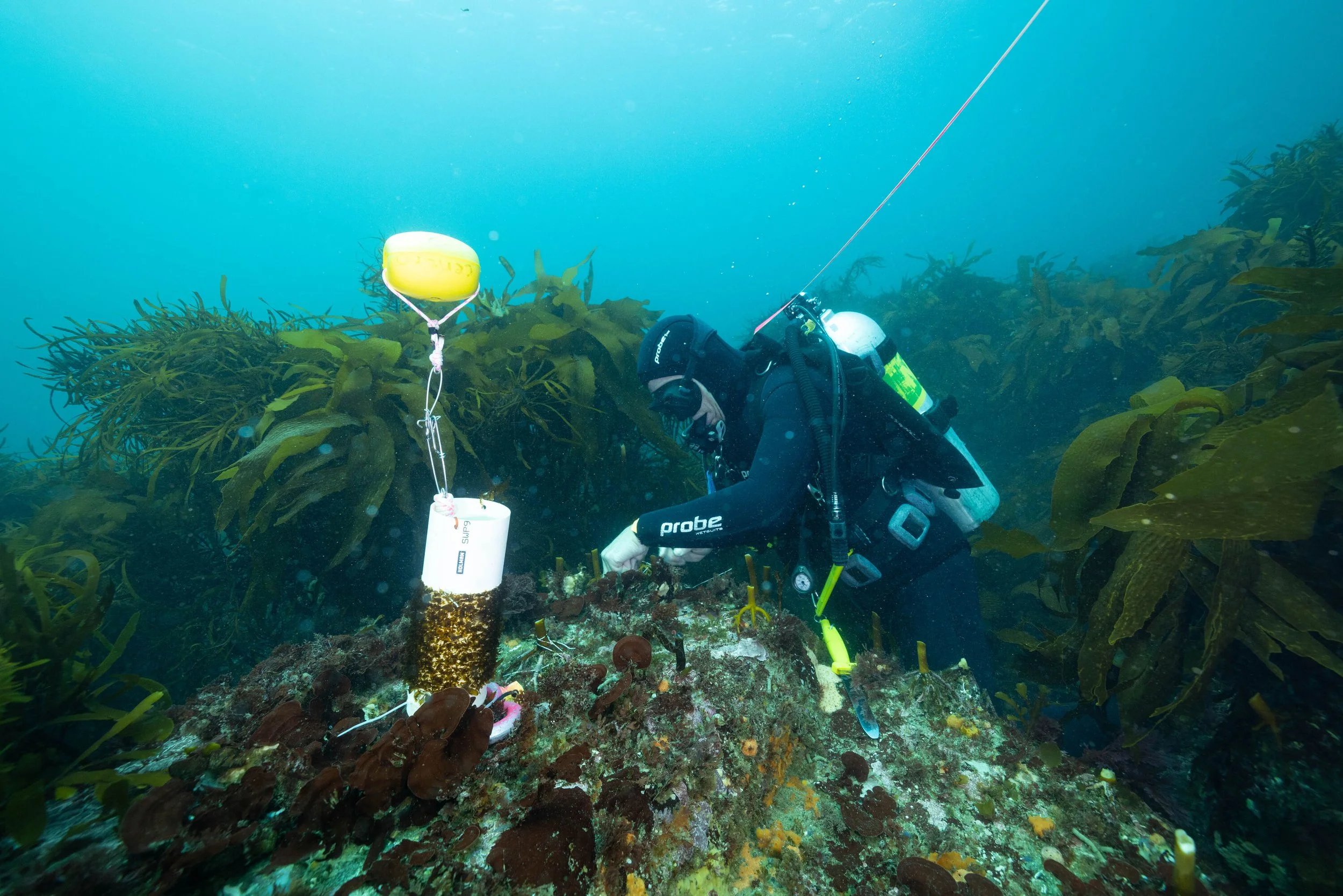
The best approach is to protect healthy kelp forests before they are lost. This includes reducing greenhouse gas emissions, improving water quality, protecting food webs and monitoring changes over time.
Where recovery needs a helping hand
Grow
juvenile kelp nurseries
Seed
reefs with new kelp
Transplant
reproductive adults

Protect
seed banks + control sea urchins
Restoration is one part of the solution
Restoration can support recovery at selected sites, but it remains difficult and expensive.
It works best when the original cause of the forest loss has also been addressed.
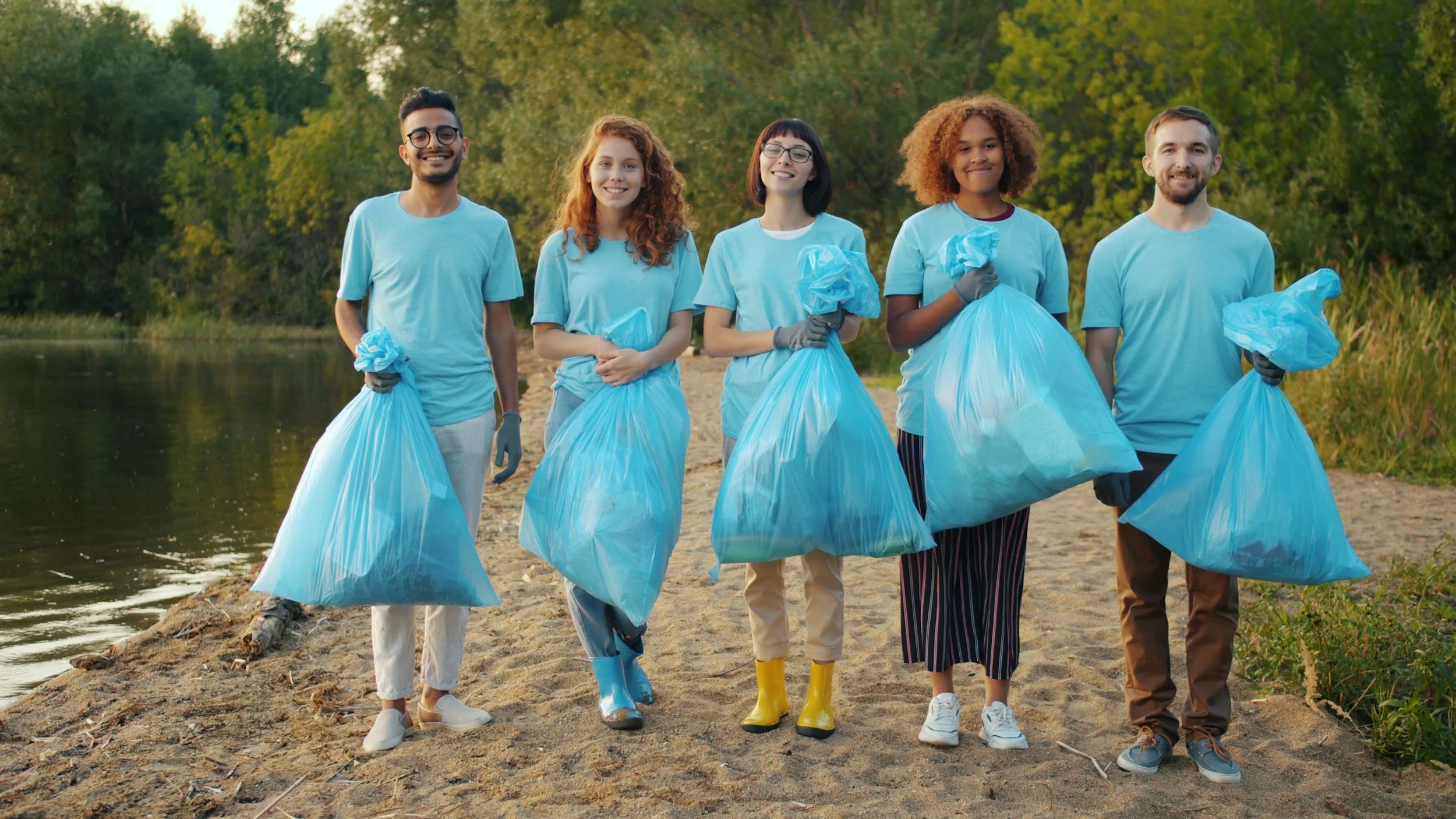
be a part of the forest’s future

Join Our Community
Sign up to our monthly newsletter to receive the latest updates from around the GSR.