
Marine Mammals
Common Bottlenose dolphin
Tursiops truncatus
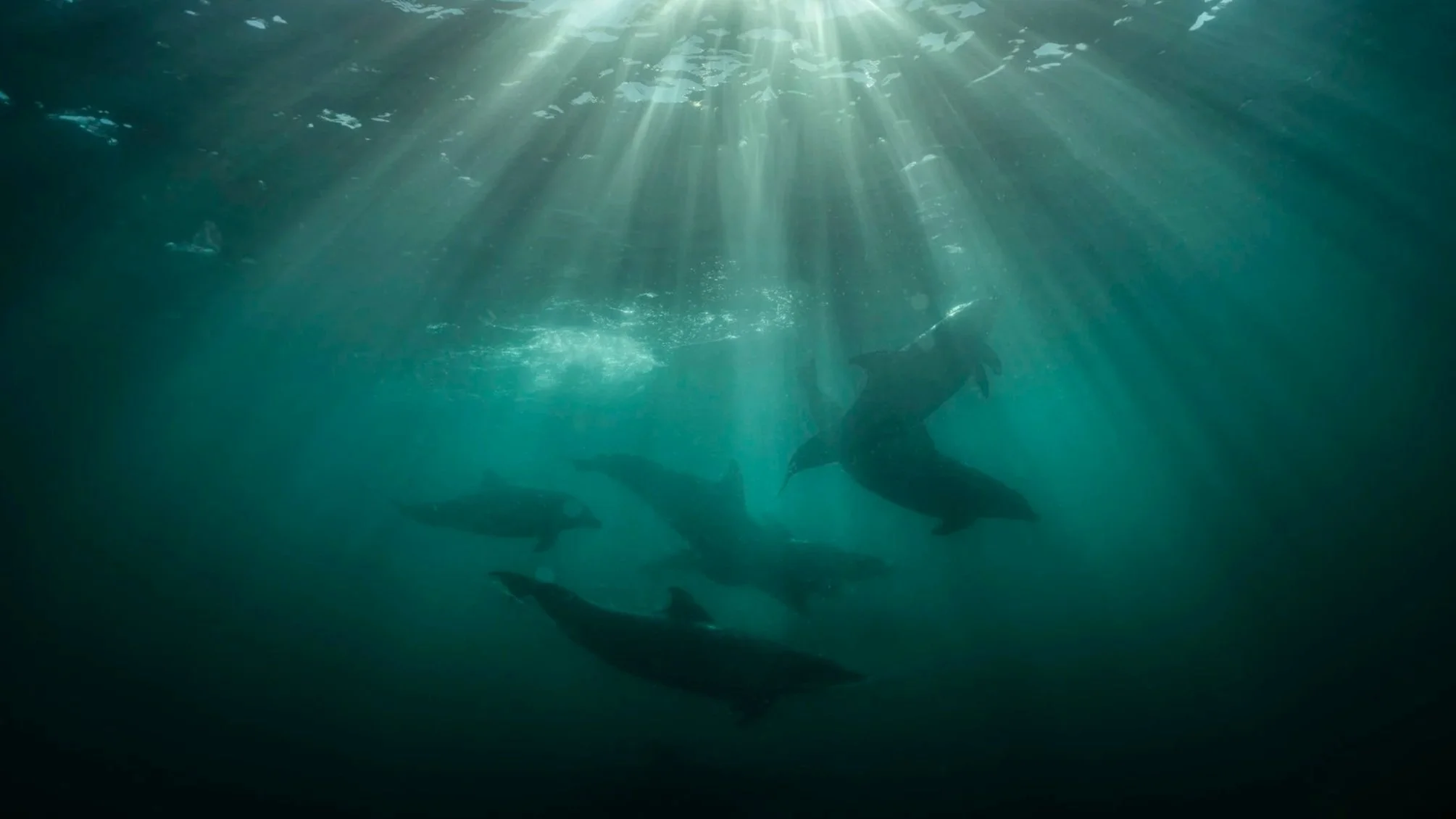
The Common Bottlenose Dolphin (Tursiops truncatus) is one of our oceans most iconic and well-known species. They are found globally in temperate and tropical waters across the Atlantic, Pacific, and Indian Oceans, as well as in the Mediterranean and Black Seas. They inhabit a wider range of habitats than any other marine mammal, including, harbors, bays, estuaries, nearshore coastal waters, and offshore along the continental shelf into the open ocean.
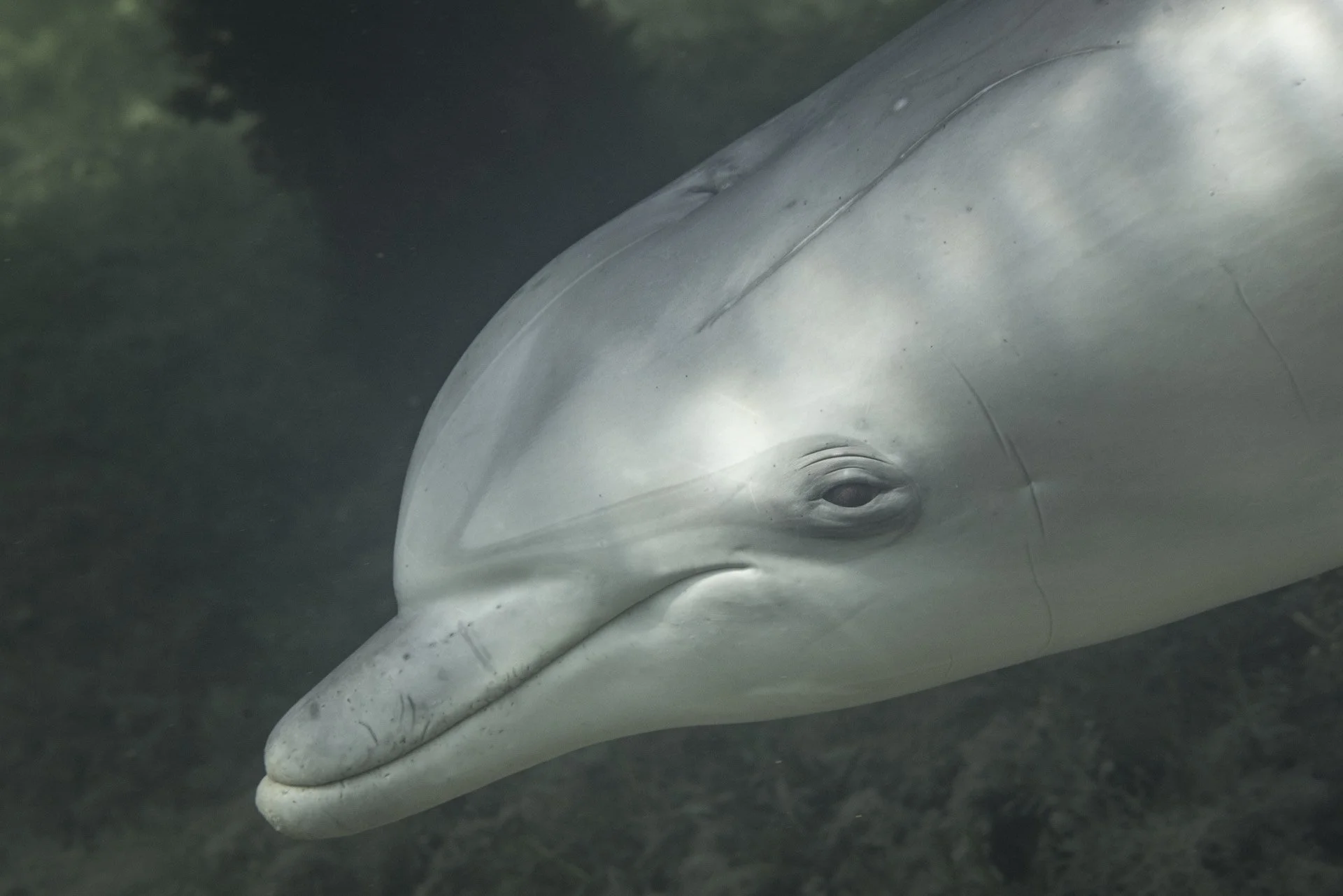
They get their name from their bottle-shaped snout (rostrum) and are primarily grey, fading into an off-white colour along their bellies. These intelligent and playful creatures are frequently admired by coastal onlookers as they frolic close to shore, catch waves with surfers, and ride the bow waves of passing boats.
Image: Gergo Rugli
Scientific Name
Tursiops truncatus
Family
Delphinidae
Size
Approx. 2-4 metres
Habitat
Coastal shelf & offshore waters
Feeding
Fish, squid & crustaceans
ECOLOGY
AN ADAPTABLE MARINE PREDATOR
Common bottlenose dolphins occupy a broad range of marine environments, from coastal waters and continental-shelf habitats to deeper offshore waters.
Different populations can have very different home ranges and behaviours. Some remain closely associated with particular coastal areas, while others range widely through offshore habitats.
Their flexible diet and behaviour allow them to exploit a variety of prey and environmental conditions.
DISTRIBUTION & HABITAT
Where Common Bottlenose Dolphins Occur in Australia
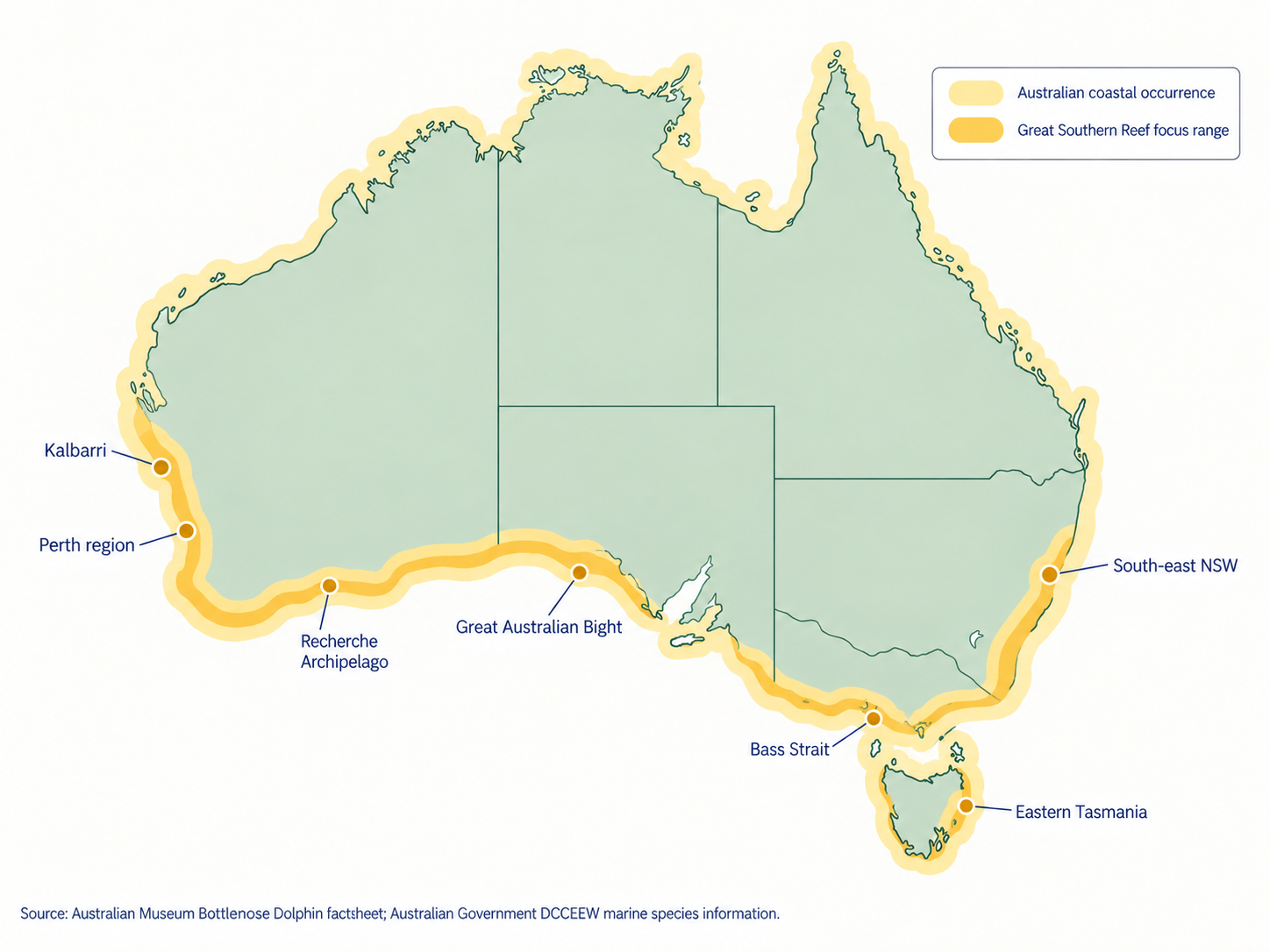
Common bottlenose dolphins occur throughout temperate and tropical oceans worldwide and are found around much of Australia.
In Australian waters, Tursiops truncatus occurs across coastal shelf areas and deeper offshore waters. Another closely related species, the Indo-Pacific bottlenose dolphin (Tursiops aduncus), also occurs in Australia and is generally associated with more inshore coastal habitats.
Sound, communication & echolocation
Communication & Sensory Ecology
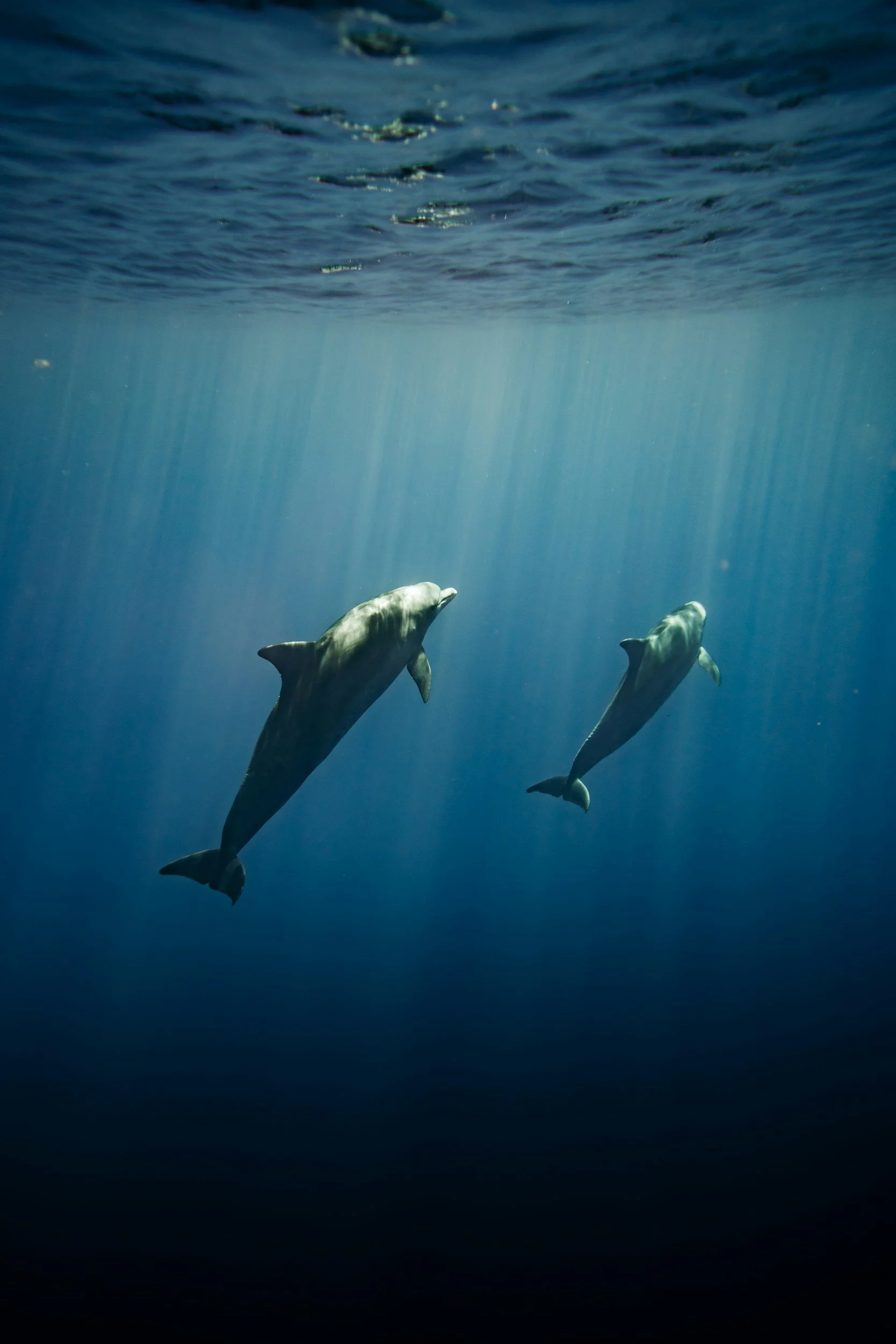
Sound plays an important role in the way bottlenose dolphins interact with their environment and with one another.
They produce whistles, clicks and other pulsed sounds. Individual dolphins can develop distinctive signature whistles, which are associated with individual recognition and communication within social groups.
High-frequency echolocation clicks allow dolphins to investigate their surroundings and locate prey by interpreting the echoes returning from objects in the water.



echolocation
Emit clicks and interpret echos to navigate, find prey and understand their surroundings.
Social calls
Use distinctive whistles and pulsed calls to maintain contact and strengthen social bonds.
Cooperative behaviour
Communicate and coordinate to hunt, care for each other and navigate together.
Foraging Behaviour
Flexible Hunting Strategies
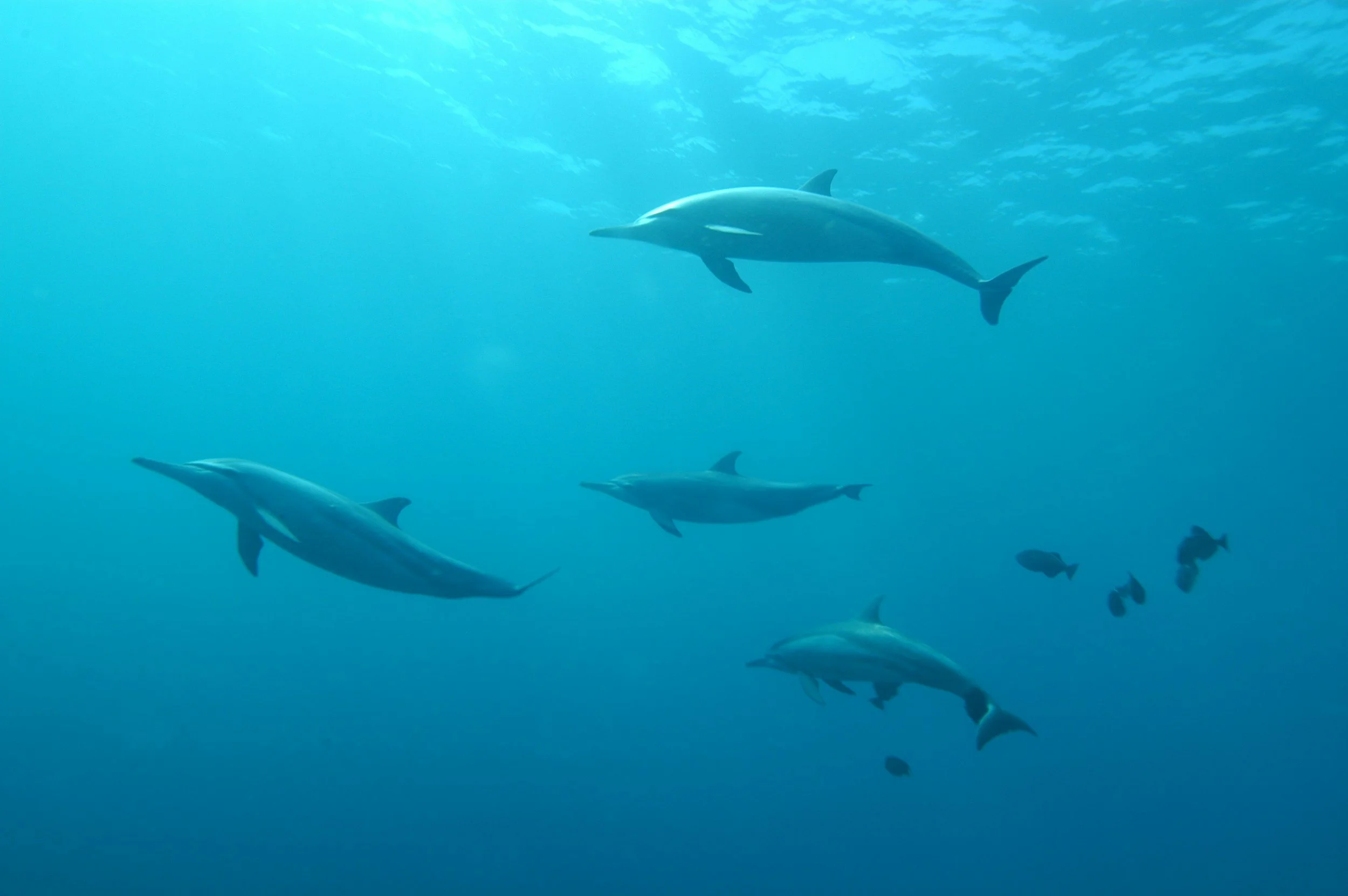
Common bottlenose dolphins feed on a broad range of prey, including fish, squid and crustaceans.
They may forage individually or cooperatively. Groups can work together to concentrate schools of fish, herd prey against sandbars or other barriers, and take turns moving through tightly grouped prey.
Different populations can also develop specialised local feeding behaviours, demonstrating considerable behavioural flexibility.
Identification
Common bottlenose dolphins have a distinctive shape and colouring, but there can be variation between individuals and populations. Look for these key features:
How to recognise a Common Bottlenose Dolphin
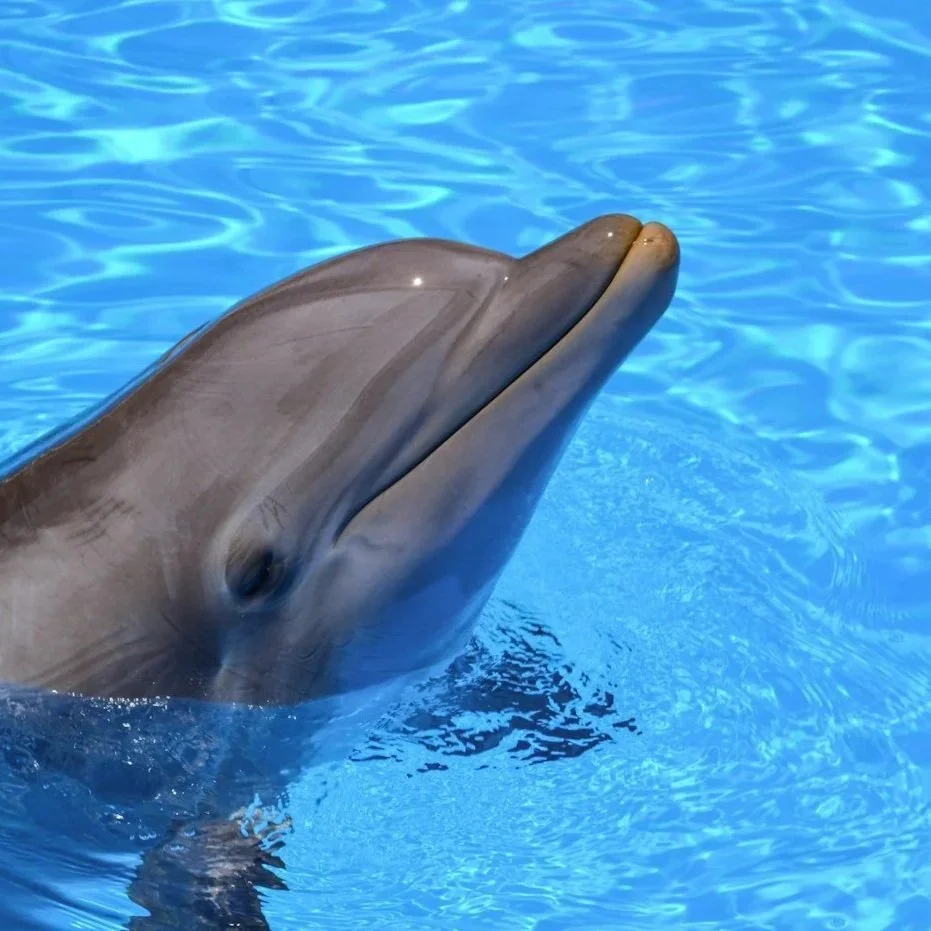
Short, Rounded Beak
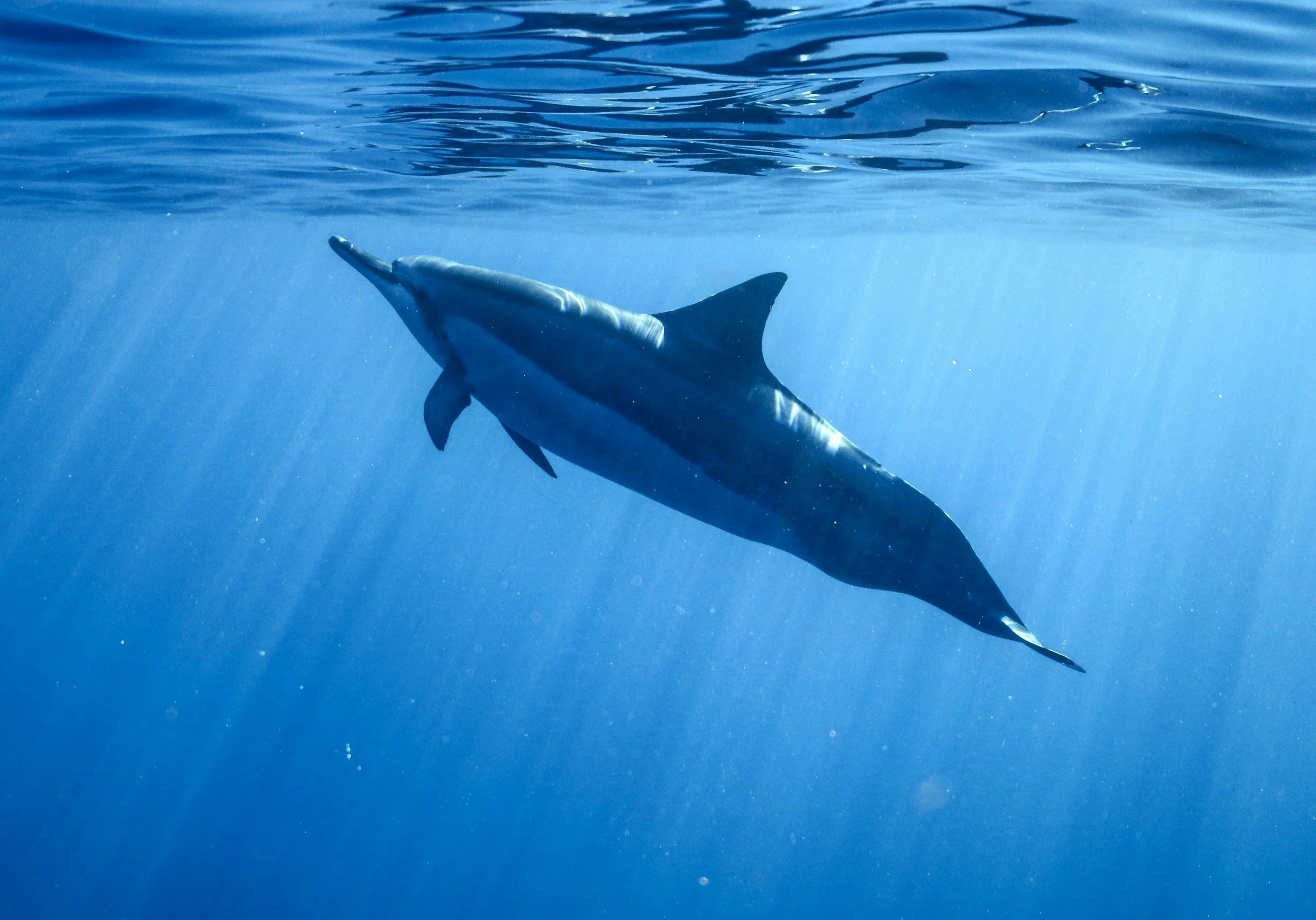
Robust Body
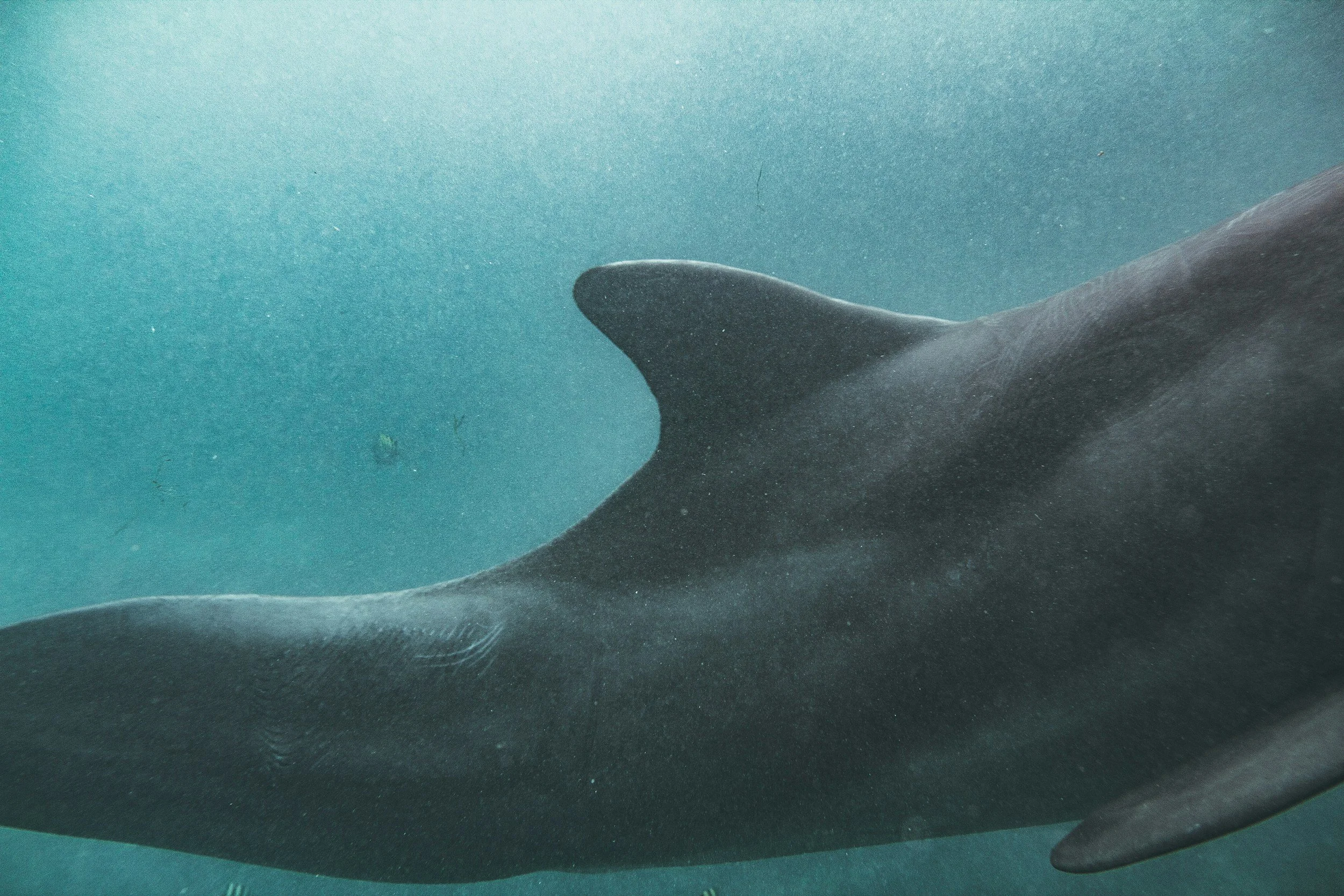
Curved Dorsal fin
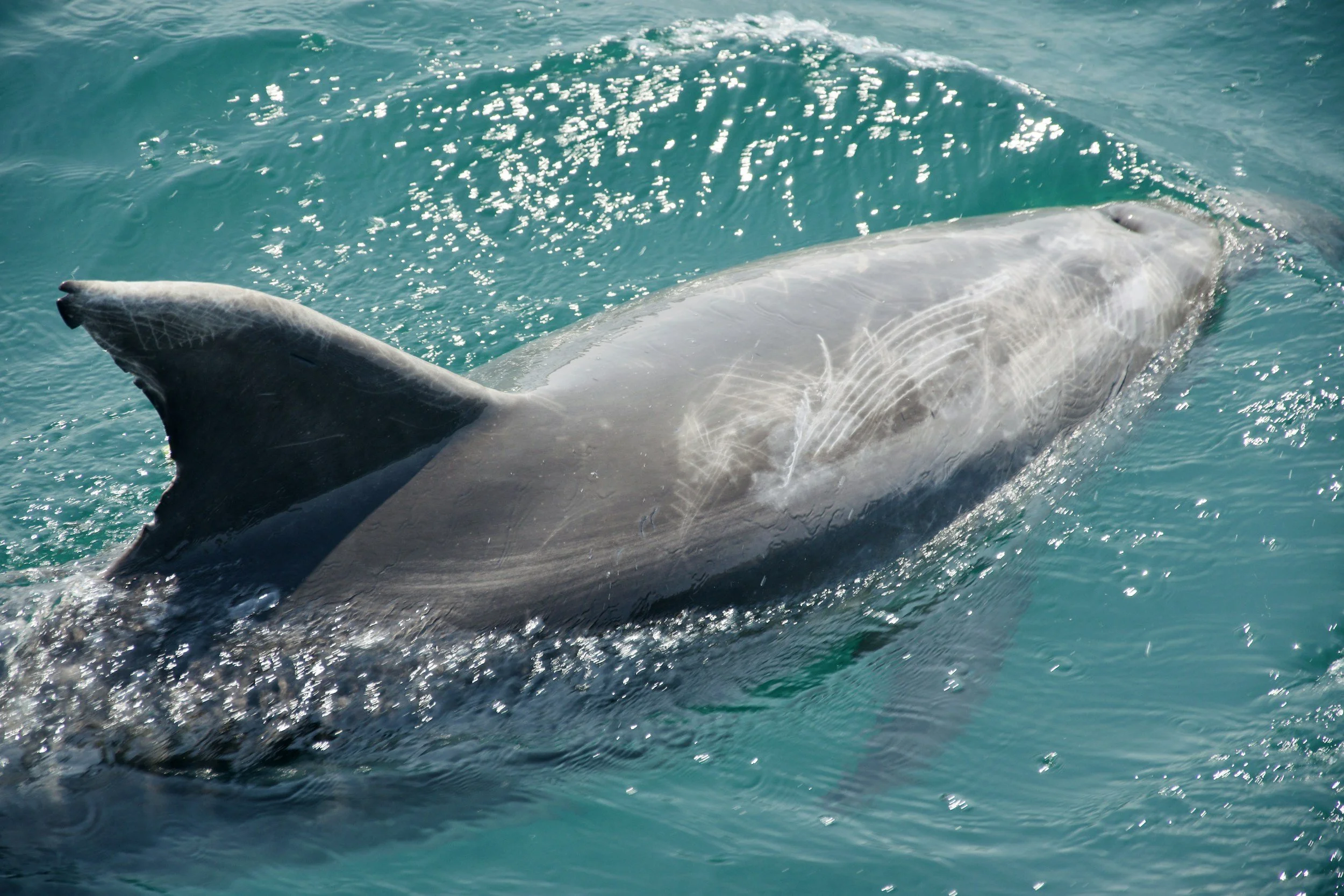
Grey Colouration
Conservation
Common bottlenose dolphins remain widespread, but individual populations can be affected by pressures including fisheries interactions, habitat degradation, pollution and disturbance from human activities.
Like all cetaceans in Australian waters, dolphins are protected under Australian environmental law. Responsible vessel operation and wildlife viewing are important for reducing disturbance and the risk of collision.
Pressures & Protection

Continue Exploring
-
![]()
Australian Sea Lion (Neophoca cinerea)
Found only in Australia, the Australian sea lion occurs along the southern and western coastline and is one of the world’s rarest sea lion species. Image: Gergo Rugli
-
![]()
SOUTHERN RIGHT WHALE (Eubalaena australis)
Southern right whales migrate into southern Australian coastal waters during winter and spring, using sheltered bays and coastlines for breeding and calving.


Join Our Community
Sign up to our monthly newsletter to receive the latest updates from around the GSR.
Monthly Great Southern Reef updates. Unsubscribe at any time.