Golden kelp returns to Derwent Estuary reefs
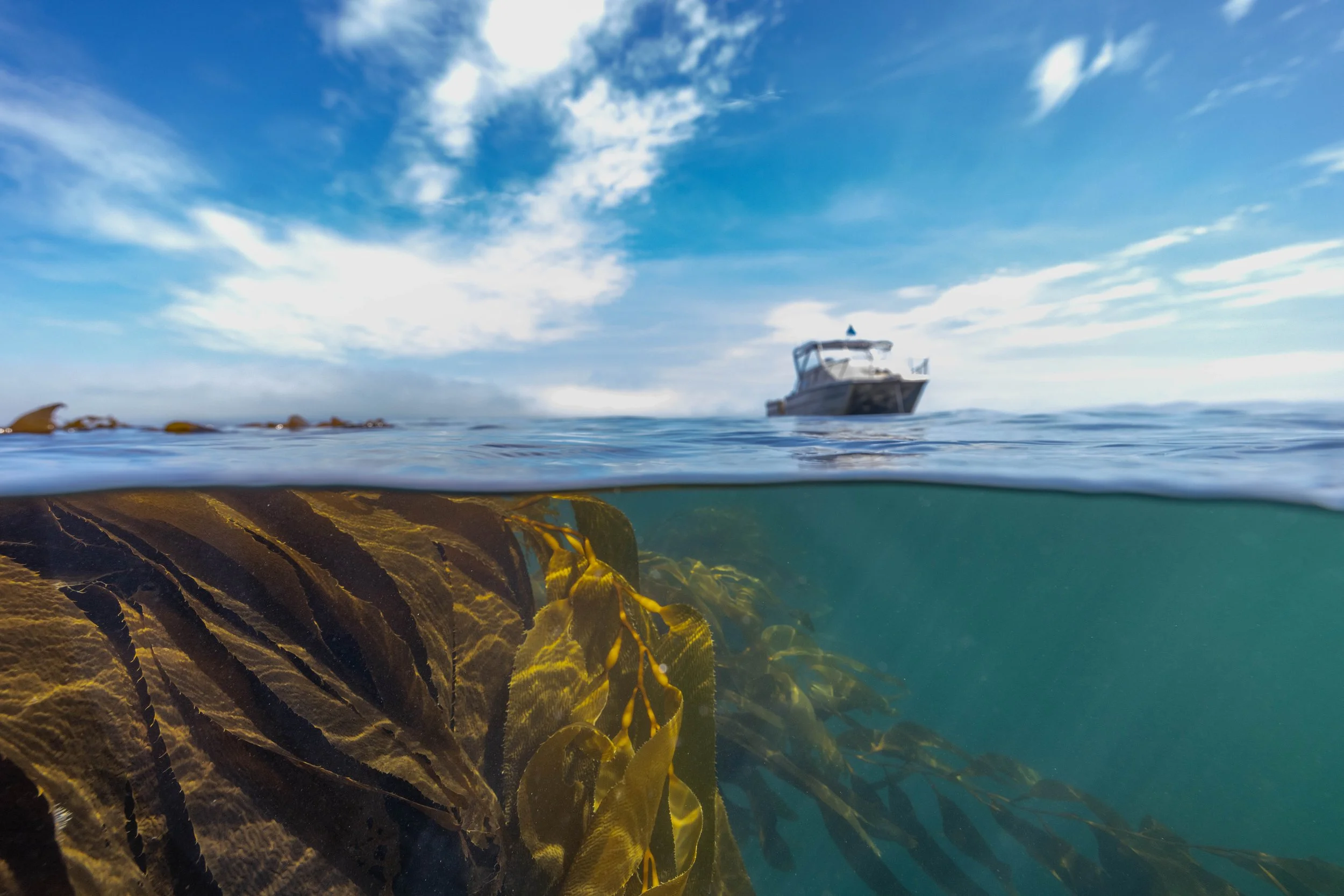
Golden kelp Ecklonia radiata is growing on parts of the Derwent Estuary’s rocky reefs where researchers once thought recovery could be difficult.
an unexpected return for kelp
Comparing surveys from 2010 and 2024, scientists found that dense mats of marine worms had largely disappeared, while kelp had increased in abundance, spread further upstream and extended into deeper water.
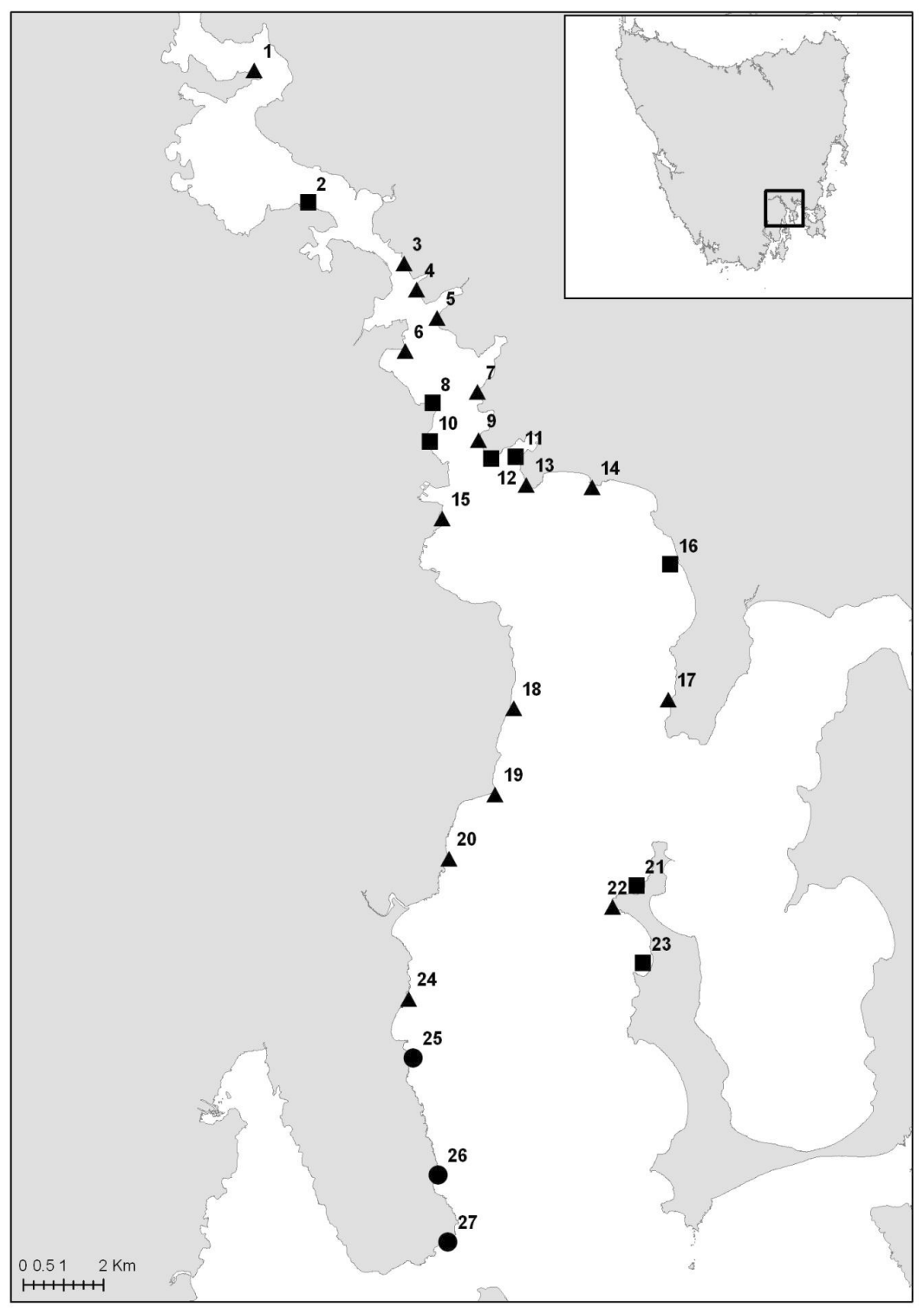
Map: Locations of sites surveyed in the Derwent in February-April in 2010, and March-June 2024. ● standard surveys; ■ timed surveys; ▲ standard and timed species surveys.Report co-author Associate Professor Neville Barrett, from the Institute for Marine and Antarctic Studies (IMAS), had expected the degraded conditions recorded in the original surveys to persist. The repeat surveys showed kelp growing on those reefs again.
“But I happily turned out to be completely wrong!” Nev wrote.
Reefs covered by tubeworms
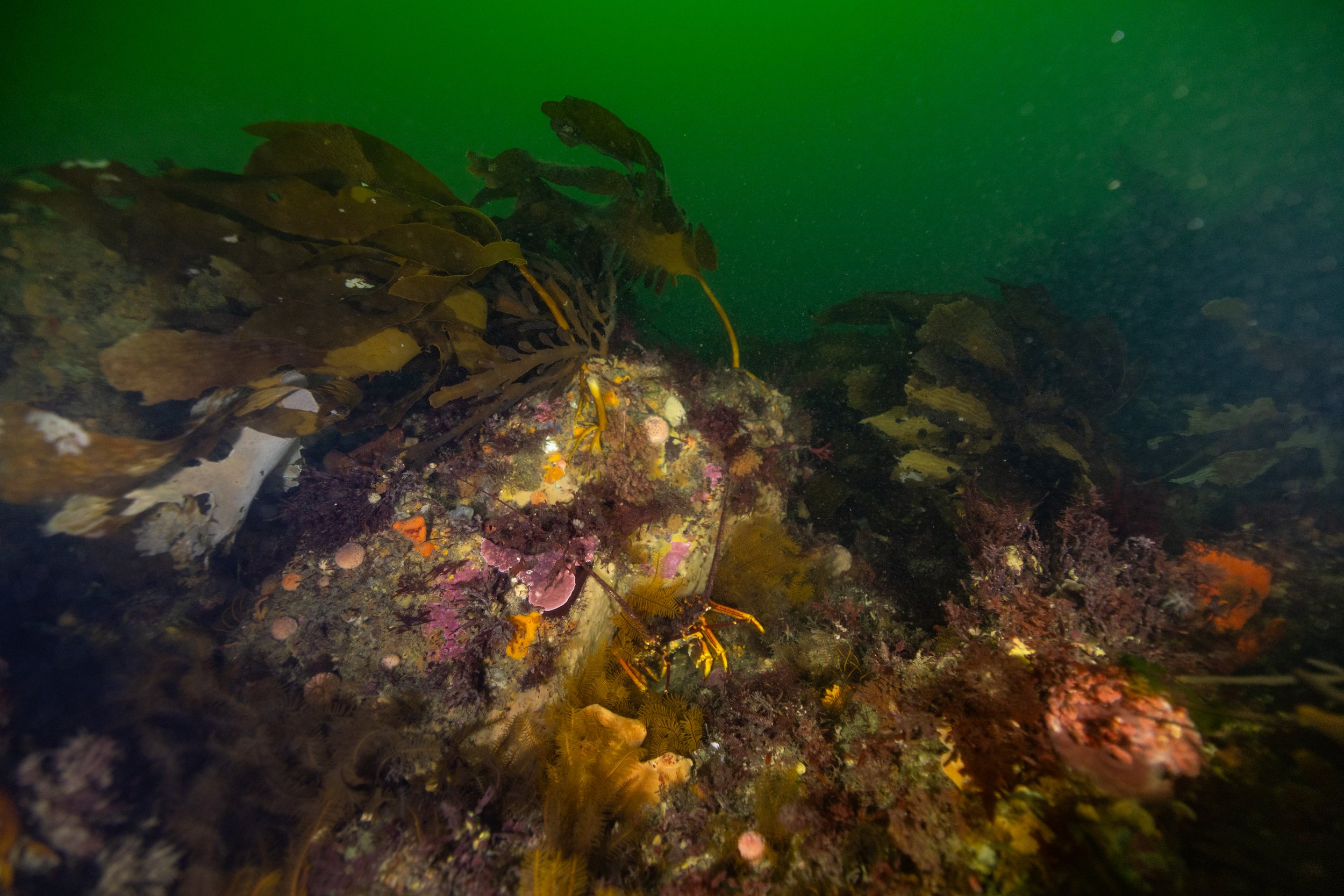
In 2010, extensive mats of tube-building marine worms, known as polychaetes, covered reefs through parts of the mid and upper survey area. At many surveyed sites between Bedlam Walls and Battery Point, the matting occupied almost all the reef surface at depths of roughly two to five metres.
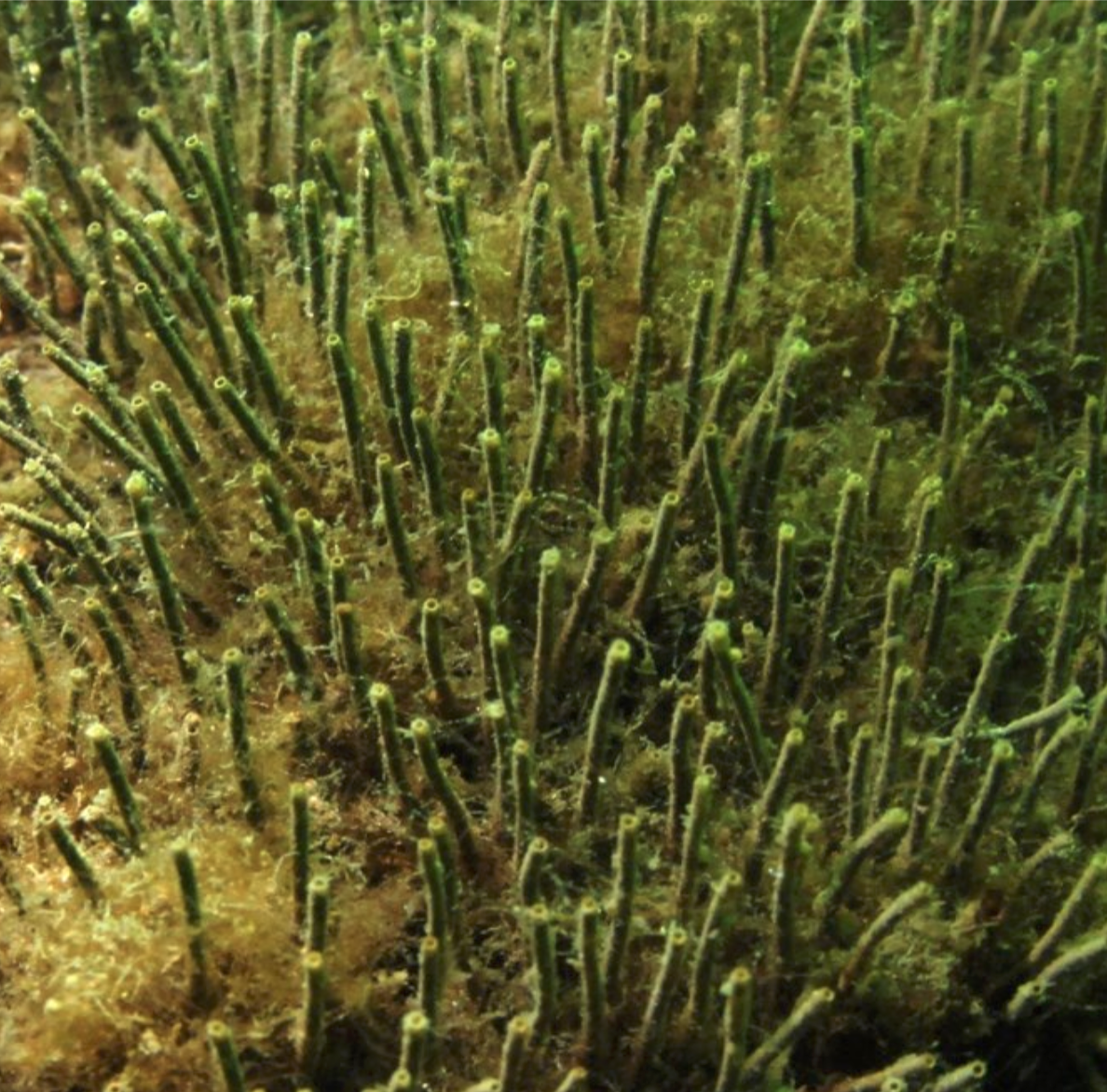
These mats trapped fine sediment and appeared to prevent seaweeds from establishing. Golden kelp, Ecklonia radiata, faced two barriers: a reef surface that offered little opportunity for young kelp to settle and grow, and limited light in the murky water.
From worm mats to seaweeds
Nev suspected this could be an “alternative stable state”, with the worm mats continuing to dominate for long periods while the estuary remained enriched with organic matter. As long as the estuary remained enriched with organic matter, the worms could continue to dominat
The repeat surveys showed a different outcome. The widespread matting had virtually disappeared, and seaweeds were occupying reefs that had previously supported little algal cover.
Kelp grows deeper and further upstream
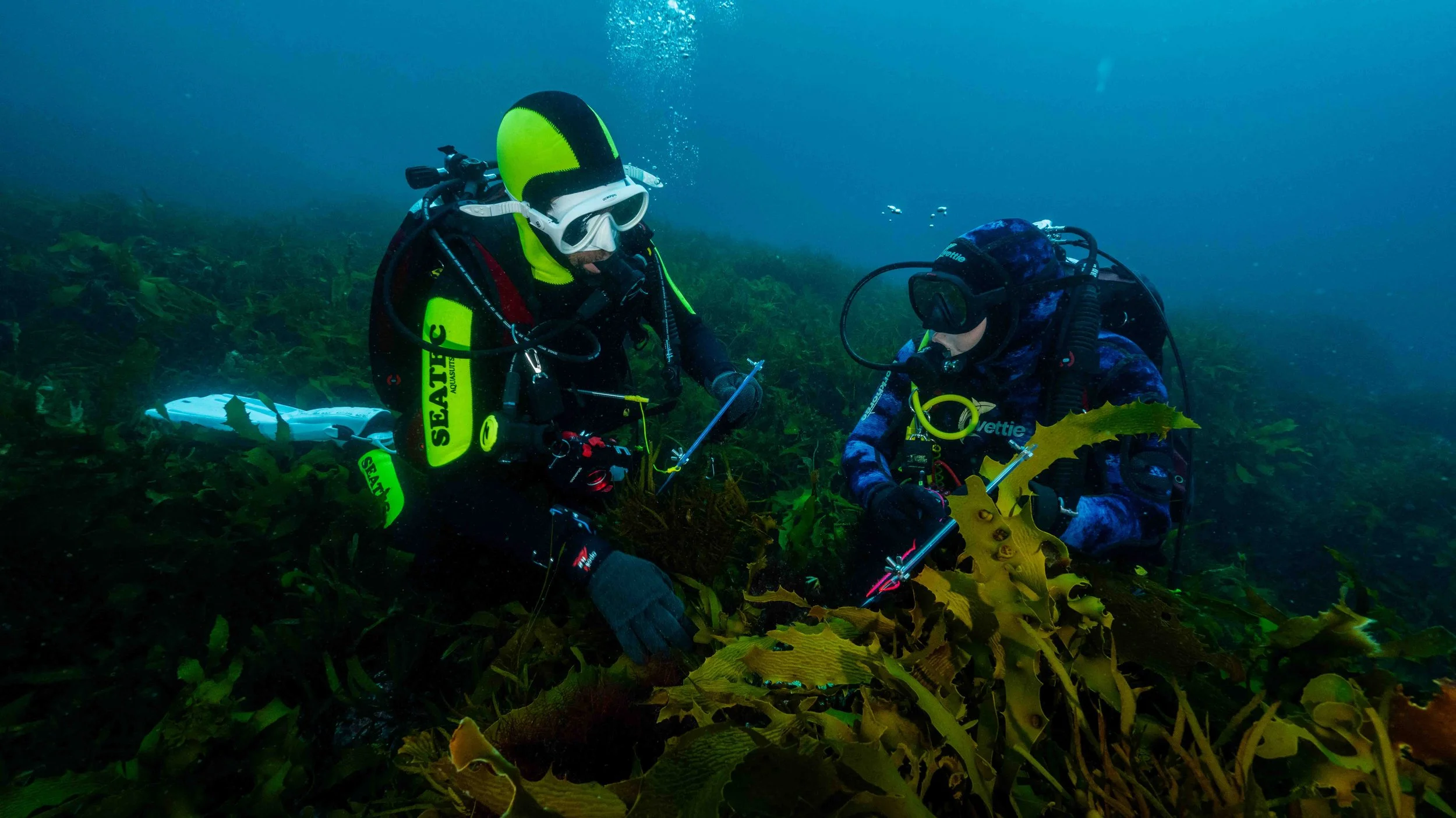
The changes were particularly clear around Rosny Point and Bellerive Bluff, where golden kelp increased markedly. At Rosny Point North, researchers recorded abundant kelp in the one to five metre depth band where they had recorded none in 2010.
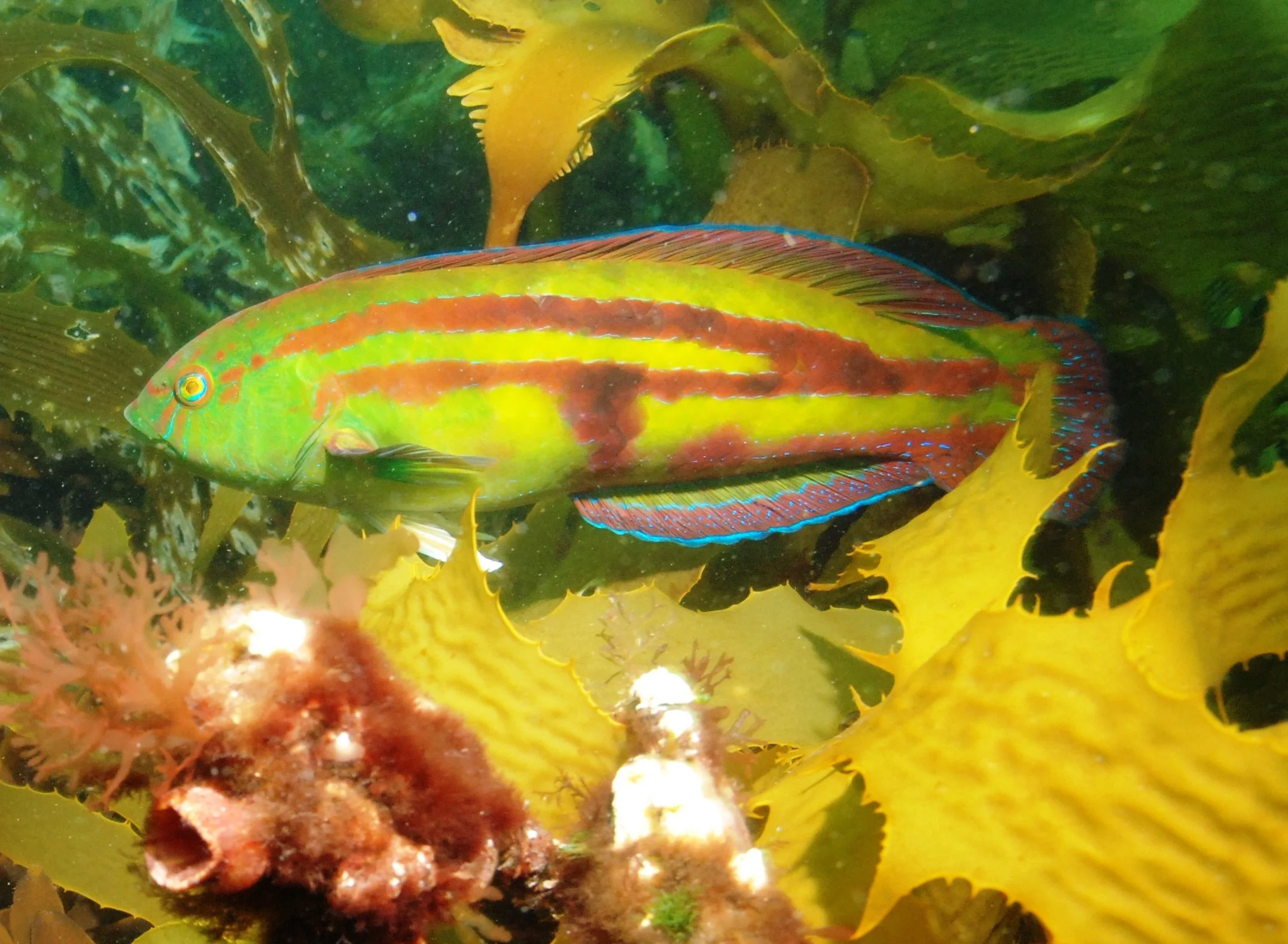
Further downstream, at Tranmere Point and The Grange in Taroona, kelp also appeared in the five to nine metre depth band where the earlier surveys had not recorded it. These observations point to an expansion of suitable kelp habitat at several sites.
Red seaweeds take hold
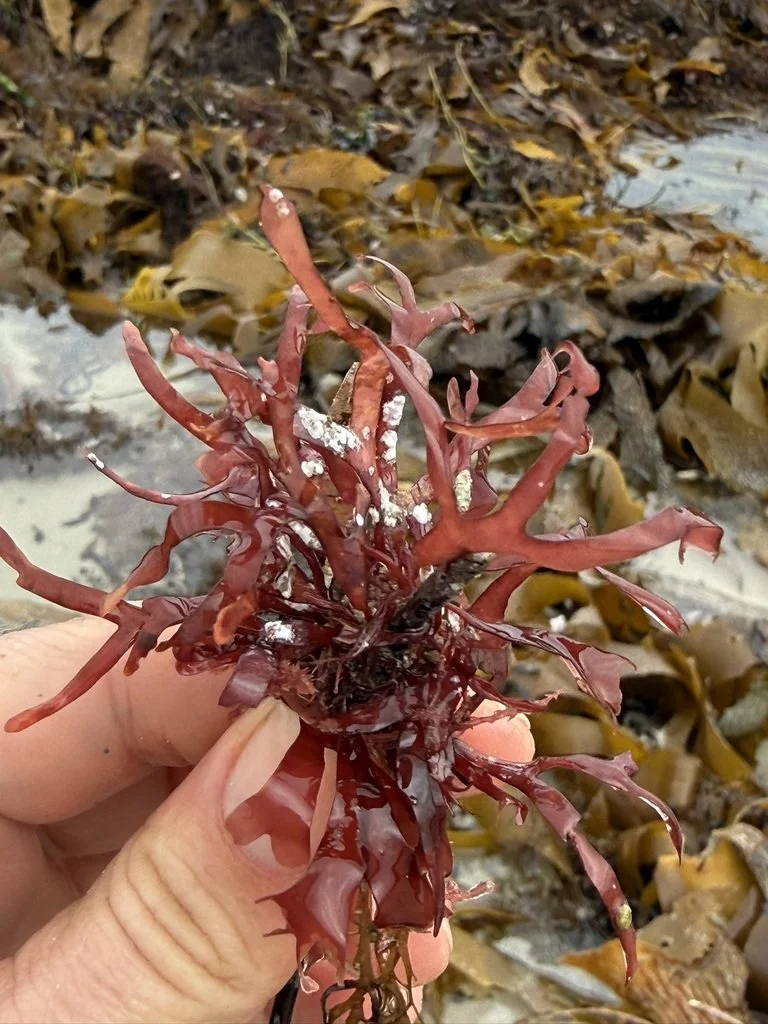
Rhodymenia leptophylla by kiviloo01 on iNaturalist. Red seaweeds changed too. Leaf-like forms, including Rhodymenia leptophylla, became prominent on reefs between Bedlam Walls and Rosny Point that the worm mats had previously covered. Across these areas, the change involved the structure and cover of the seaweed community, rather than a uniform increase in the number of species.
More light and space to grow
The authors interpret the disappearance of the mats and the expansion of kelp as signs that silt and organic enrichment may have declined at these reefs. Reduced sediment loading could make conditions less favourable for the worms, while clearer water would allow sunlight to reach deeper reef surfaces.
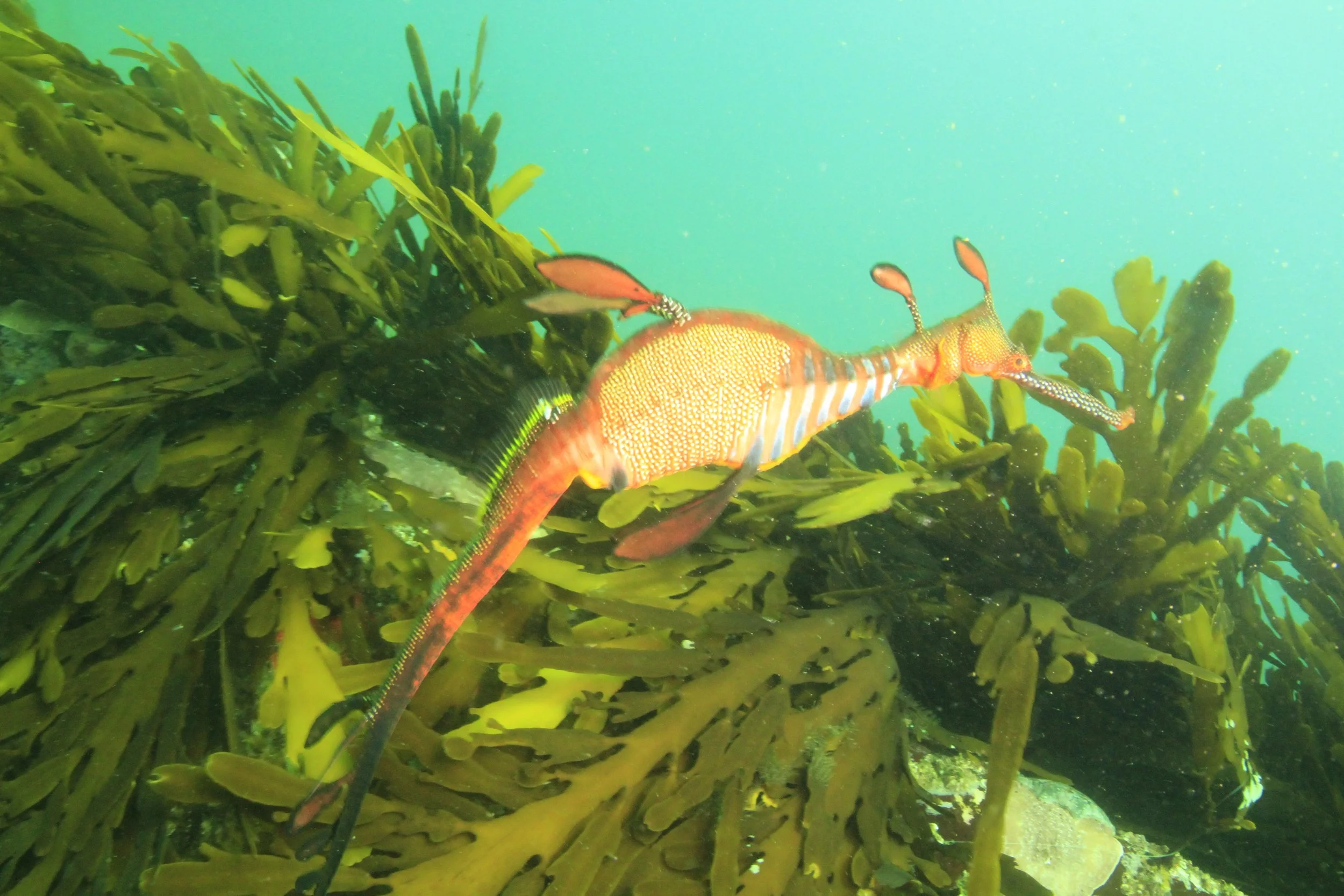
Golden kelp depends on light to grow. Its deeper distribution is consistent with improved light conditions, although the surveys do not directly establish what caused the change. The disappearance of the mats also appears to have freed reef surfaces for seaweeds to establish.
The surveys document these ecological changes, but do not establish a single cause. Estuaries respond to river flows, salinity, storms and local disturbance. The report suggests that the prolonged period without major flooding before the 2024 surveys may also have allowed some marine species to increase and spread upstream.
Taken together, the findings support an encouraging interpretation: conditions in parts of the Derwent have become more favourable for kelp, allowing recovery in places where it once seemed unlikely.
Recovery alongside continuing pressures
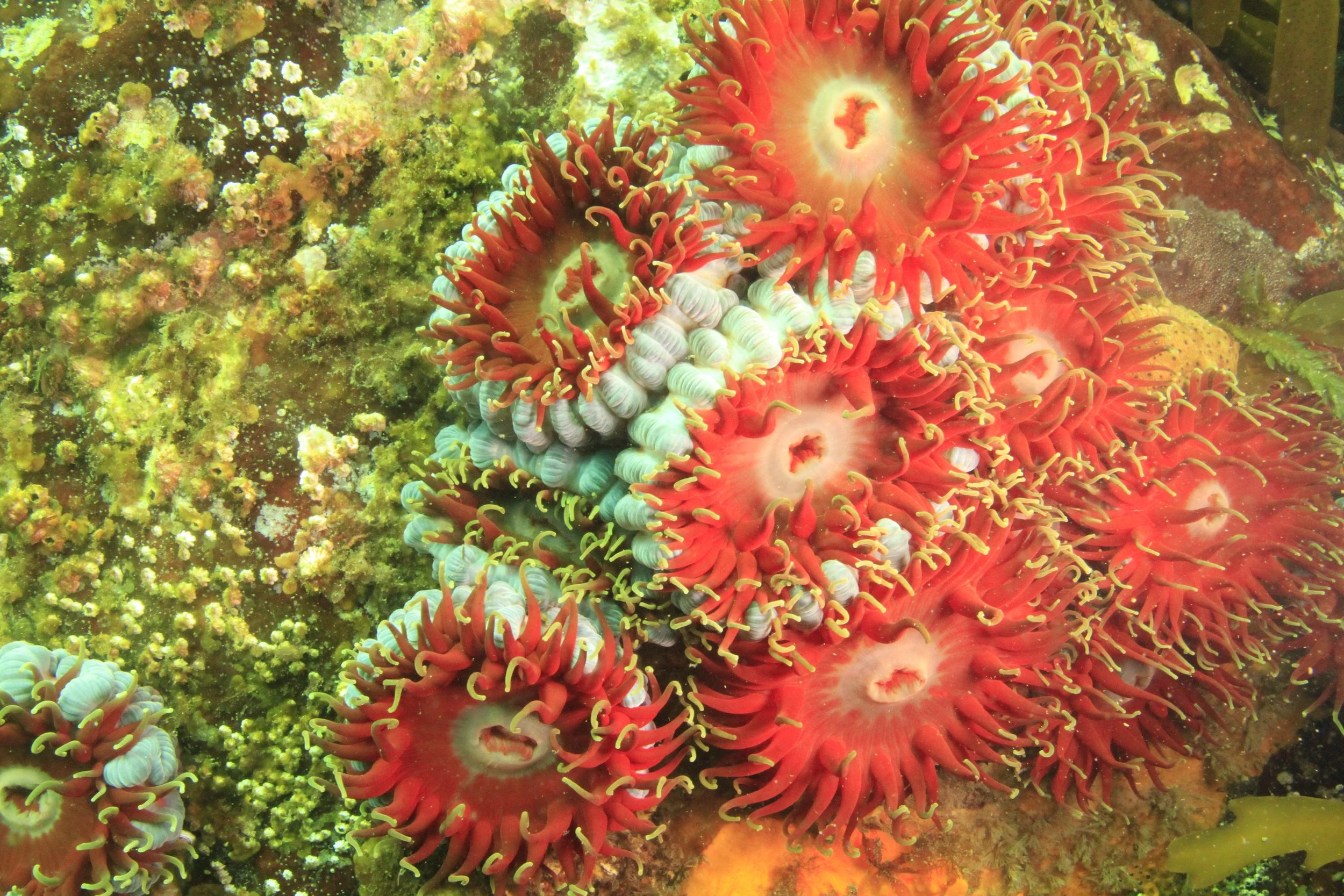
The kelp findings sit within a mixed picture for the estuary. Introduced seastars, including the northern Pacific seastar, increased in abundance.
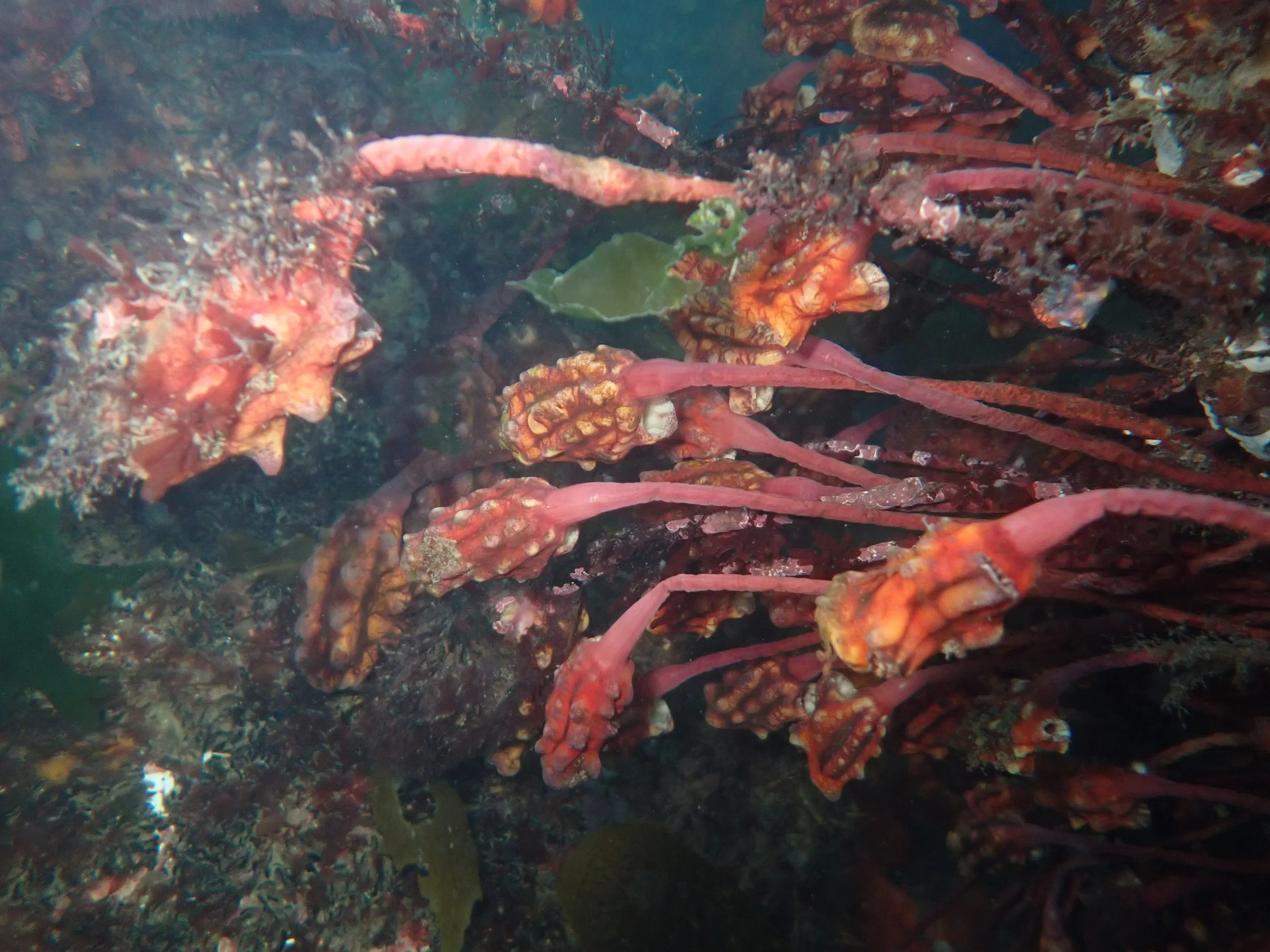
The introduced red seaweed Grateloupia turuturu, sometimes called devil’s tongue weed, also became much more abundant and spread further upstream, with conspicuous growth just below the waterline at many sites.
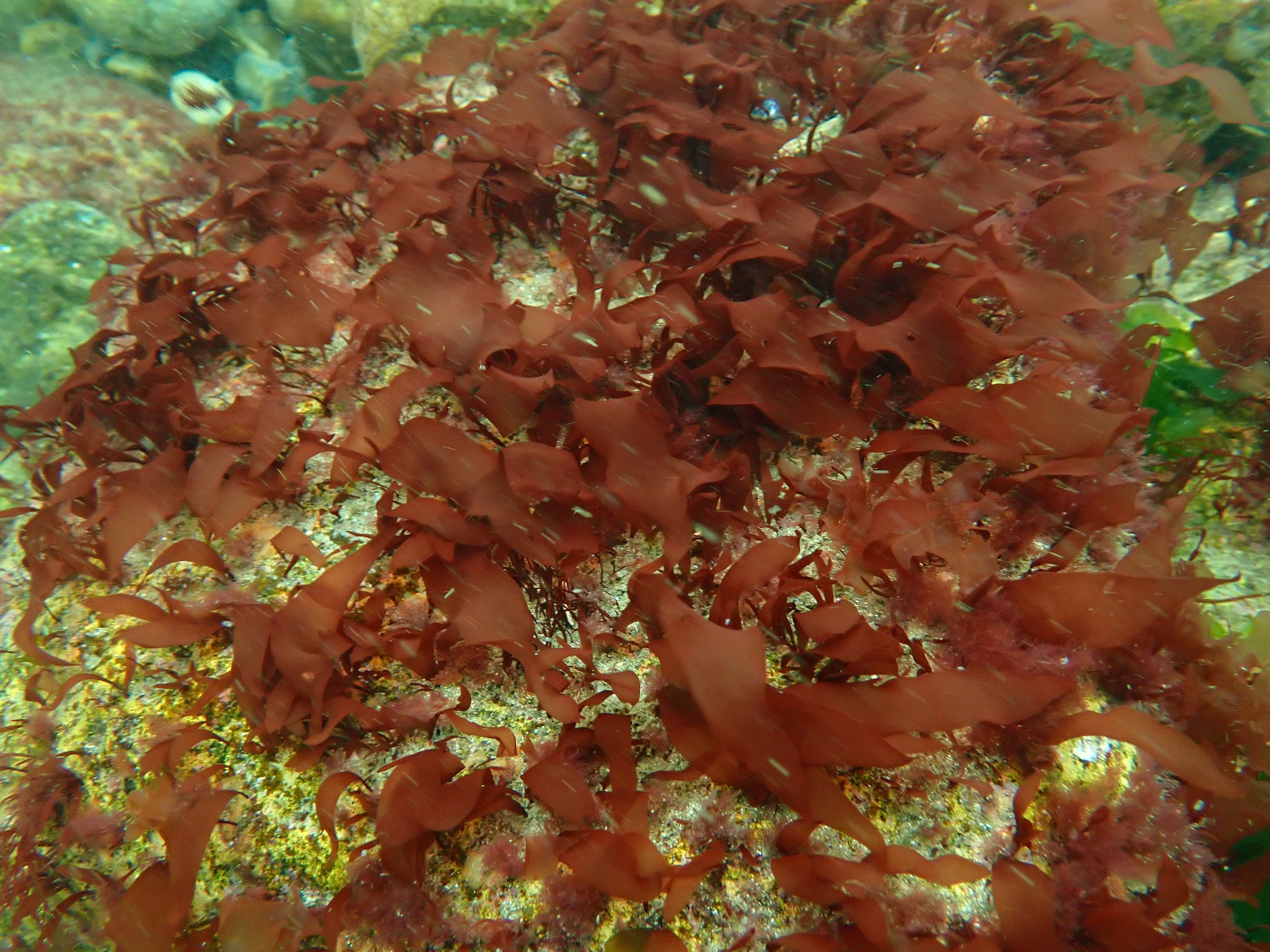
The authors reported no evidence of this seaweed displacing native species at the surveyed sites. That does not rule out future impacts, and its continued spread remains a reason to monitor these reefs.
TRACKING REEF CHANGE
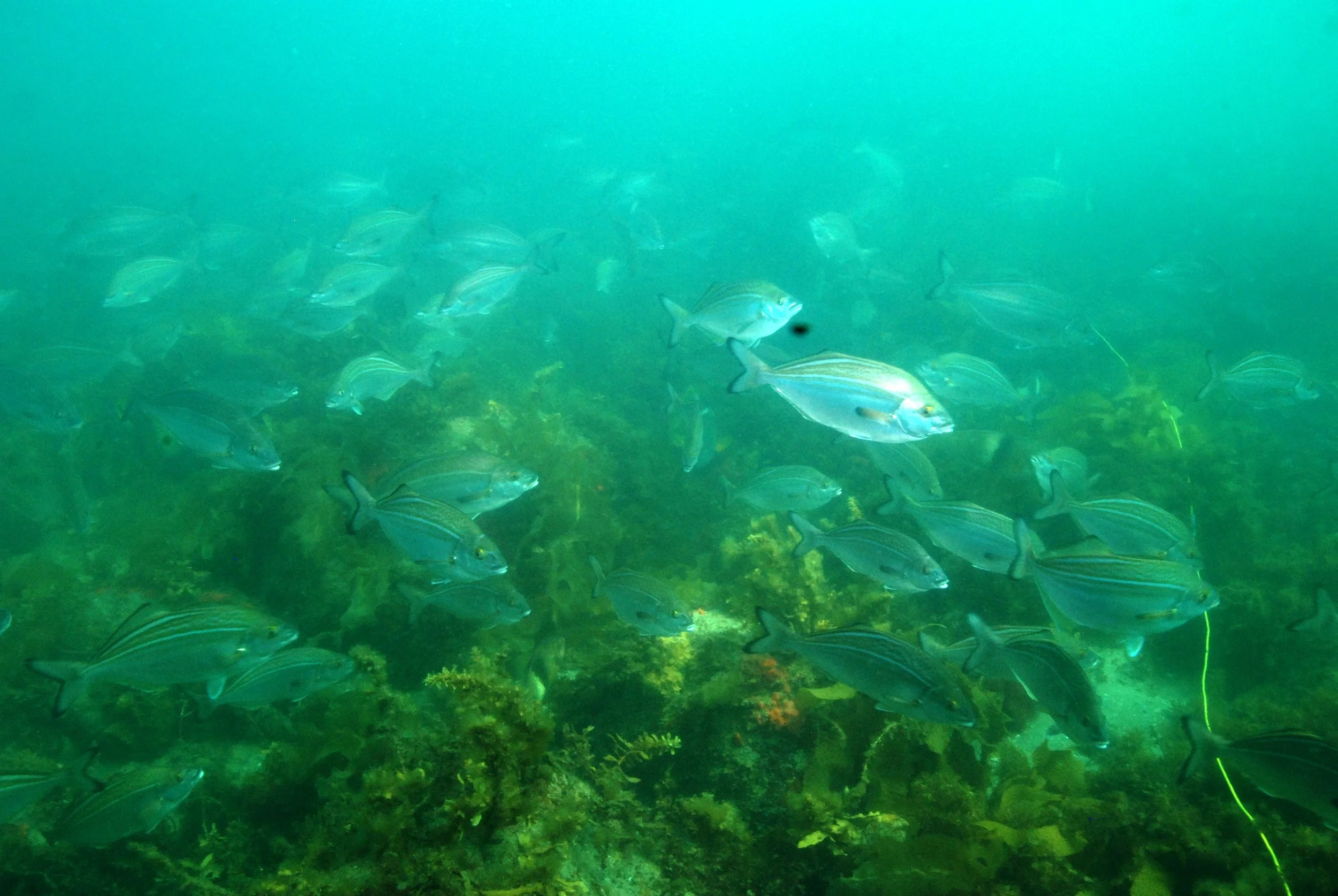
Some fish also declined. Researchers recorded a marked reduction in bastard trumpeter, a species previously found in resident schools on several reefs. The authors identify increased recreational spearfishing as a likely contributor to this decline, while noting that variable recruitment and survey visibility may also have influenced the results. They suggest that restricting spearfishing in some areas could help protect bastard trumpeter and improve opportunities for snorkelling and other recreation.
Returning to the same reefs
The study compared biodiversity across 27 sites using fixed transects and timed searches through different depths and habitats. Repeating the earlier methods allowed researchers to document changes that a single survey could not reveal.
Charlotte McAneney, Ashlee Bastiaansen and Neville Barrett prepared the report, with the Derwent Estuary Program initiating and funding the repeat survey and reporting. The work builds on the 2010 baseline, whose contributors included Graham Edgar, Elizabeth Oh and colleagues, supported through an ARC Linkage grant and a Caring for our Country grant to the program.
For the Great Southern Reef, the Derwent provides a useful example of kelp returning as local conditions change. Continued monitoring can show if these gains persist, how the animals associated with the reefs respond, and where management needs to focus next.
Join Our Community
Sign up to our monthly newsletter to receive the latest updates from around the GSR.
Continue Exploring
-
![]()
FAQ
Find clear answers about Australia’s temperate reefs, marine life, climate pressures, research and the work of the Great Southern Reef Foundation.
-
![]()
Kelp Forests
Kelp forests form the living foundation of the Great Southern Reef, creating food, shelter and nursery habitat for an extraordinary diversity of marine life.
-
![]()
Citizen Science
Get involved and help researchers better understand and protect the reef.