TASMANIA’S DEEP SHELF:
life beyond the kelp
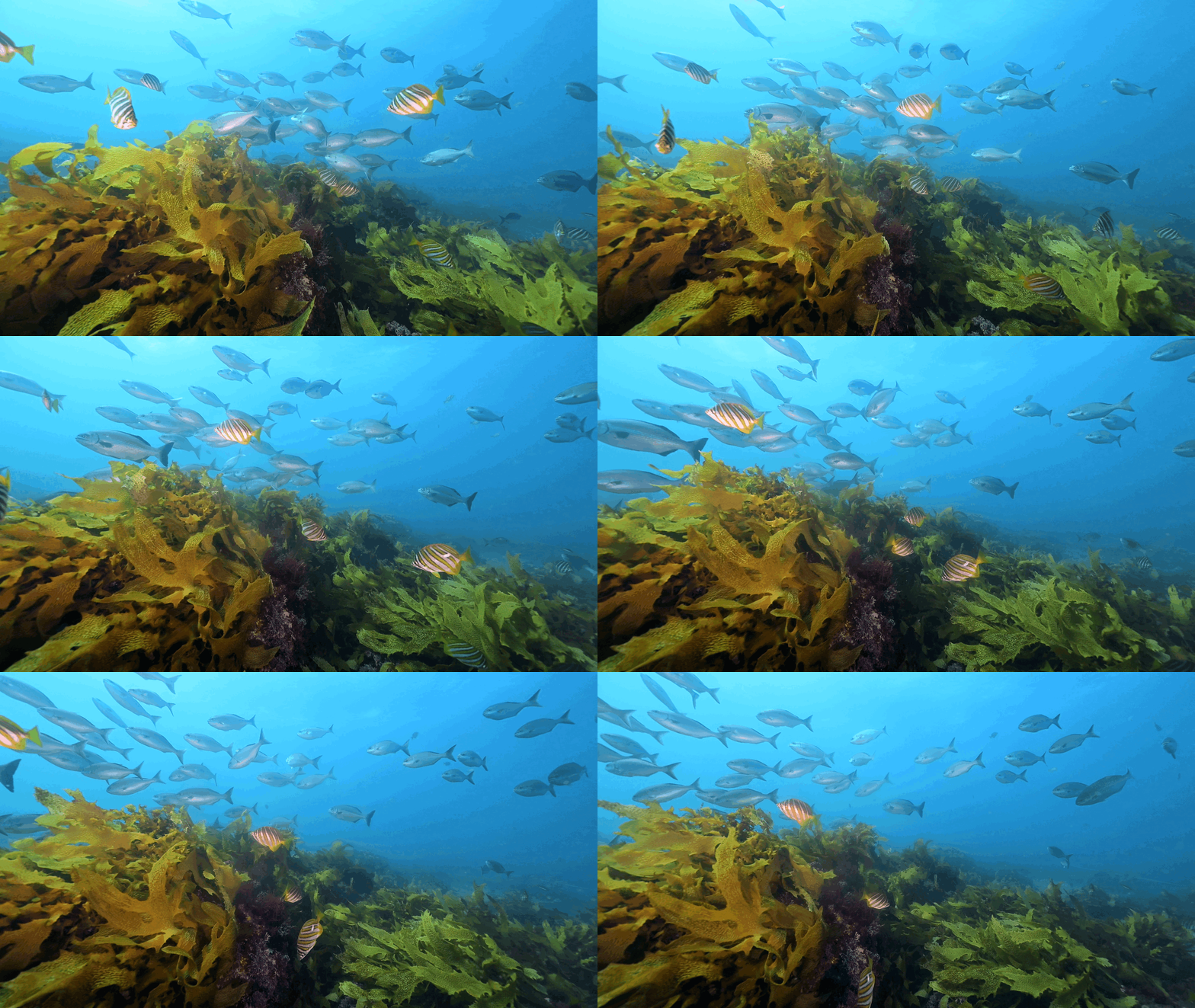
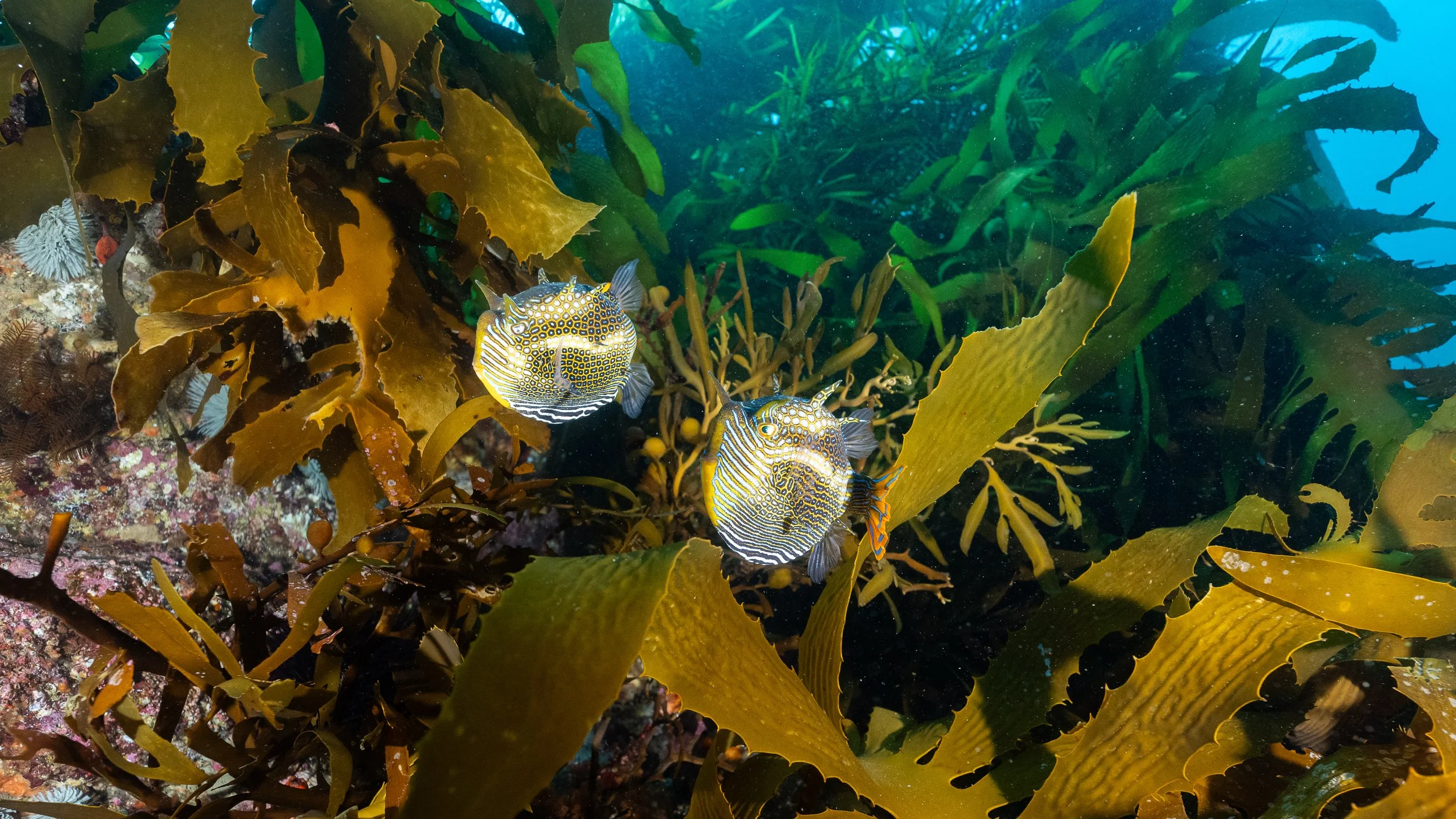
The Great Southern Reef is best known for the kelp forests fringing Australia’s southern coastline. But reef habitat does not end where the kelp disappears.
Far offshore, low limestone reefs and large rocky blocks rise from broad plains of sand and mud. West of King Island, this rarely seen terrain stretches across Tasmania’s continental shelf and through Zeehan Marine Park, one of 14 Australian Marine Parks forming the South-east Marine Parks Network.
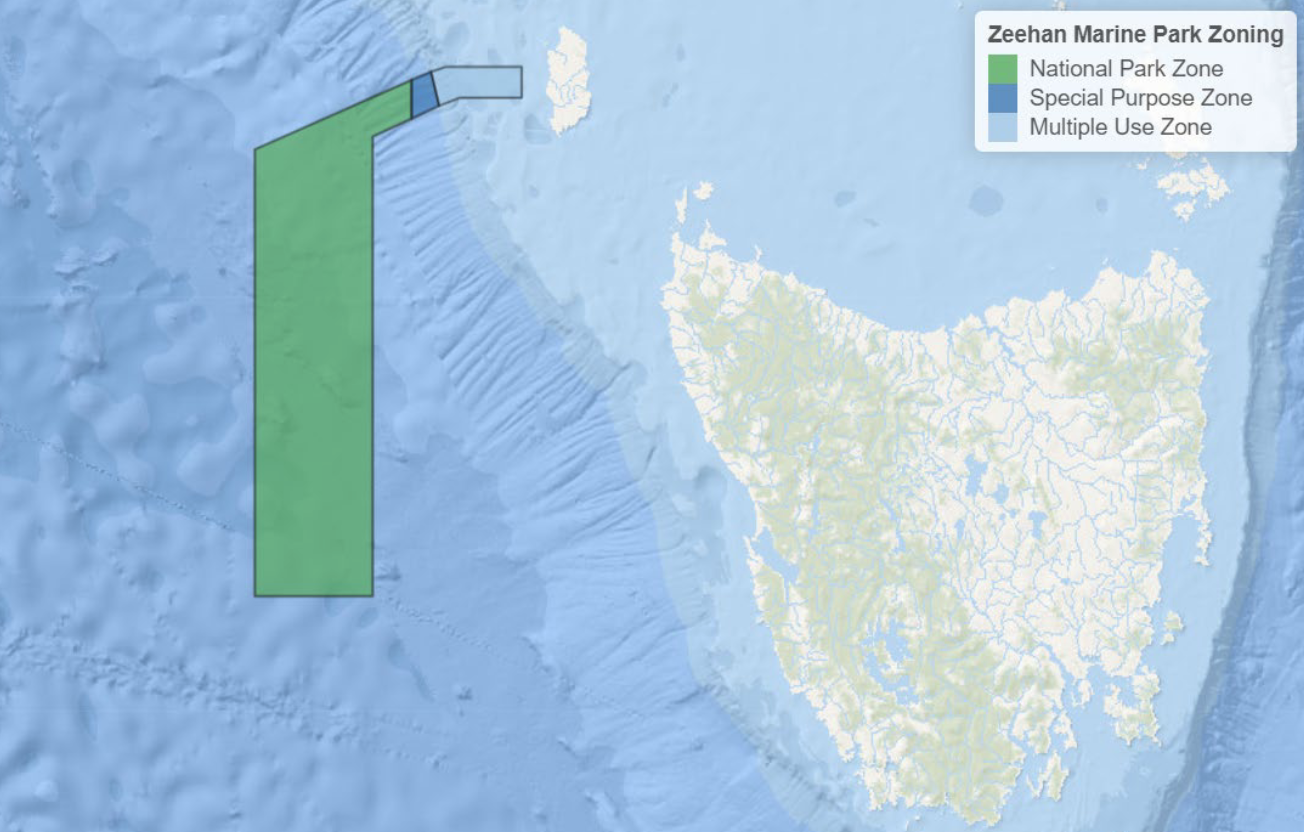
Earlier multibeam mapping and drop-camera surveys had revealed these deep shelf habitats. To find out what lives there, researchers lowered baited underwater cameras from their vessel, sending them through more than 200 metres of water to the seafloor.
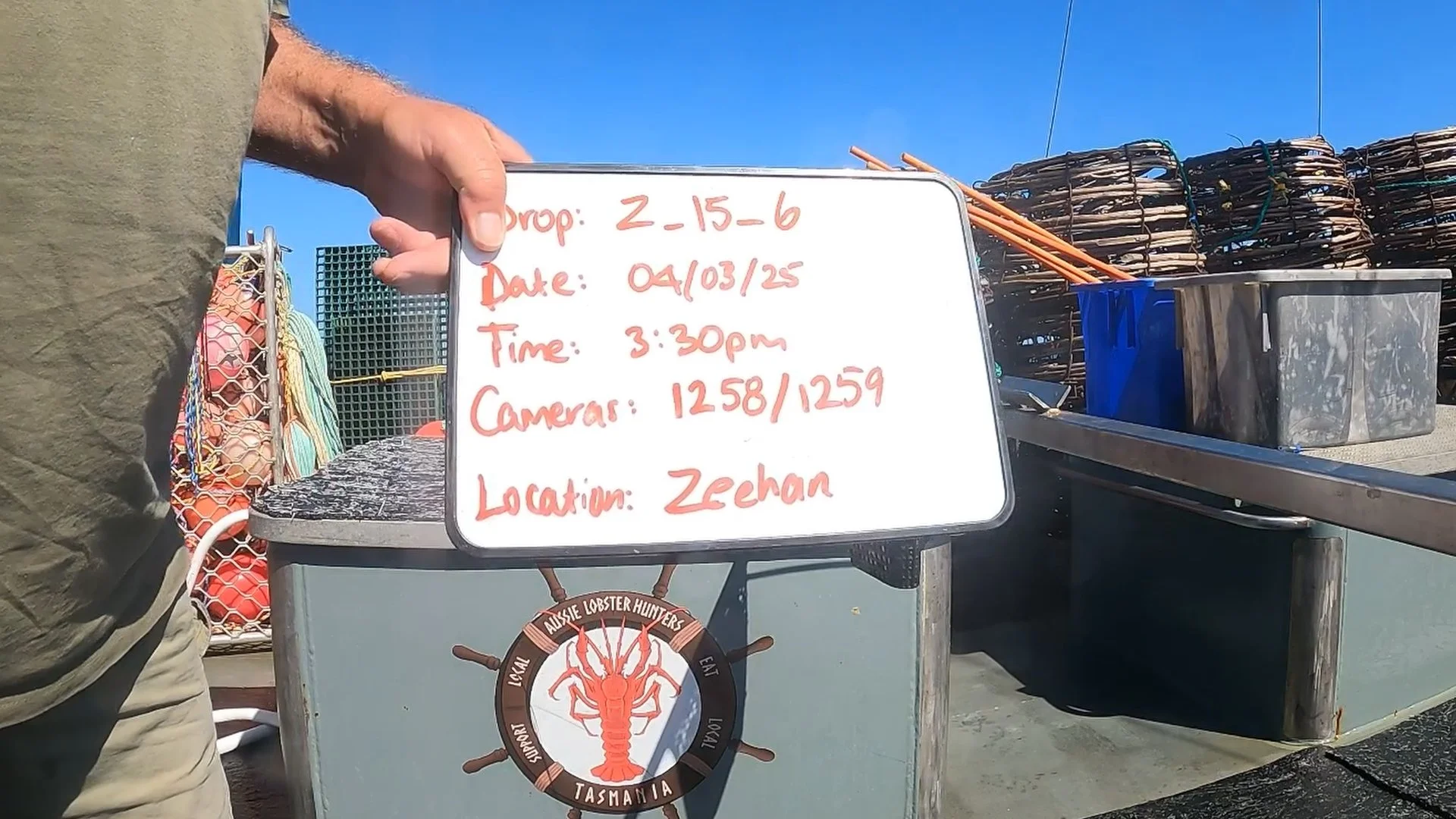
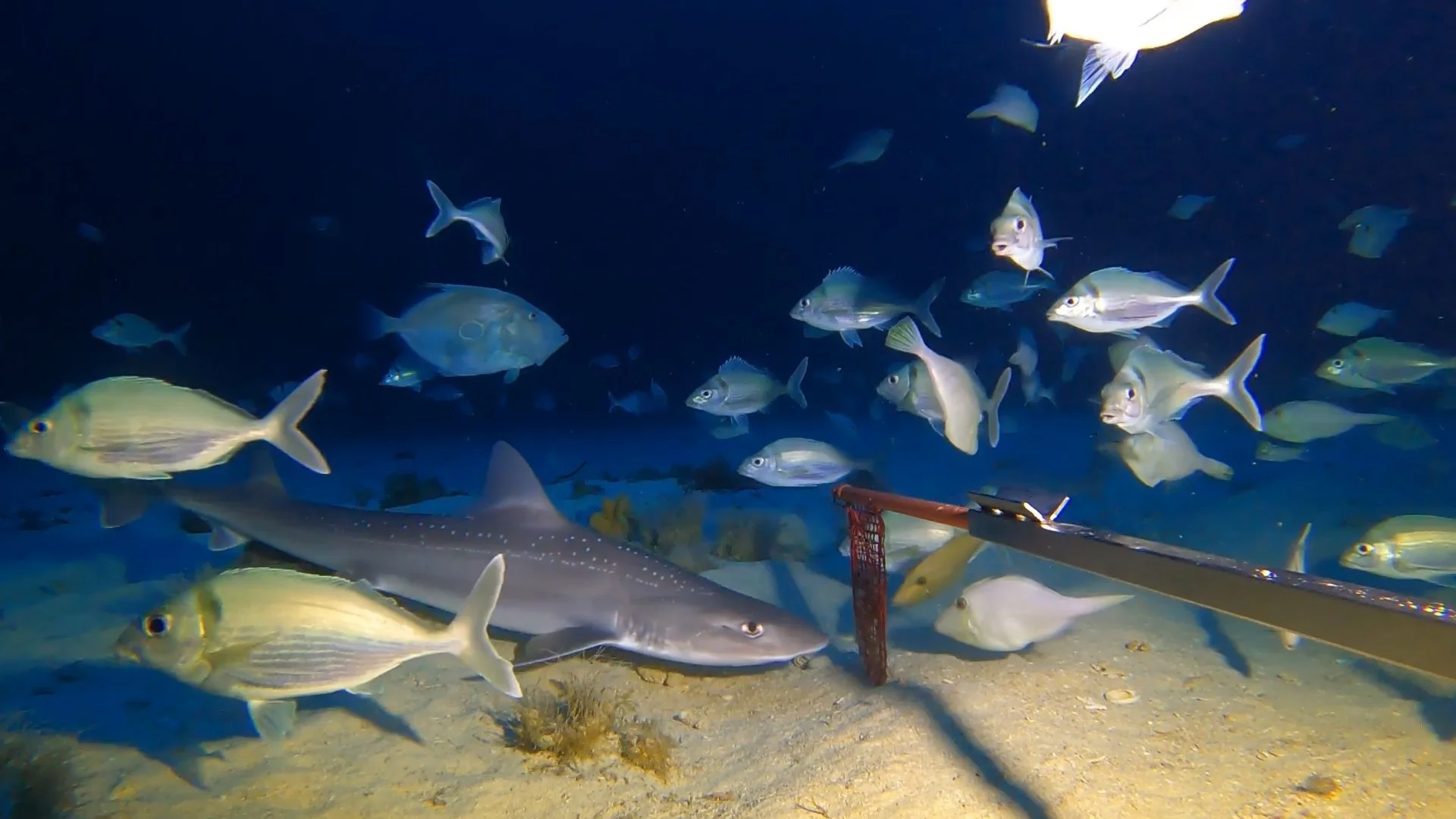
Deployment after deployment, the cameras landed across limestone reef, sand and mud, recording the fish that approached. After retrieving and reviewing footage from 292 successful deployments, the team had recorded nearly 27,000 fish observations from 65 species.
One species dominated the footage. Jackass morwong appeared in 94% of camera deployments and contributed the greatest estimated biomass of any fish recorded.
Using a spatially balanced survey design, researchers distributed the cameras across different depths and seabed habitats. Their analysis found that habitat and depth were the main factors shaping fish communities across the survey area.
"As we start to explore the wider shelf area in south-eastern Australia, we are finding that shelf reef habitats can extend well offshore, often to the shelf break and beyond. Every marine park we survey in this region has its own characteristic fish assemblages, and Zeehan was no exception.”
Associate Professor Neville Barrett, IMAS

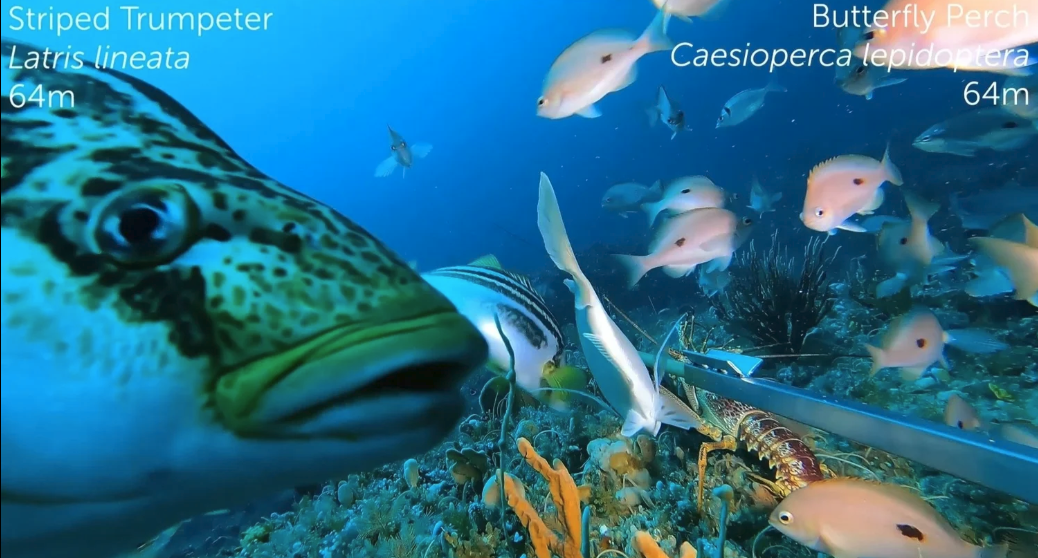
Reef-associated fish such as butterfly perch, ocean perch, striped trumpeter, wrasses and leatherjackets were more common around limestone reef and mixed habitats. Gummy sharks were most abundant over soft sediment on the middle shelf, while school sharks occurred across the wider survey area. Draughtboard sharks also appeared regularly.
Smaller exploratory potting surveys recorded southern rock lobsters and giant crabs around complex reef habitats and adjoining sediments on the outer shelf.
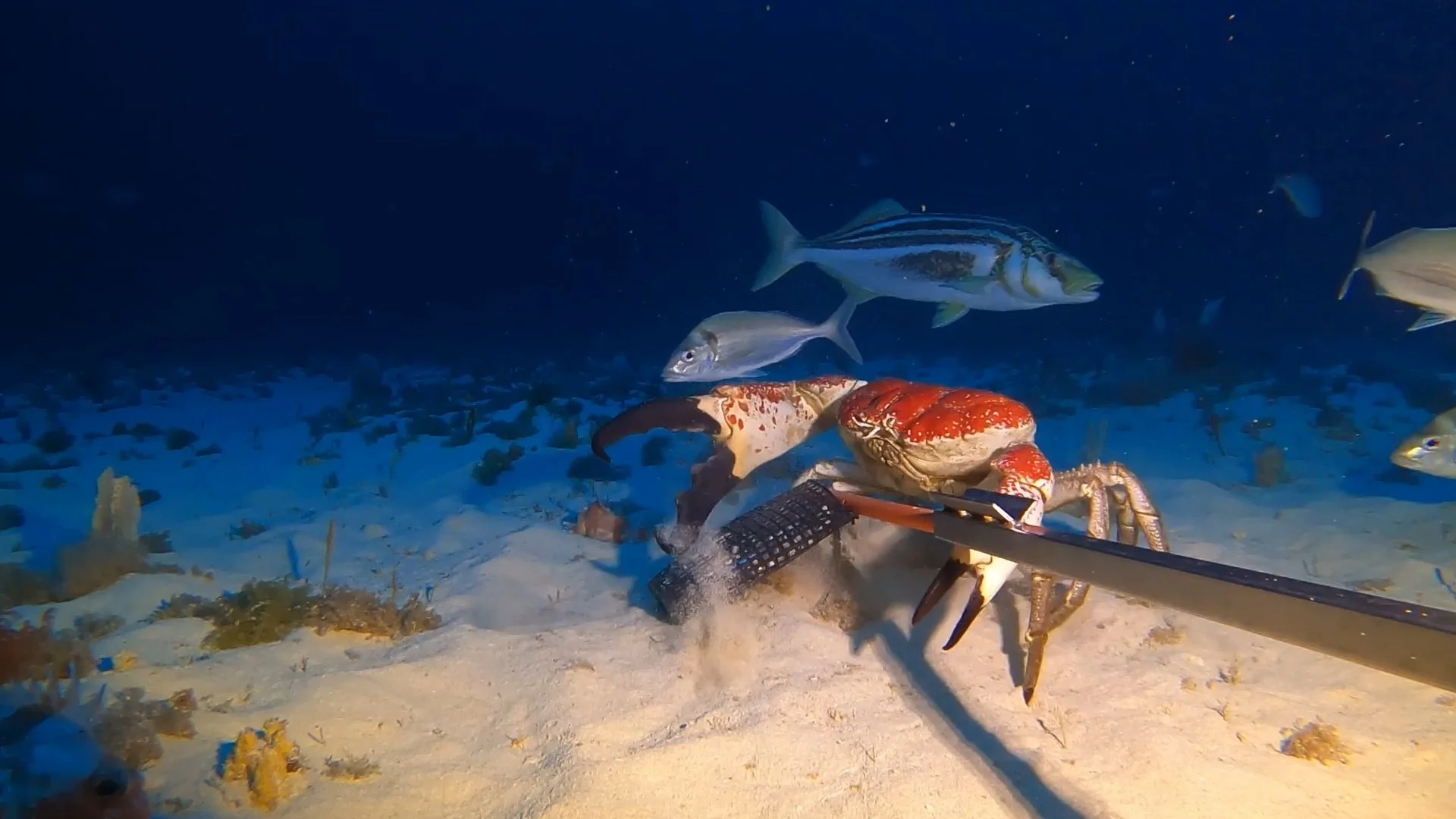
Retrieving the cameras was only part of the job. Back on shore, researchers worked through hundreds of hours of footage, identifying and counting fish, taking length measurements from calibrated stereo imagery and mapping where different species occurred. That painstaking analysis produced the first comprehensive quantitative picture of fish communities across Zeehan Marine Park’s deep shelf habitats.
It also created a baseline for future surveys, allowing researchers to track changes in fish abundance, body size and distribution within the park. These results will also contribute to monitoring and management across the wider South-east Marine Parks Network.
The research was undertaken by the Institute for Marine and Antarctic Studies for Parks Australia, with funding from the Australian Government’s Our Marine Parks Grants program.
All imagery on this page credit: IMAS, Parks Australia
Join Our Community
Sign up to our monthly newsletter to receive the latest updates from around the GSR.
you may also like
-
![]()
Squidle+, AI and Reef Monitoring
Squidle+ acts as shared infrastructure for marine science. It supports collaborative annotation, quality control between people and algorithms, map-based data exploration, integration with other portals, and the export of training data for machine learning.
-
![]()
Southeast Marine Park Network
When the South-east Marine Parks were first established, little was known about what lay beneath these remote waters. Two decades of research, supported by Parks Australia and the Marine Biodiversity Hubs, has built a much clearer picture of these ecosystems.
-
![]()
more ARTICLES
A deeper look at timely reef topics, stories and insights from science, community voices and coastal experiences.
-
![]()
VIDEOS
Check out our short films and clips about temperate reef life, research in action, community work and reef encounters across southern Australia.
-
![]()
FEATURE CREATORS
Each month we feature a creator from across the Great Southern Reef sharing their connection to the coast through photography, art and storytelling.