Emma Johnston and Her Lasting Impact
Honouring the life and legacy of Emma Johnston AO, a champion for Australian marine science.
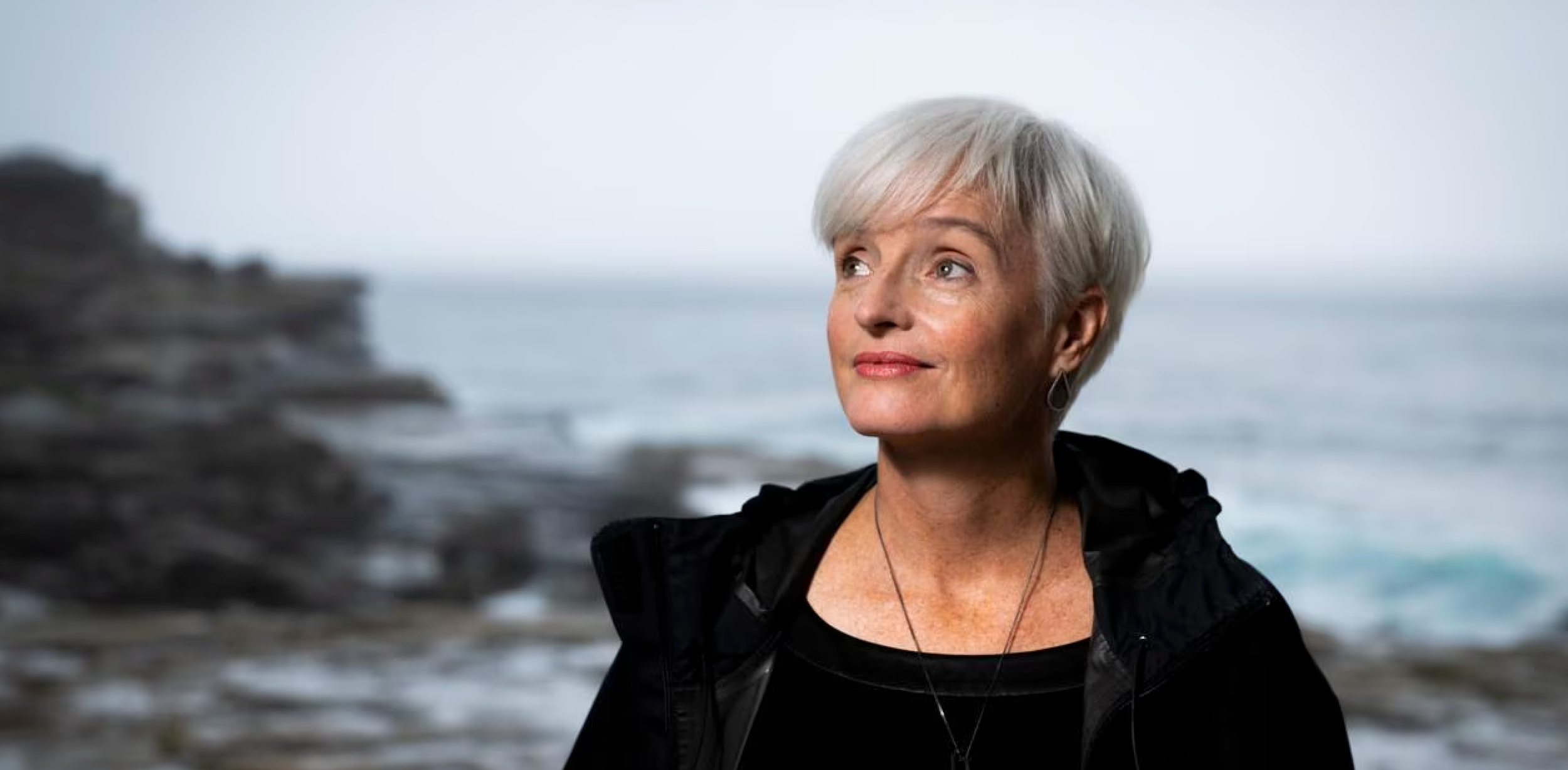
Emma Johnston, internationally renowned marine ecologist and Vice-Chancellor of the University of Melbourne, died last December aged 52 from complications of cancer. Emma was an exceptional champion for marine science in Australia, a visionary leader in higher education and an inspiring science communicator.
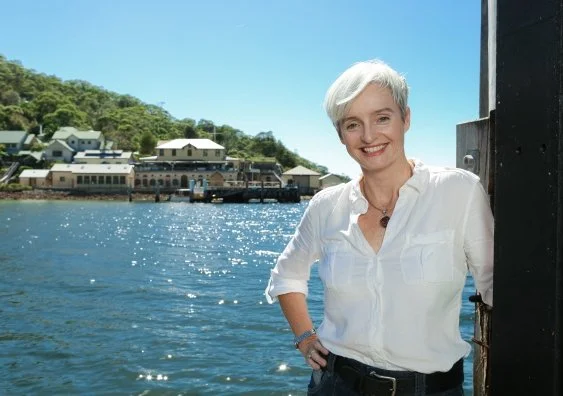
Emma’s legacy lives on in the institutions she shaped, the ecosystems she helped protect, the science she championed, and the many people she mentored and inspired. She was a powerful advocate for Australia’s temperate reefs and for the idea that good science must be rigorous, inclusive, collaborative and deeply connected to place.
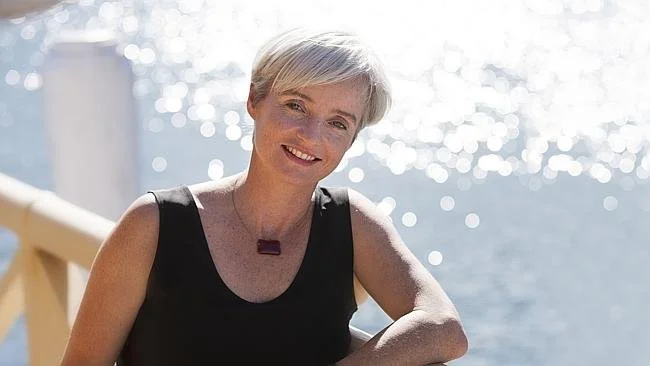
Studying Philosophy and Sociology of Science alongside Ecology at the University of Melbourne shaped the way Emma saw the world, giving her a lifelong appreciation for how knowledge is produced, communicated and used. She completed a PhD on the impact of metal pollution on ecosystem dynamics and subsequently joined the University of New South Wales as an Associate Lecturer.
She was based at the School of Biological, Earth and Environmental Sciences at UNSW for 21 years, where she established a vibrant research group, the Applied Marine Ecology and Ecotoxicology Lab. Her work bridged ecology, evolution and environmental management to tackle real-world problems, particularly around pollution, biological invasions and ecosystem resilience.
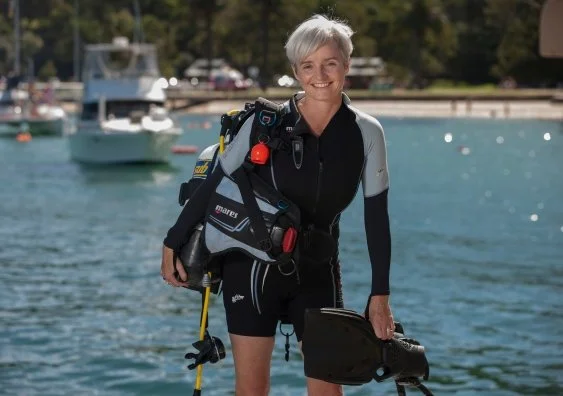
Her research reshaped understanding of how disturbed marine systems function and directly informed environmental policy across Australia and beyond. She supervised and mentored over 40 PhD students and postdoctoral fellows.
Beyond her scientific achievements, Emma was a visionary leader who built supportive, inclusive and highly collaborative research cultures. She rose through senior leadership roles to become Pro-Vice-Chancellor (Research) and Dean of Science at UNSW, Deputy Vice-Chancellor (Research) at the University of Sydney, and ultimately Vice-Chancellor of the University of Melbourne and its first female leader.
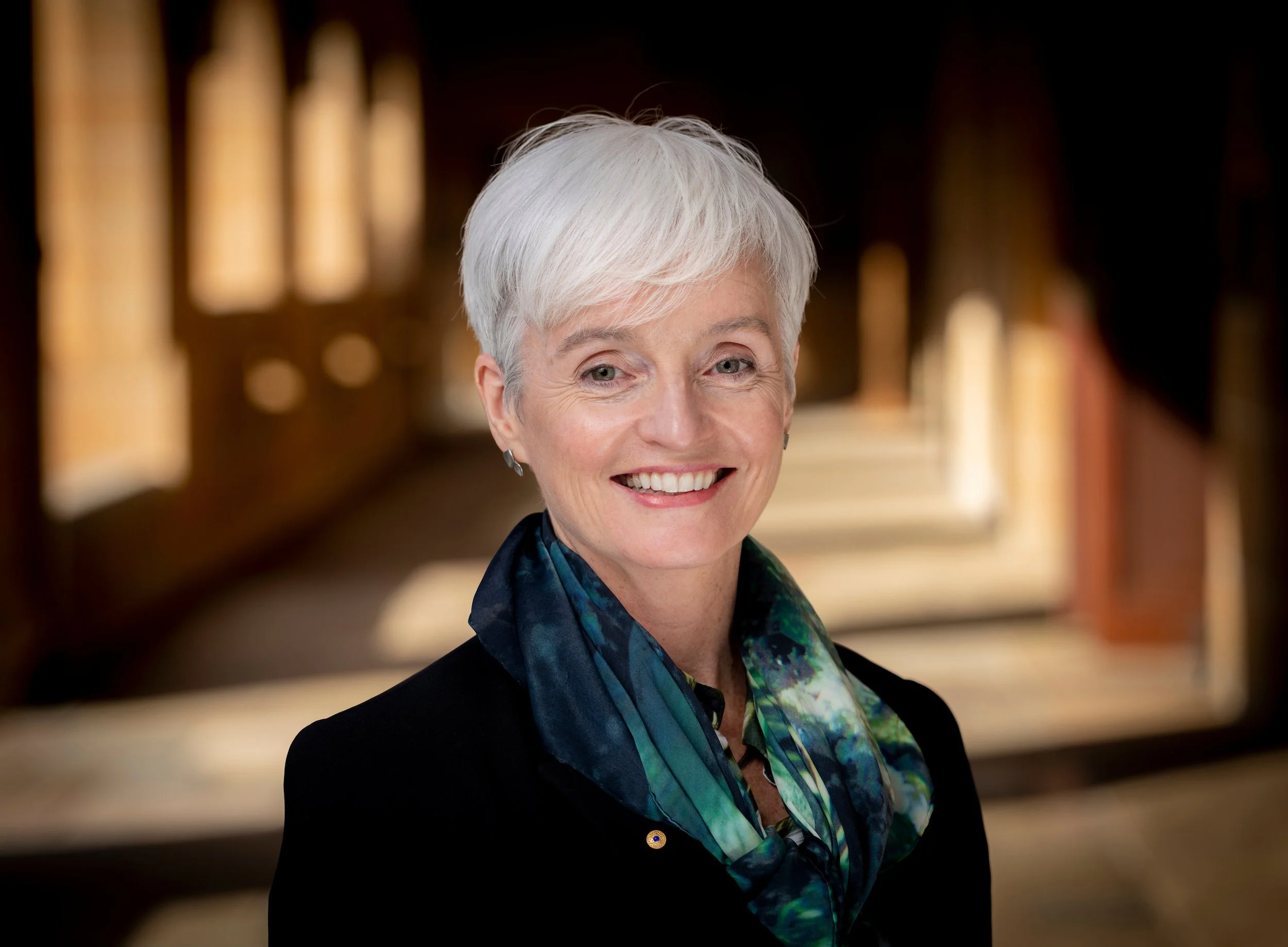
Her influence extended far beyond the university, helping to guide marine science and policy from tropical coral reefs to polar oceans through her work with the Great Barrier Reef Marine Park Authority and the Antarctic Science Foundation. She also served on the CSIRO Board and as a Governor of the Ian Potter Foundation. She played a major role in Australia’s State of the Environment reporting. As President of Science & Technology Australia, Emma was a powerful advocate for science and scientists, championing evidence-based decision-making and working to elevate diverse and trusted scientific voices in public life. In recognition of her contributions to marine ecology and higher education, she was appointed an Officer of the Order of Australia (AO) in 2018.
Alongside her extraordinary professional life, Emma was deeply devoted to her family. She shared her life with her partner Sam and was a proud mother to Amelia and Antonin, showing by example that a life of scientific leadership could coexist with a rich family life.
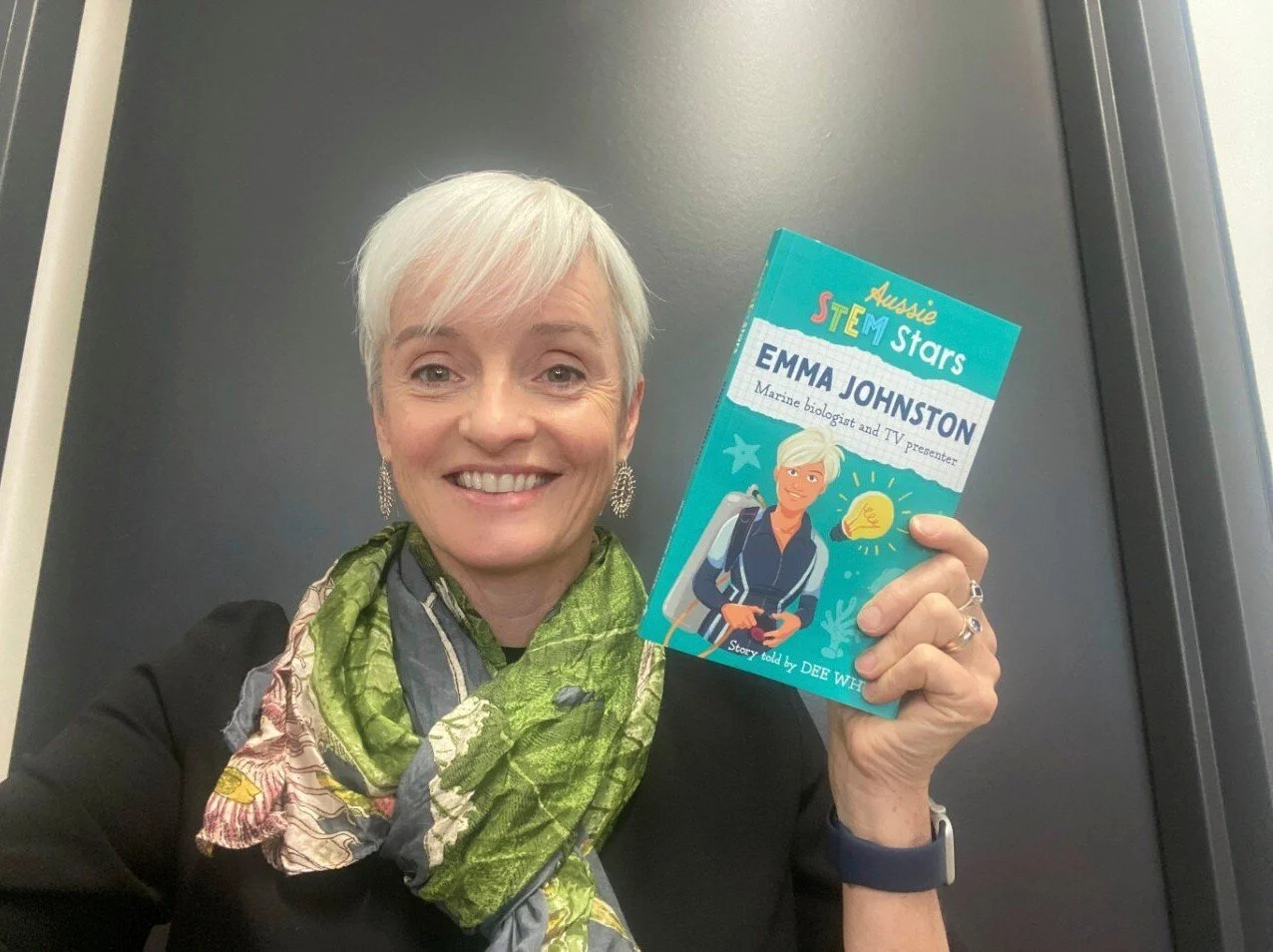
Emma believed deeply in the importance of taking research beyond academia. As a TV presenter on Coast Australia from 2012, she became a trusted and widely recognised public voice for marine science, filming in some of Australia’s most remote and challenging environments, from underwater sinkholes in the Limestone Coast to helicopter-accessed reefs in the Gulf of Carpentaria. Fully at ease both in the field and on screen, Emma had a remarkable ability to make complex marine science engaging, accessible and meaningful.
For the Great Southern Reef community, Emma will be remembered not only for her extraordinary contributions to marine science and leadership, but for her generosity, optimism and unwavering belief in the capacity of science, and scientists, to shape a better future for our oceans.
Article by Professor Adriana Verges. Image Credits: UNSW Sydney, Michael Amendolia, University of Sydney. 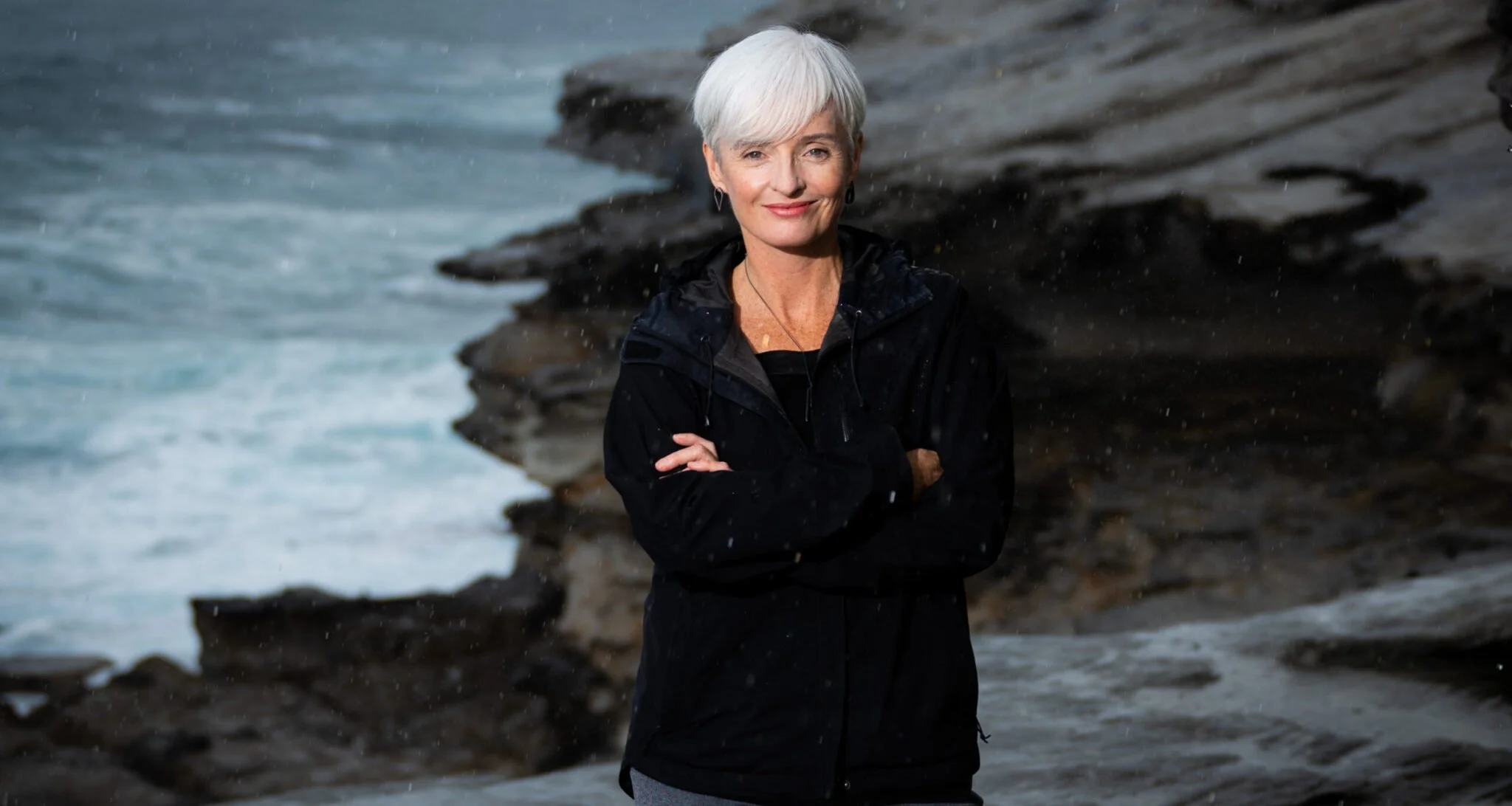
Sign up for our Great Southern Reef Foundation newsletter
CONNECT
-
![]()
GSR FAQ
What is the Great Southern Reef? What is unique about it? and how is climate change affecting it? Find out answers, ask your own question and more.
-
![]()
PARTNERS
Our partners help bring bold ideas to life. They power collaborations, support impact campaigns, and help share Great Southern Reef stories far and wide.
-
![]()
EDUCATOR HUB
Looking to deepen your knowledge on the rich biodiversity found in Australia's temperate reefs? This space is designed for you.
-
![]()
take action
Find ways to take part. Volunteer, join events, share reef stories and connect with communities around the Great Southern Reef.
-
![]()
contact us
Reach out with questions, ideas or feedback about reef stories, programs and partnerships.
-
![]()
host a screening
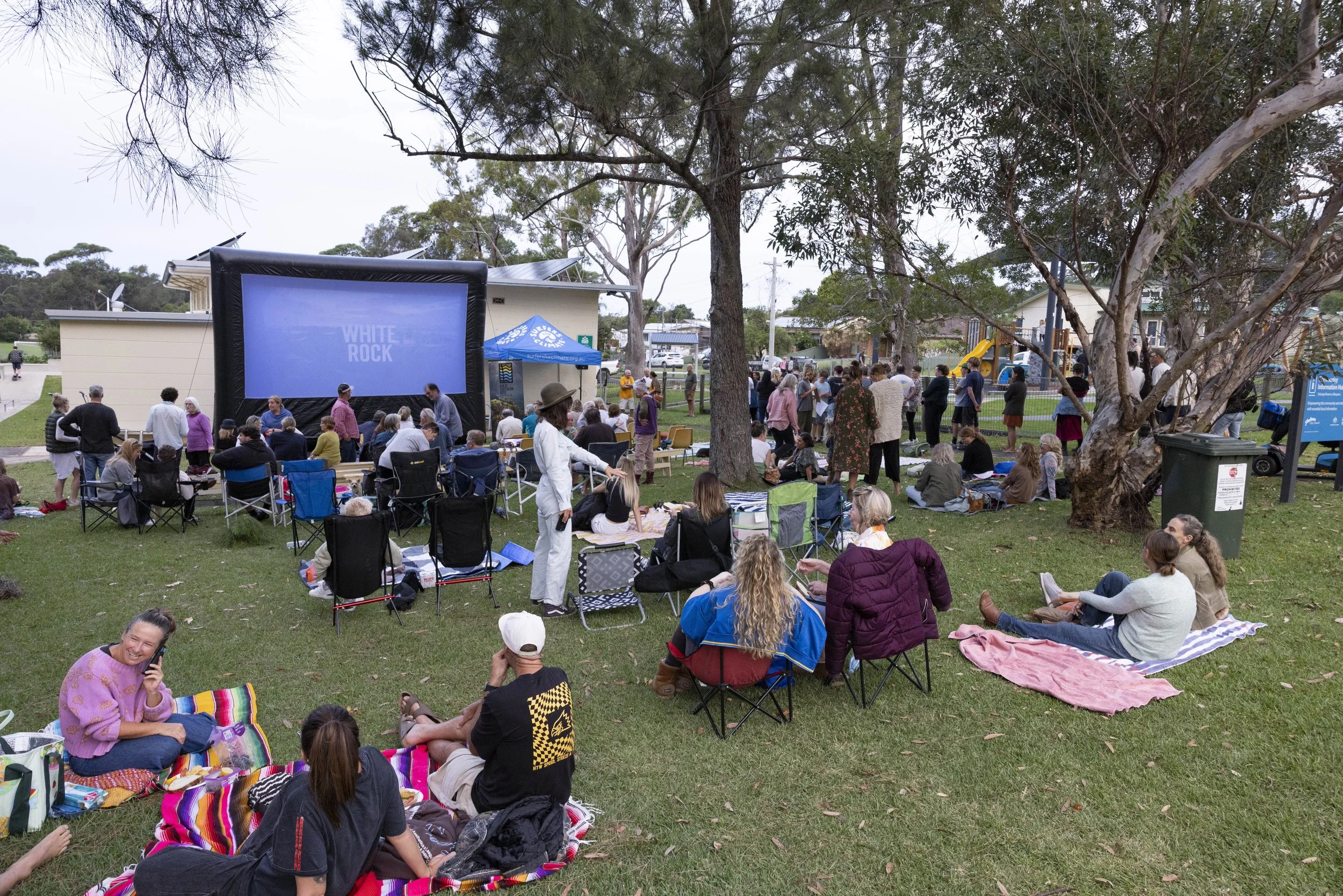
Host a White Rock screening with the Great Southern Reef Foundation. Bring communities together to watch the film, spark conversation and boost local reef engagement.
-
![]()
reef resilience showcase
Our Reef Resilience Photo & Art competition is live this summer in South Australia. We’re calling on divers, snorkellers, photographers, drone pilots, artists, and coastal travellers to share photos, video, and art showing what’s still thriving across SA’s reefs.