GREAT SOUTHERN
SEA COUNTRY
A reflection by Barngarla woman Emmalene Richards
As I stand looking at the image presented before me i feel myself caught by something deep and powerful. I cant help but keep staring deep into the detailed coastal designs, the lines, the colours the details all tell a story of the coastal Barngarla people. My eyes seek more and travel all over the wall its canvas of creativity.
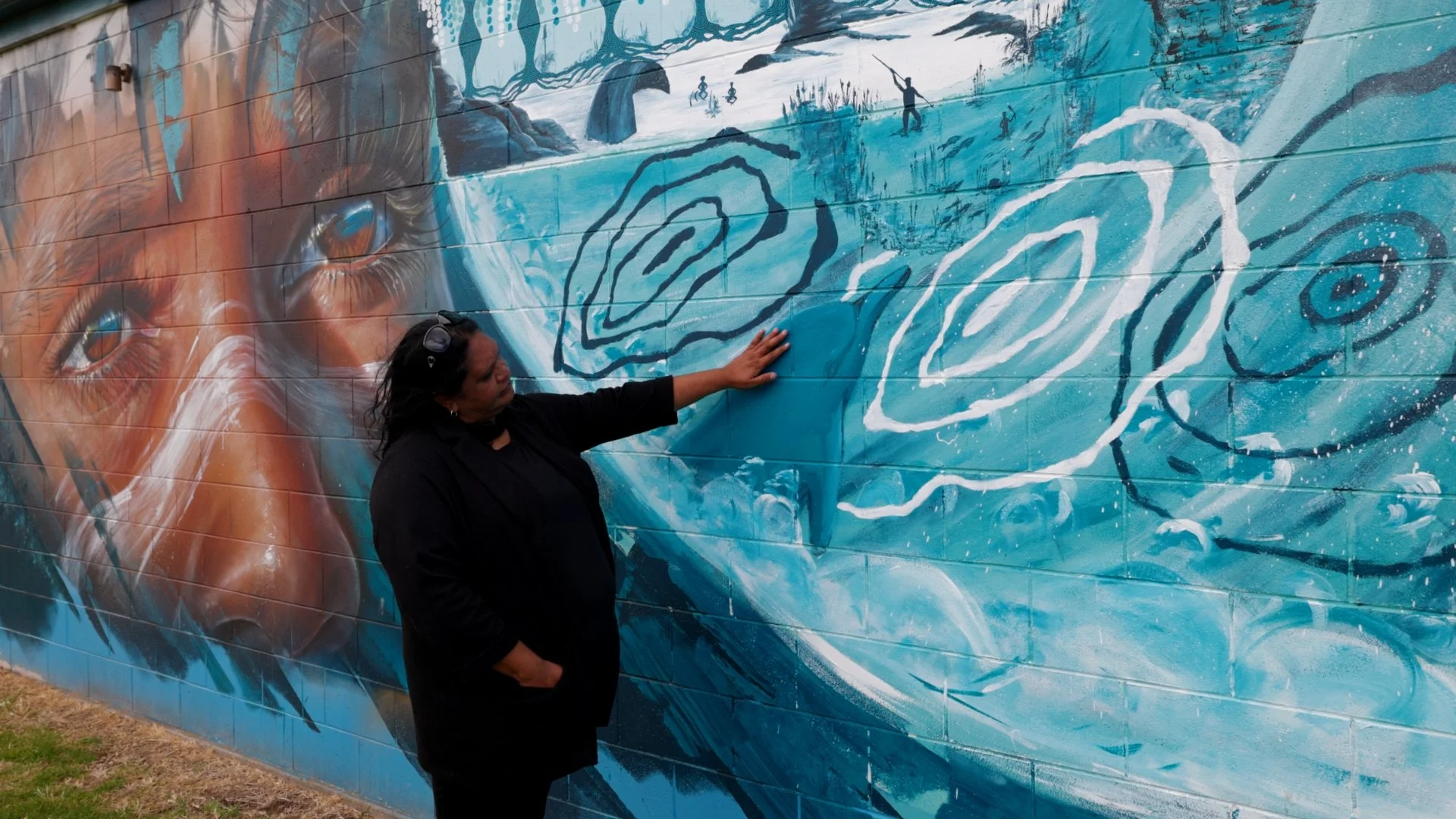
This magnificent mural is the artwork of local female Barngarla artist Vera Richards and the well known amazing mural artist Adate, this is the result of a collaboration of 2 artistic minds from 2 different worlds that came together to create one of the murals for the Colour me Tumby event in Tumby Bay in regional South Australia . This beautiful masterpiece highlights the coastal Barngarla people and their cultural connections to the Great Southern Seacountry.

My name is Emmalene Richards and I am a direct descendant of the traditional Barngarla people of the Eyre Peninsula.
As a descendant or many many generations since the beginning of time First Nations traditional peoples of the coastlines around Australia have always had a deep, meaningful, connection to the Ocean. The Sea is old and ancient and its spiritual saltwater essence demands respects have naturally embraced their cultural obligations and responsibilities of caring for their coastal Sea Country and all that connects to the ancient Saltwater of the Seas.
Cultural Obligations, Responsibilities, and Deep Connections to Sea Country
For Southern Sea Country Aboriginal peoples, the coastline, reefs, islands, estuaries, and open waters are far more than geographical features - they are living, breathing places woven into identity, kinship, and cultural law. Sea Country is understood as an ancestral realm shaped by creation stories and cared for through generations of sustained cultural practice. It holds the memories of Elders, the teachings of Ancestors, and the spiritual energies that guide present and future custodians.
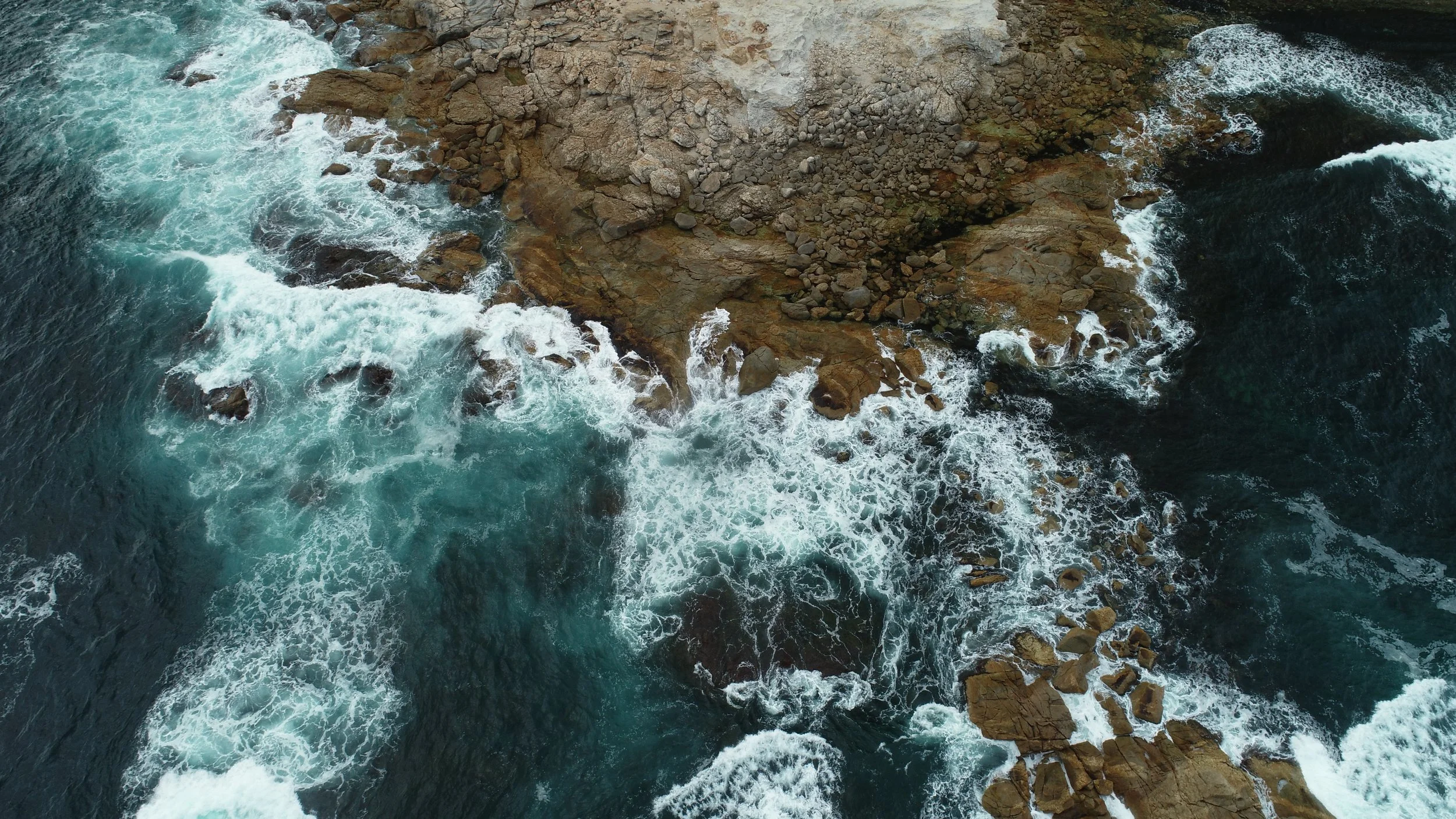
As a descendant of the Barngarla people one of the many Southern First Nations Saltwater tribal groups whose lineage stretches back many, many generations - our connection to the coastline and the waters that surround this country remains strong and enduring. Along every shore of Australia, Traditional Owners have always held a deep and meaningful relationship with the Ocean. The Sea is ancient; its saltwater spirit is powerful, old, and alive. It demands respect and carries the wisdom of countless generations.
Today, Southern Sea Country Aboriginal communities continue to assert their rights and cultural authority as Traditional Owners. Through partnerships, cultural mapping, ranger programs, and community-led management, they are revitalising knowledge systems and ensuring that the health of Sea Country remains at the heart of decision-making. Their connection to the ocean is ongoing, resilient, and grounded in thousands of years of custodianship.
Sea Country Peoples: Sharing Culture, Heritage, and Language Through the Power of Art

Across the vast coastlines of Australia, Sea Country peoples hold an unbroken relationship with the ocean that stretches back to the beginning of time. Saltwater first nations communities identities are deeply connected to saltwater, tides, reefs, dunes, islands, and estuaries,
Sea Country is not separate from everyday life, it is inseparable from who they are. It is an spiritual ancestor, a teacher, a provider, and a keeper of stories, food source.
Today, many First Nations artists, cultural practitioners, and community leaders are turning to the arts as a powerful way to continue and expand the sharing of these deep connections. Art has become an essential tool for safeguarding cultural heritage, revitalizing language, and ensuring that younger generations can see, feel, and hear the stories of their Sea Country.
A Living Connection to Saltwater Country
For Southern Coastal and other Saltwater peoples, the Sea is ancient and alive. Its rhythms have guided navigation, harvesting practices, seasonal movements, storytelling, ceremony, and song for countless generations.
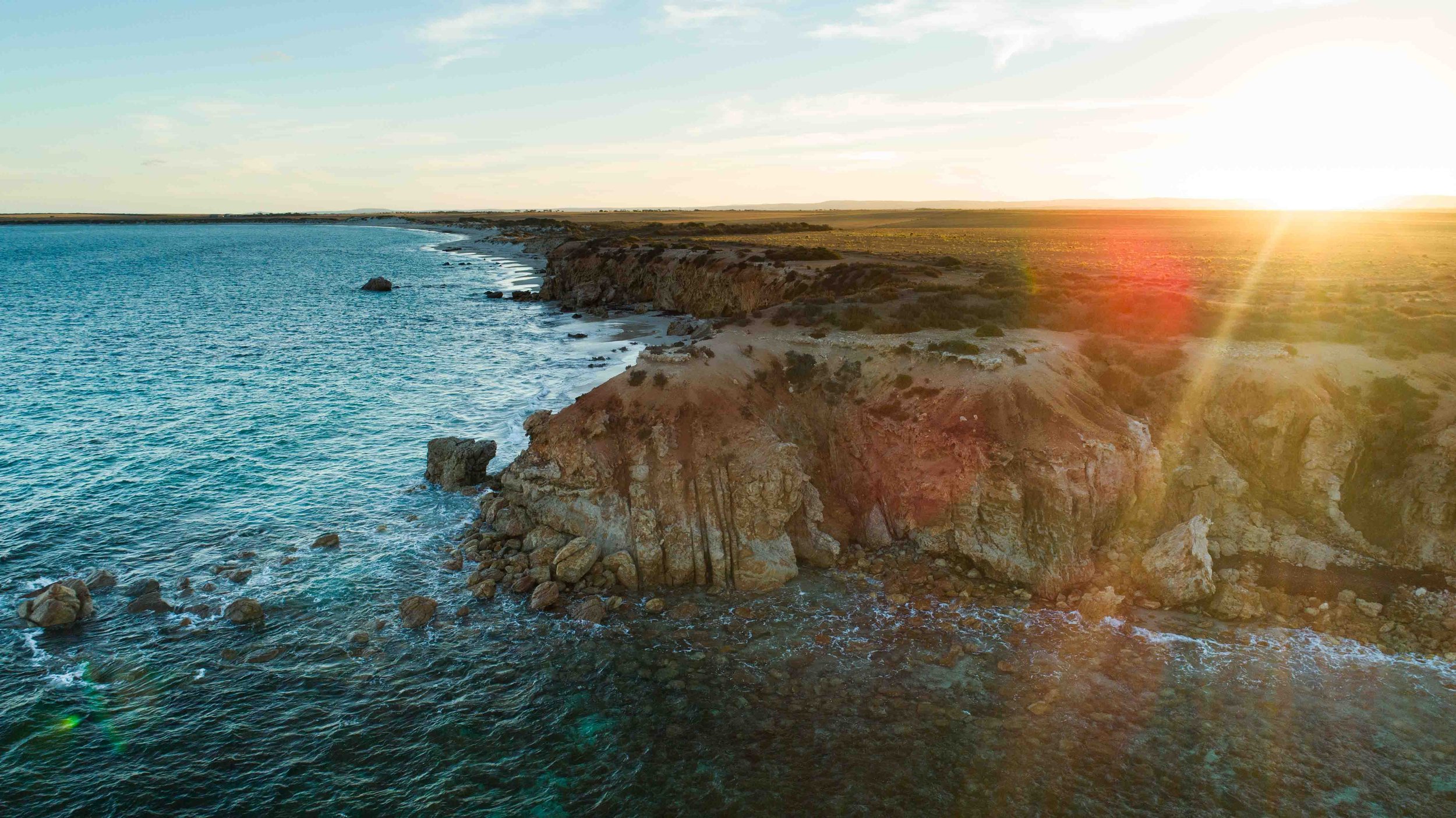
This knowledge, held in families and passed down through Elders, comes with responsibility: to care for the coastline, the waters, the marine life, and the sacred sites that make up Sea Country. These cultural obligations are not abstract ideas. They are lived values - practiced through teaching, through ceremony, and increasingly, through art.
Art as a Modern Vessel for Ancient Knowledge
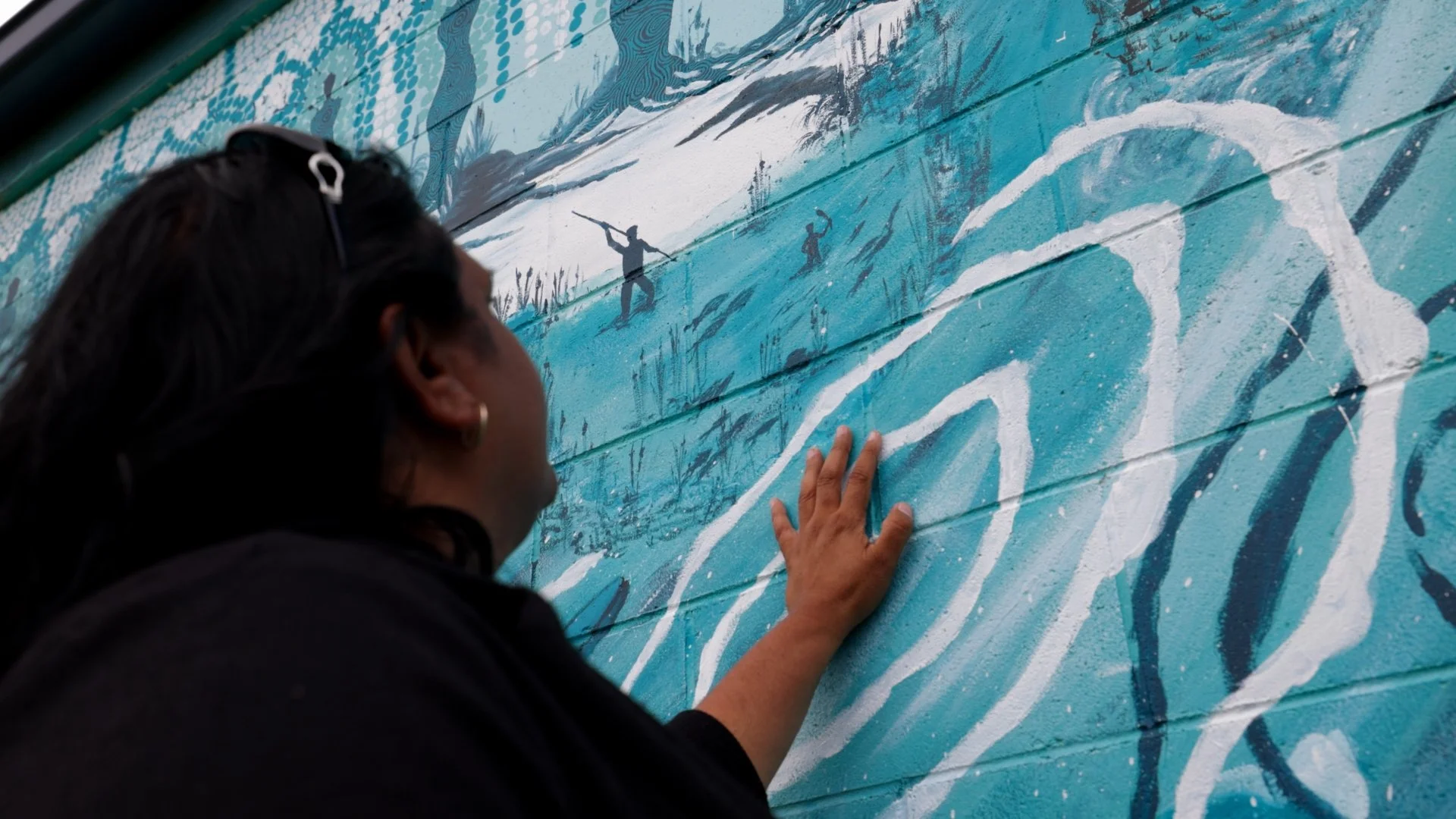
As public spaces, galleries, schools, and community centers expand their recognition of First Nations voices, art has become one of the most meaningful ways Sea Country peoples express and share their cultural identity.
Through murals, sculpture, weaving, digital art, film, dance, music, and storytelling, coastal communities are finding new pathways to keep ancient knowledges strong. Art offers the freedom to tell stories in ways that are both grounded in tradition and connected to the present. It allows artists to honour their ancestors while inviting broader audiences - Indigenous and non-Indigenous - to learn, listen, and reflect.
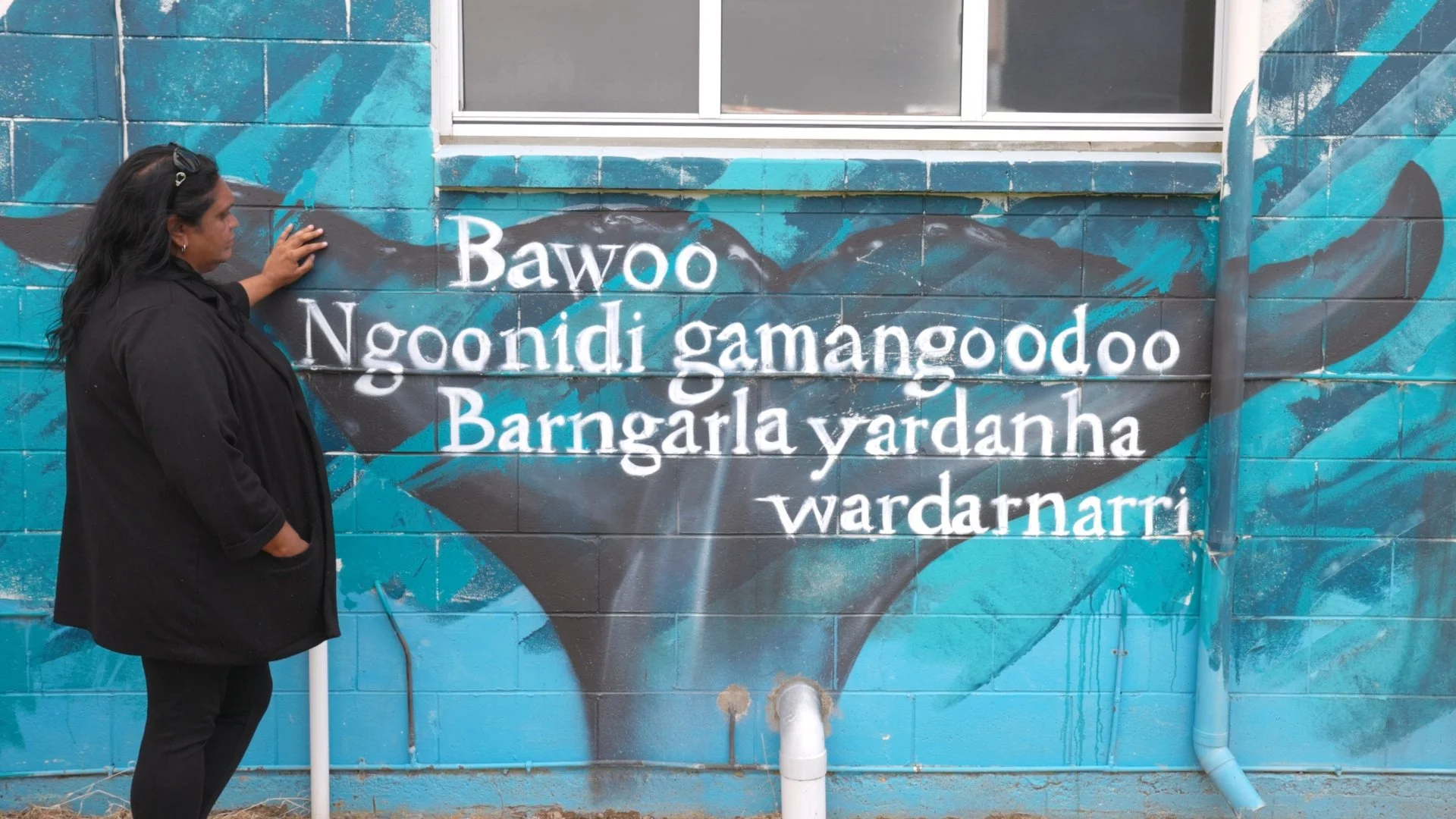
Preserving History and Heritage in Public Spaces
Public art has become a powerful platform for Sea Country representation. Coastal towns and cities across Australia increasingly include Aboriginal-led artworks in parks, waterfronts, walkways, and cultural precincts.
These works often reflect:
Creation stories and ancestral beings tied to the land and sea
Traditional patterns and symbols representing wind, currents, tides, and marine life
Historical events, cultural teachings, and family lineages Important sites and pathways along the coastline
These artworks act as markers of identity, acknowledging the Traditional Owners of the coastline while embedding cultural narratives into the everyday spaces people move through.
Through Cultural Tourism, Arts, Knowledge sharing, cultural marine sciences and employment opportunities in all Ocean and Coastal areas as Southern Sea Country people we are saying and showing “We are still here. Our stories are still here. Our connection to Sea Country has never been lost”.
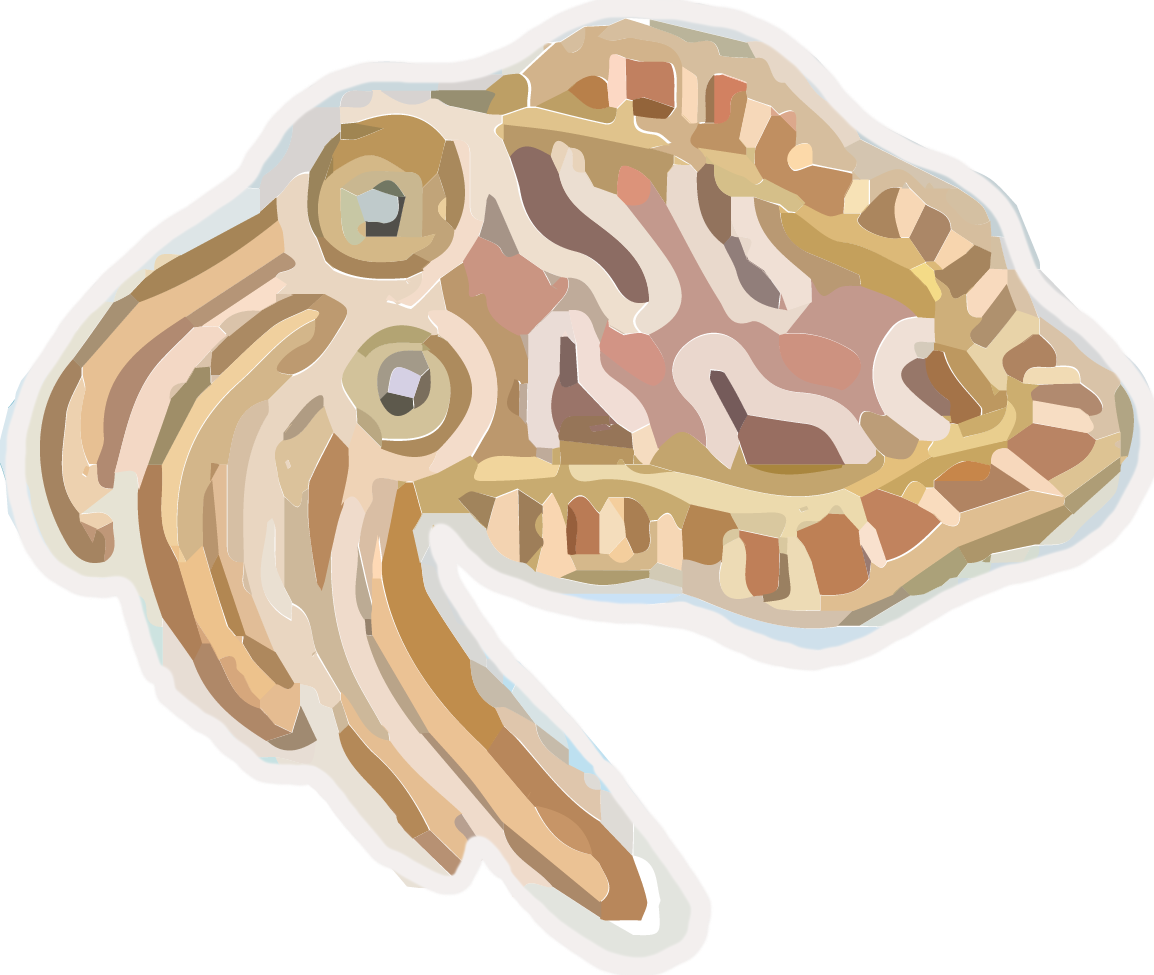
For Southern Coastal Sea Country peoples and Saltwater communities across Australia, it is a continuation of law, culture, identity, and ancestral storytelling and teachings. By sharing stories through public art, language projects, and cultural expression, Sea Country peoples are protecting and celebrating their heritage while strengthening the bonds between community, Country, and culture.
Southern Saltwater people will always be one with our Sea Country and will continue to ensure that the saltwater spirit, ancient and alive, continues to speak - across generations, across coastlines, and across time.
you may also like:
-
![]()
This article embarks on a journey to explore how teachers can enrich their curricula by integrating First Nations perspectives, with special insights from Emmalene Richards, a proud Barngarla woman from Port Lincoln.
-
![]()
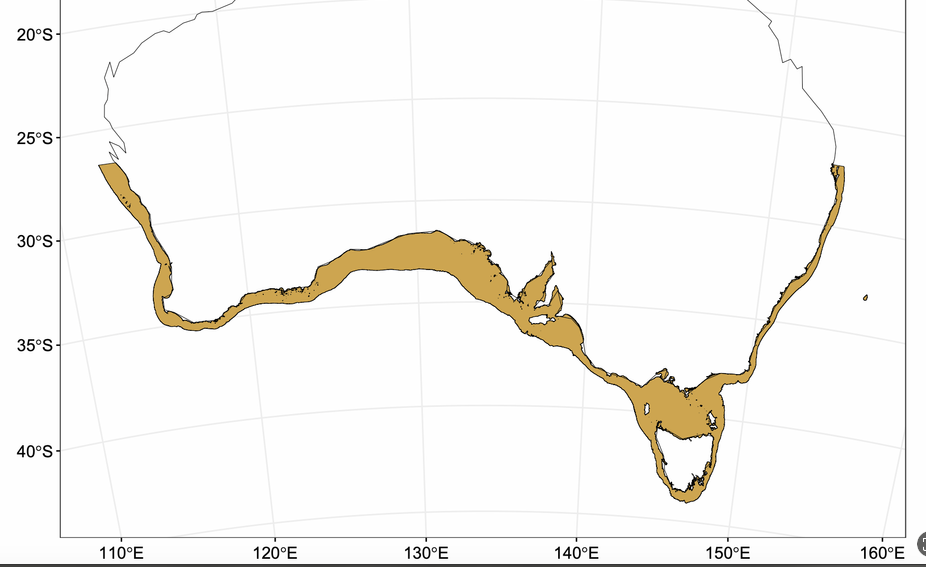
What is the Great Southern Reef? What is unique about it? and how is climate change affecting it? Find out answers to these questions and more in our FAQ page.
-
![]()
Every month, we feature a creator from around the Great Southern Reef (GSR), showcasing their unique connection, creative expression, and passion for this extraordinary marine ecosystem. Through photography, art, storytelling, and film, these creators highlight the reef’s beauty, biodiversity, and the critical challenges it faces.

more gsr news
-
![]()
December 2025
The latest updates from this month across the Great Southern Reef
-
![]()
November 2025
This issue is packed with new stories of action and collaboration, from Sea Country leaders uniting in NSW Parliament, to restoration and research projects across southern Australia, plus exciting announcements for educators and partners.
-
![]()
OCTOBER 2025
Welcome to the October edition of the Great Southern Reef newsletter. This month features new research from across the GSR, an update on South Australia’s ongoing algal bloom, fresh citizen science opportunities, and two new ocean-themed card games designed to spark curiosity and learning, plus a whole heap more.
-
![]()
-
![]()
AUGUST 2025
The harmful algal bloom along South Australia’s coast has now attracted widespread national and international attention. This momentum has been driven in no small part by the extraordinary efforts of citizen scientists, fishers, divers, and community members who have documented impacts and shared them widely. Your photos, observations, and stories have helped build a groundswell that decision-makers cannot ignore.
-
![]()
MAY 2025
Over the past three weeks, White Rock has hit the road with sold-out screenings, passionate conversations and fresh urchin feasts. The Em-Urchin-cy Tour kicked off with a packed premiere at Hobart’s State Cinema. From there, the tour hit the east coast with events in Bendalong, Bawley Point, Melbourne, Torquay, Warrnambool, Narooma, Merimbula, Byron Bay and Manly.
-
![]()
APRIL 2025
White Rock hits the road! With a sold-out Hobart launch, our Em-urchin-cy Tour is officially underway. Dive into updates on school resources, lobster recovery, sea lion science, climate-fuelled fish kills, and citizen-powered species tracking. Plus, new research reveals not all reef species are heading south. Let’s get into it.
-
![]()
FEBRUARY 2025
Welcome to the February 2025 Newsletter. Packed with exciting updates, inspiring stories, and opportunities to get involved, this edition has something for everyone passionate about the Great Southern Reef.
-
![]()
January 2025 news
Packed with exciting updates, inspiring stories, and opportunities to get involved, this edition has something for everyone passionate about the Great Southern Reef.