What Long-Term Monitoring Reveals at Jurien Bay, WA
Field journal write up by Hunter Forbes and Nimisha Nair
13 Years of Reef Surveys
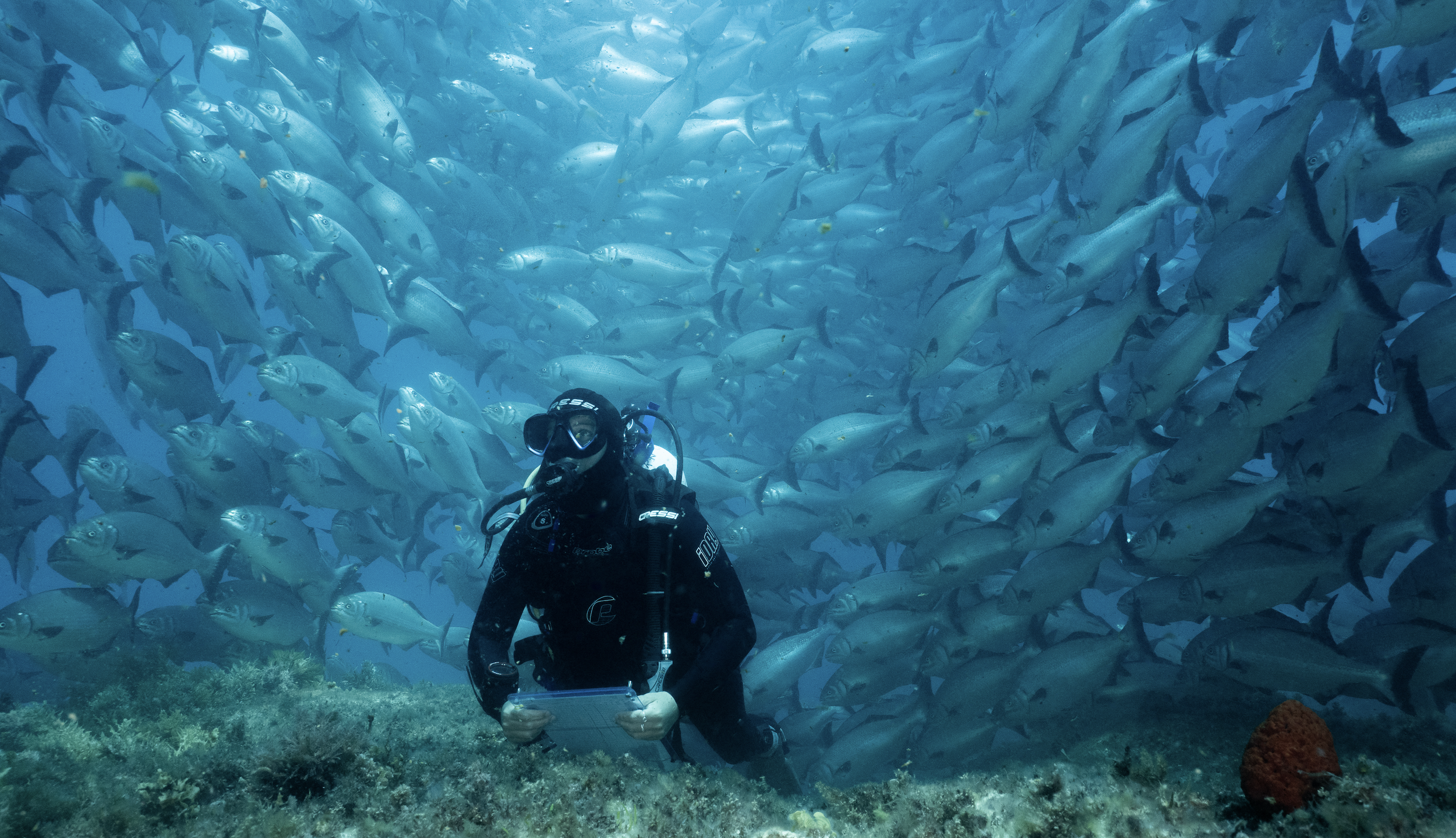
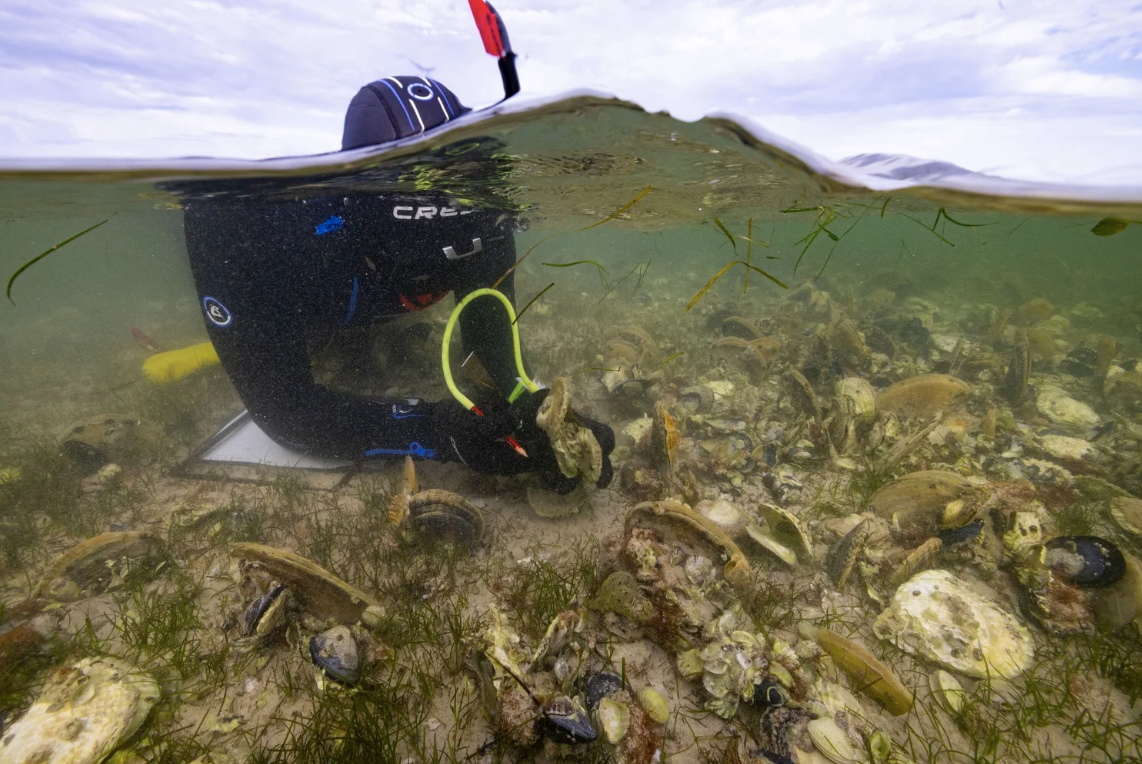
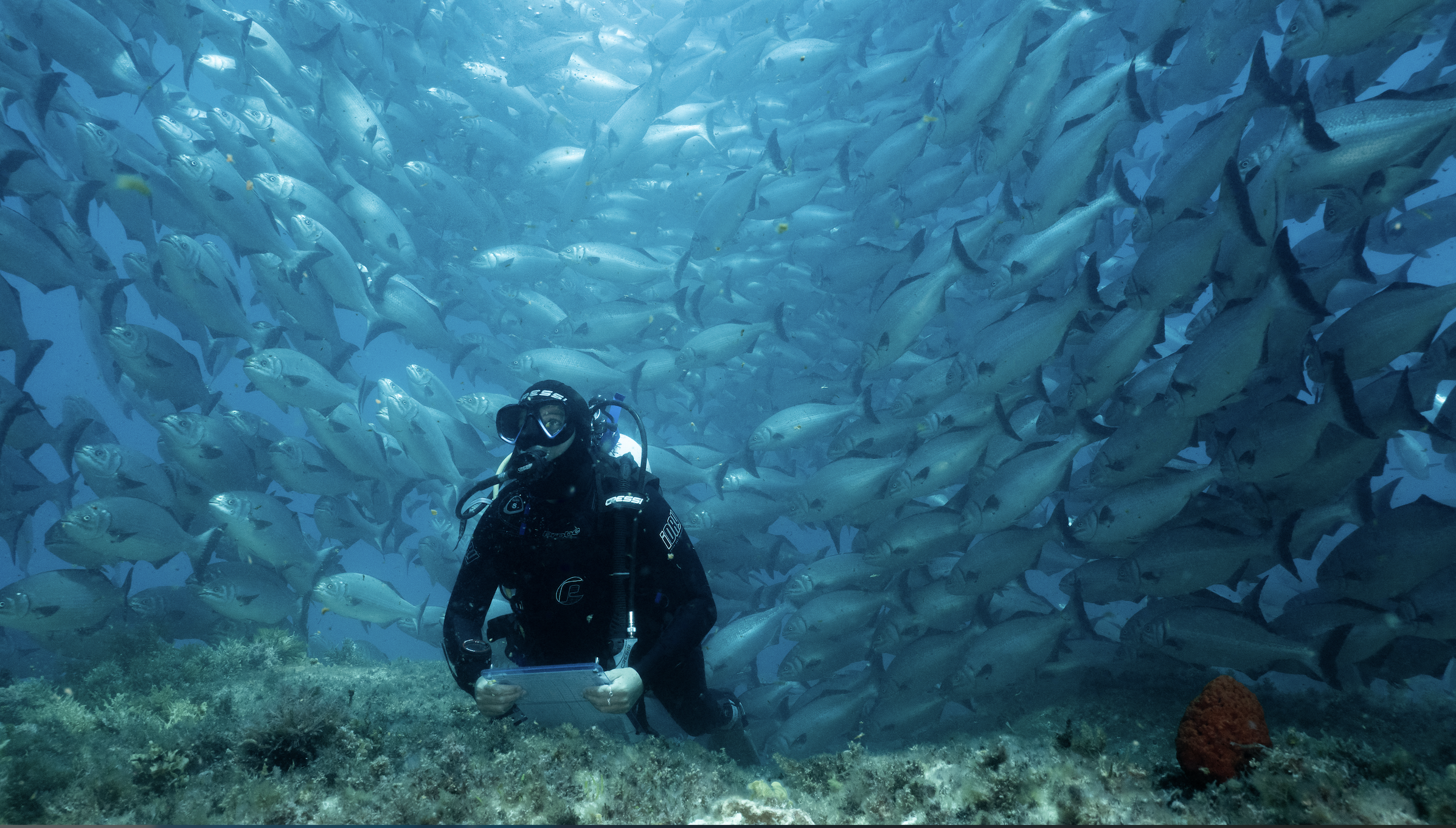
In November, researchers returned to the Jurien Bay Marine Park in Western Australia to continue reef biodiversity surveys established in 1999. The program is now supported through the Great Southern Reef Research Partnership bringing teams together to track how these temperate reefs are changing over time. This marks the 13th year of surveys in Jurien Bay, adding to a dataset that has become key to understanding how warming seas and shifting species are reshaping the Great Southern Reef.
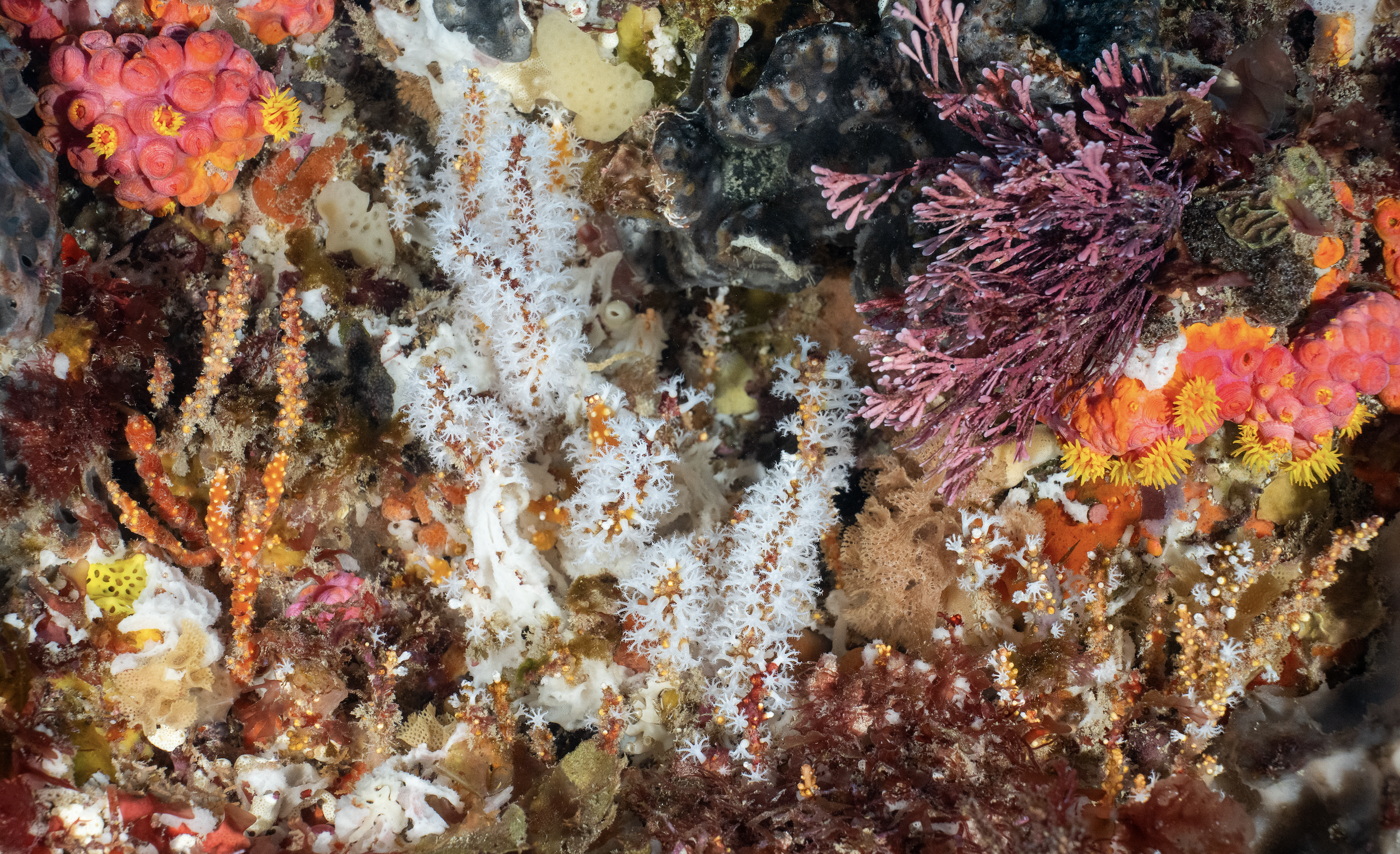
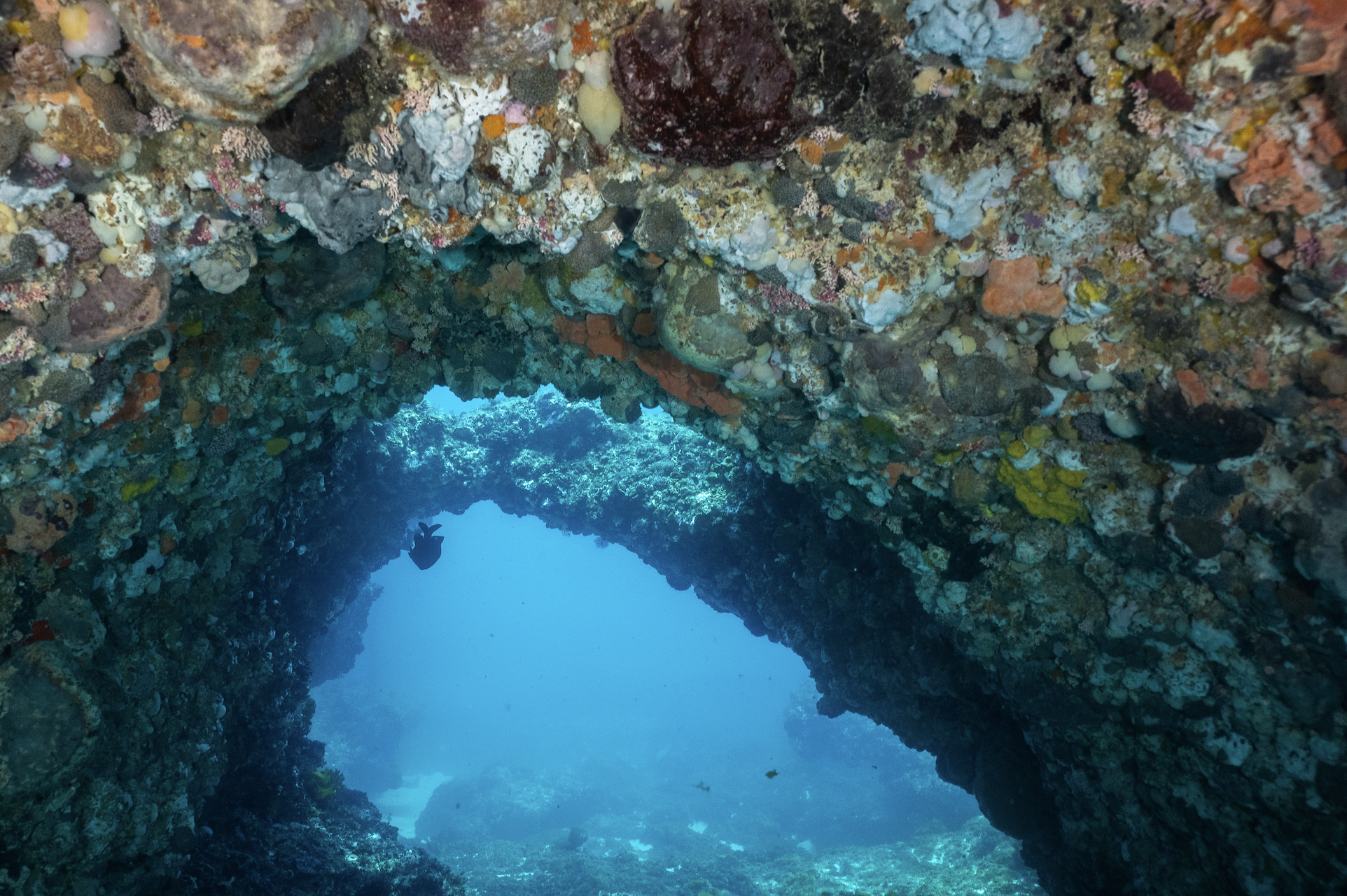
Colourful sessile invertebrates cover the underside of huge limestone arches on Jurien Bay’s offshore reefs Images: Scott Bennett.Rich Reef Life
Located two hours north of Perth, Jurien Bay Marine Park stretches for over 80 km along a unique stretch of coastline where temperate and tropical species converge on limestone reefs dominated by golden kelp.
The park is unique for its incredibly high diversity of seaweed species and as the only breeding ground for endangered Australian sea lions on the west coast. Other iconic animals like the western blue devil fish and popular gamefish including dhufish, kingfish, and samsonfish, were all encountered by divers during the dive surveys.
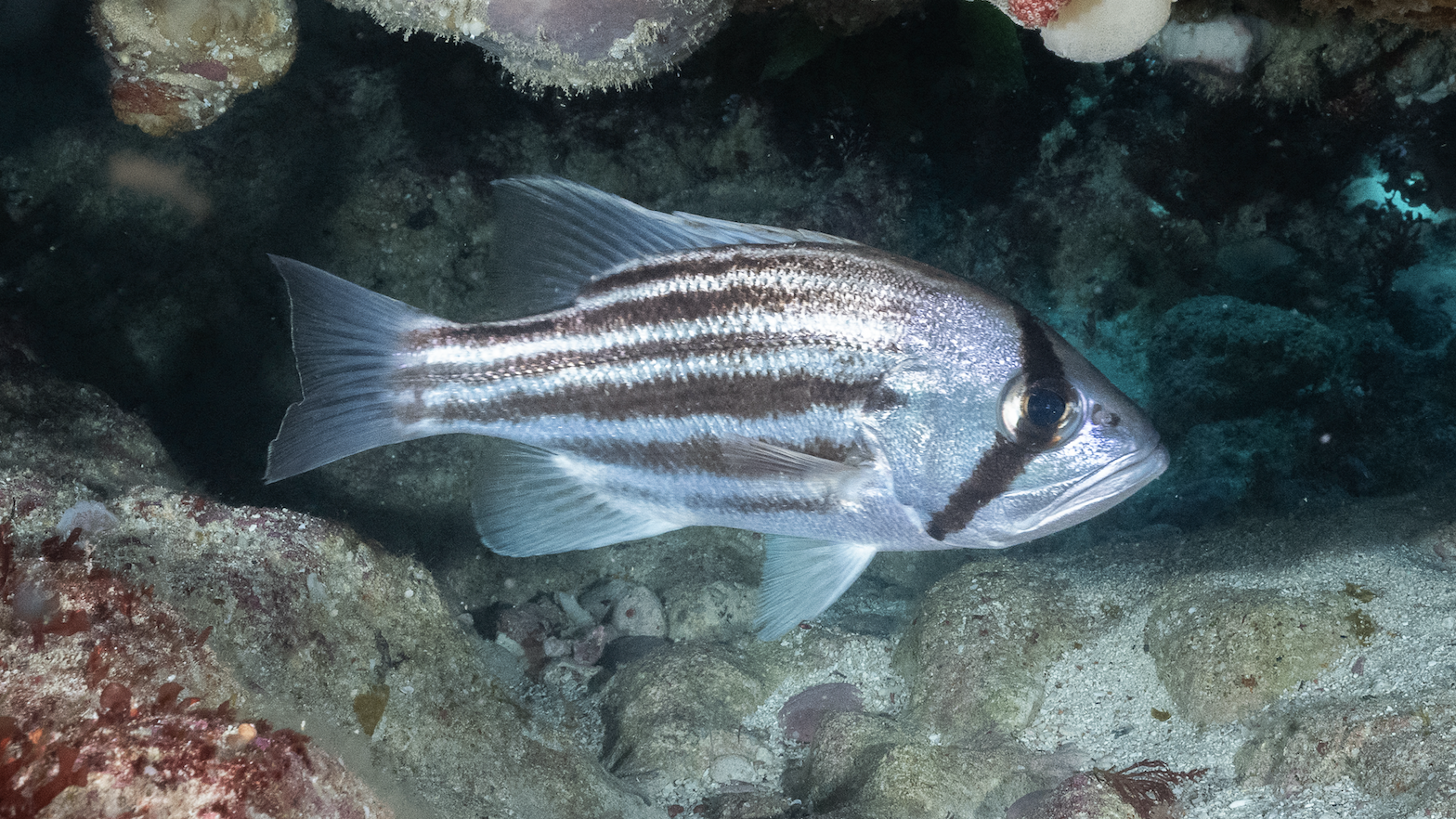
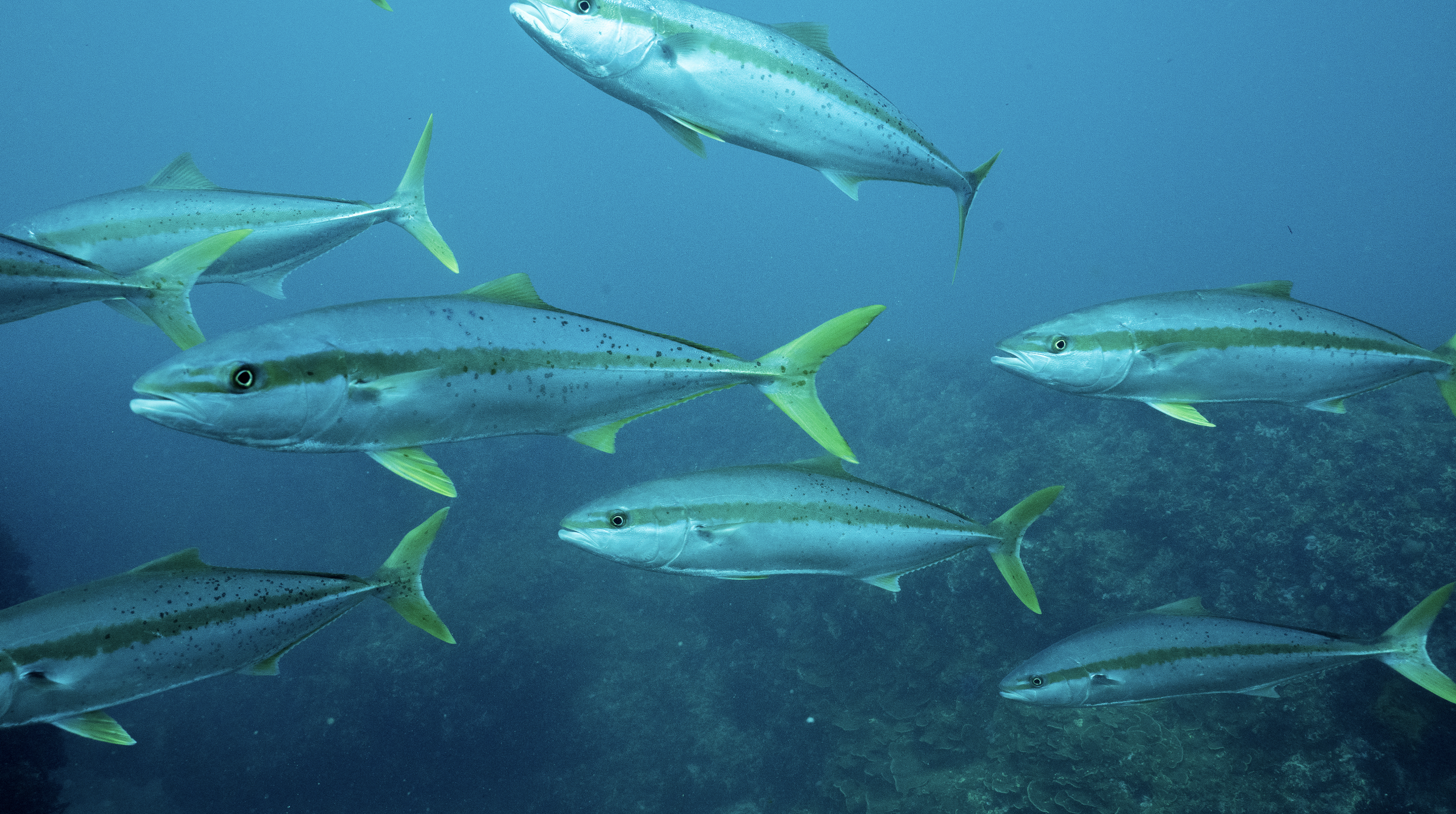
A West Australian dhufish and school of Yellowtail Kingfish. Images: Scott Bennett.DEEP REEF PRIORITIES
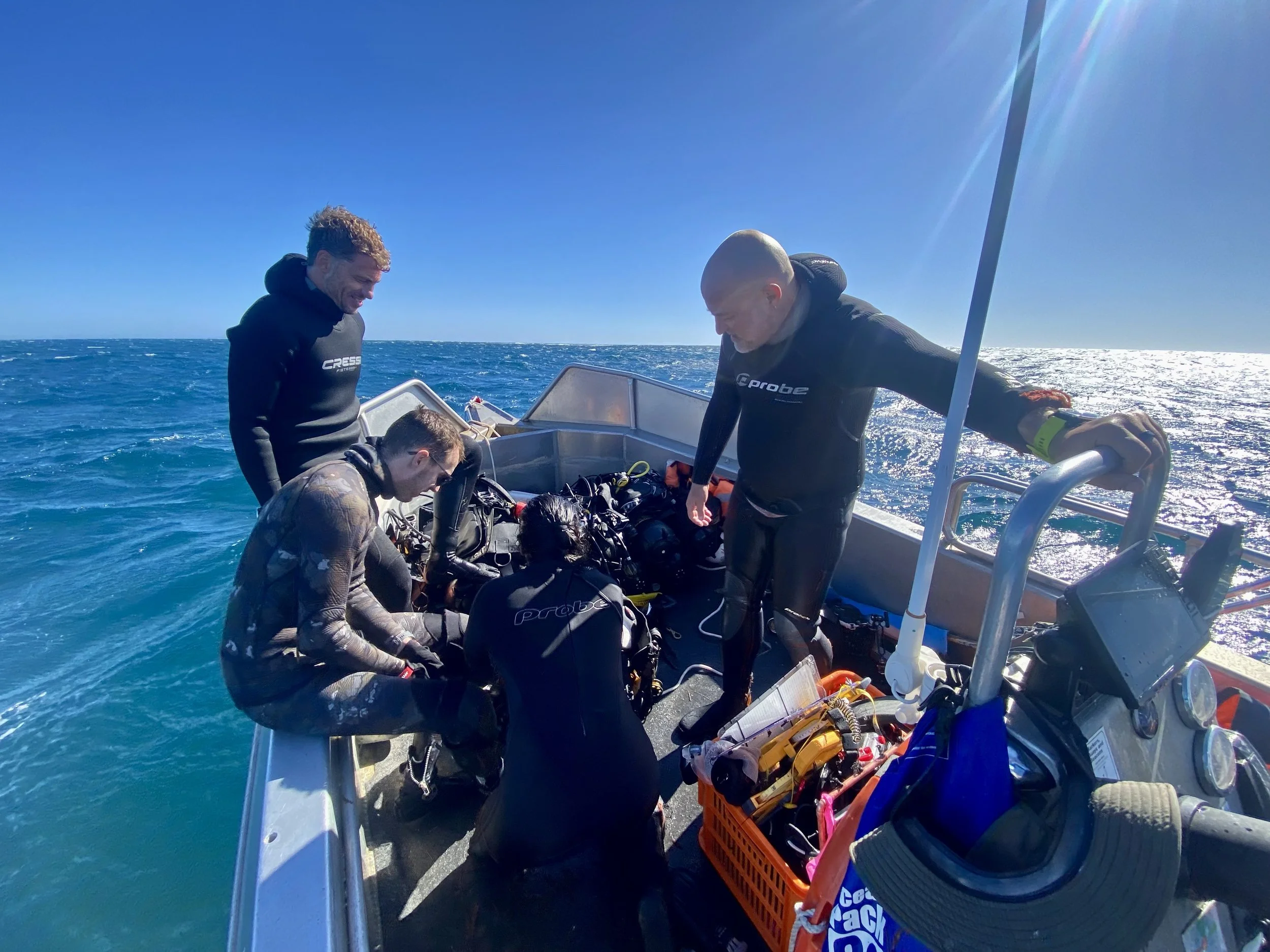
This year, surveys were conducted by collaborating researchers from the University of Western Australia, the University of Tasmania, and the Department of Biodiversity, Conservation and Attractions, facilitated by the Great Southern Reef Research Partnership. The priority was to survey deeper offshore reefs in the southern part of the marine park, and despite challenging conditions the team was able to survey 20 sites.
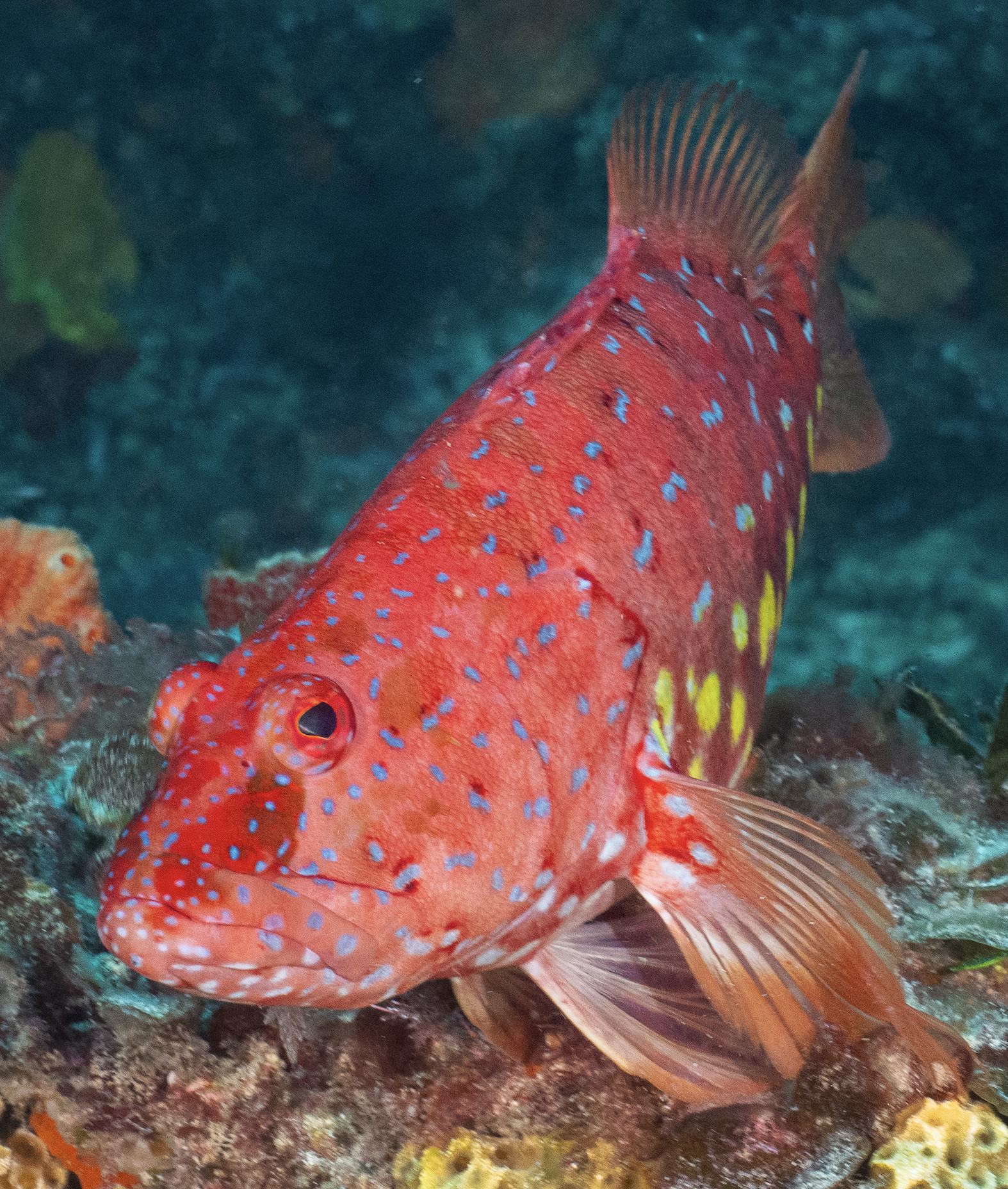
Harlequinfish. Image: Scott BennettTracking Shifts and climate impacts
At Jurien Bay, as for much of the Great Southern Reef, warming waters and marine heatwaves are bringing more tropical species southward and forcing out species that rely on cooler waters, signals that the monitoring aims to capture.
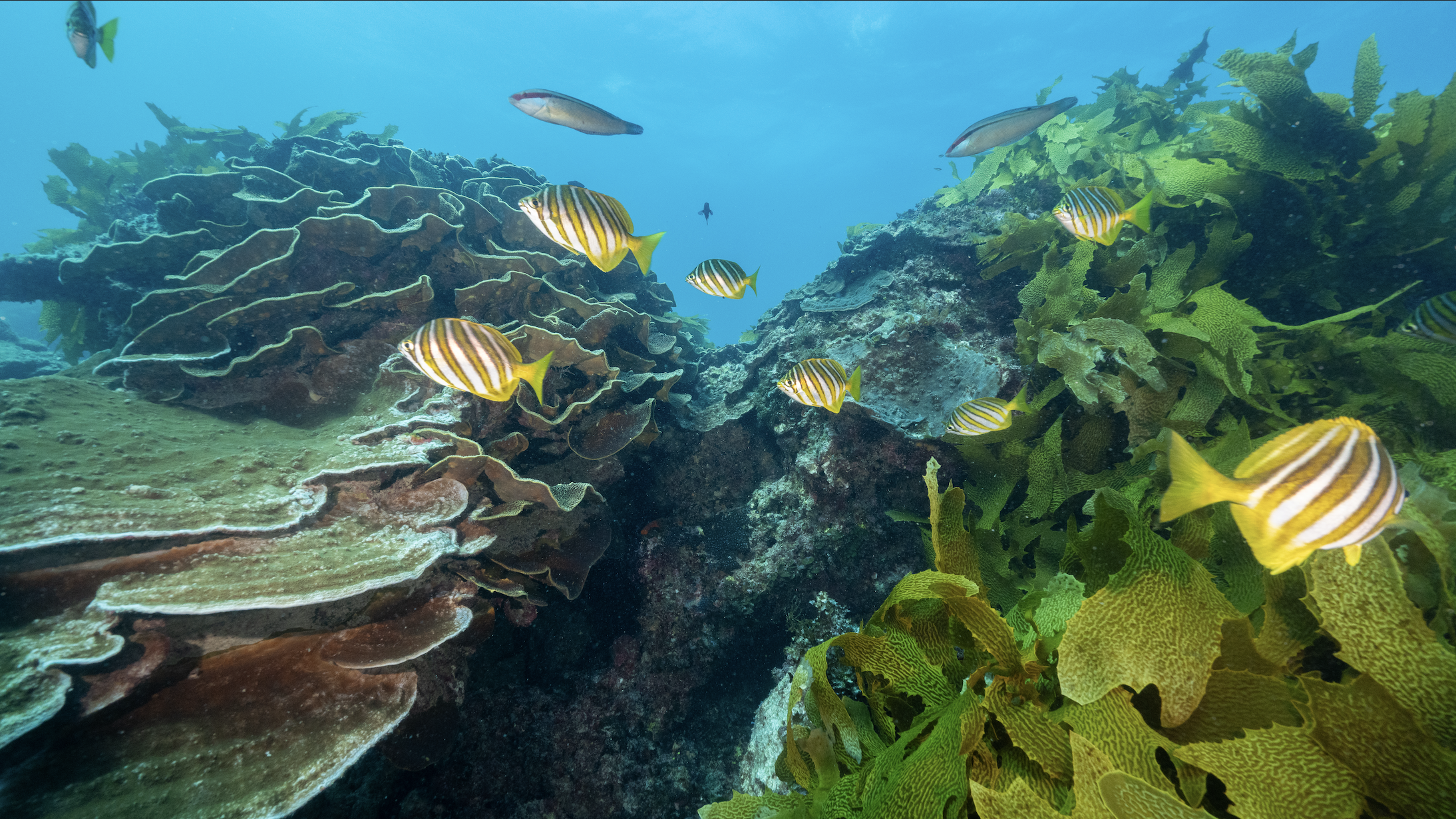
Western Footballer Sweep amongst coral and kelp habitat. Image: Scott BennettHere, scientists have also documented severe kelp loss and a steady increase in total coral cover. Long-term monitoring has been essential to tracking these changes and understanding how well ecosystems can adapt and recover from extreme events.
Carousel Imagery by Scott Bennett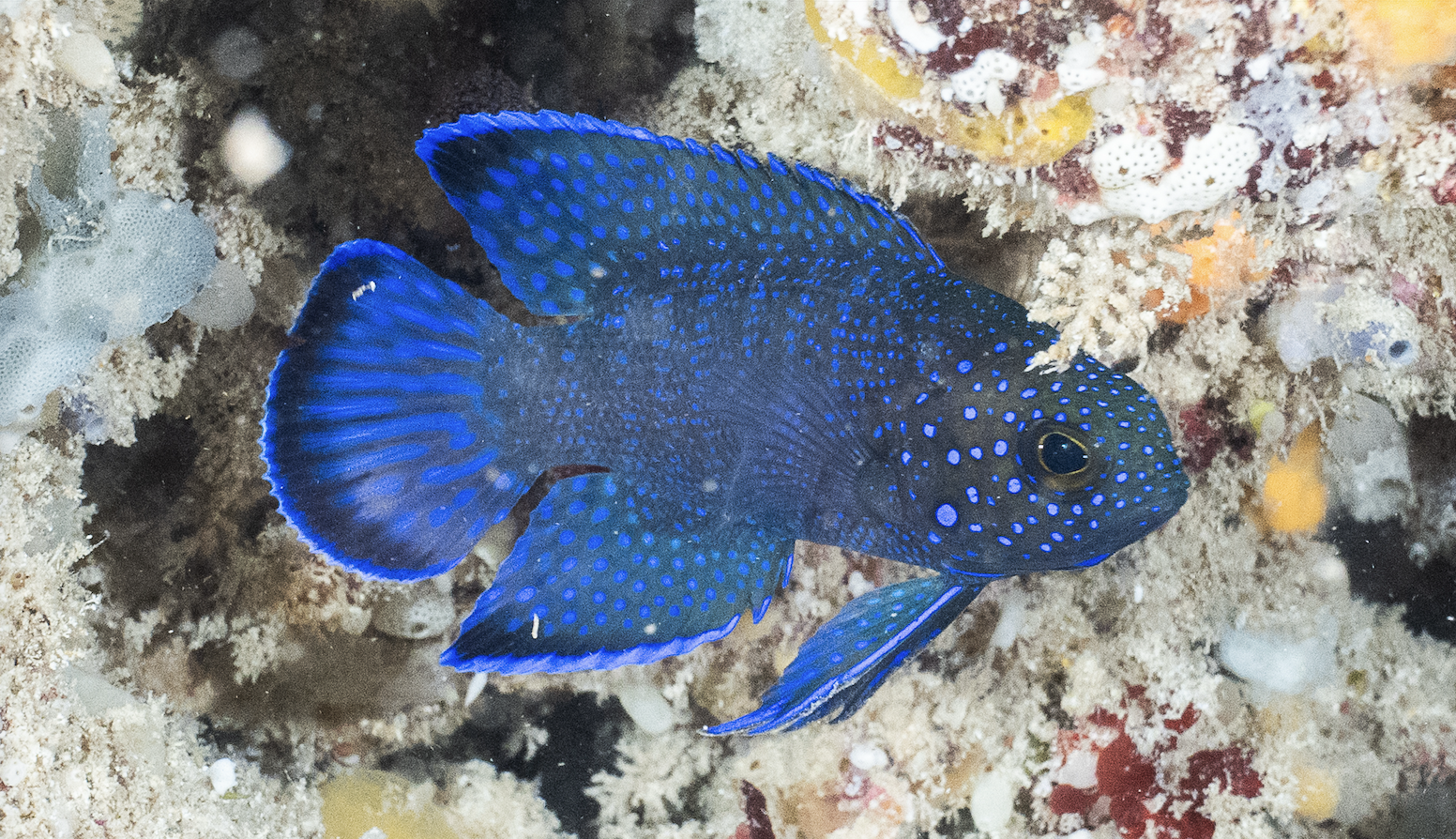

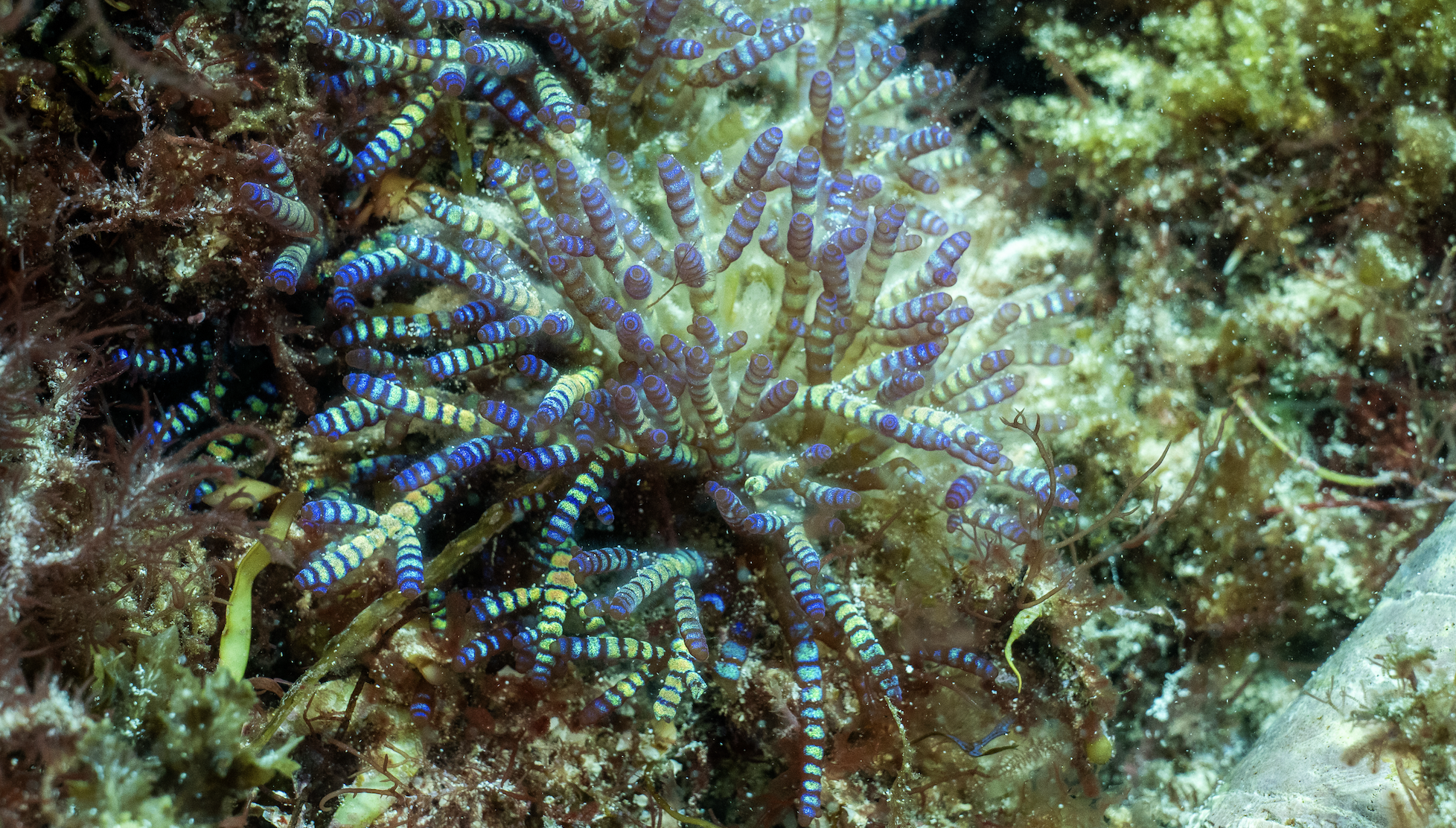
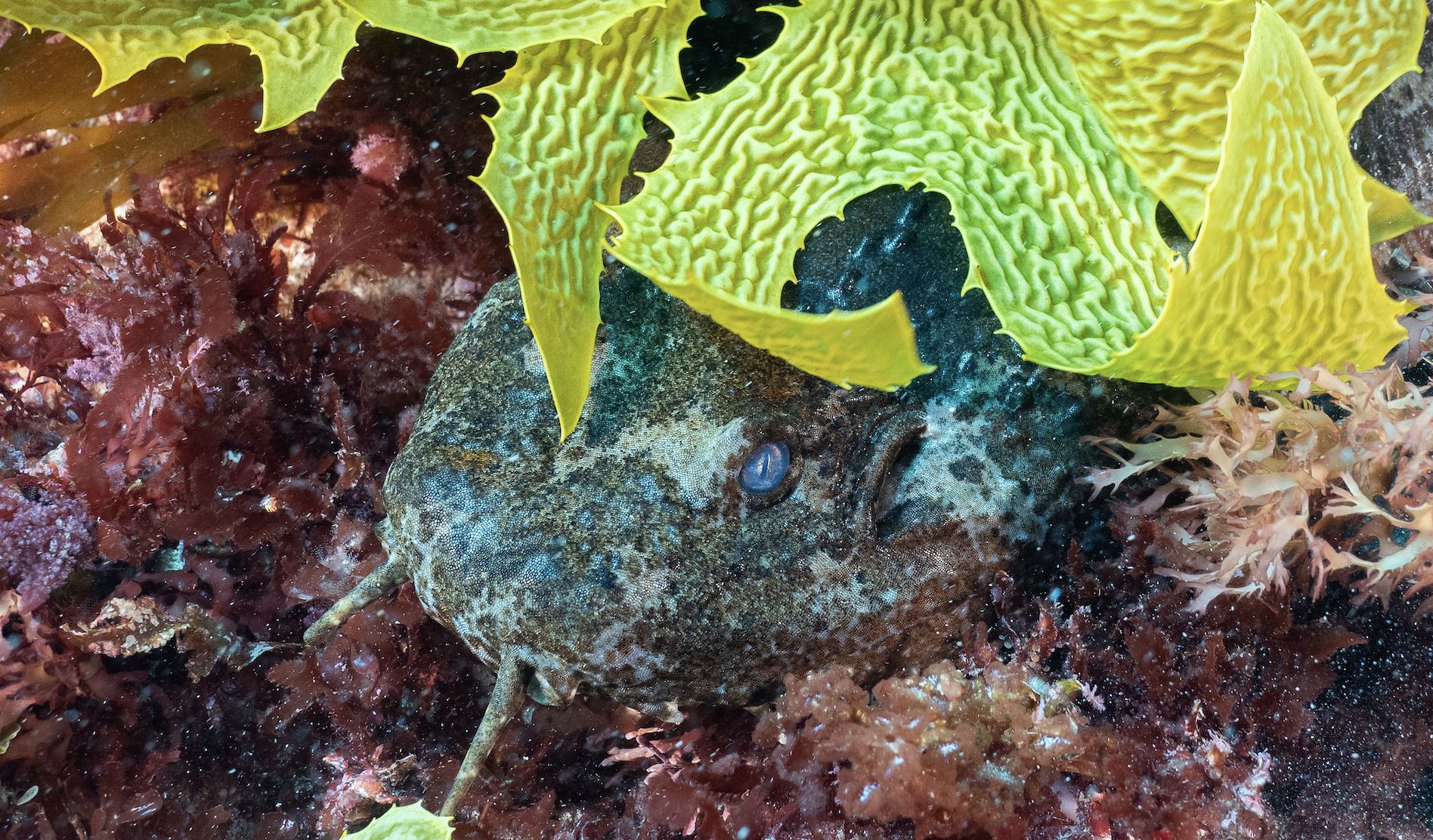
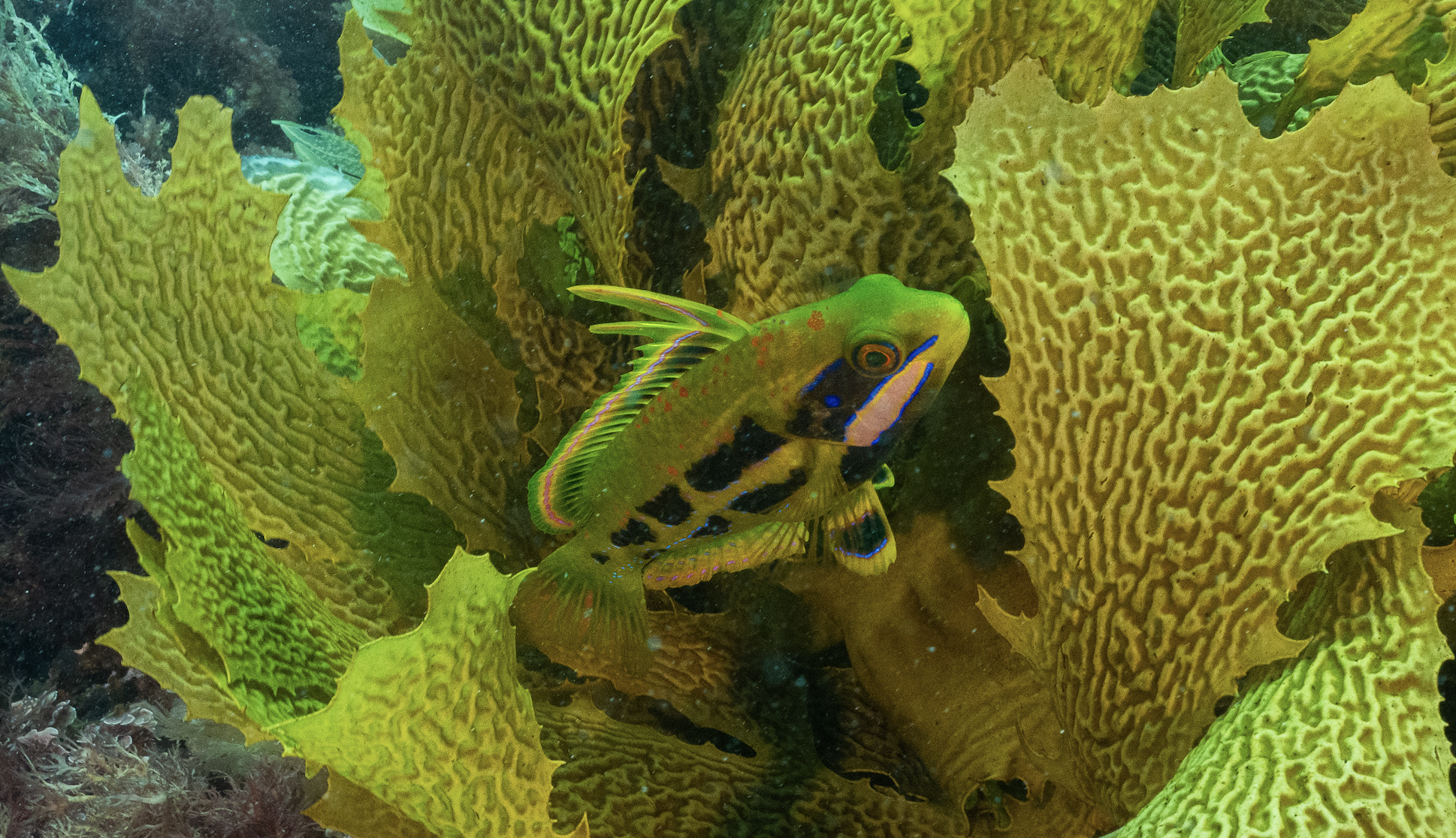
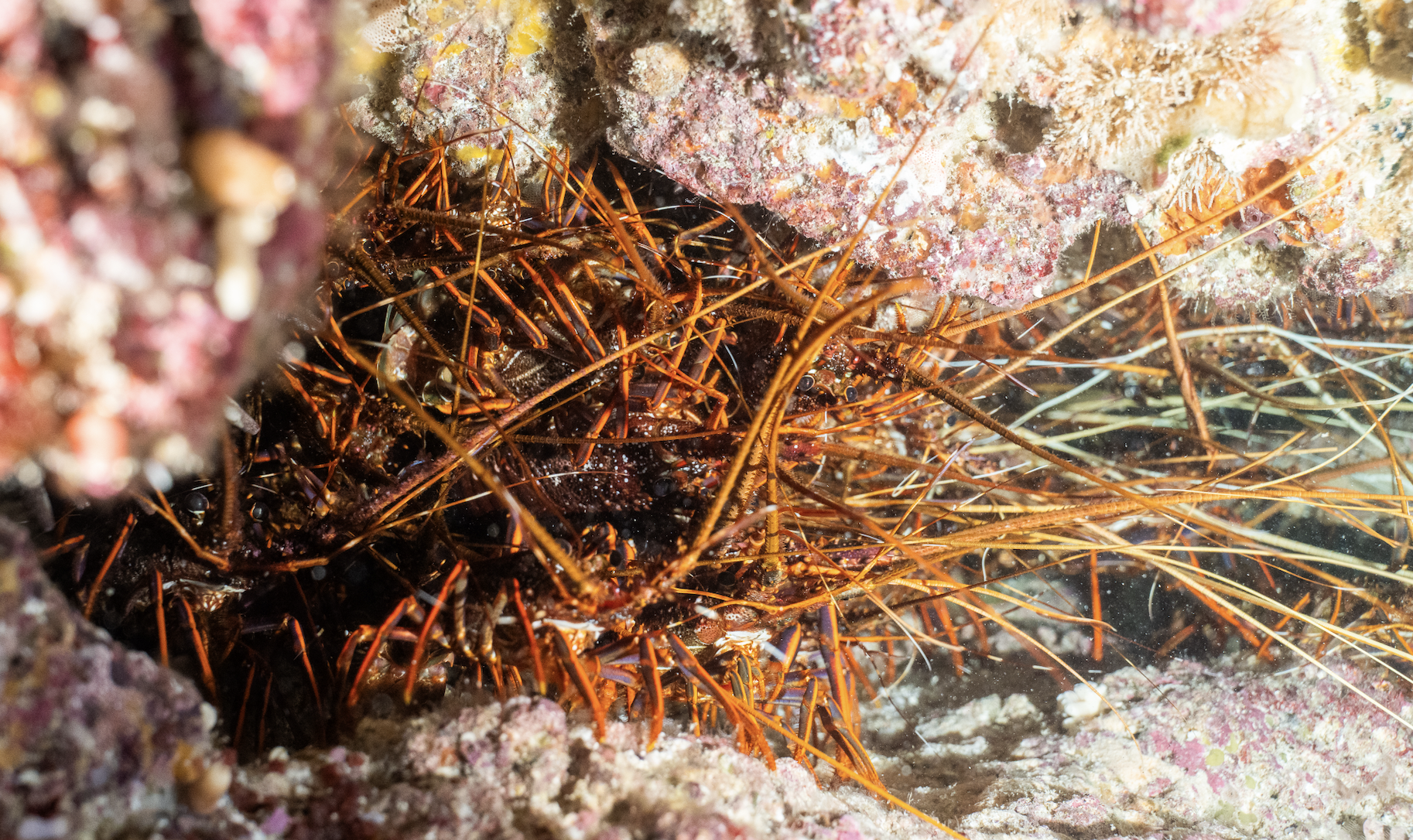
Heatwave Legacy and a Surprise Return
One such event was a severe marine heatwave in 2011 that drove major ecosystem shifts including the loss of the kelp Scytothalia dorycarpa from Jurien Bay at its northern range limit, pushing it roughly 100 km further south.

Sytothalia dorycarpa, one surprising find on this year’s surveys. Image: Scott Bennett.This year the research team recorded a lone Scytothalia at the southern end of the marine park. It may indicate the beginning of recovery, but more observations are needed before drawing conclusions.
Encounters with cold water species like this were balanced by high numbers of tropical species, especially butterflyfish and dottybacks, which were present in much higher numbers than seen in many years. These contrasting signals highlight the complex ecosystem responses that long term monitoring aims to track.
Building on This Year’s Momentum
Altogether, the research team was very satisfied with this year’s survey effort and plans are already underway to reconvene in 2026 and target other key areas in Western Australia.
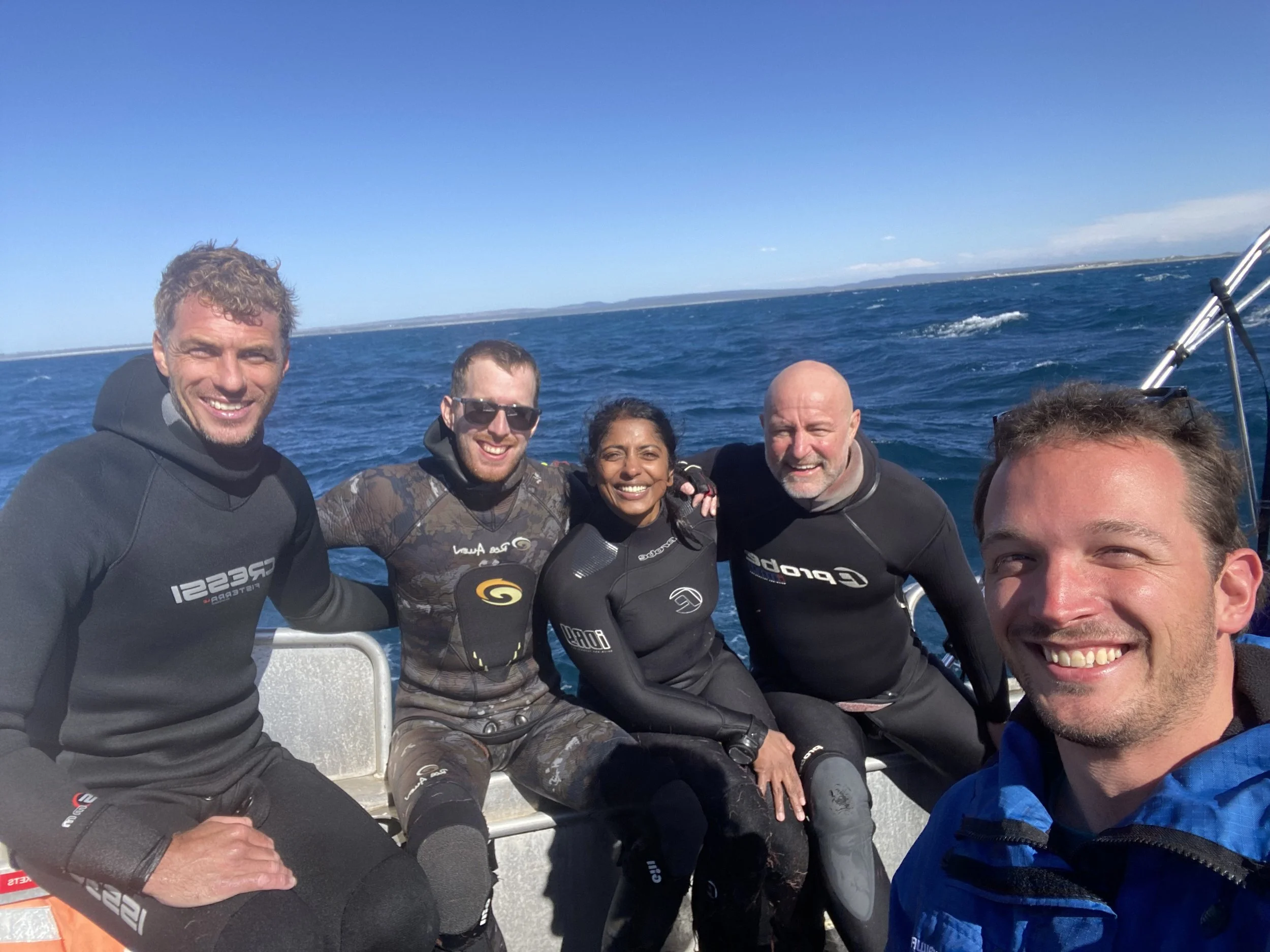
Research team members included Thomas Wernberg, Scott Bennett, Nimisha Nair, Hunter Forbes and Gabrielle Walley 
more gsr news
-
![]()
December 2025
The latest updates from this month across the Great Southern Reef
-
![]()
November 2025
This issue is packed with new stories of action and collaboration, from Sea Country leaders uniting in NSW Parliament, to restoration and research projects across southern Australia, plus exciting announcements for educators and partners.
-
![]()
OCTOBER 2025
Welcome to the October edition of the Great Southern Reef newsletter. This month features new research from across the GSR, an update on South Australia’s ongoing algal bloom, fresh citizen science opportunities, and two new ocean-themed card games designed to spark curiosity and learning, plus a whole heap more.
-
![]()
-
![]()
AUGUST 2025
The harmful algal bloom along South Australia’s coast has now attracted widespread national and international attention. This momentum has been driven in no small part by the extraordinary efforts of citizen scientists, fishers, divers, and community members who have documented impacts and shared them widely. Your photos, observations, and stories have helped build a groundswell that decision-makers cannot ignore.
-
![]()
MAY 2025
Over the past three weeks, White Rock has hit the road with sold-out screenings, passionate conversations and fresh urchin feasts. The Em-Urchin-cy Tour kicked off with a packed premiere at Hobart’s State Cinema. From there, the tour hit the east coast with events in Bendalong, Bawley Point, Melbourne, Torquay, Warrnambool, Narooma, Merimbula, Byron Bay and Manly.
-
![]()
APRIL 2025
White Rock hits the road! With a sold-out Hobart launch, our Em-urchin-cy Tour is officially underway. Dive into updates on school resources, lobster recovery, sea lion science, climate-fuelled fish kills, and citizen-powered species tracking. Plus, new research reveals not all reef species are heading south. Let’s get into it.
-
![]()
FEBRUARY 2025
Welcome to the February 2025 Newsletter. Packed with exciting updates, inspiring stories, and opportunities to get involved, this edition has something for everyone passionate about the Great Southern Reef.
-
![]()
January 2025 news
Packed with exciting updates, inspiring stories, and opportunities to get involved, this edition has something for everyone passionate about the Great Southern Reef.