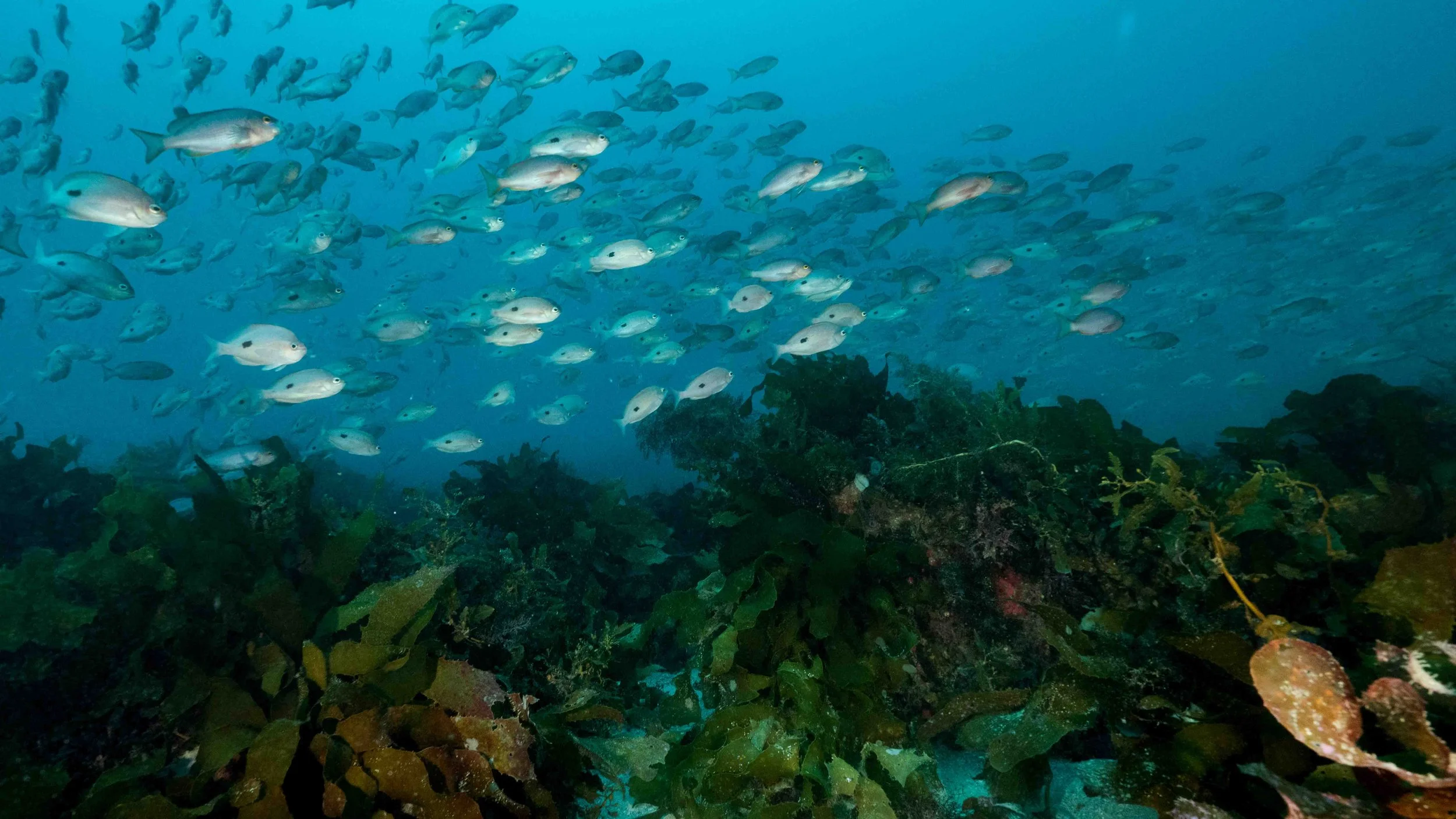
Rangers and Researchers Survey Bass Strait
Field Journal March 2026

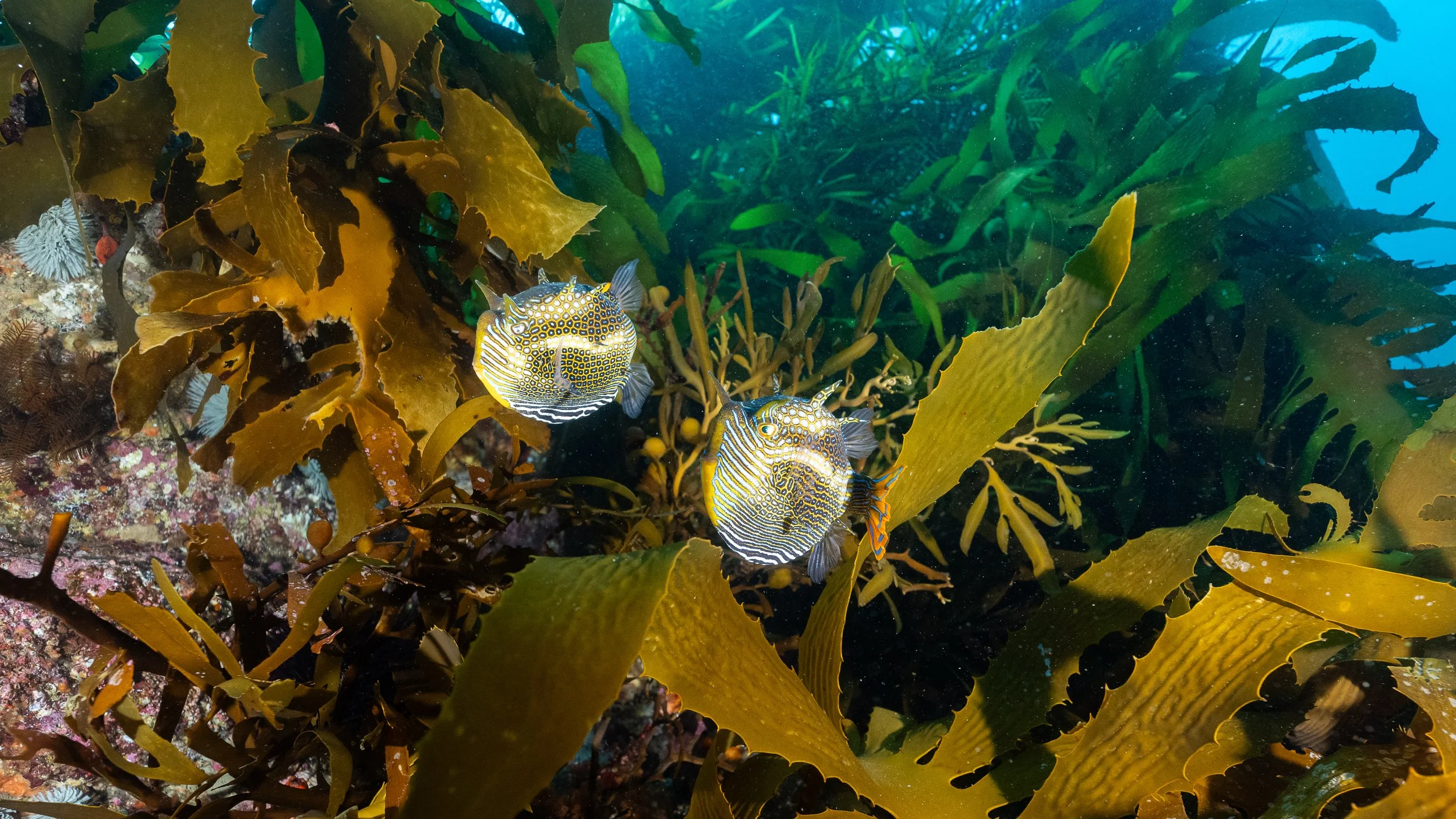
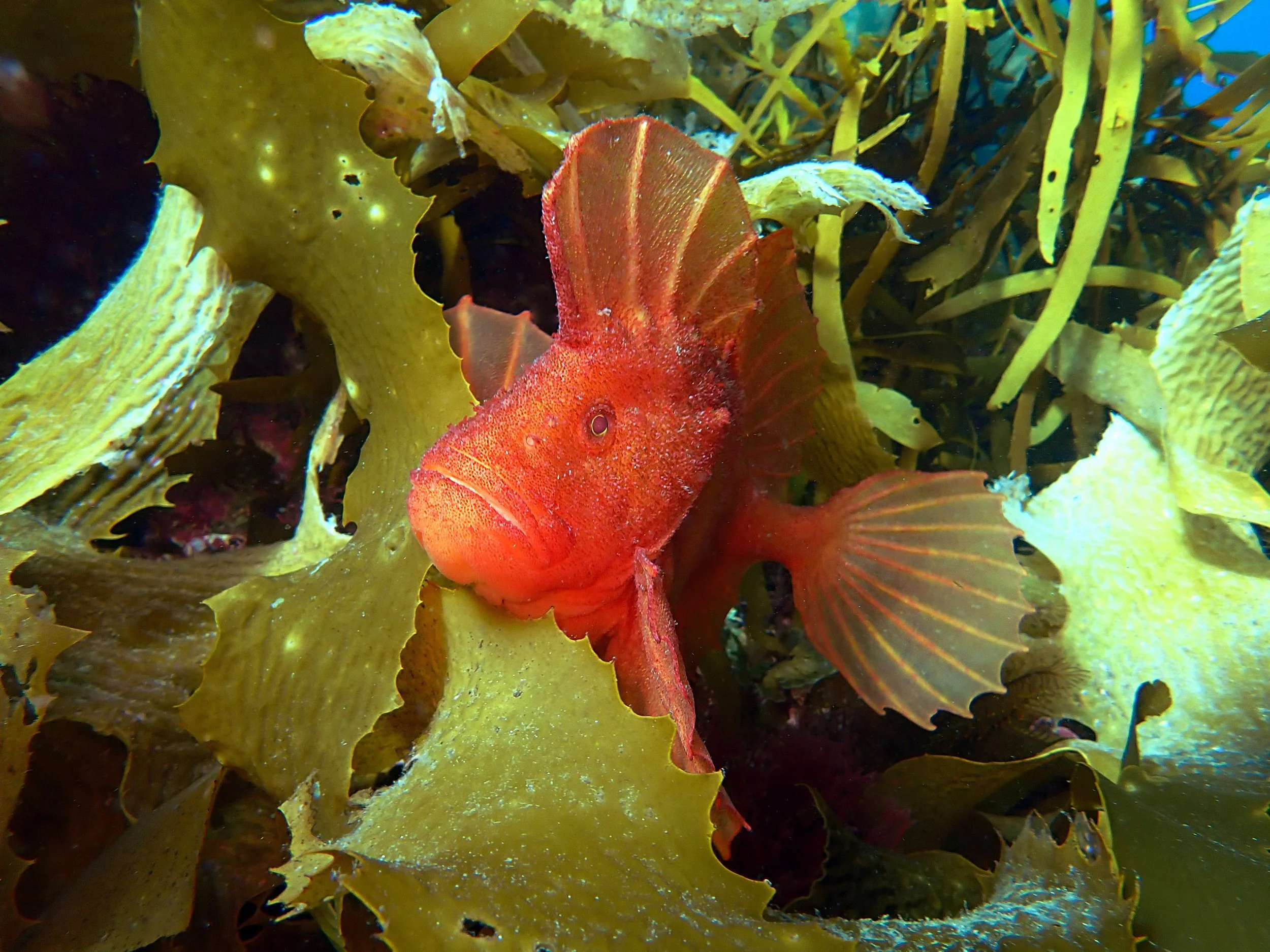
Truwana Rangers, Pakana Rangers and IMAS researchers completed a two week expedition through Tayaritja/Bass Strait Islands surveying remnant giant kelp populations and reef biodiversity throughout the region.
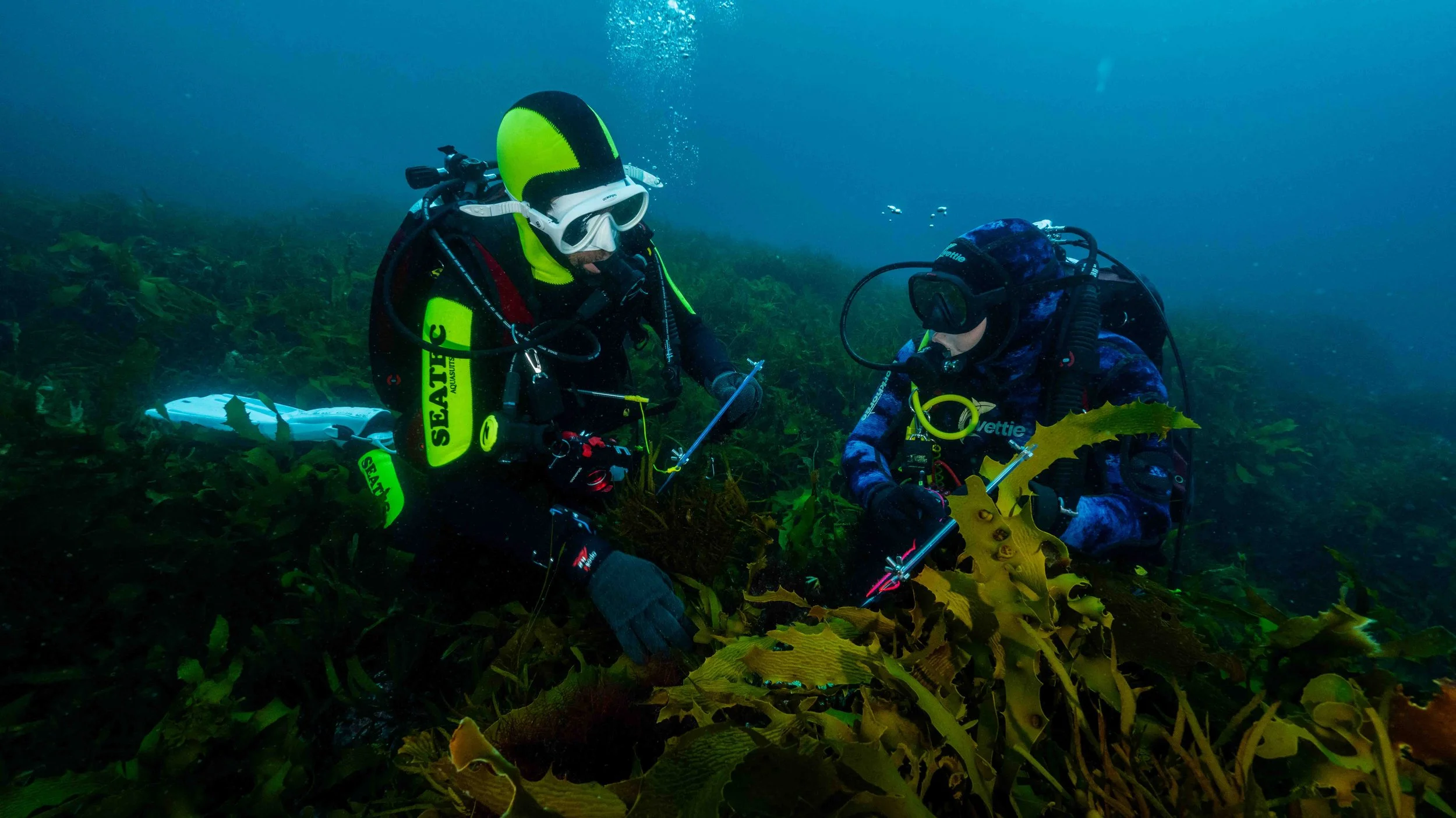
For rangers Phil Thomas and Shane Hughes, who live on Truwana and work managing the islands, the voyage presented an opportunity to see another side of Country.
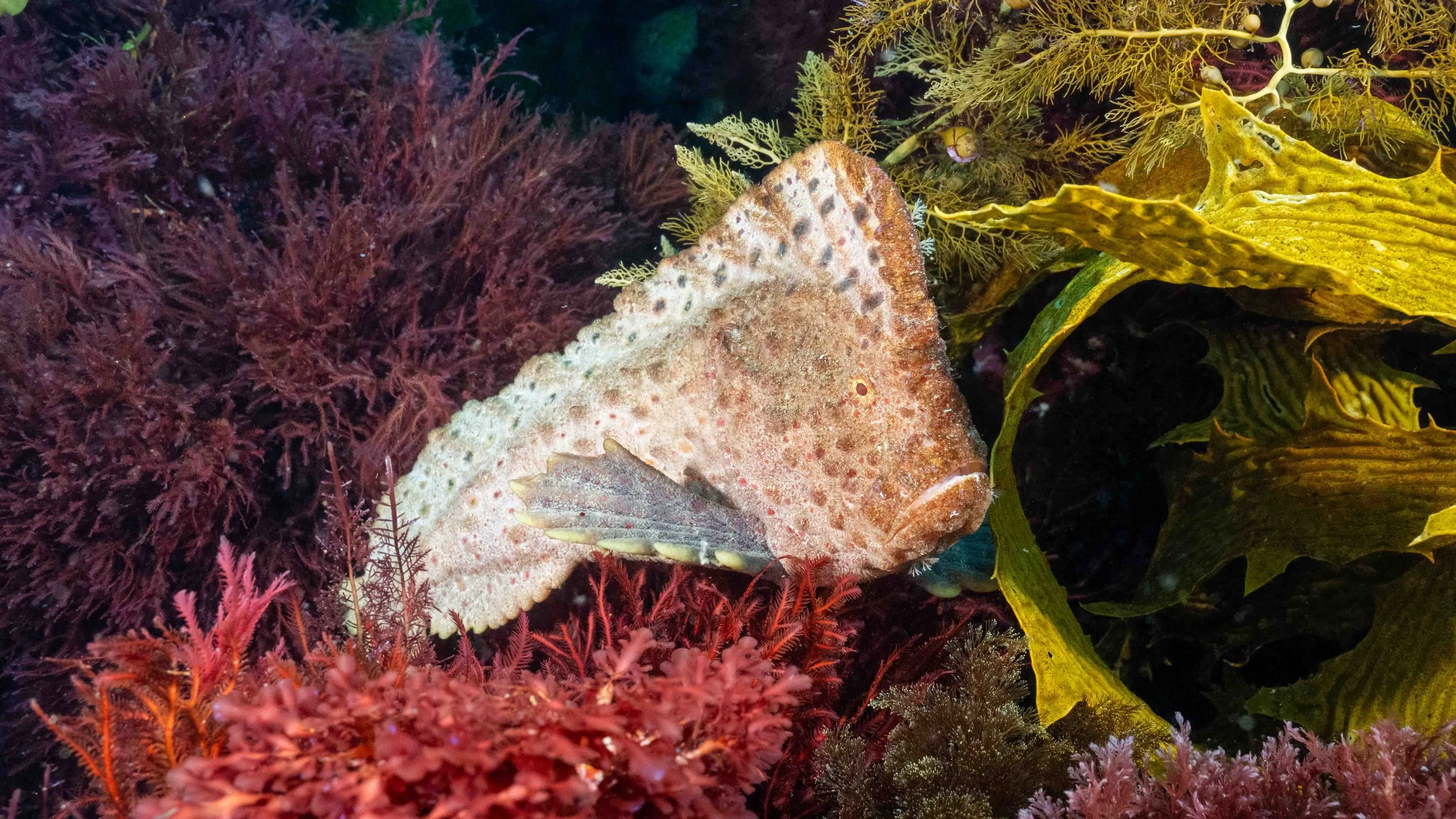


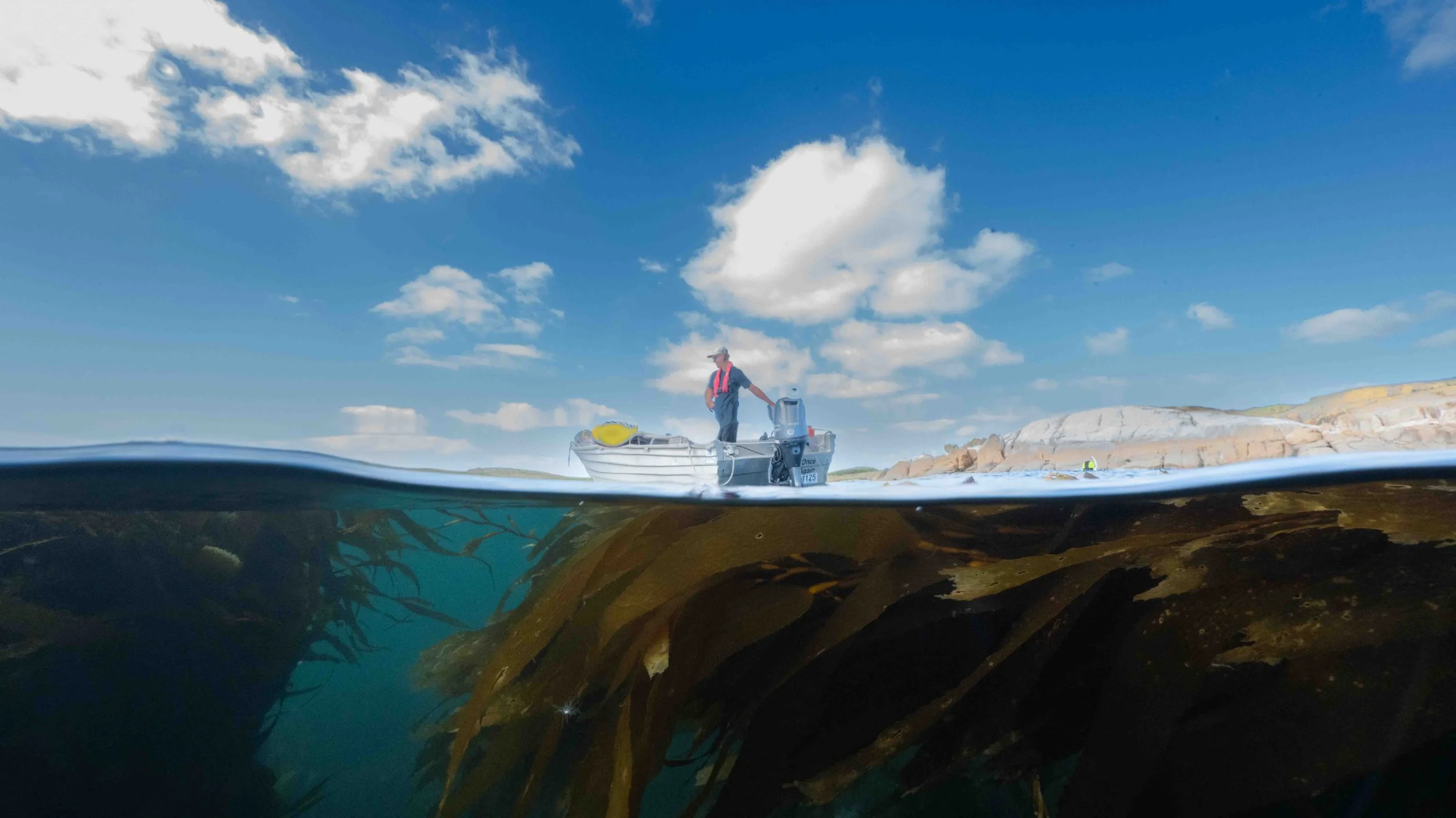
For IMAS researchers, it was an amazing opportunity to learn from Phil and Shane, who are so knowledgable about the islands.
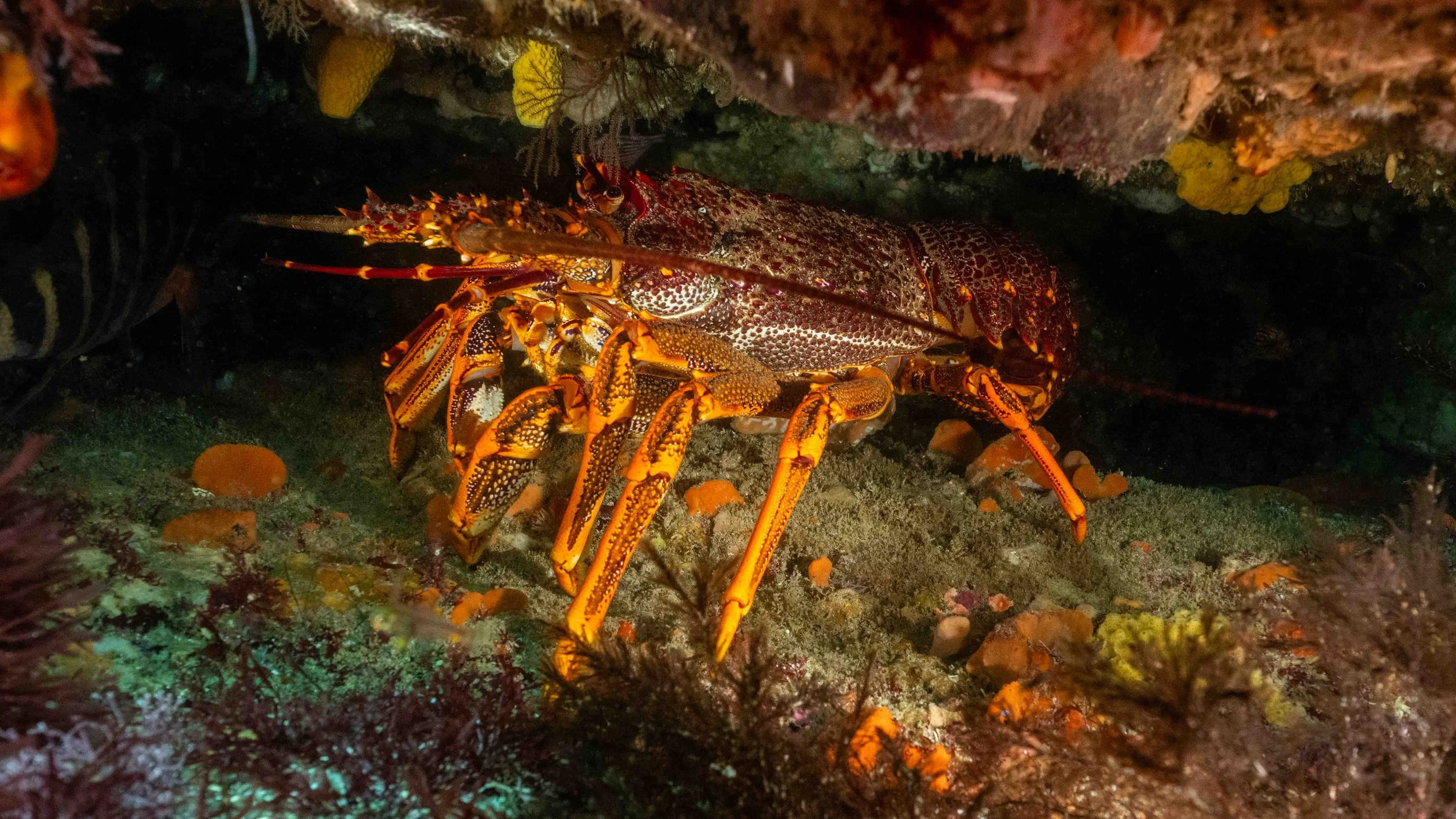

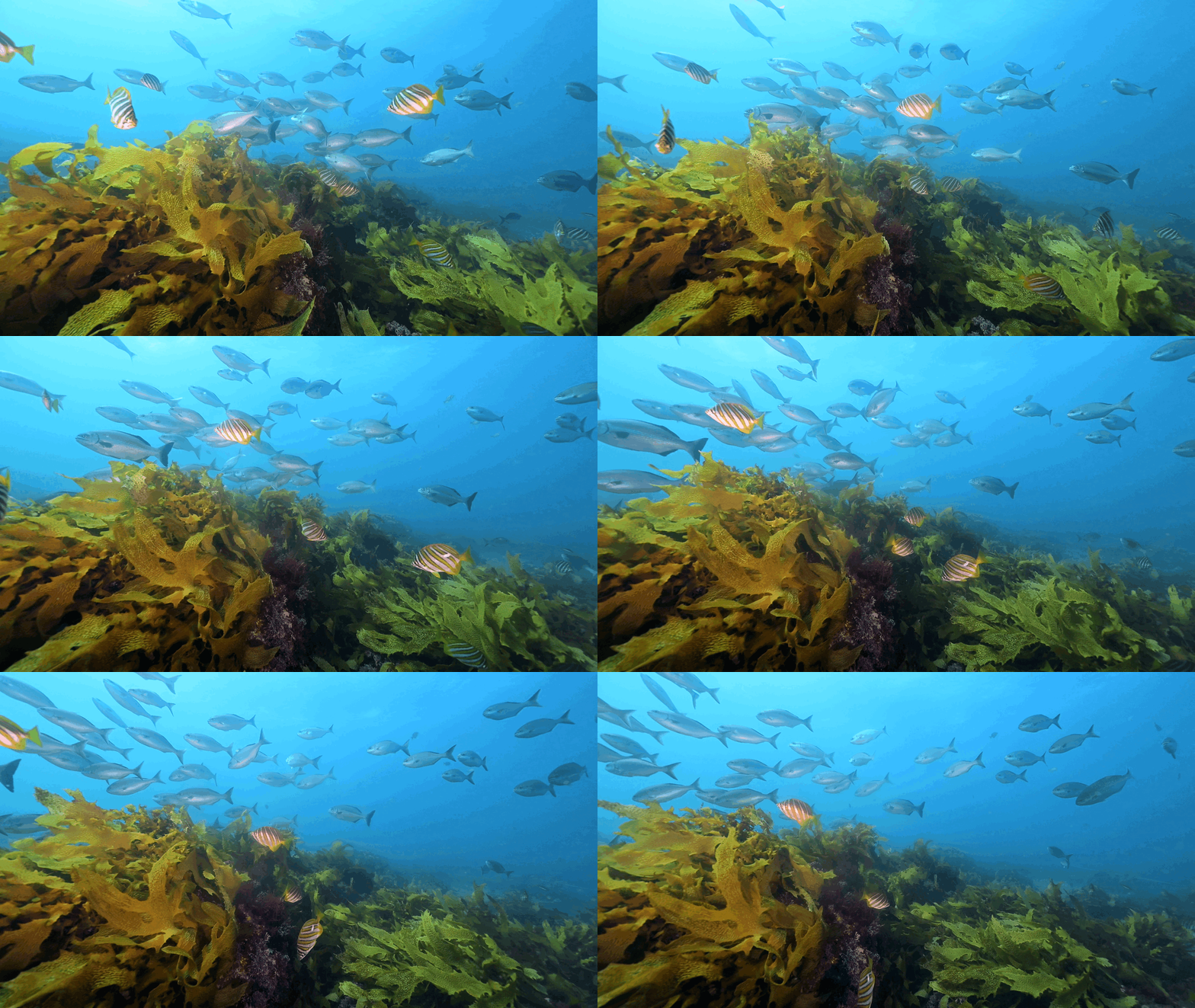
Some of the exciting findings from the trip, included finding remnant patches of kelp species such as giant kelp (Macrocystis pyrifera), strap weed (Lessonia corrugata) and bull kelp (Durvillaea amatheiae) that have been disappearing from the islands.


It was also a really valuable health check on sites that have been surveyed over the past 30 years. This region is under a lot of pressure from warming waters and range extending species - such as the long-spine urchin (Centrostephanus rodgersii).
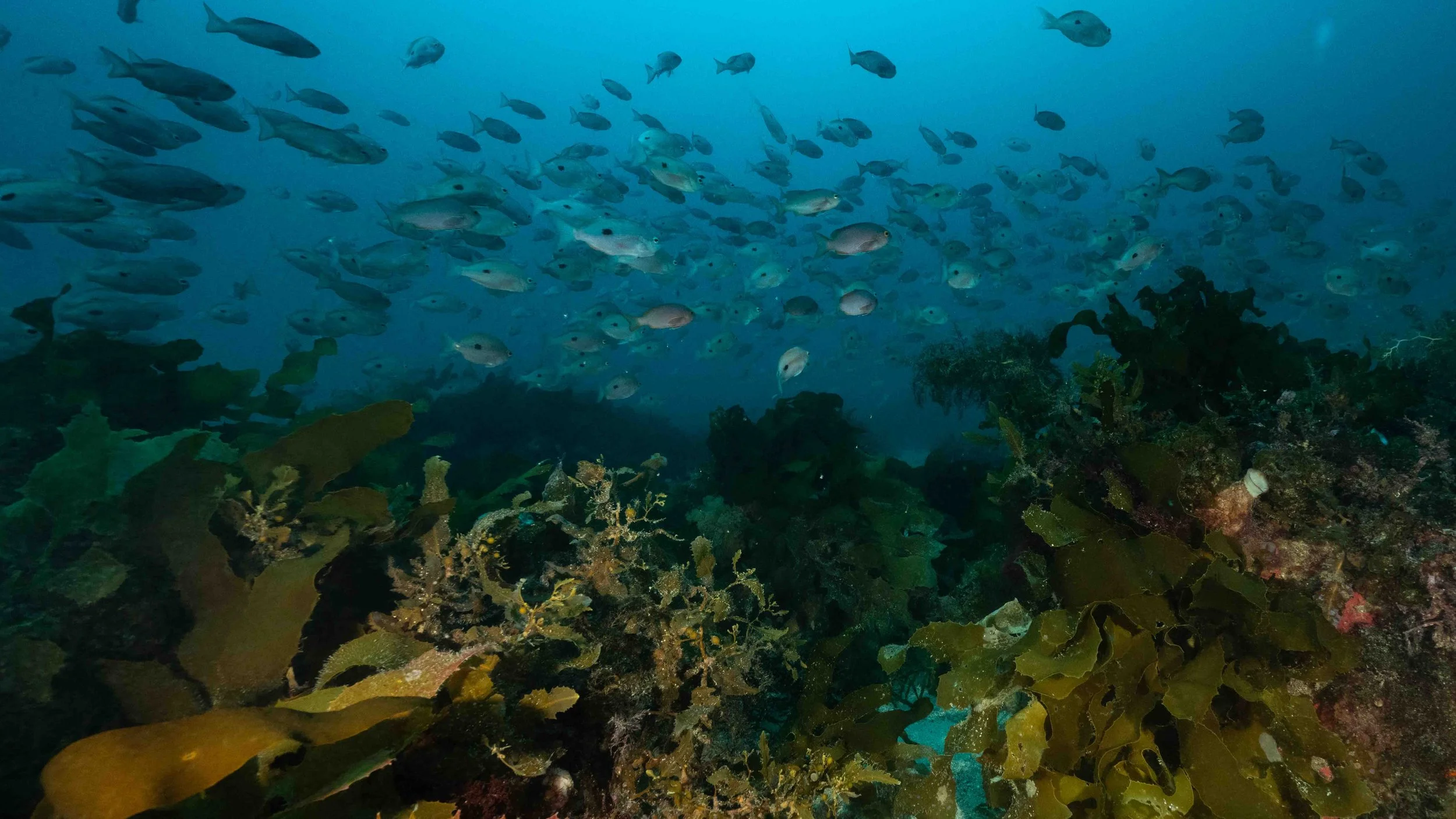
The Kent group in particular, is quite difficult to get to, so this was an extremely valuable opportunity to survey these remarkable reefs that provide a bridge across the GSR between western and eastern taxa.
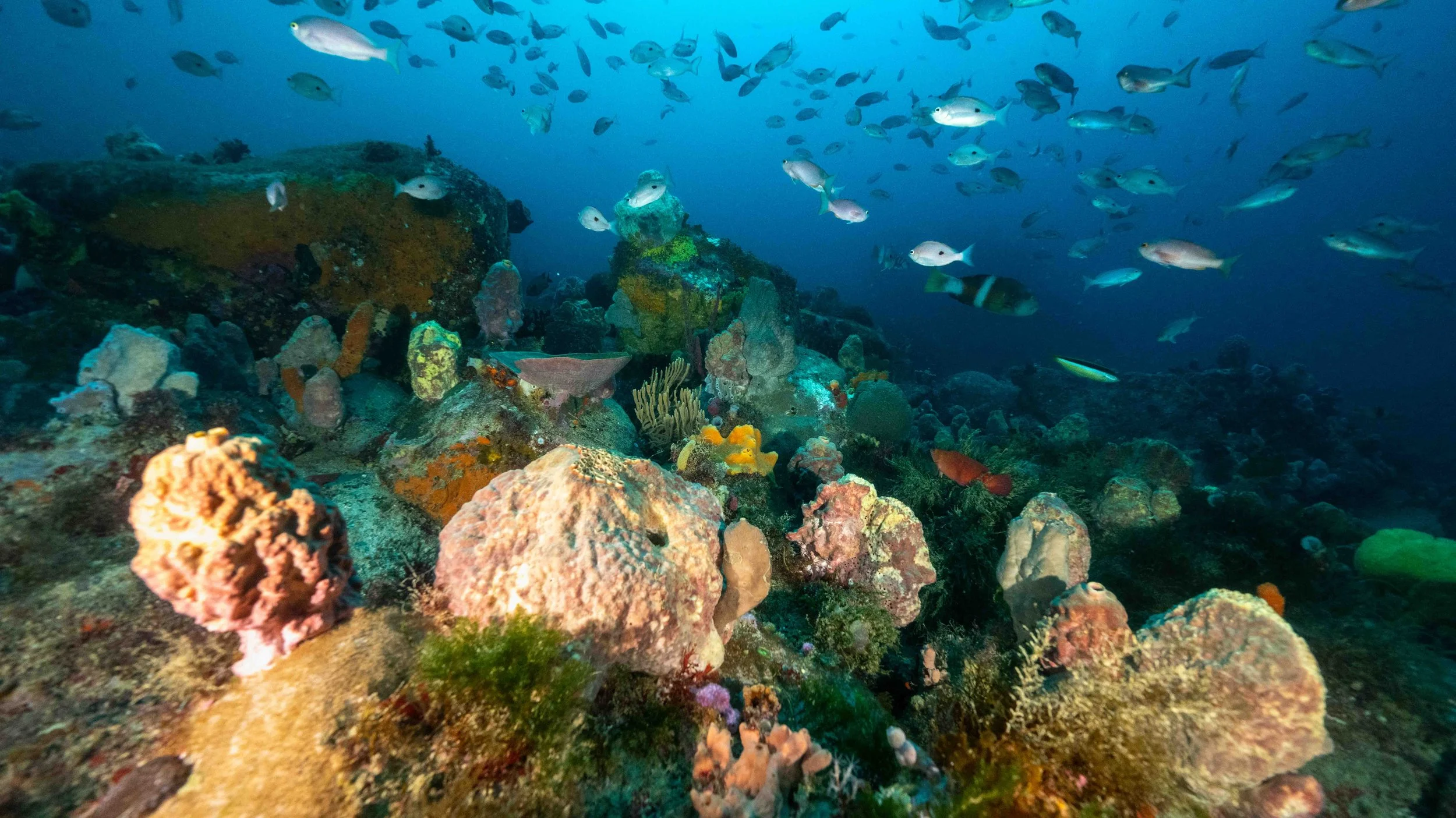
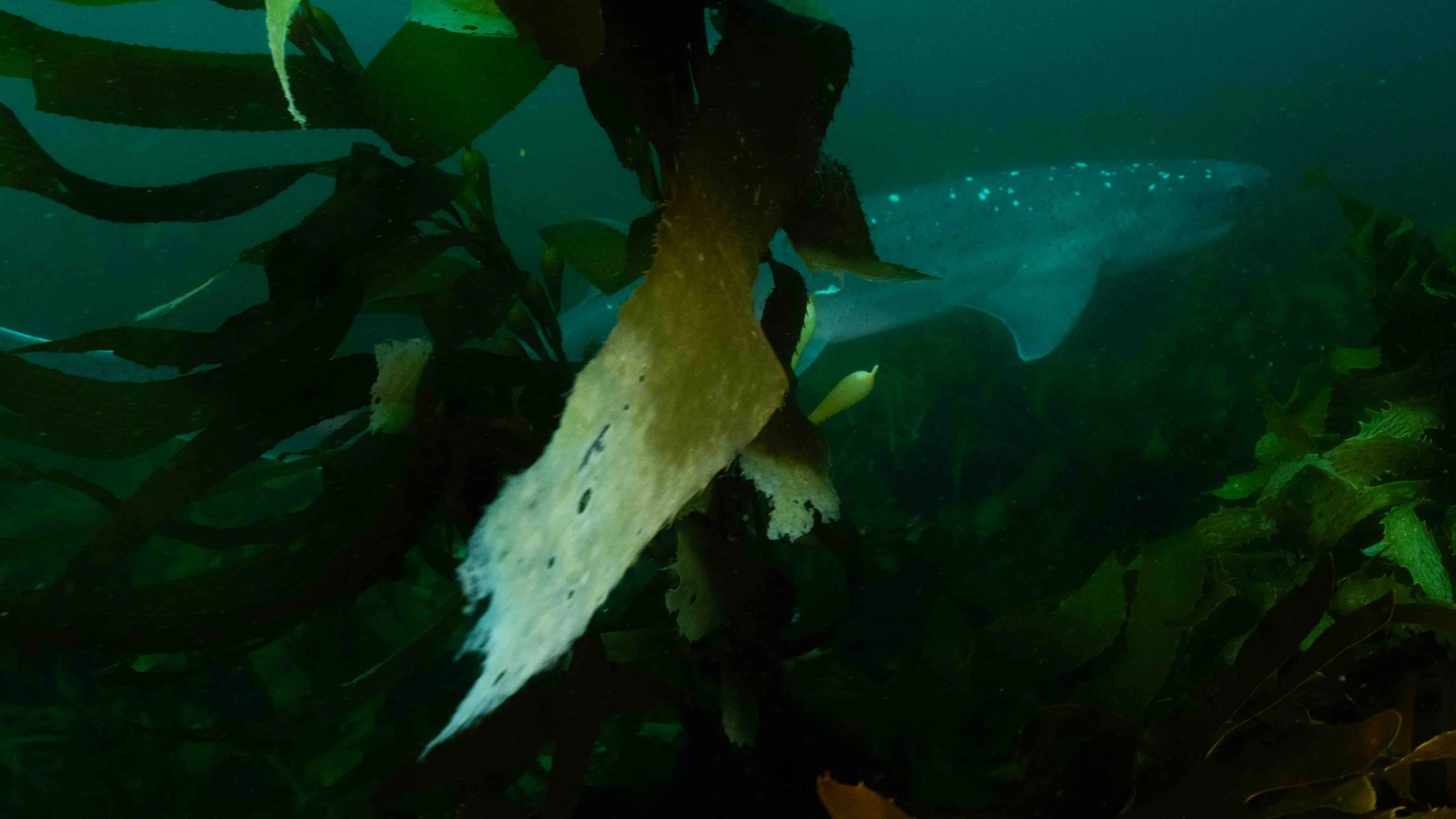
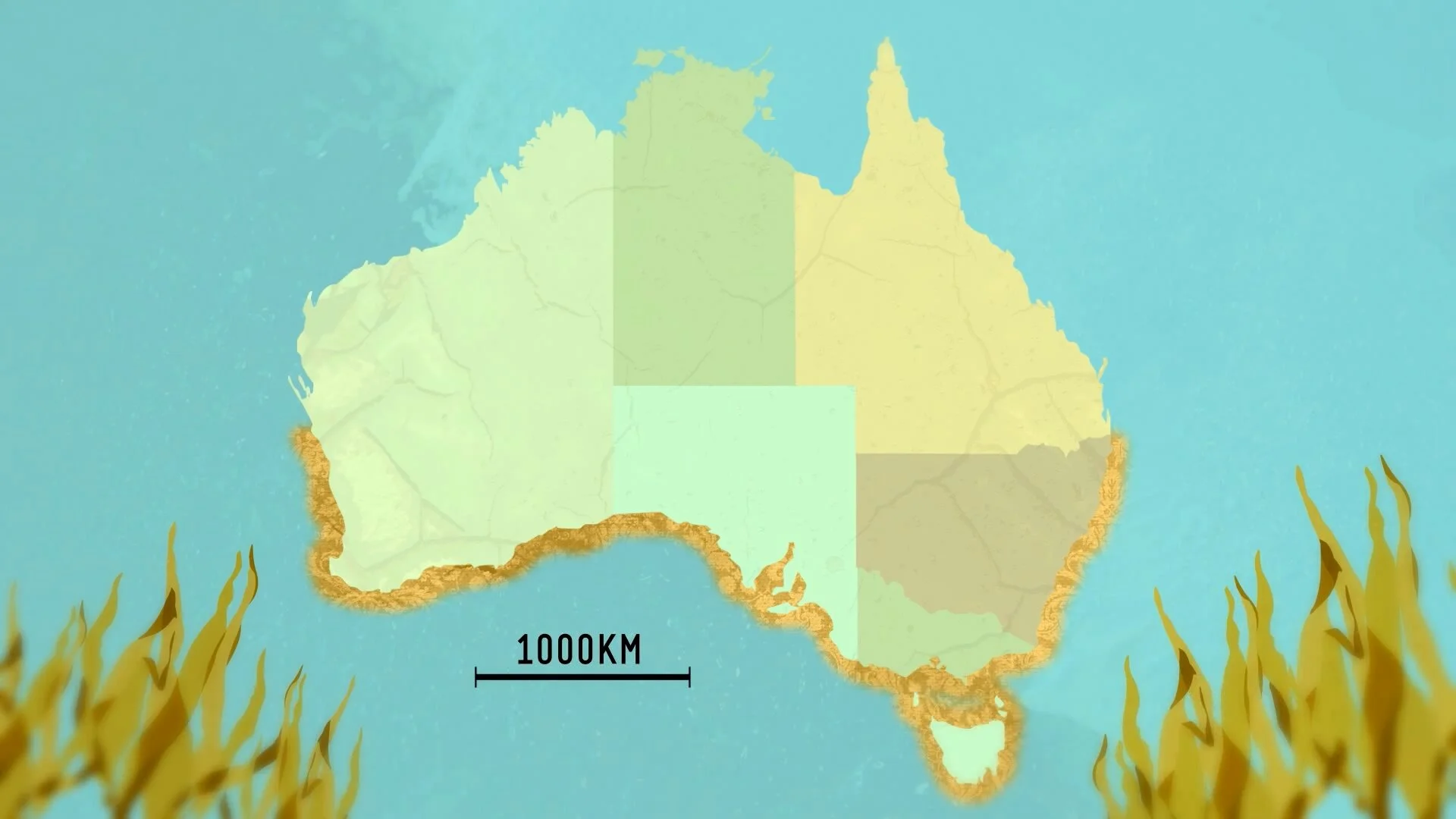
While roughly 1/3 of species are cosmopolitan across the Great Southern Reef, many are locally endemic to either the SW or SE. In the Kent group, several of these eastern and western taxa come together, which is exciting to see from an ecological and evolutionary perspective.
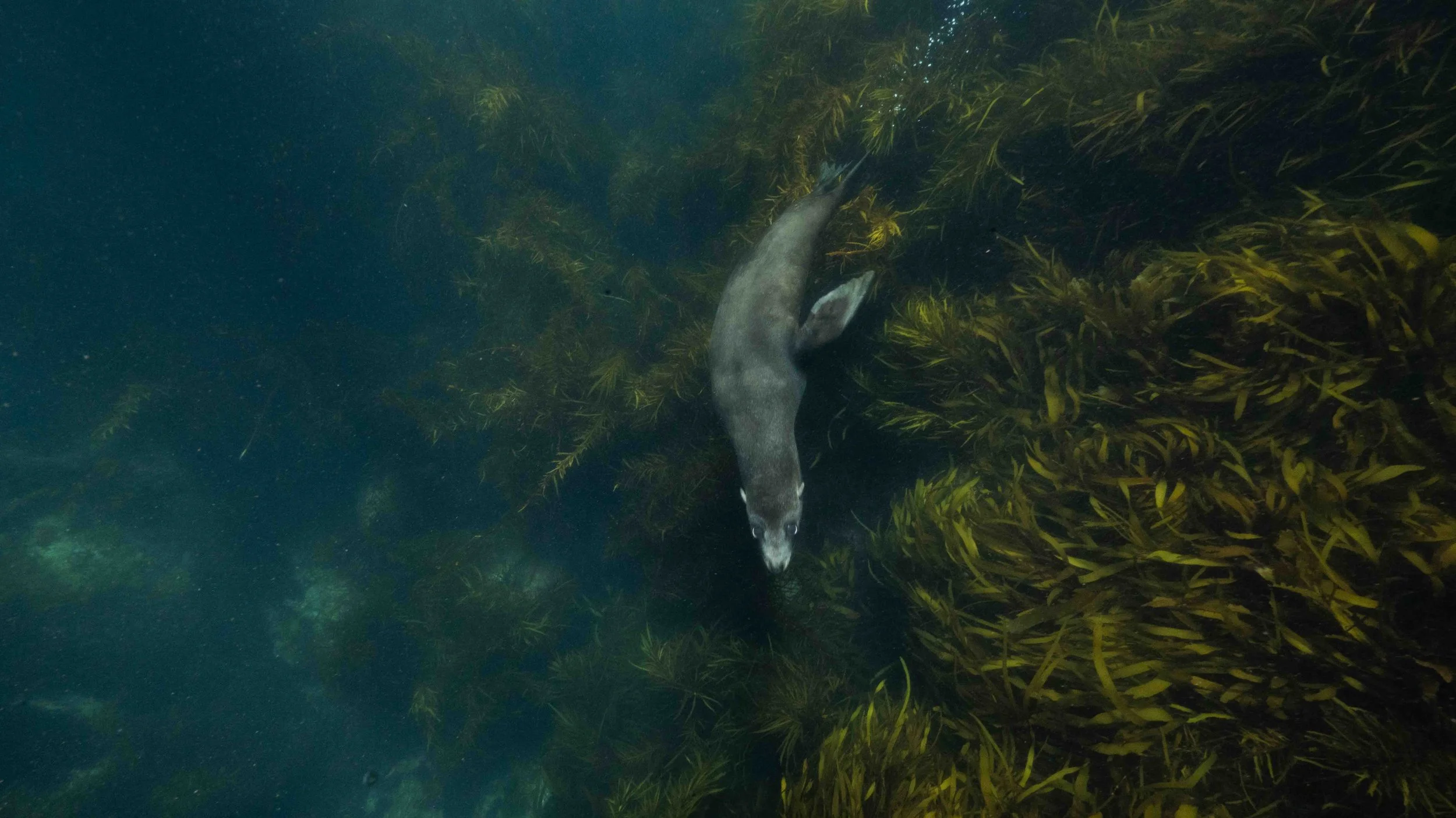
The expedition forms part of the Saving Native Species work on Giant Kelp supported by the Federal Government and the long-term reef biodiversity monitoring supported through the Ian Potter Foundation.
Imagery by Scott BennettCONNECT
-
![]()
GSR FAQ
What is the Great Southern Reef? What is unique about it? and how is climate change affecting it? Find out answers, ask your own question and more.
-
![]()
PARTNERS
Our partners help bring bold ideas to life. They power collaborations, support impact campaigns, and help share Great Southern Reef stories far and wide.
-
![]()
EDUCATOR HUB
Looking to deepen your knowledge on the rich biodiversity found in Australia's temperate reefs? This space is designed for you.
-
![]()
take action
Find ways to take part. Volunteer, join events, share reef stories and connect with communities around the Great Southern Reef.
-
![]()
contact us
Reach out with questions, ideas or feedback about reef stories, programs and partnerships.
-
![]()
host a screening
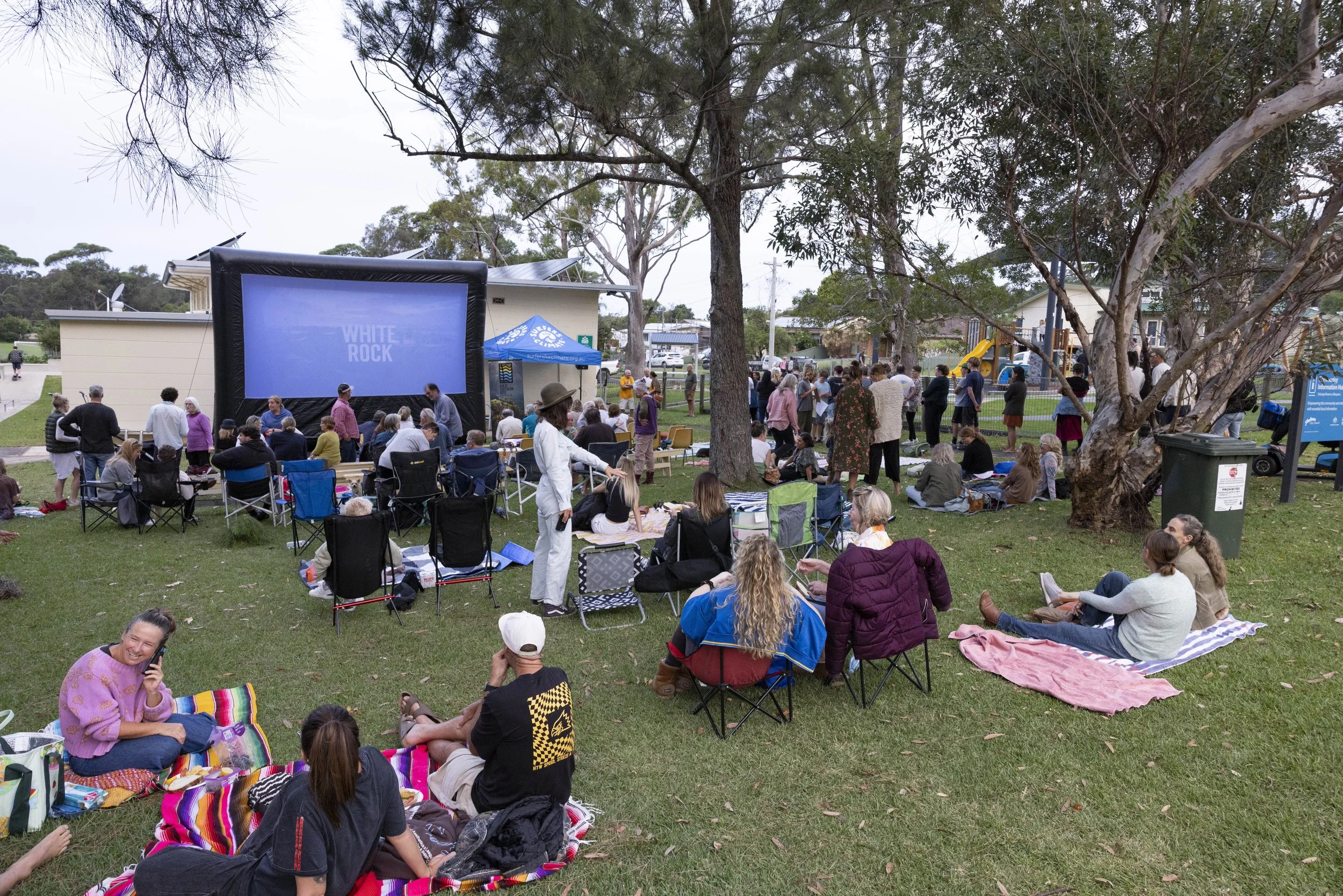
Host a White Rock screening with the Great Southern Reef Foundation. Bring communities together to watch the film, spark conversation and boost local reef engagement.
-
![]()
reef resilience showcase
Our Reef Resilience Photo & Art competition is live this summer in South Australia. We’re calling on divers, snorkellers, photographers, drone pilots, artists, and coastal travellers to share photos, video, and art showing what’s still thriving across SA’s reefs.


explore
-
![]()
MARINE LIFE
Meet the species that live across Australia’s Great Southern Reef. Learn how fish, seaweeds, invertebrates, and marine mammals connect to healthy reef systems.
-
![]()
WHITE ROCK
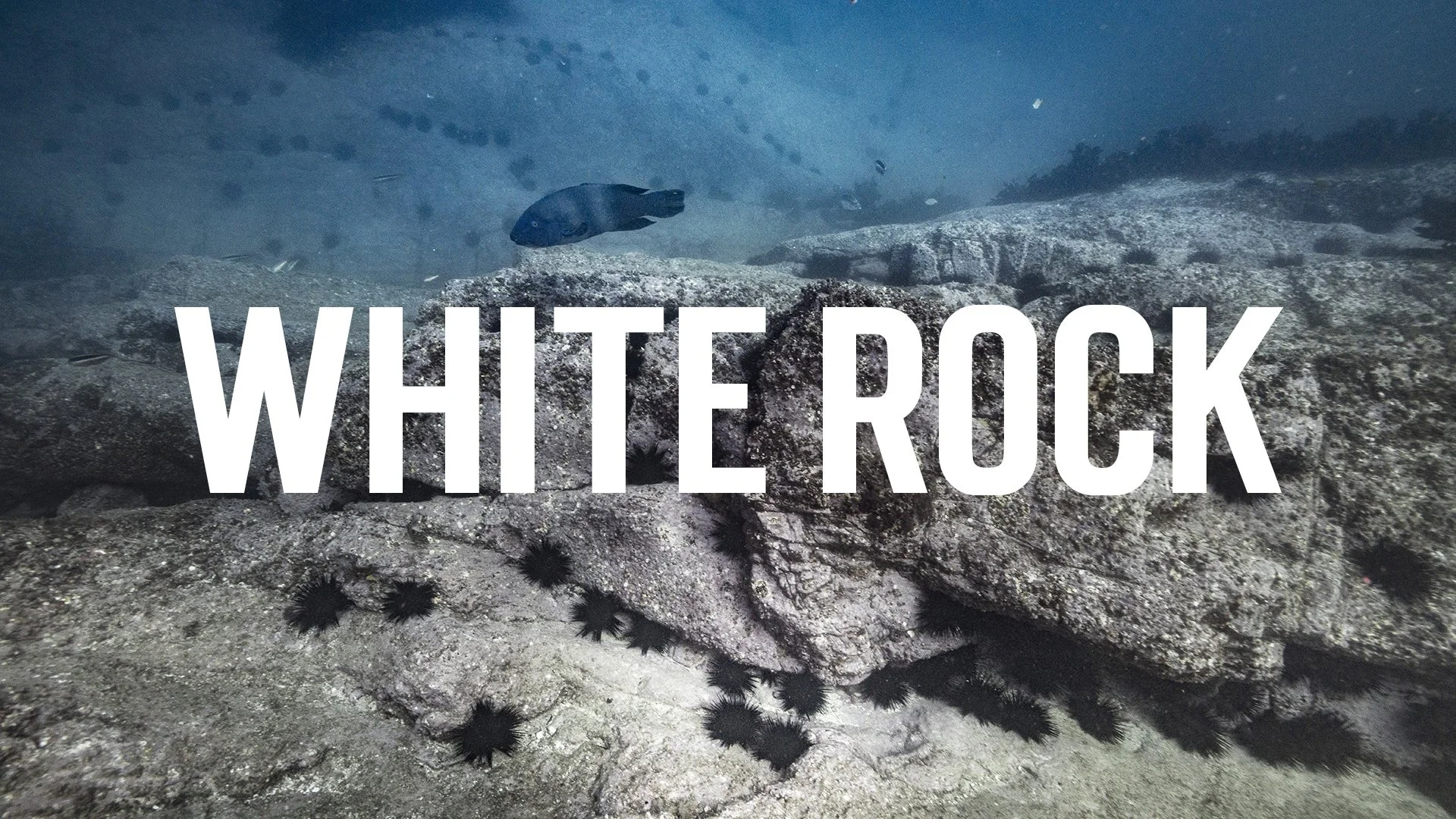
With stunning visuals and impactful storytelling, White Rock captures the urgent threat of longspined urchins to the GSR and presents tangible solutions to save them.
-
![]()
VIDEOS
Check out our short films and clips about temperate reef life, research in action, community work and reef encounters across southern Australia.
-
![]()
FEATURE CREATORS
Each month we feature a creator from across the Great Southern Reef sharing their connection to the coast through photography, art and storytelling.
-
![]()
ARTICLES
A deeper look at timely reef topics, stories and insights from science, community voices and coastal experiences.