
when home is everything
the southern blue devil story
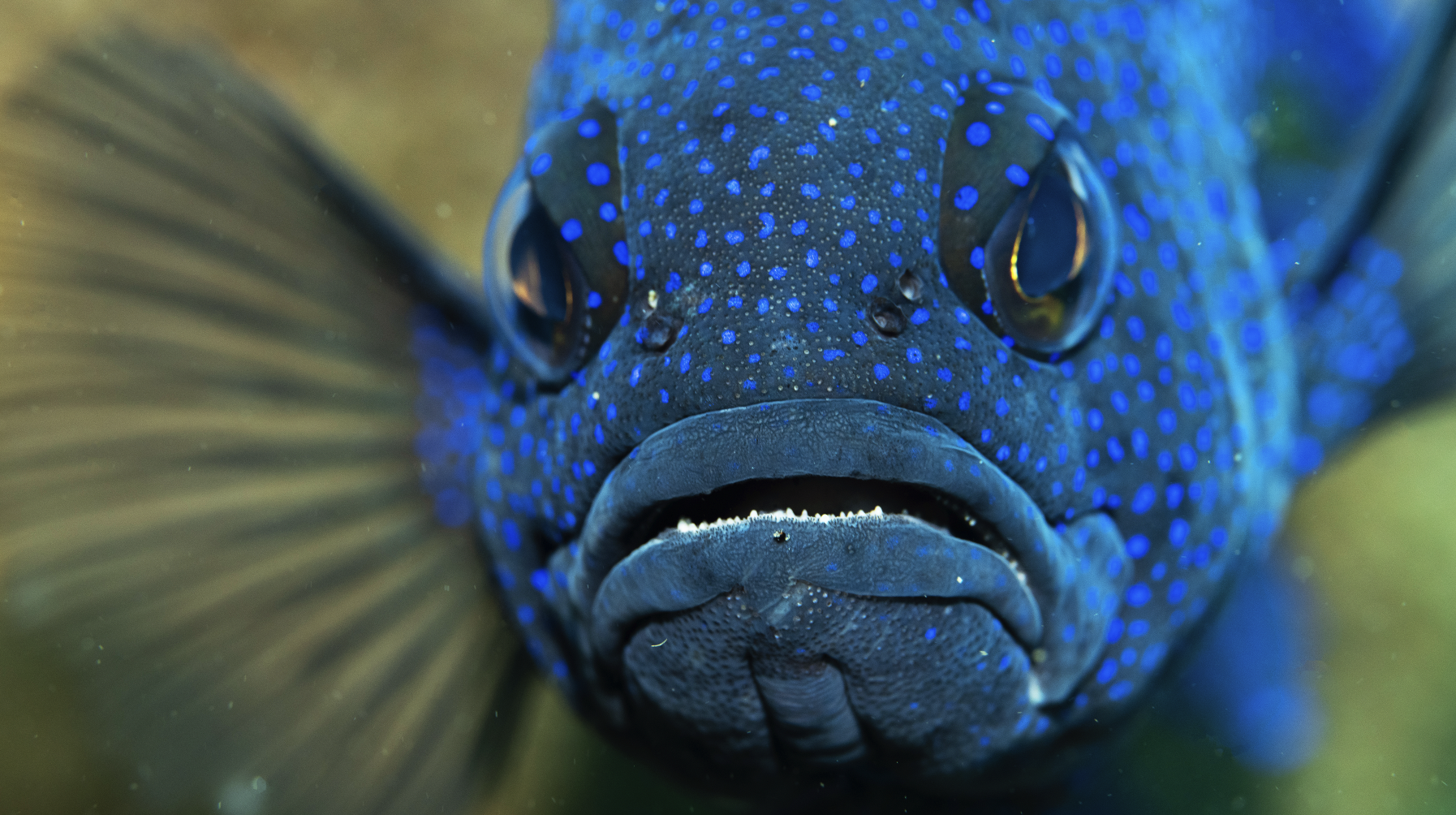
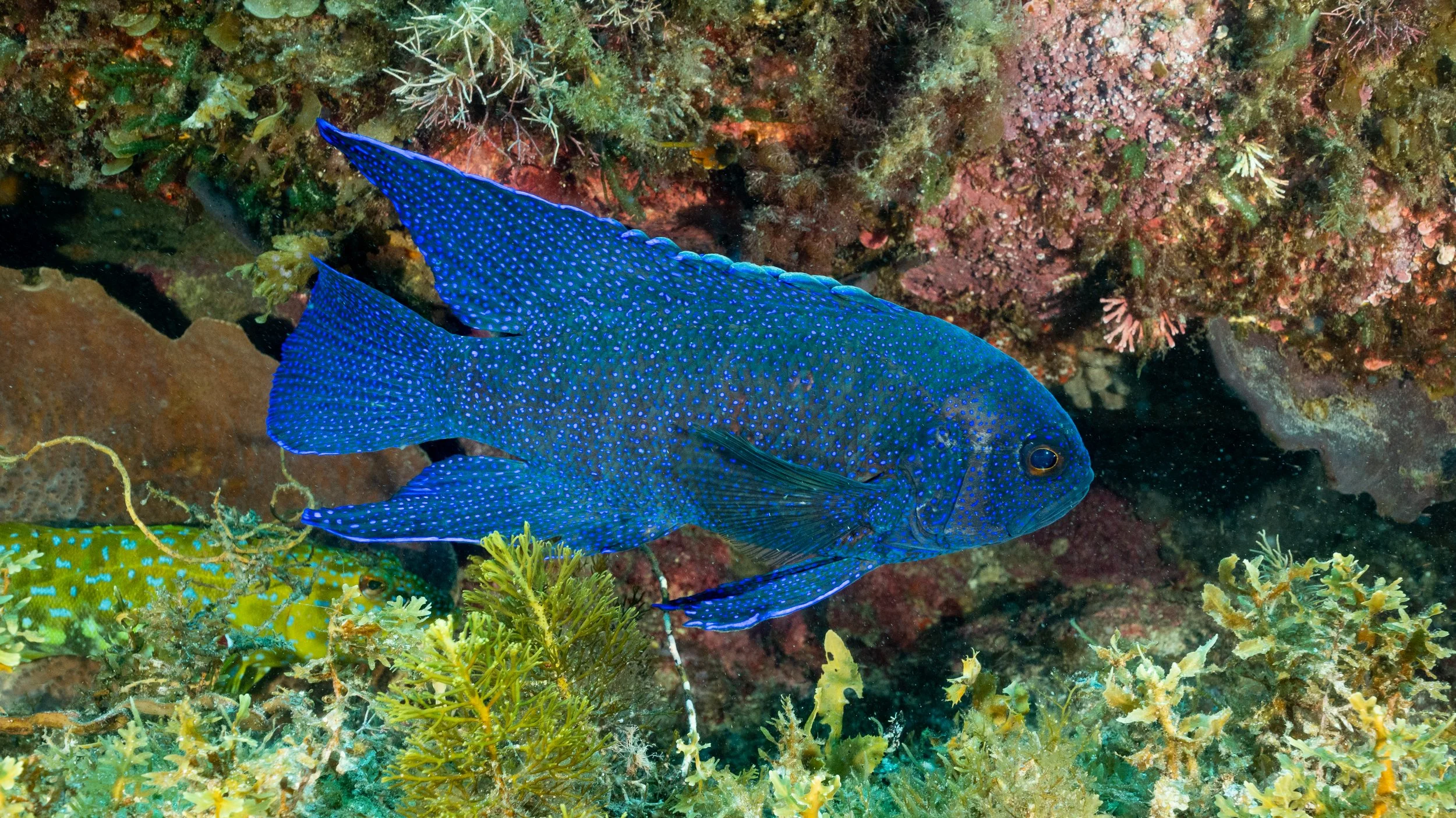
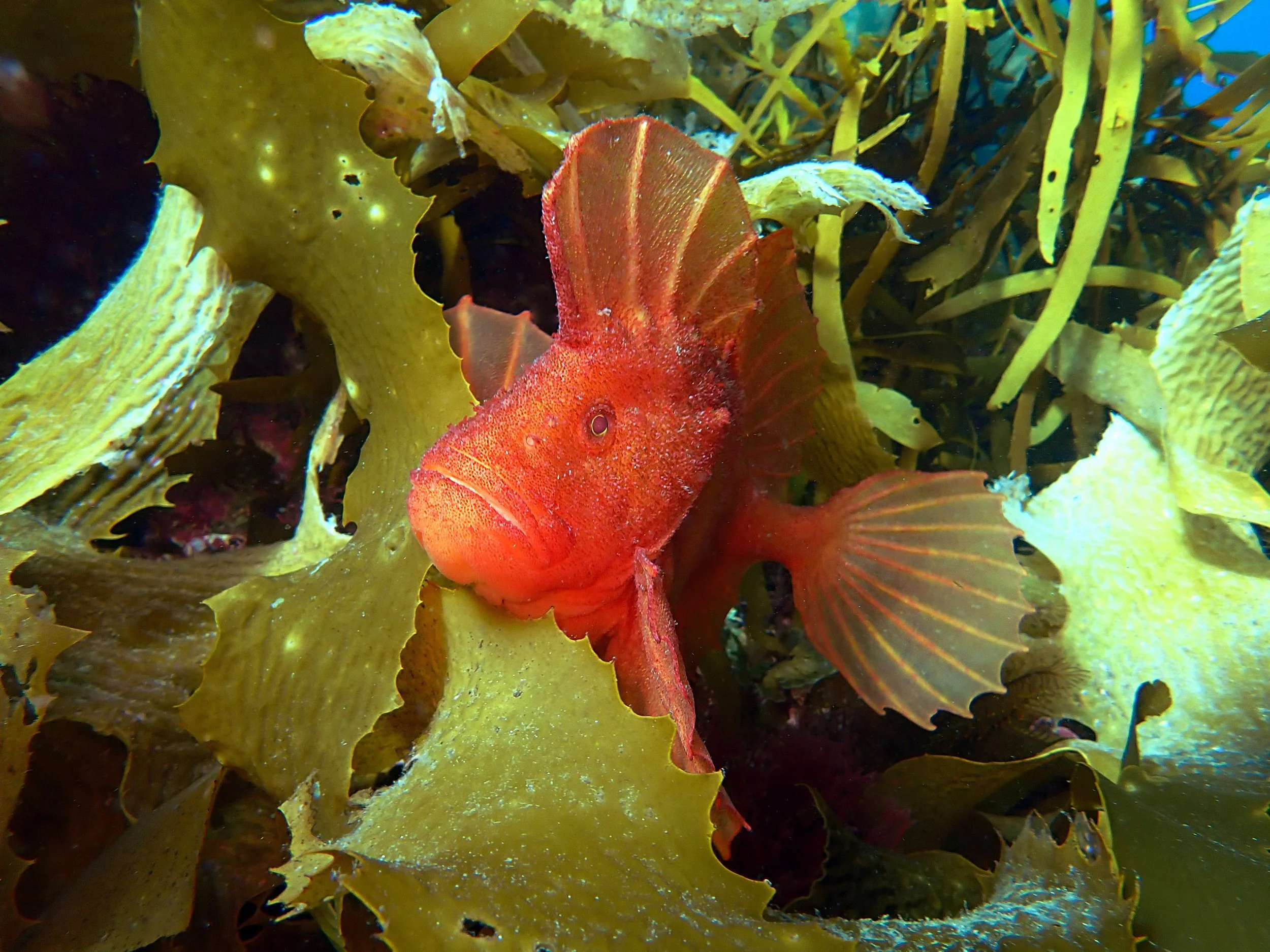
The Southern Blue Devil has presence.
Electric blue spots. Heavy brow. Permanent scowl.
Yet anyone who has spent time with them on the reef knows they are calm, curious and often surprisingly tolerant of divers.
Over years of fieldwork, researchers have come to recognise individuals. In some cases, they have built familiarity with the same fish that reliably hang out on the same reefs year in, year out.
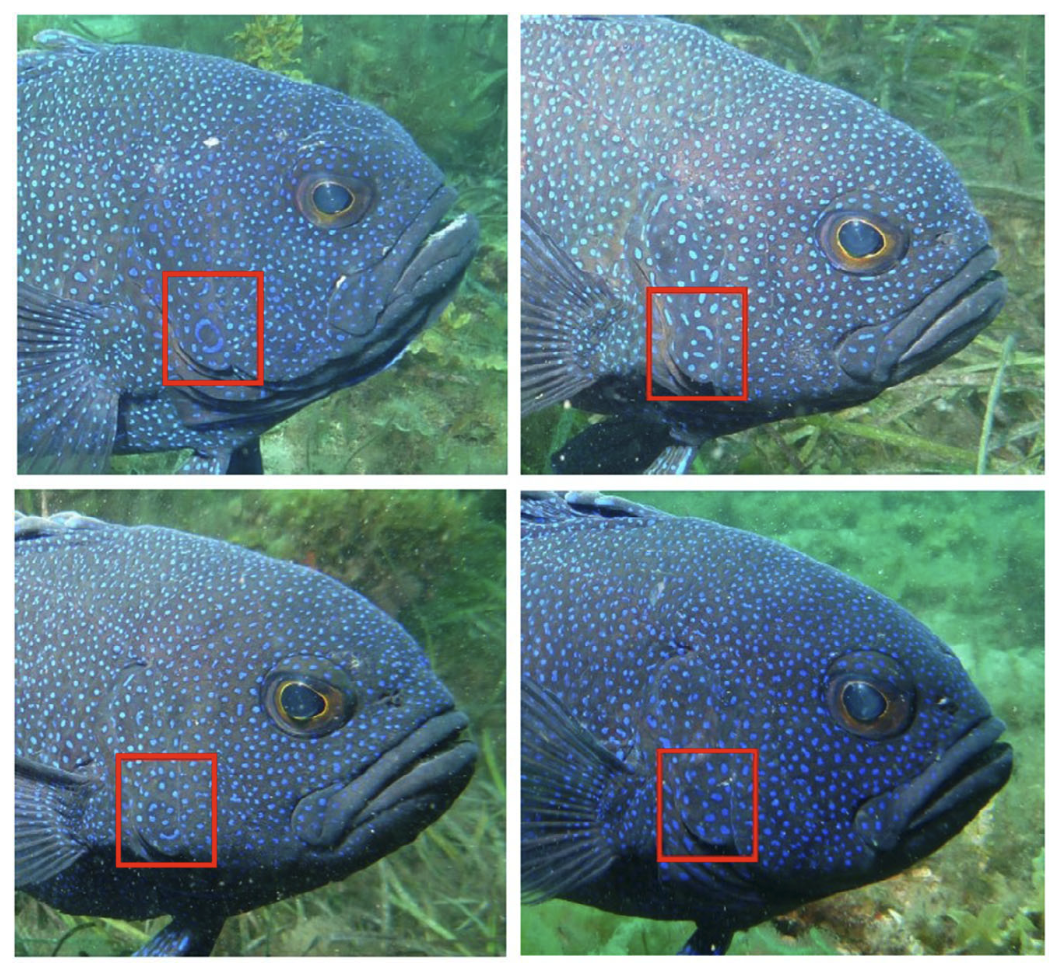
Examples of unique gill covering markings on blue devils by Simon ByrarsA new study shows just how tightly Southern Blue Devils are tied to specific reef patches, using photo identification to track individuals. Over more than a decade of surveys, researchers have built a catalogue of individuals from images of both sides of the head, matching each fish by its unique constellation of blue spots and markings. Like fingerprints, these patterns remain stable over time.

By revisiting sites and re-photographing individuals, they confirmed that most devils occupy very small home ranges, found within the crevices and ledges of the same reefs across multiple years. Scientists refer to this behaviour as the species having high site fidelity, or put simply, they are homebodies.
Southern Blue Devils are also a very long lived fish, with an estimated maximum age of almost 60 years. They grow slowly and do not reproduce rapidly.
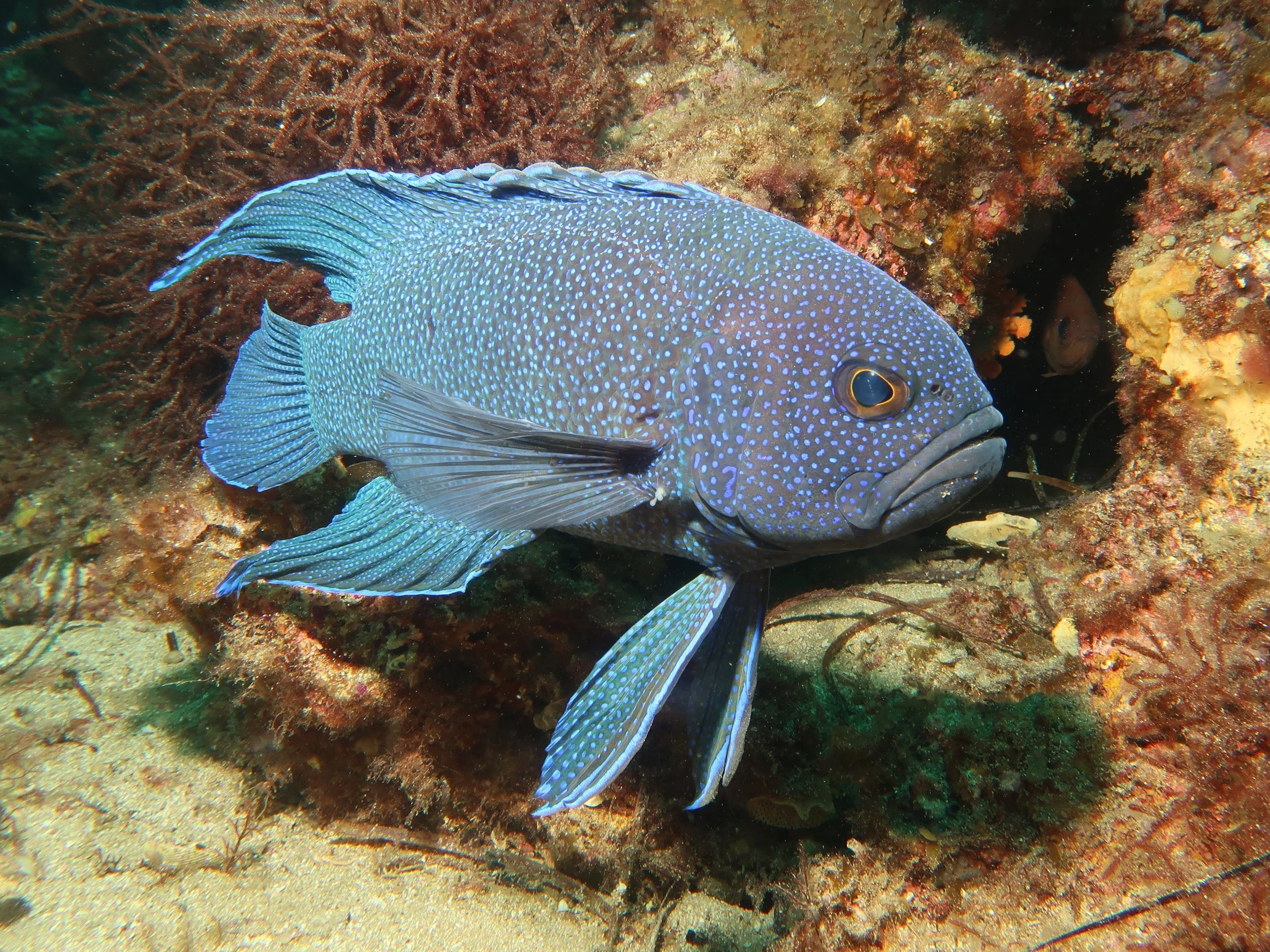
That combination of longevity, low turnover and strong site attachment means local populations can take decades to rebuild if numbers fall.
Off metropolitan Adelaide’s coastline in Gulf St Vincent lies Seacliff Reef, part of the network of reefs where researchers have spent years observing Southern Blue Devils in the wild. Sandstone ledges, overhangs and tight caves that function as ideal Devil habitat.
These spaces are also nesting sites. In late spring and summer, males guard egg masses attached to cave ceilings until hatching. The structure of the reef underpins the species’ life cycle.
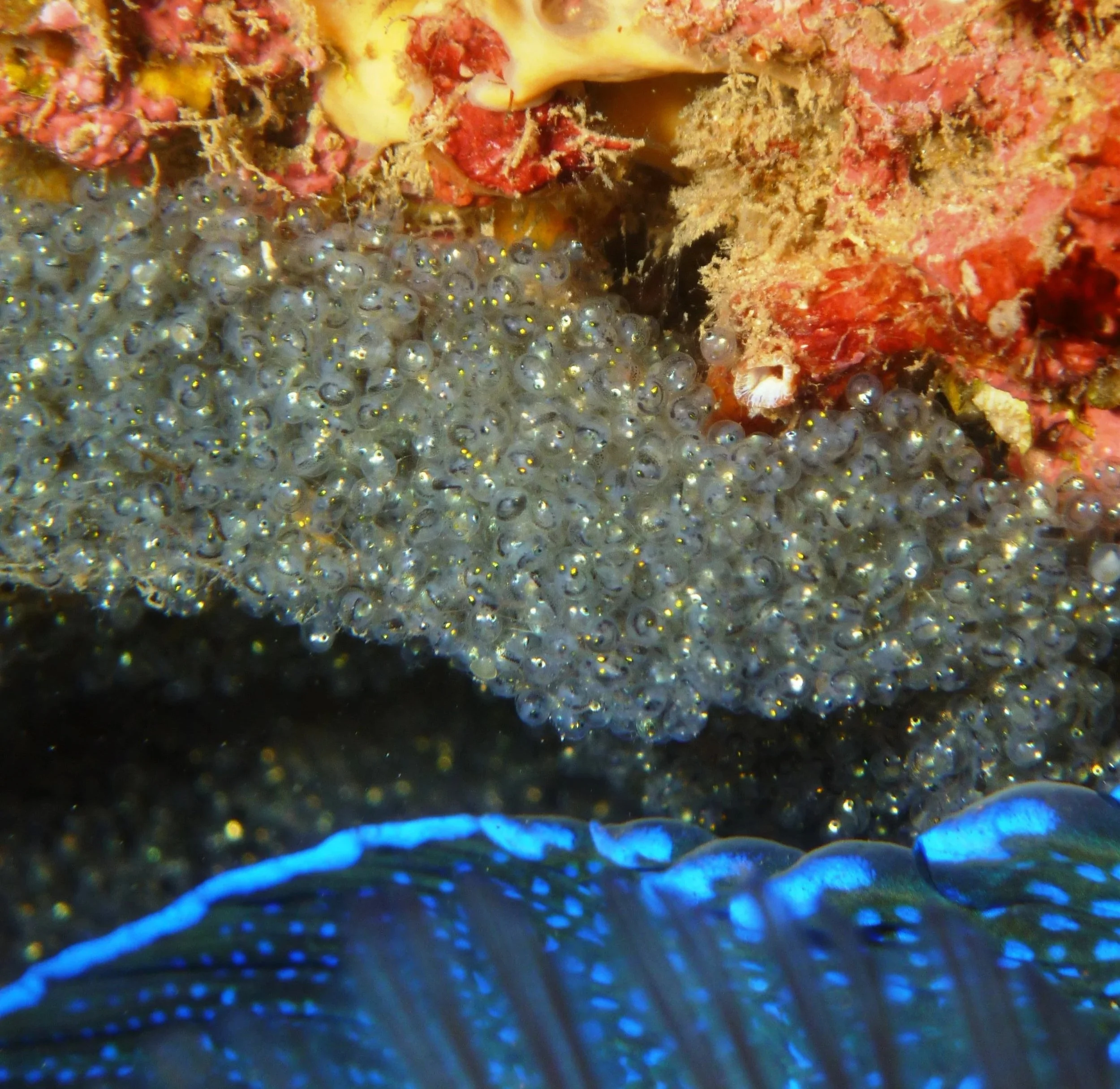

But strong site fidelity has a cost. Devils rarely shift between reefs.
When local conditions deteriorate, they do not simply relocate.

Recent harmful algal bloom events across Gulf St Vincent led to widespread marine mortalities. Southern Blue Devils were among the fish recorded washed ashore. For a long-lived species with such small home ranges, impacts can echo for years.

Clear photo records help researchers track Southern Blue Devils across the Great Southern Reef. If you see a live devil, keep your distance and avoid crowding caves or crevices. If you can, take clear shots of both sides of the head (including the gill cover markings), record the date and location, and upload your sighting to iNaturalist. If you find a dead Southern Blue Devil, photograph it, record the date and location (and measure if you can), then upload to iNaturalist and mark it as Dead in the record.
With recent harmful algal bloom impacts in Gulf St Vincent and surrounding waters, SA researchers are compiling extra records. If your sighting is in South Australia, you can add it to the Southern Blue Devils in South Australia iNaturalist project.
Imagery supplied by Simon Bryars and Jamie HicksCONNECT
-
![]()
GSR FAQ
What is the Great Southern Reef? What is unique about it? and how is climate change affecting it? Find out answers, ask your own question and more.
-
![]()
PARTNERS
Our partners help bring bold ideas to life. They power collaborations, support impact campaigns, and help share Great Southern Reef stories far and wide.
-
![]()
EDUCATOR HUB
Looking to deepen your knowledge on the rich biodiversity found in Australia's temperate reefs? This space is designed for you.
-
![]()
take action
Find ways to take part. Volunteer, join events, share reef stories and connect with communities around the Great Southern Reef.
-
![]()
contact us
Reach out with questions, ideas or feedback about reef stories, programs and partnerships.
-
![]()
host a screening
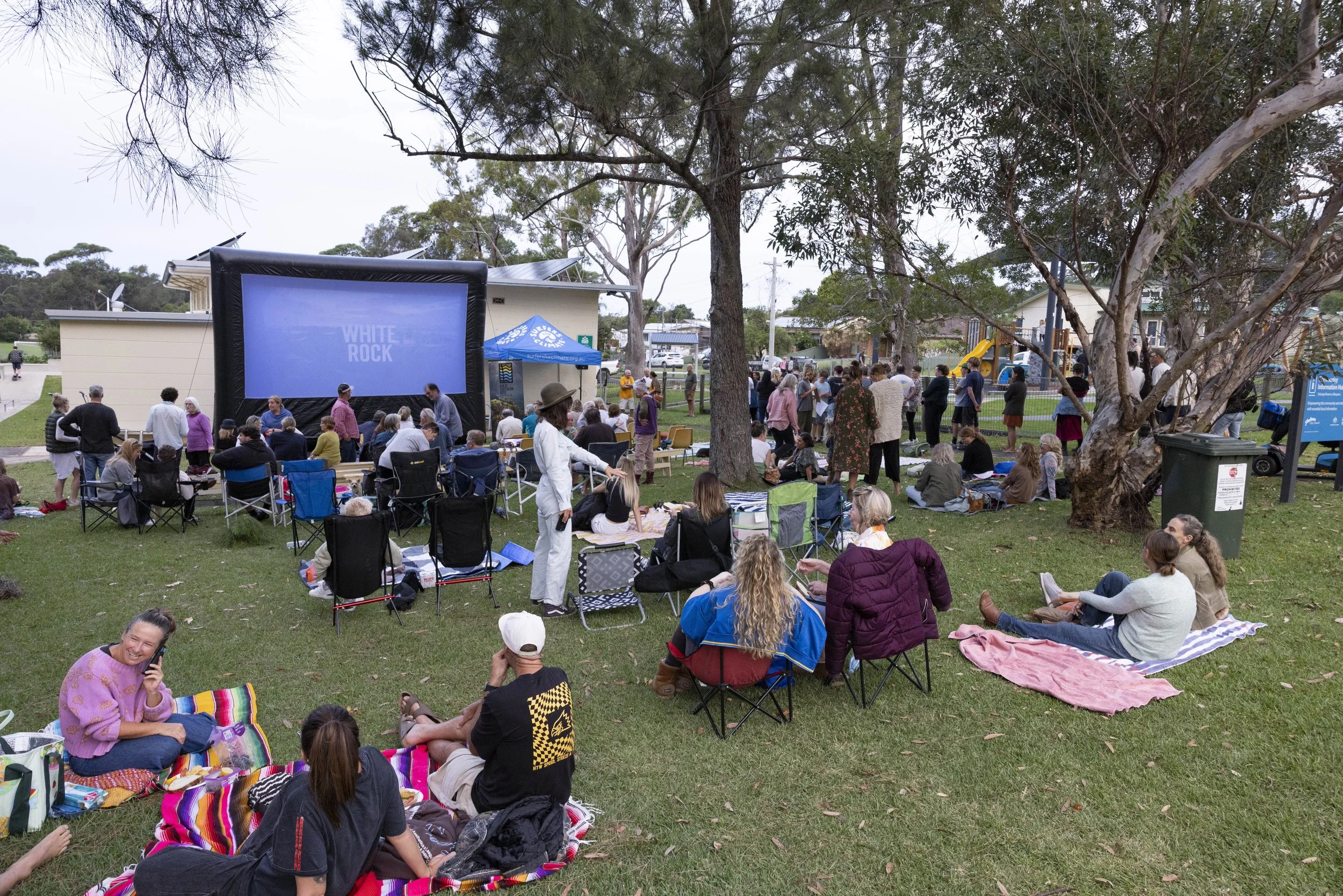
Host a White Rock screening with the Great Southern Reef Foundation. Bring communities together to watch the film, spark conversation and boost local reef engagement.
-
![]()
reef resilience showcase
Our Reef Resilience Photo & Art competition is live this summer in South Australia. We’re calling on divers, snorkellers, photographers, drone pilots, artists, and coastal travellers to share photos, video, and art showing what’s still thriving across SA’s reefs.


explore
-
![]()
MARINE LIFE
Meet the species that live across Australia’s Great Southern Reef. Learn how fish, seaweeds, invertebrates, and marine mammals connect to healthy reef systems.
-
![]()
WHITE ROCK
With stunning visuals and impactful storytelling, White Rock captures the urgent threat of longspined urchins to the GSR and presents tangible solutions to save them.
-
![]()
VIDEOS
Check out our short films and clips about temperate reef life, research in action, community work and reef encounters across southern Australia.
-
![]()
FEATURE CREATORS
Each month we feature a creator from across the Great Southern Reef sharing their connection to the coast through photography, art and storytelling.
-
![]()
ARTICLES
A deeper look at timely reef topics, stories and insights from science, community voices and coastal experiences.

Sign up for our Great Southern Reef Foundation newsletter