Tanitjari
Greater Crested Terns and the bird flu
By Irene WatsonIn July 2026, a Tanitjari, or Greater Crested Tern (Thalasseus bergii), found dead at the marina in Robe on Bunganditj and Meintangk Country became the first Australian wild non-migratory seabird confirmed with H5 bird flu.
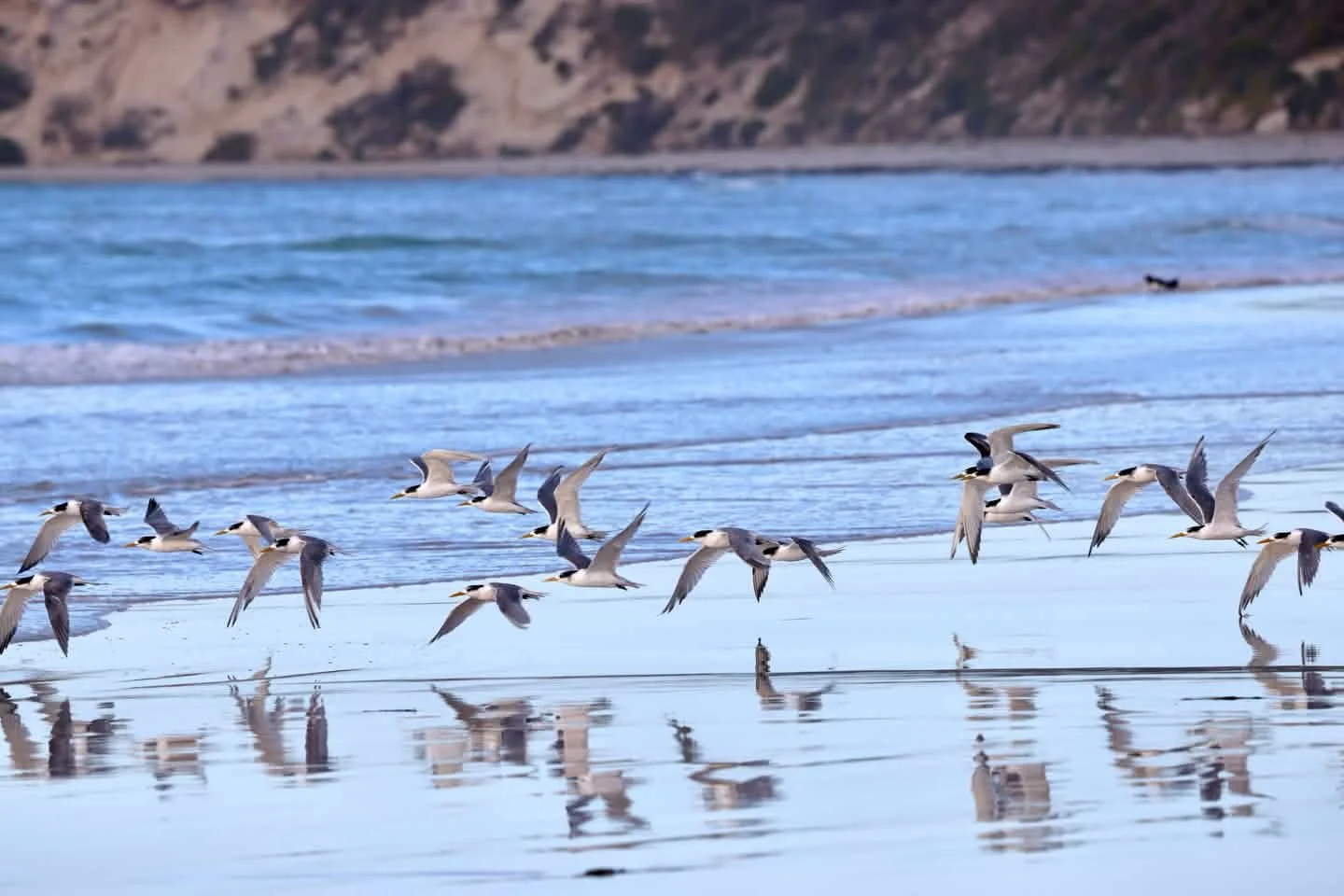
Subsequent aerial surveillance at Bial-bial, now known as Baudin Rocks, identified more than 80 sick or dead wild birds. Authorities later confirmed this as Australia’s first H5 bird flu mass mortality event in wildlife.
Image: Dani Spreitzer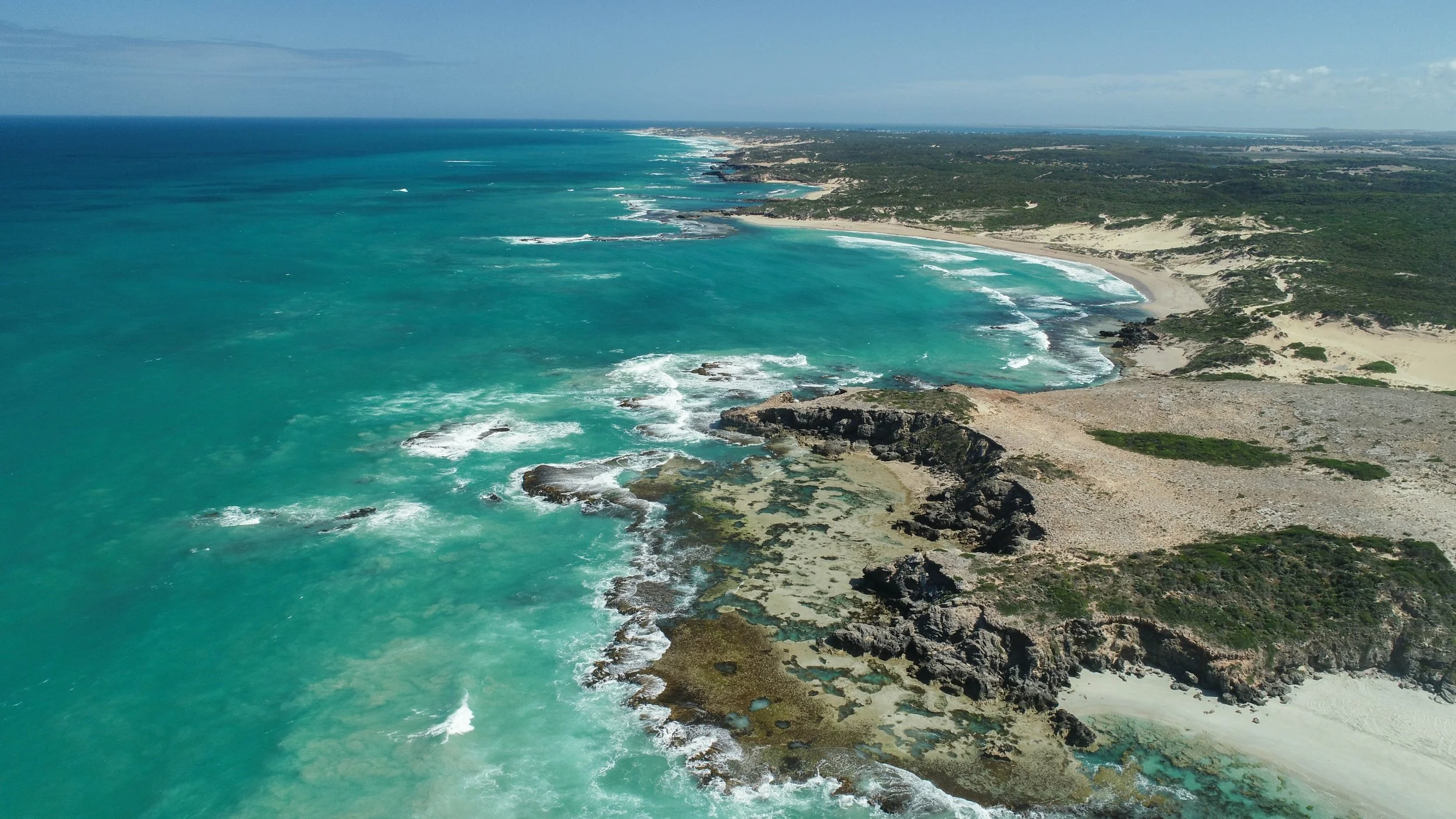
Bial-bial is a breeding colony and a sanctuary for native seabirds. Here the birds use the isolated rocks to nest away from land-based predators, cats and foxes and to feed in relative peace on sea Country marine life. Our ancestors called this Sea Country ngamath; it is now known as the Limestone Coast.
In our Meintangk Bunganditj culture, native terns connect our Peoples to the changing seasons and signs of storms coming. They warned our ancestors and still do today of weather changes. The arrival of the terns is our Meintangk, Bunganditj natural calendar. Their presence showed us it was a time for good fishing and the beginning of major root vegetable harvests, we could plan our lives, around our relationship with the Tanitjari.
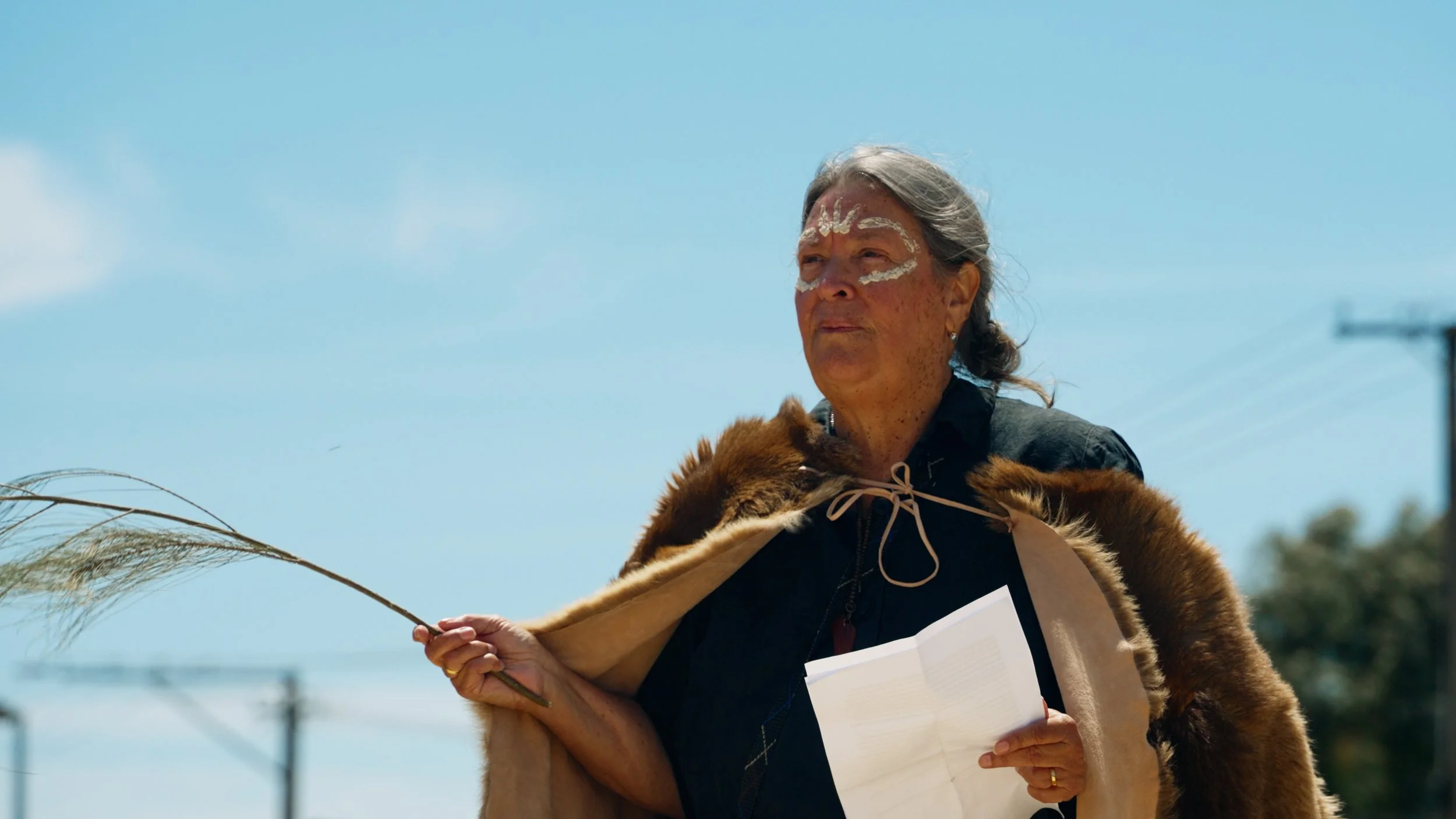
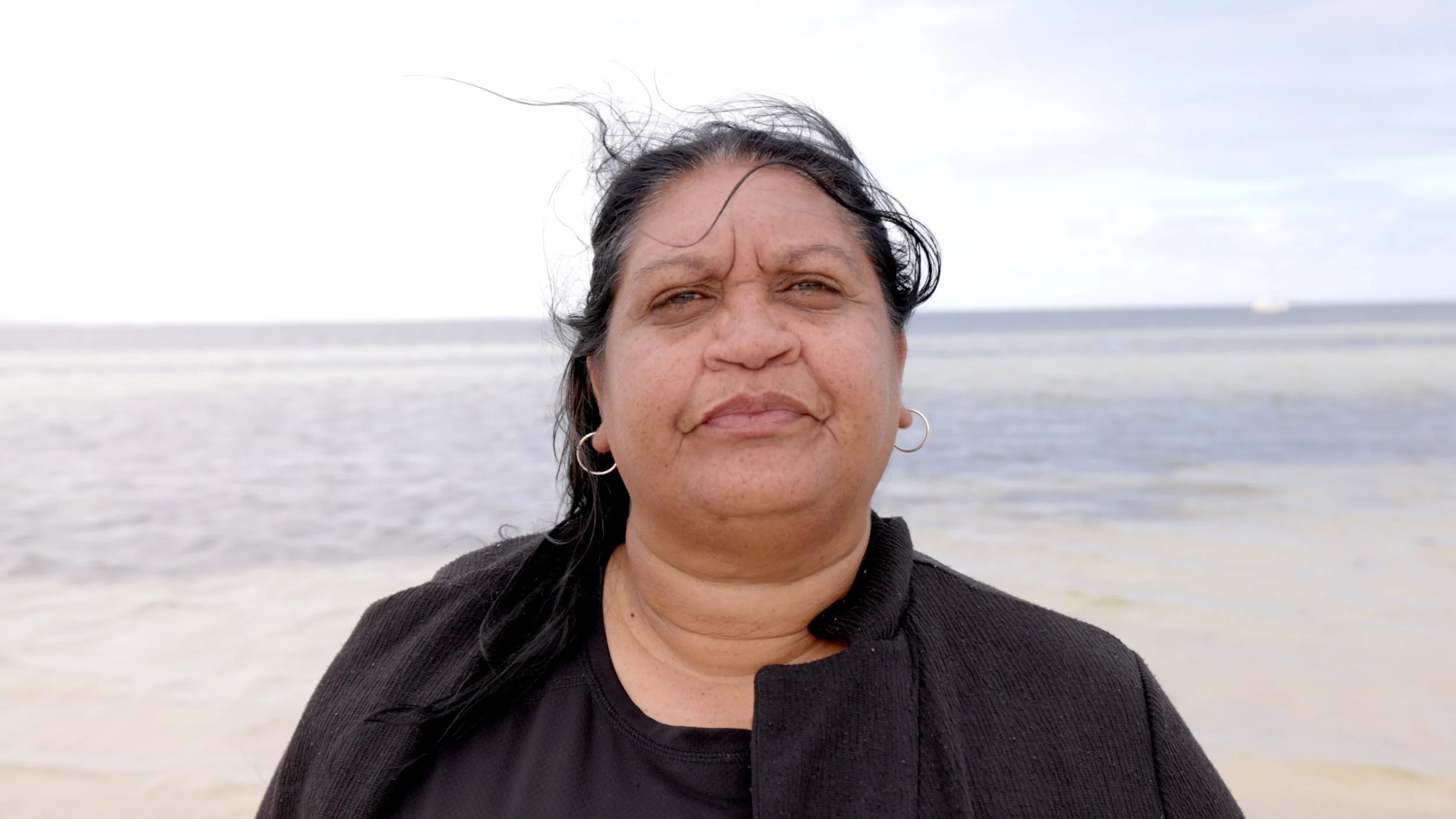
Image: Author Irene Watson by Kyahm RossMy mother held her responsibility to care for Country and the Sea close to her heart. She was a fierce advocate for the camouflaged eggs which lay directly in simple scrapes on sandy beaches, where they are vulnerable to being trampled or run over by vehicles. Our old peoples in our stories used the bird’s vulnerability to communicate knowledge of caring for Country in a way which is sustainable for future Meintangik Bunganditj peoples. Bial- bial is a big story place for our Peoples, a place that the Tanitjari story resides with other big stories, including those of the emu and the brolga.
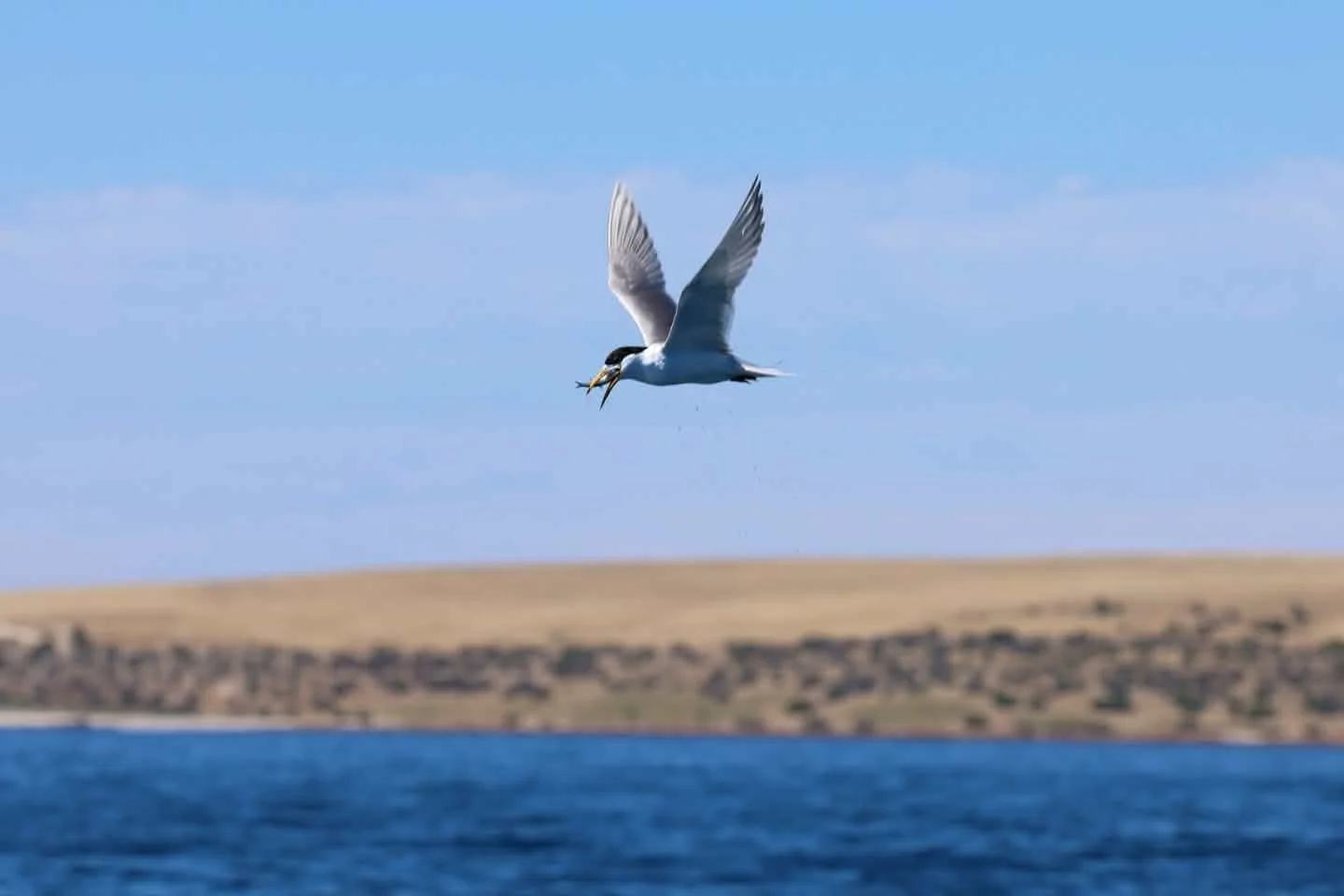
The tern has forever brought warning of storms and big winds coming. Today their death and sickness warn of H5 avian influenza. We hope their capacity to warn of what is coming will be heeded and we can stop the virus from spreading and care for our native birds to ensure they live on. But this seems impossible to achieve. If it is impossible and we lose our relation the Tanitjari, who will warn of storms coming and good times to fish? That is, if there are any fish left for us to take.
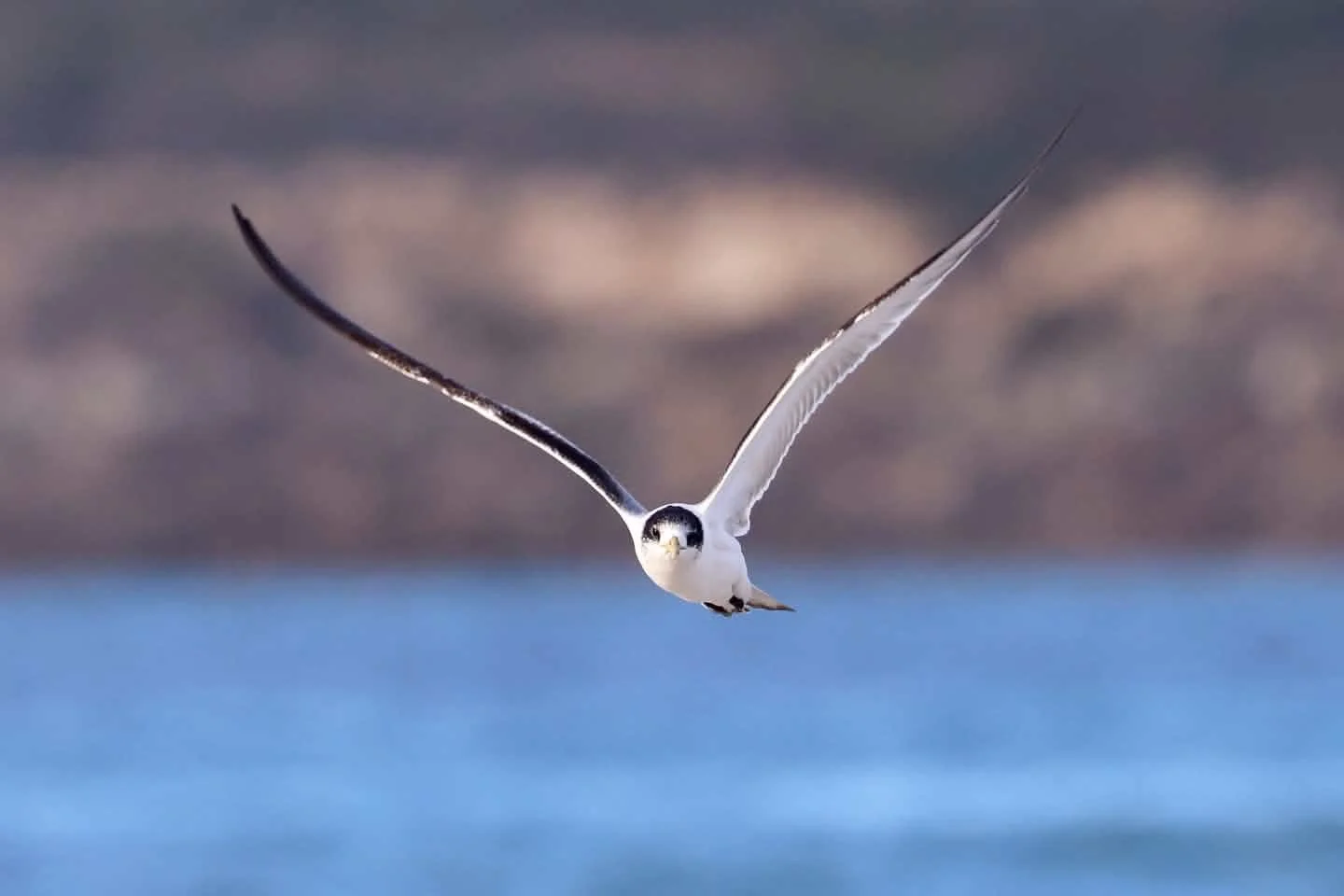
Images: Dani SpreitzerFollowing on from the 2025 karenia algae bloom disaster and the mass death of marine life, our sea birds are probably under stress, and likely starving. Our native birds are vulnerable to colonial impact as their homes are now reduced spaces, as they survive in dense breeding aggregations of marine and coastal locations, which facilitate rapid localized transmission through shared water, aerosols, and direct contact.
“I celebrate the Tanitjari and the messages they bring to guide our lives; this is while I grieve their threatened loss.”
Professor Irene Watson

Join Our Community
Sign up to our monthly newsletter to receive the latest updates from around the GSR.
you may also like
-
![]()
Watch Sea Country
Watch Dean, Vicki, Rob and Madie share their Tasmanian Aboriginal connections to reefs, kelp and culture, and the responsibilities they carry for Sea Country.
-
![]()
Great Southern Sea Country
Barngarla woman Emmalene Richards reflects on the living relationship between Southern Sea Country peoples, saltwater, culture and responsibility, and how art carries knowledge between generations.
-
![]()
Latest News
Catch up on the latest research, stories, projects and opportunities from across the Great Southern Reef.