Funding gap threatens response to urchin-driven reef collapse
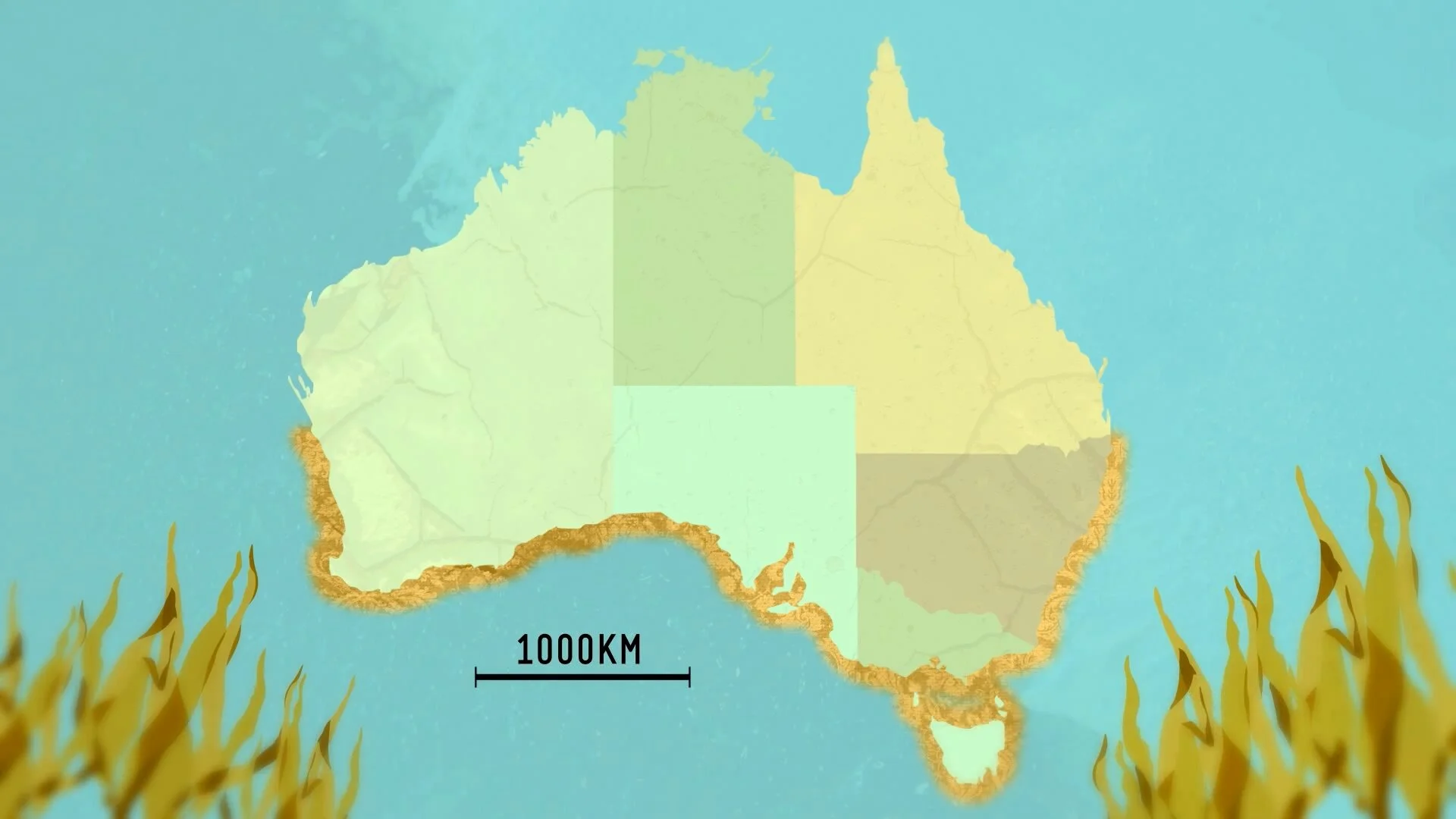
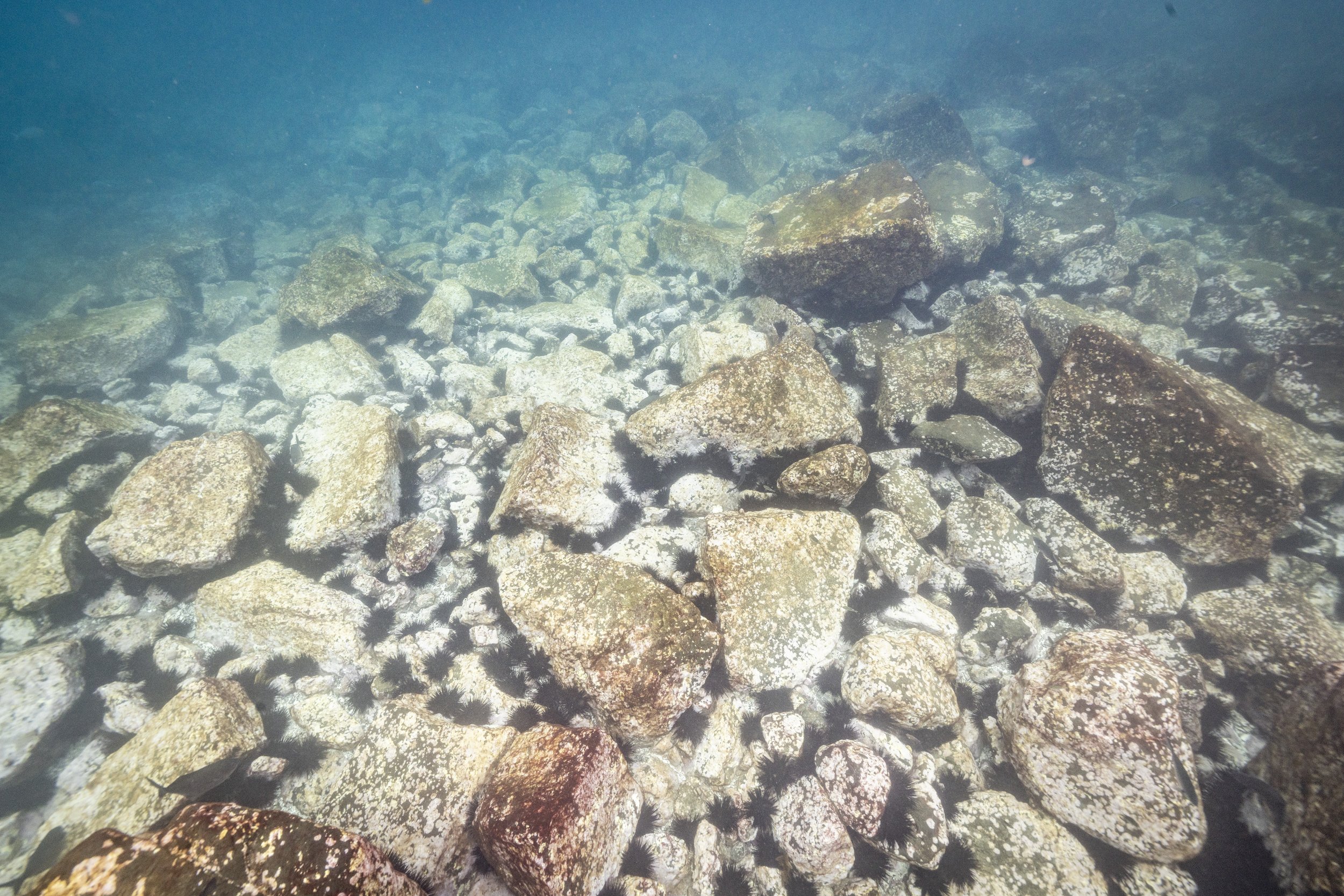
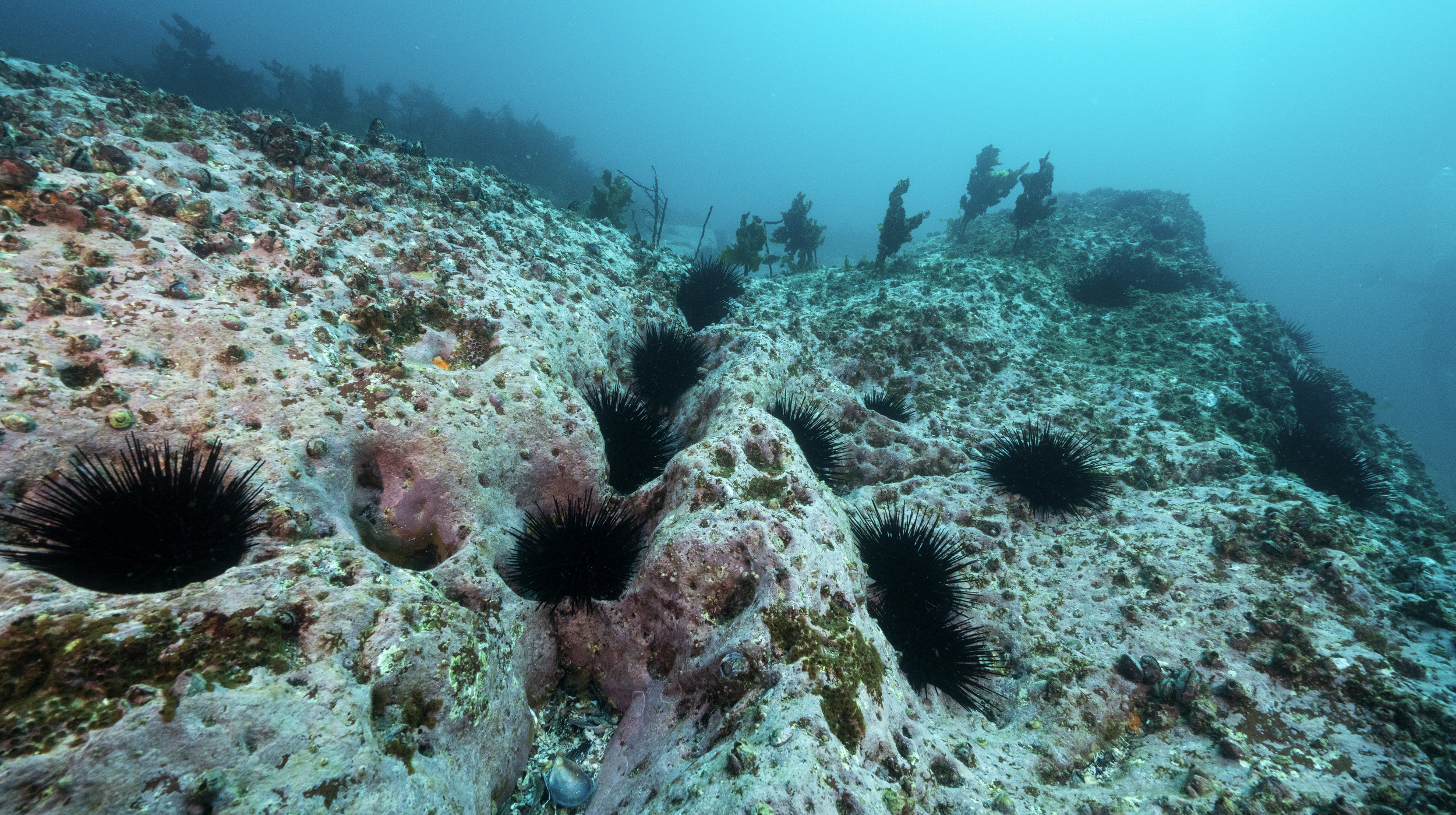
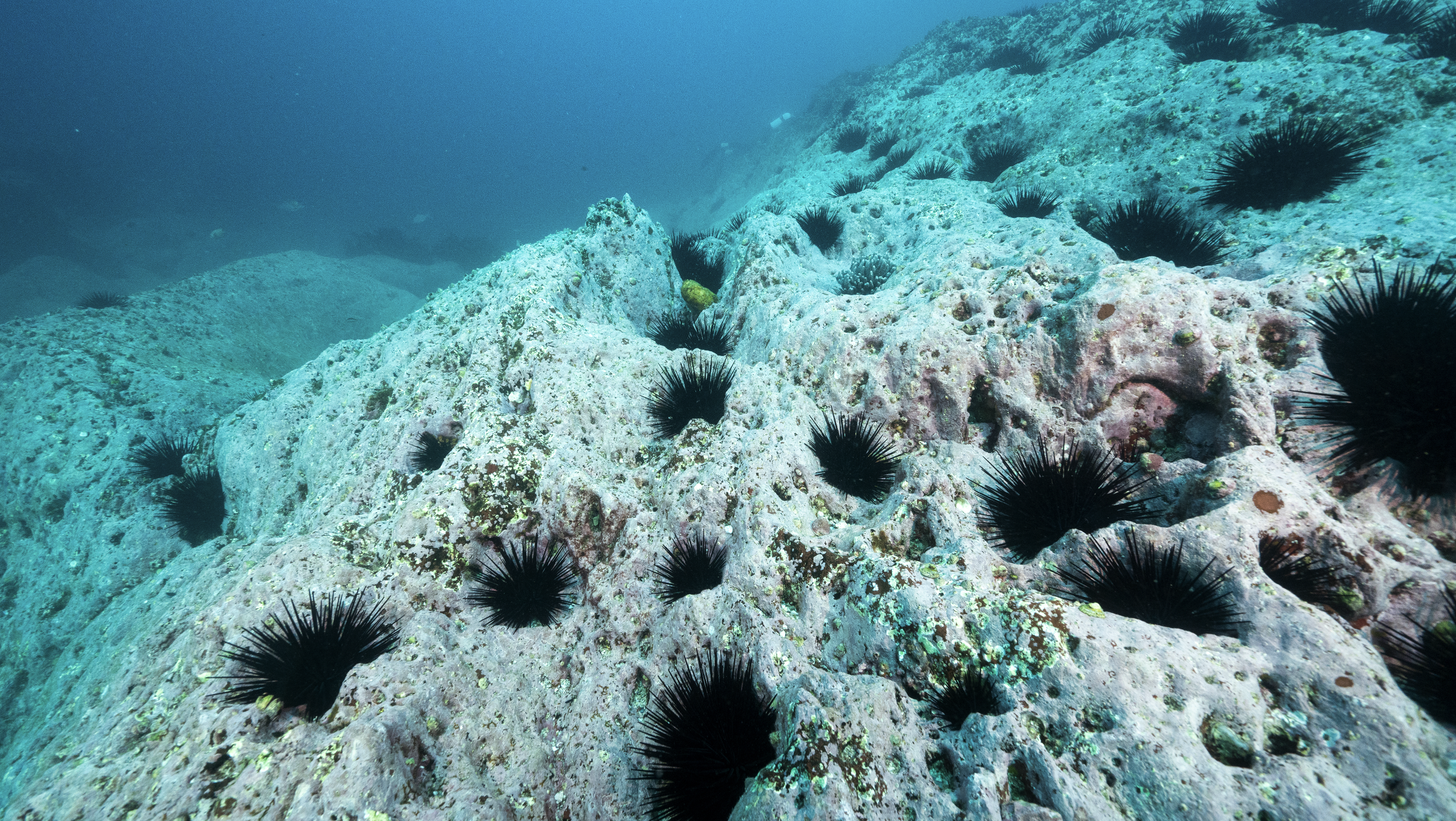
Longspined sea urchins are native to New South Wales, but warming ocean waters have enabled them to expand south into new regions, where they are overgrazing kelp forests and turning productive reefs into barren seascapes. These impacts are now evident across multiple states, affecting biodiversity, fisheries, and coastal communities.
After more than two years, the Australian Government has released its response to the Senate inquiry into climate-related marine invasive species, addressing the spread of longspined sea urchins across the Great Southern Reef. Despite acknowledging the scale of the issue, the response includes no new targeted funding to support industry, First Nations leadership, or a coordinated national response.
Acknowledged, not funded
The Senate inquiry had recommended a coordinated national investment in urchin control, guided by the Centro Task Force. That control is not simply about removing urchins from the reef. It also depends on the processing capacity, logistics, market development and coordination needed to support sustained large-scale removals in priority areas. The Task Force has brought together governments, researchers and industry to help shape that response across state boundaries.

The Government has acknowledged the Task Force and said it will continue to engage through existing forums, but it has not committed new funding to deliver those actions at scale. The Centro Task Force is expected to reconvene to consider the Government’s response and next steps. But with no new funding attached, there is still no clear pathway to deliver the Task Force’s priorities at the scale recommended by the inquiry.
Industry cannot carry this alone
Stefan Andrews, from the Great Southern Reef Foundation, said the response reflects growing awareness, but lacks the follow-through required.
“This is a nationally significant issue that has been building for years. While it’s positive to see it formally recognised, the response stops short of what’s needed to deliver change on the ground,” he said.
“The current approach leans heavily on industry to scale the solution, but without targeted investment in processing, logistics, and coordination, that simply won’t happen.”
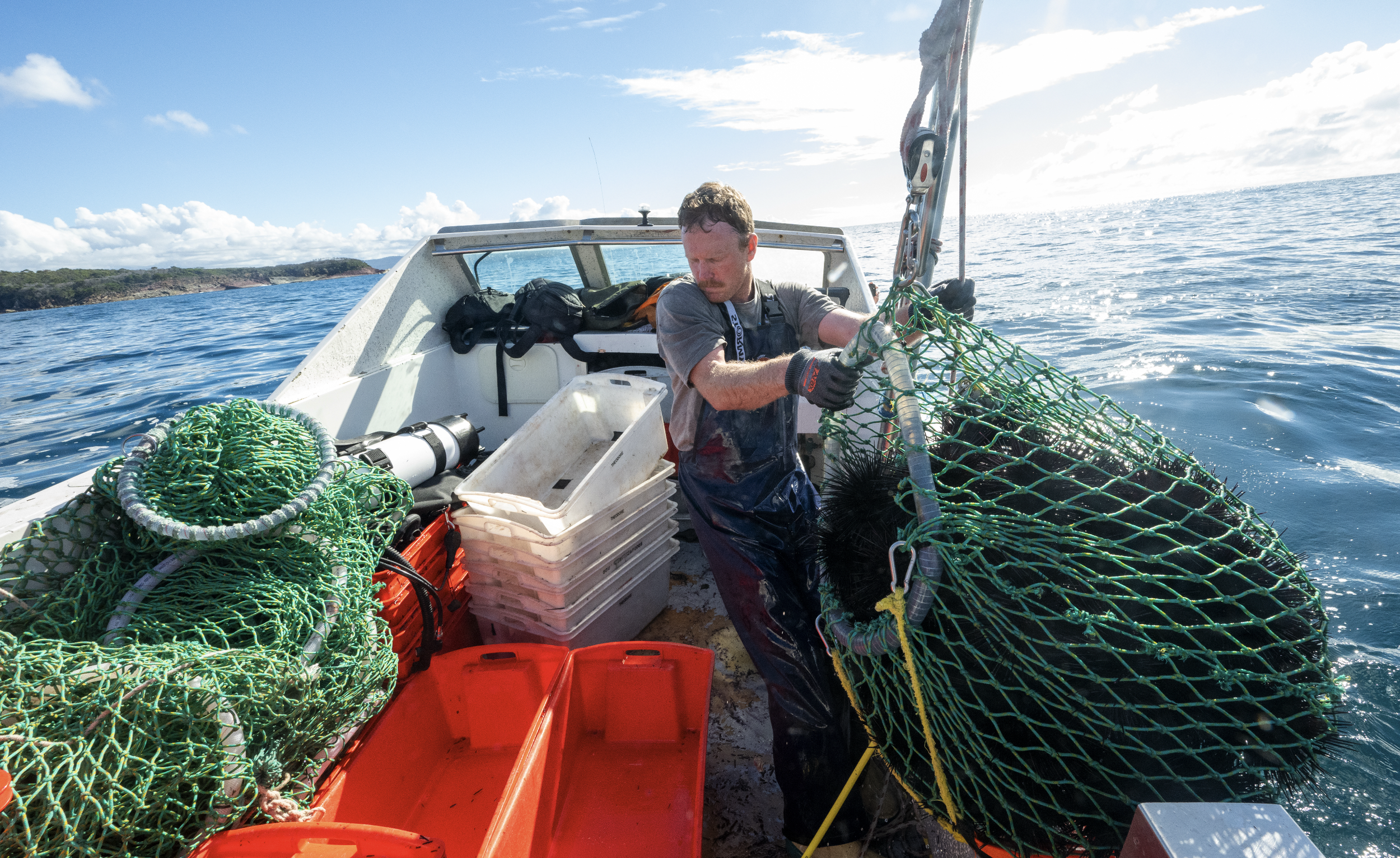
The processing bottleneck
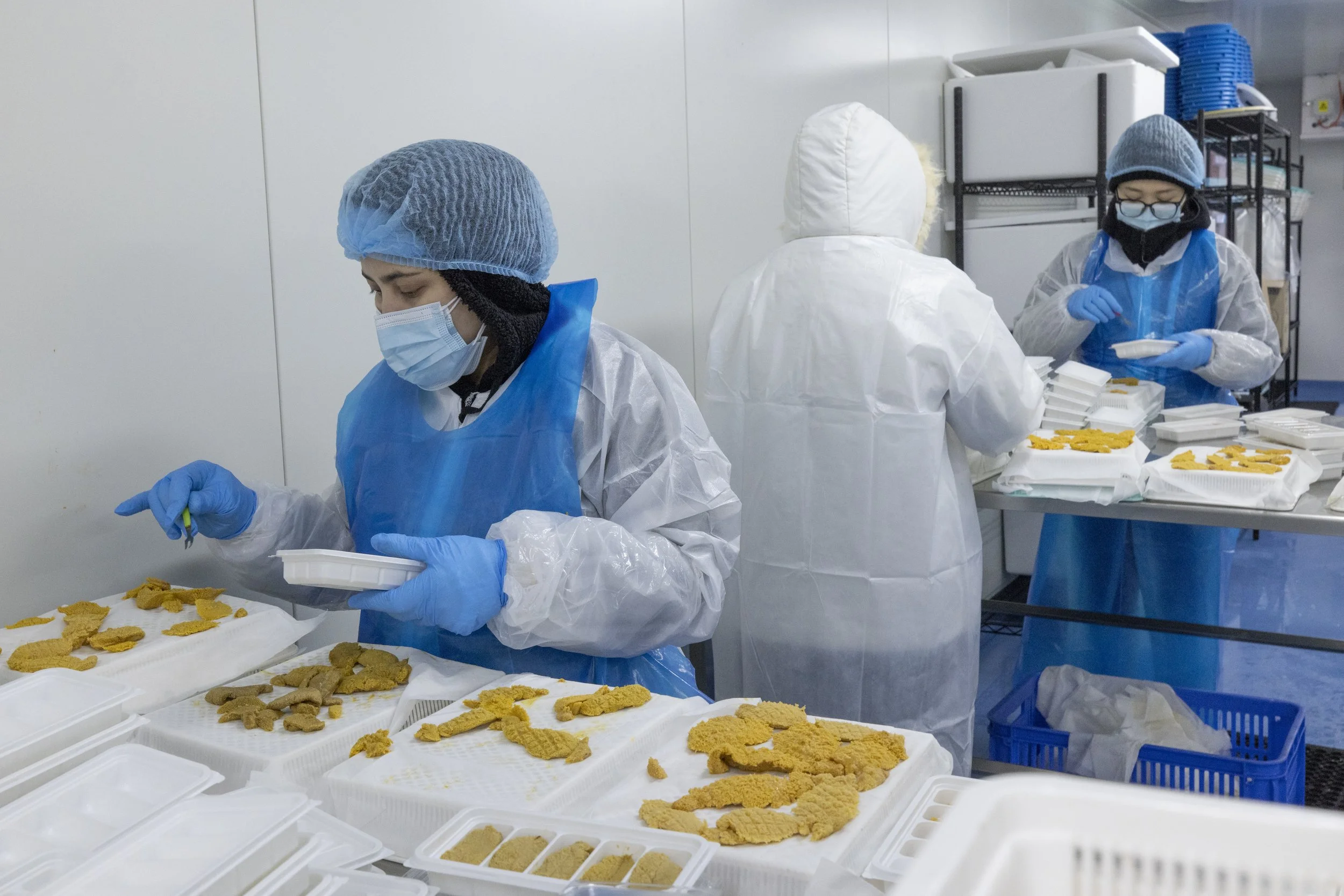
Industry leaders say the situation is already becoming untenable, with processors under pressure and limited ability to expand operations.
Ryan Morris, from South Coast Sea Urchins, said the sector is struggling to stay viable.
“This is a weak response from the government.” he said.
“Processors across the board are struggling. Some are talking about shutting down. Without funding for processing, there’s no way to scale this industry.”
Industry estimates suggest that targeted investment of around $3 million per established processing facility, totalling roughly $18–21 million nationally, could unlock significant growth in processing capacity.
Recovery is possible
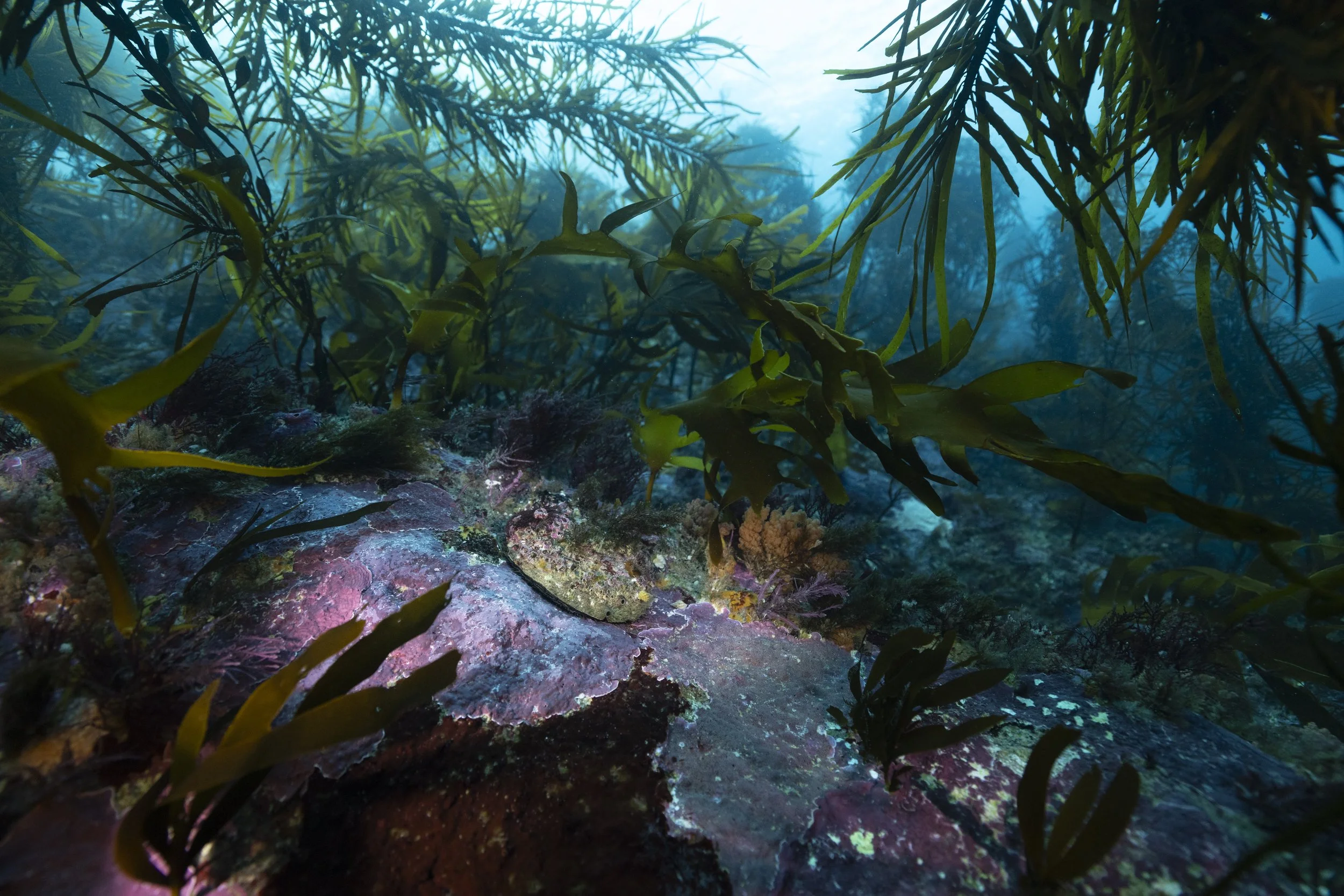
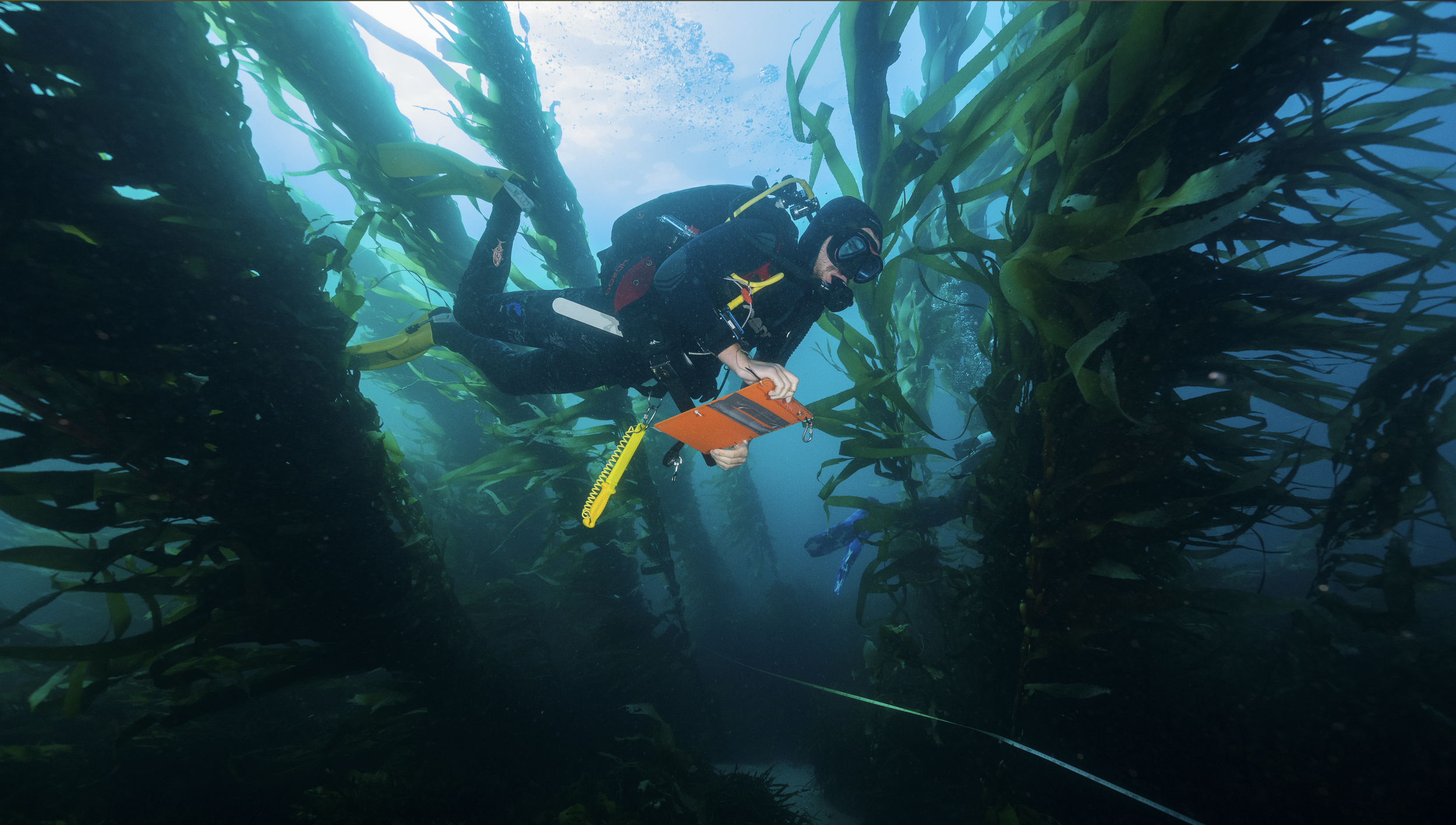
Kelp forests are critical habitat along the Great Southern Reef. When urchin numbers are reduced in targeted areas, these systems can recover, allowing kelp to regrow and support a more balanced and productive ecosystem. Without intervention, however, barrens can persist
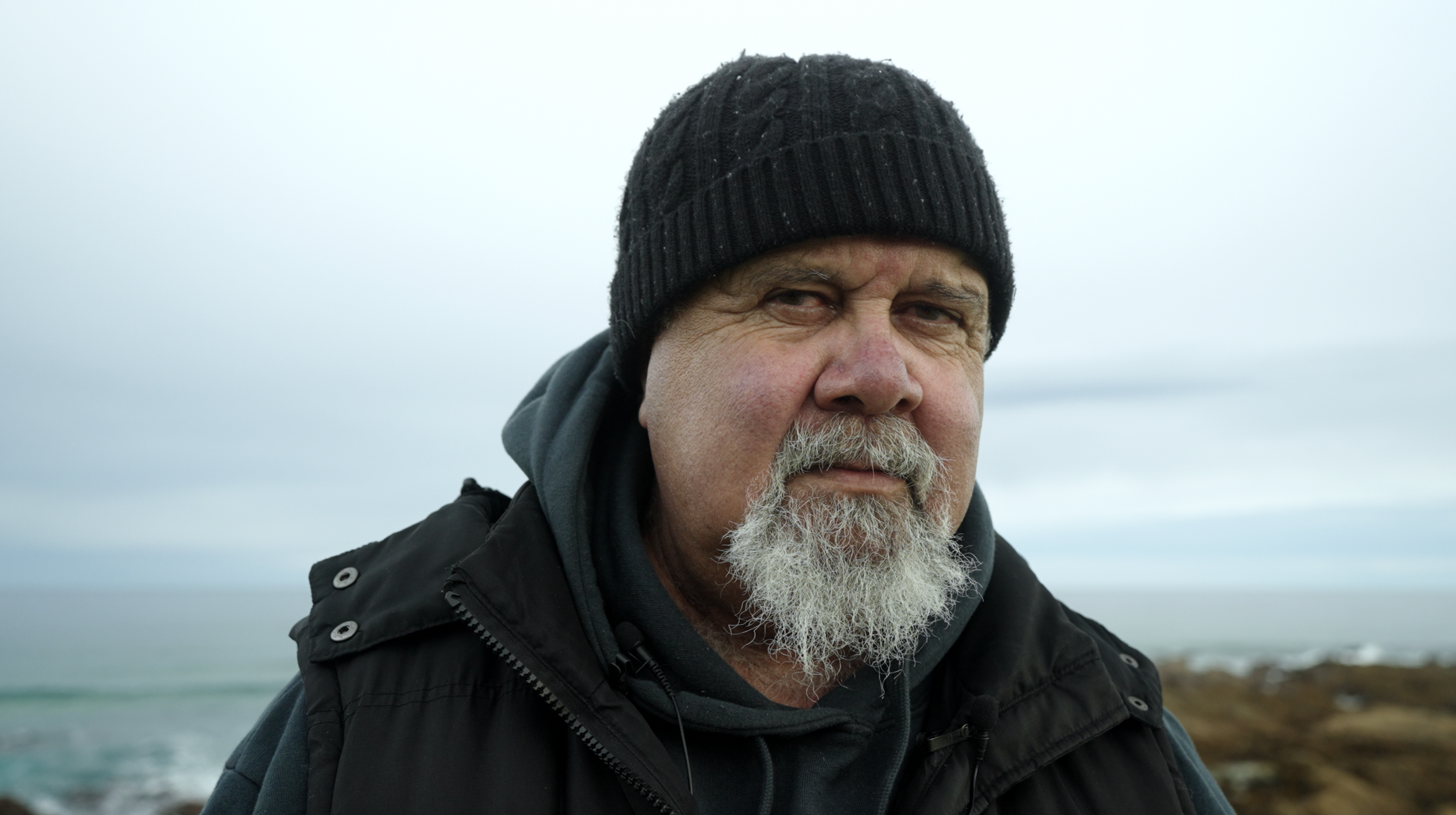
Sea Country leadership still under-resourced
First Nations leaders have also raised concerns about the lack of direct investment and leadership opportunities for Aboriginal communities.
Wally Stewart, Operations Manager of Joonga Land and Water Aboriginal Corporation, said the response fails to reflect the urgency on Sea Country.
“Communities who have stewarded Sea Country for millennia, and who are now at the frontline of ecological collapse, remain under-resourced and excluded,” he said.
Despite references to involvement and employment opportunities, Mr Stewart said there is no clear pathway for Aboriginal-led solutions.
“What is required is investment in Indigenous-owned enterprises, governance structures, and restoration-led economic models that align with cultural obligations to Country,” he said.
A chance to act at scale
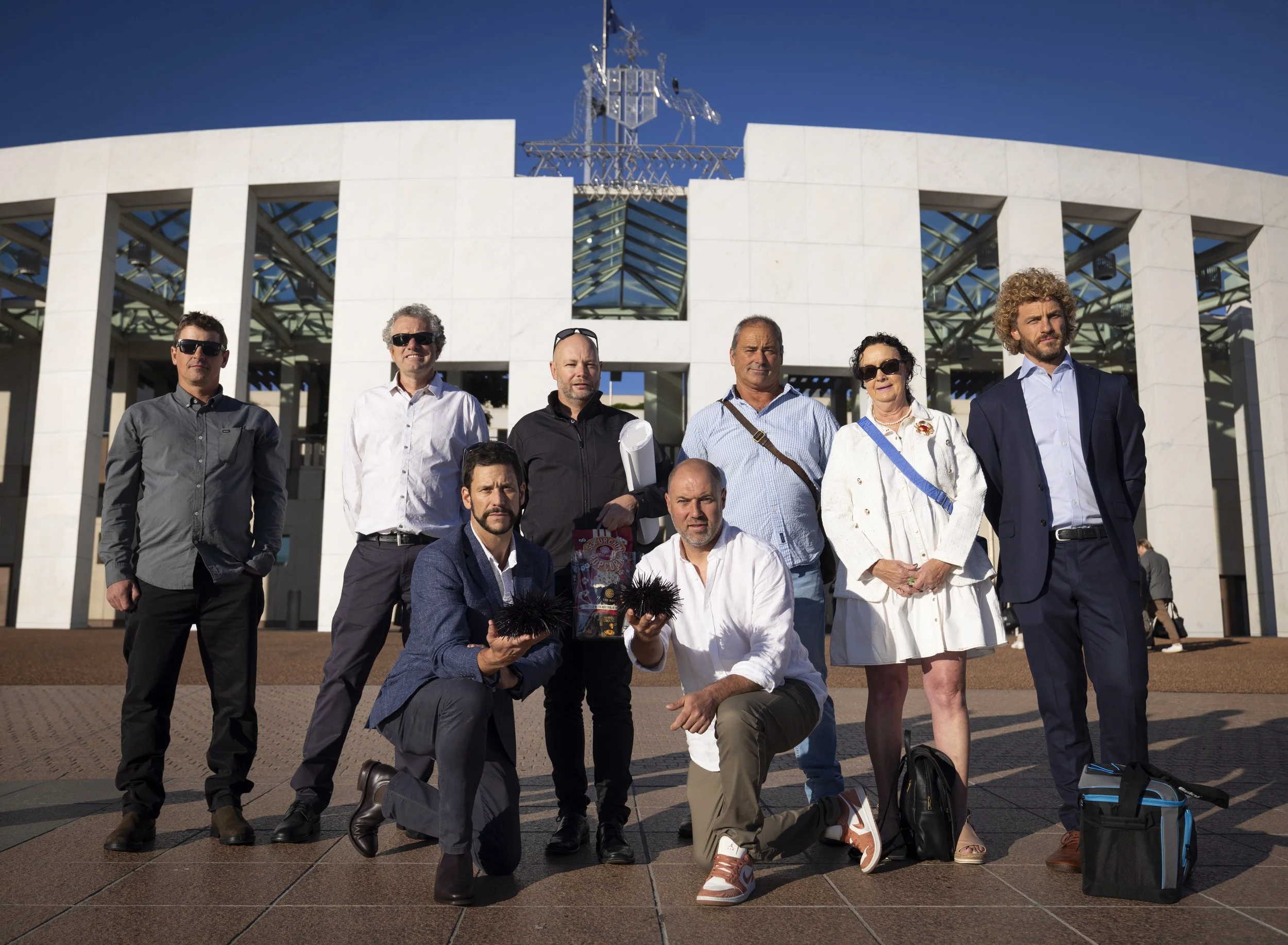
Stakeholders are now calling for a coordinated national response, with clear federal leadership and targeted funding to support both industry and Indigenous-led initiatives.
“There is a real opportunity to align industry, First Nations leadership, and science to address this at scale,” Mr Andrews said.
“But without coordinated investment, the risk is that we lose both the industry and the ecosystems we are trying to protect.”
Help shape the next steps
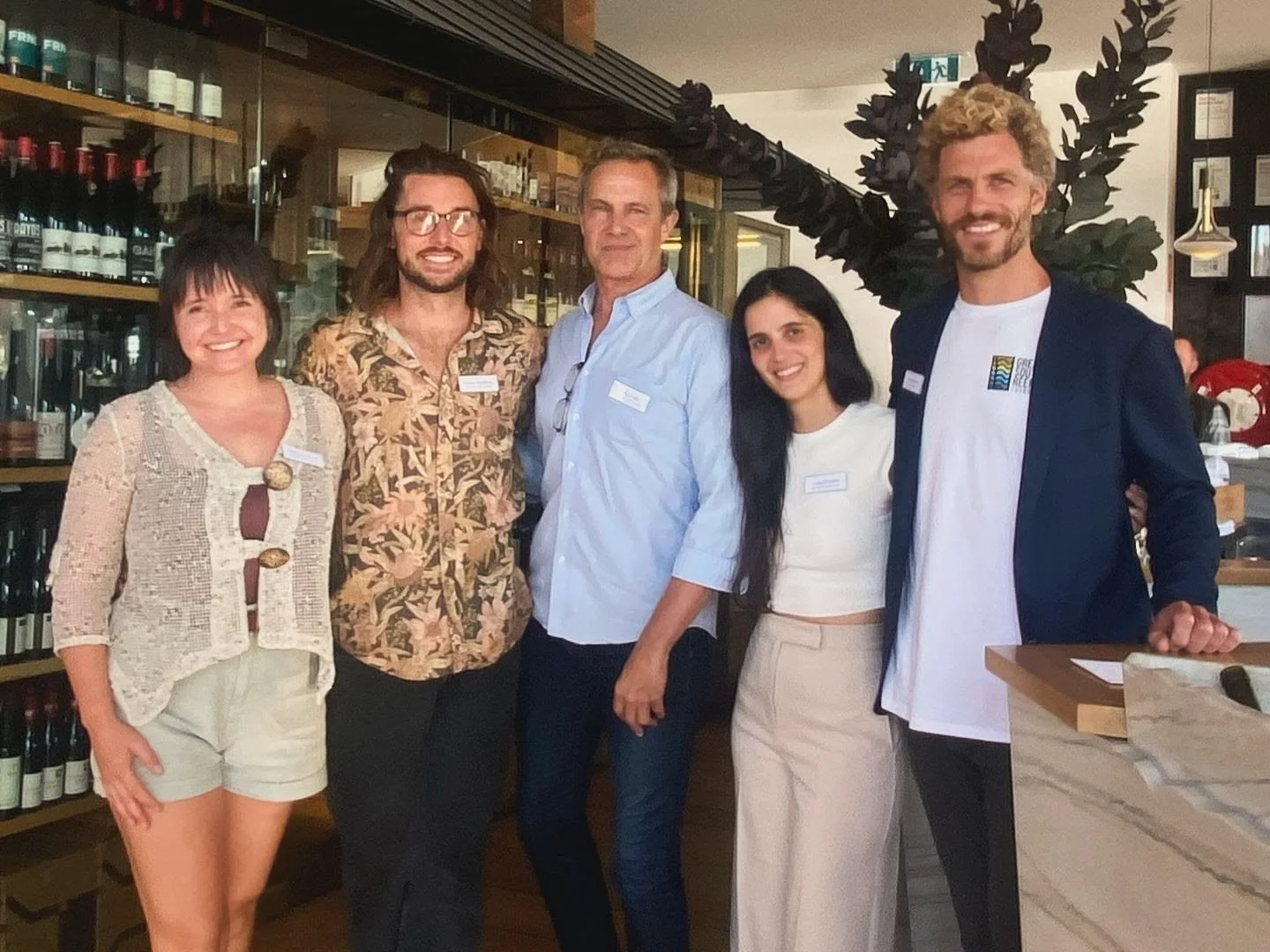
The Great Southern Reef Foundation is continuing to engage with federal decision-makers, including through the Parliamentary Friends of the Great Southern Reef group. These conversations help bring the perspectives of industry, First Nations leaders, scientists and coastal communities directly into national policy discussions.
Your input helps shape those conversations.
We are inviting stakeholders to share their perspectives on the government response, priorities for urchin control, and what is needed to support action at scale across the Great Southern Reef. Responses will help inform ongoing engagement with federal politicians and agencies.
you may also like
-
![]()
Eat An Urchin
We’ve created a curated online hub connecting chefs, suppliers, and consumers to make enjoying urchin both accessible and inspiring.
-
![]()
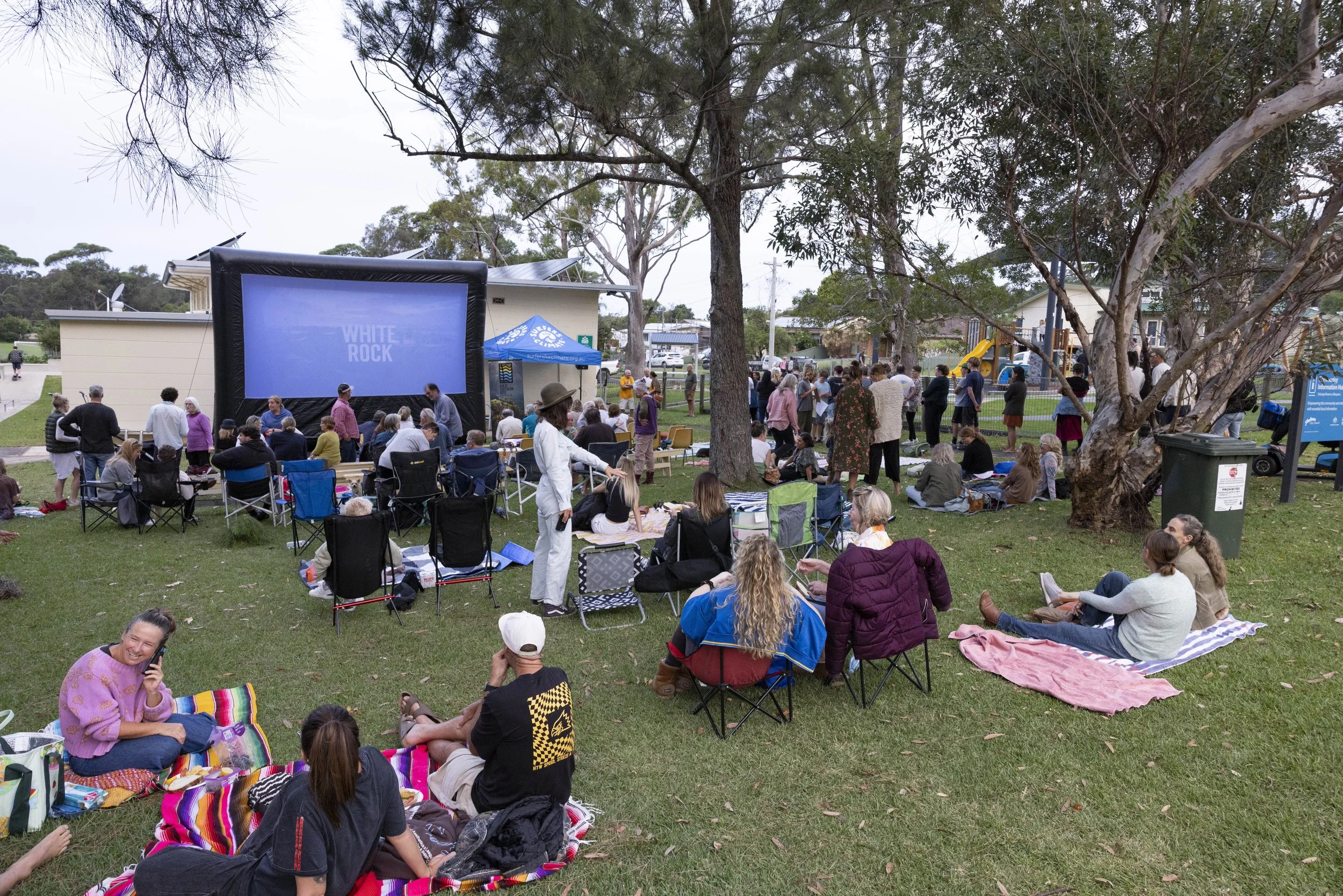
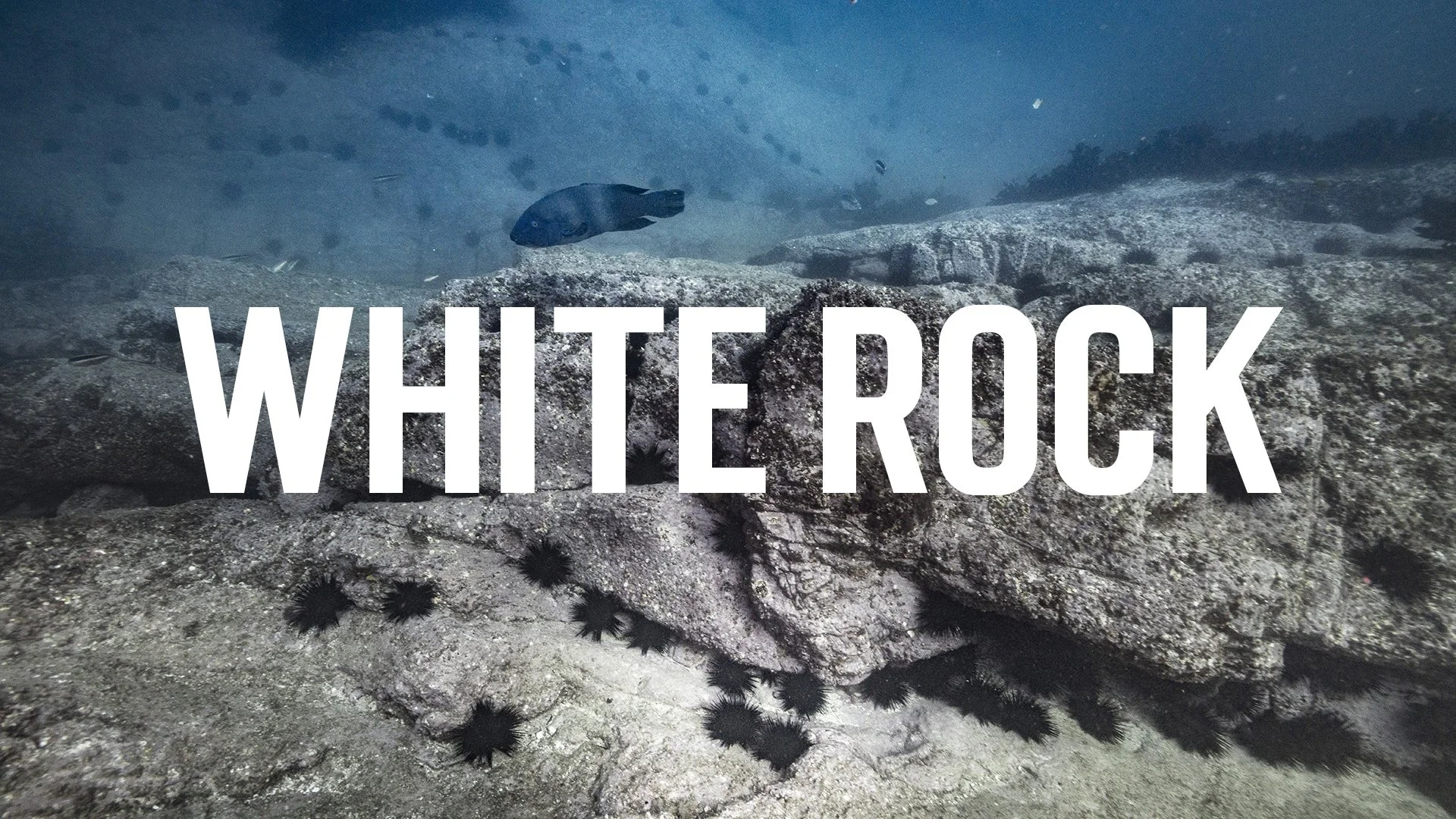
WHITE ROCK
With stunning visuals and impactful storytelling, White Rock captures the urgent threat of longspined urchins to the GSR and presents tangible solutions to save them.
-
![]()
National Marine Science Strategy
Australia’s new National Marine Science Strategy 2026–36 arrives at a time when pressure on the ocean is rising fast. Climate impacts are accelerating, biodiversity is under strain, coastal risks are growing, and the demand for marine science that can inform real decisions is only becoming more urgent.
-
![]()
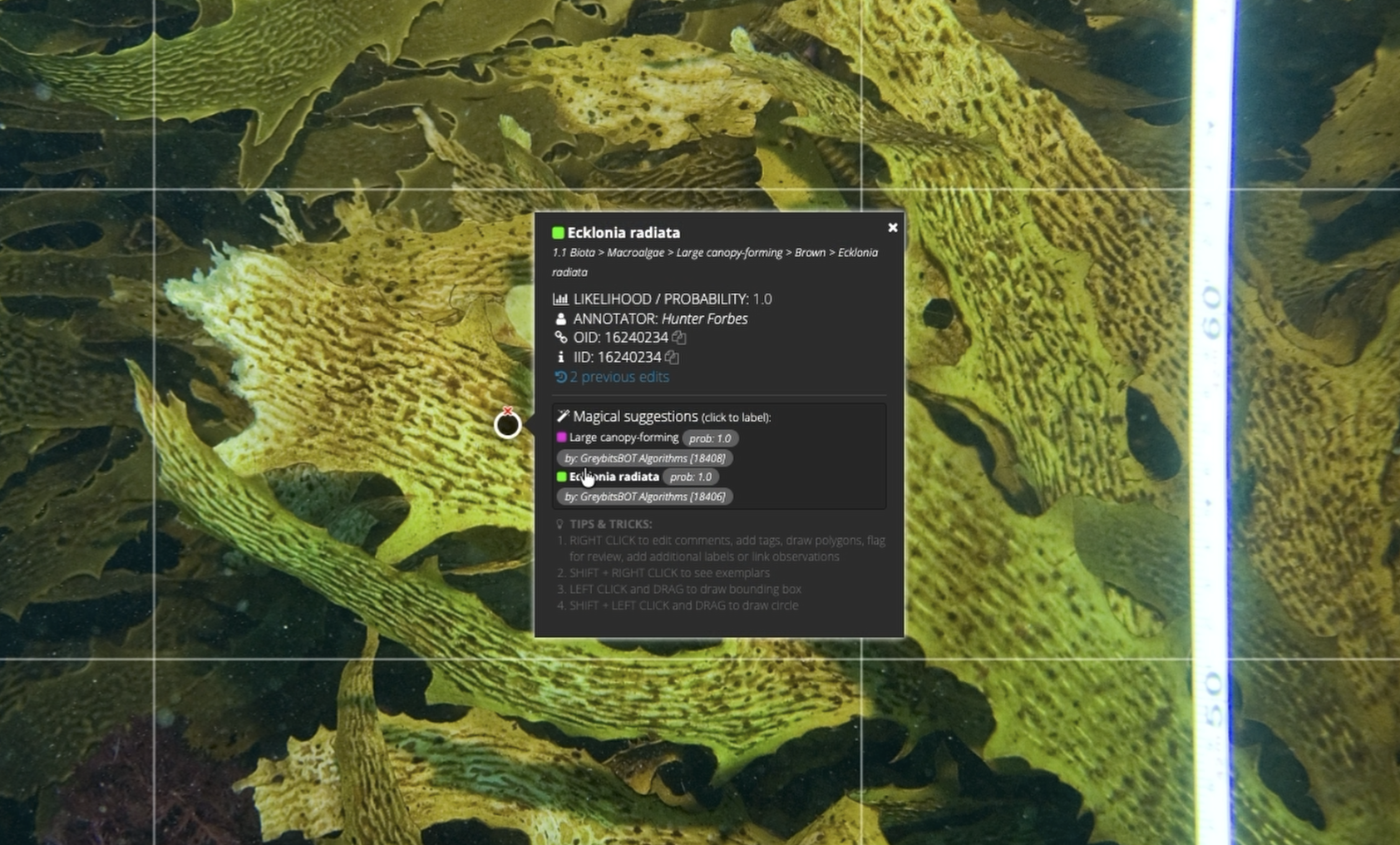
Squidle+, AI and Reef Monitoring
Squidle+ acts as shared infrastructure for marine science. It supports collaborative annotation, quality control between people and algorithms, map-based data exploration, integration with other portals, and the export of training data for machine learning.
-
![]()
more ARTICLES
A deeper look at timely reef topics, stories and insights from science, community voices and coastal experiences.
-
![]()
VIDEOS
Check out our short films and clips about temperate reef life, research in action, community work and reef encounters across southern Australia.
-
![]()
FEATURE CREATORS
Each month we feature a creator from across the Great Southern Reef sharing their connection to the coast through photography, art and storytelling.

CONNECT
-
![]()
GSR FAQ
What is the Great Southern Reef? What is unique about it? and how is climate change affecting it? Find out answers, ask your own question and more.
-
![]()
PARTNERS
Our partners help bring bold ideas to life. They power collaborations, support impact campaigns, and help share Great Southern Reef stories far and wide.
-
![]()
EDUCATOR HUB
Looking to deepen your knowledge on the rich biodiversity found in Australia's temperate reefs? This space is designed for you.
-
![]()
take action
Find ways to take part. Volunteer, join events, share reef stories and connect with communities around the Great Southern Reef.
-
![]()
contact us
Reach out with questions, ideas or feedback about reef stories, programs and partnerships.
-
![]()
host a screening
Host a White Rock screening with the Great Southern Reef Foundation. Bring communities together to watch the film, spark conversation and boost local reef engagement.
-
![]()
reef resilience showcase
Our Reef Resilience Photo & Art competition is live this summer in South Australia. We’re calling on divers, snorkellers, photographers, drone pilots, artists, and coastal travellers to share photos, video, and art showing what’s still thriving across SA’s reefs.