National Marine Science Strategy sets a stronger course for the decade ahead
Australia’s new National Marine Science Strategy 2026–36 arrives at a time when pressure on the ocean is rising fast. Climate impacts are accelerating, biodiversity is under strain, coastal risks are growing, and the demand for marine science that can inform real decisions is only becoming more urgent. The strategy sets a clearer national direction for marine science over the next decade, with a stronger focus on the decisions, systems and partnerships needed to respond.
It is also a substantial national effort. More than 500 contributors from over 120 institutions helped shape the strategy through workshops, consultations, written submissions and 21 white papers. That scale reflects a serious attempt to bring researchers, government, industry, communities and First Nations voices into the same national conversation.
At a glance
Seven national ambitions frame the strategy, spanning First Nations leadership, climate prediction, climate change mitigation and net zero, ocean health, coastal resilience, maritime security and the blue economy.
Monitoring and observing systems sit near the centre.
Ocean health, biodiversity and climate adaptation are treated as core priorities.
Long-term ecosystem monitoring, restoration test beds and biodiversity modelling are all backed in.
Climate prediction, early warning systems, coastal research capability and shared infrastructure run through the document.
Biodiversity in focus
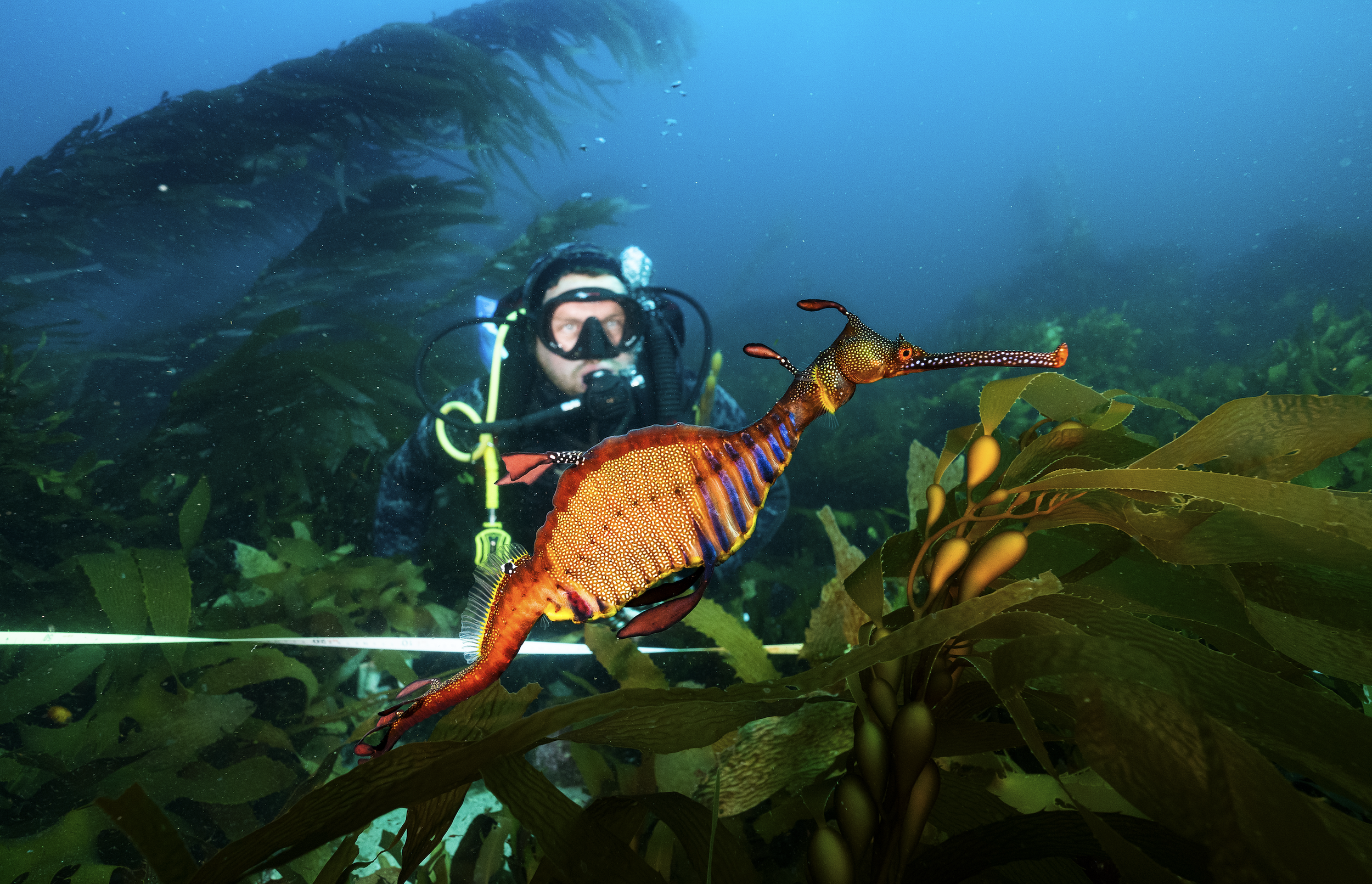
Ocean health and biodiversity are a major focus of the strategy, but they are not treated in isolation. They are linked to climate adaptation, long-term monitoring, restoration, coastal resilience and the systems needed to better track change across Australia’s marine systems. To support that, the strategy calls for nationally coordinated marine ecosystem monitoring, large-scale and long-term restoration test beds, and a national marine biodiversity modelling capability.
Patchy data, patchy picture
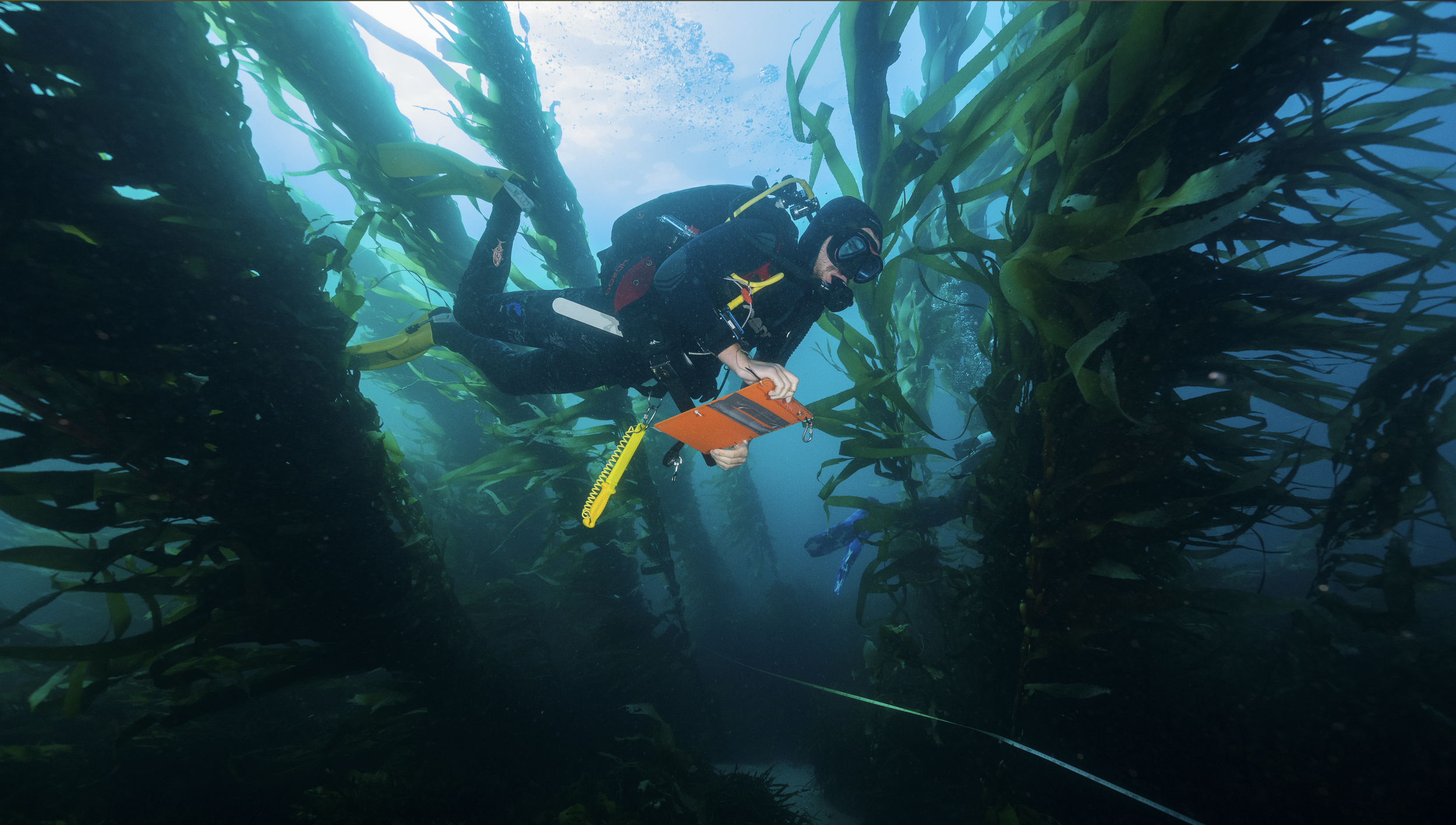
The strategy is also clear about the current gaps. Monitoring and biodiversity research remain fragmented, long-term datasets are limited, methods are inconsistent, and much of Australia’s marine estate is still under-surveyed.
That picture will be familiar across temperate reef systems, where patchy monitoring and limited long-term data still make it harder to track change and understand what it means. The strategy places ecosystem condition, restoration and climate adaptation firmly within Australia’s national marine science priorities.
Better warning, better response
Early warning is another major focus. Marine heatwaves, harmful algal blooms, coastal flooding and climate-driven shifts in fisheries are all identified as areas where better forecasting could support earlier, more targeted responses. The aim is clear: support proactive management rather than reactive responses.

The strategy also calls for more accurate and usable ocean-climate prediction, backed by stronger baseline observations, improved modelling, and better links between observing systems and forecasting tools.
Relevance for temperate reefs
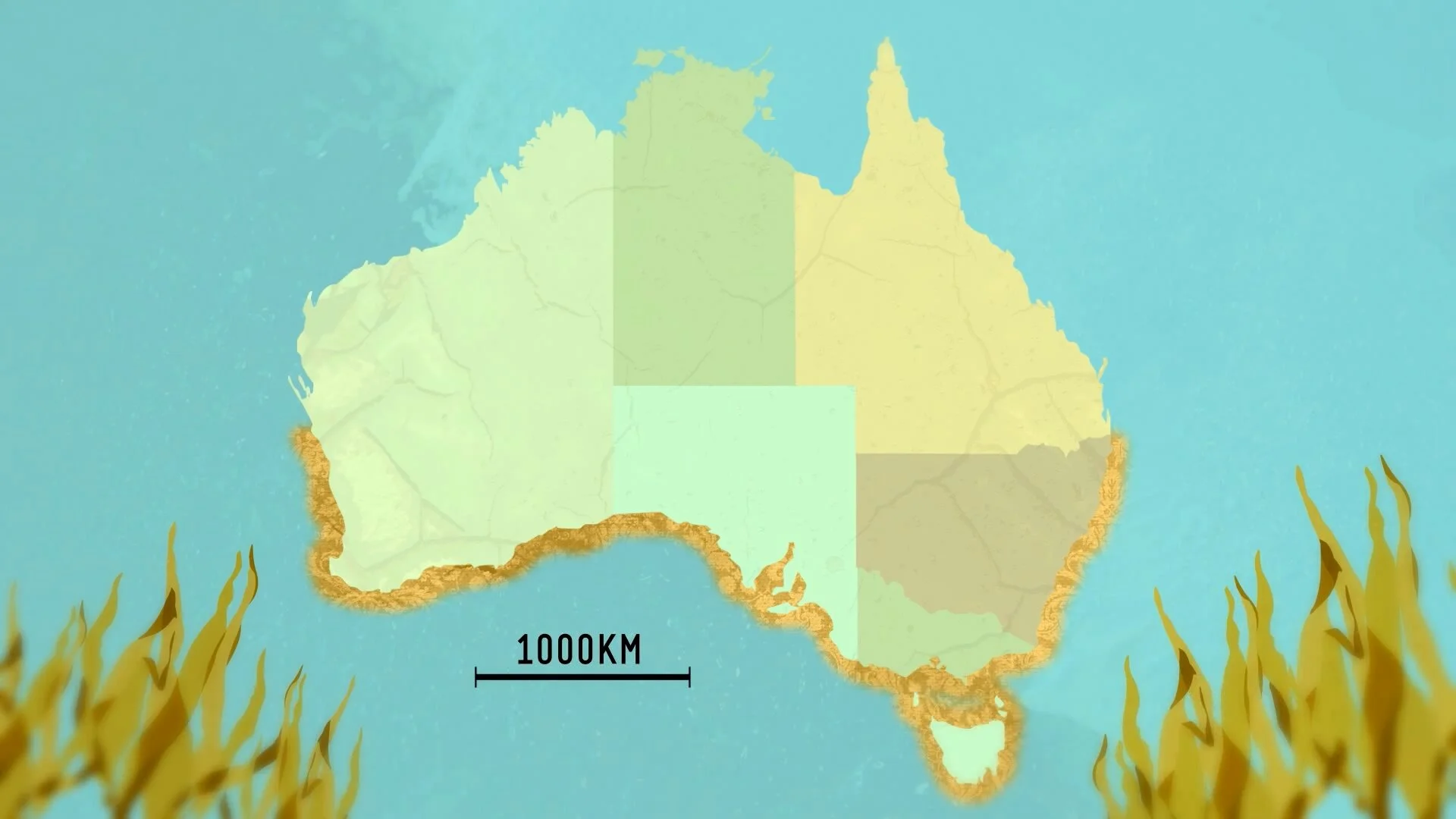
Although the strategy is national in scope, it carries clear relevance for the Great Southern Reef. The report explicitly names the Great Southern Reef as one of Australia’s iconic ecosystems, alongside the Great Barrier Reef and Ningaloo Reef. It also recognises the wider value of healthy marine ecosystems to fisheries, aquaculture, tourism, coastal protection and cultural identity.
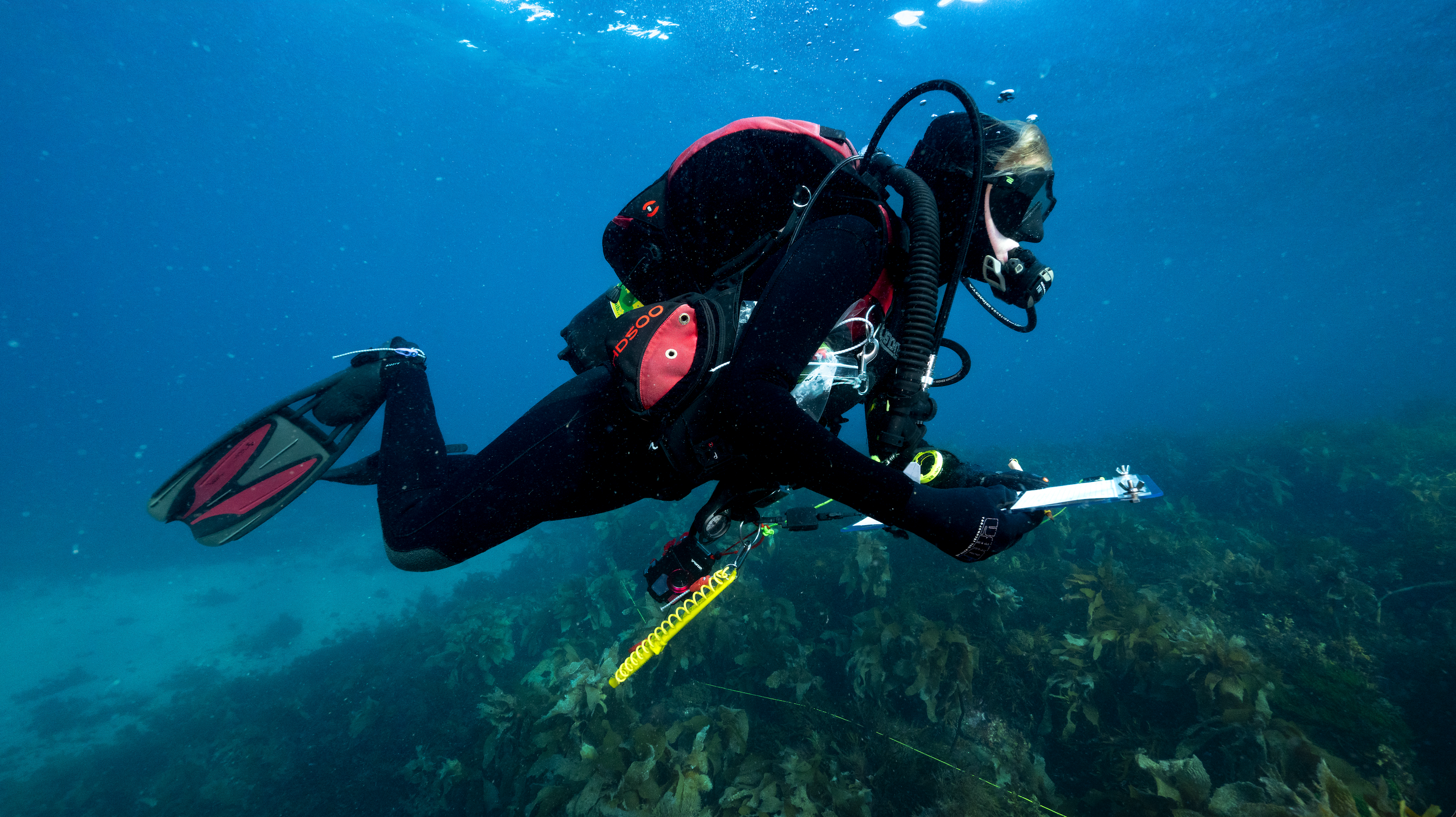
For temperate reefs, the connections are clear. Climate-driven species shifts, habitat loss, harmful algal blooms, marine heatwaves and changing fisheries all depend on better long-term monitoring, stronger prediction and a clearer picture of ecosystem change. Importantly, those needs are recognised here as part of national marine science priorities, not just regional concerns.
The real test
There is plenty to welcome here. The strategy is ambitious, wide-ranging and grounded in a serious national process. It reflects the scale of the challenge, but also the scale of the opportunity if marine science is properly supported.

The real test now is what follows. A strategy like this deserves to be recognised and backed with funding that matches its ambition. Long-term monitoring, national infrastructure, shared data systems, restoration test beds and climate prediction capability do not happen on goodwill alone.
If this strategy is taken seriously, and backed accordingly, it could help move marine science beyond short-term patchwork and toward the level of long-term capability the ocean now demands.
you may also like
-
![]()
Eat An Urchin
We’ve created a curated online hub connecting chefs, suppliers, and consumers to make enjoying urchin both accessible and inspiring.
-
![]()
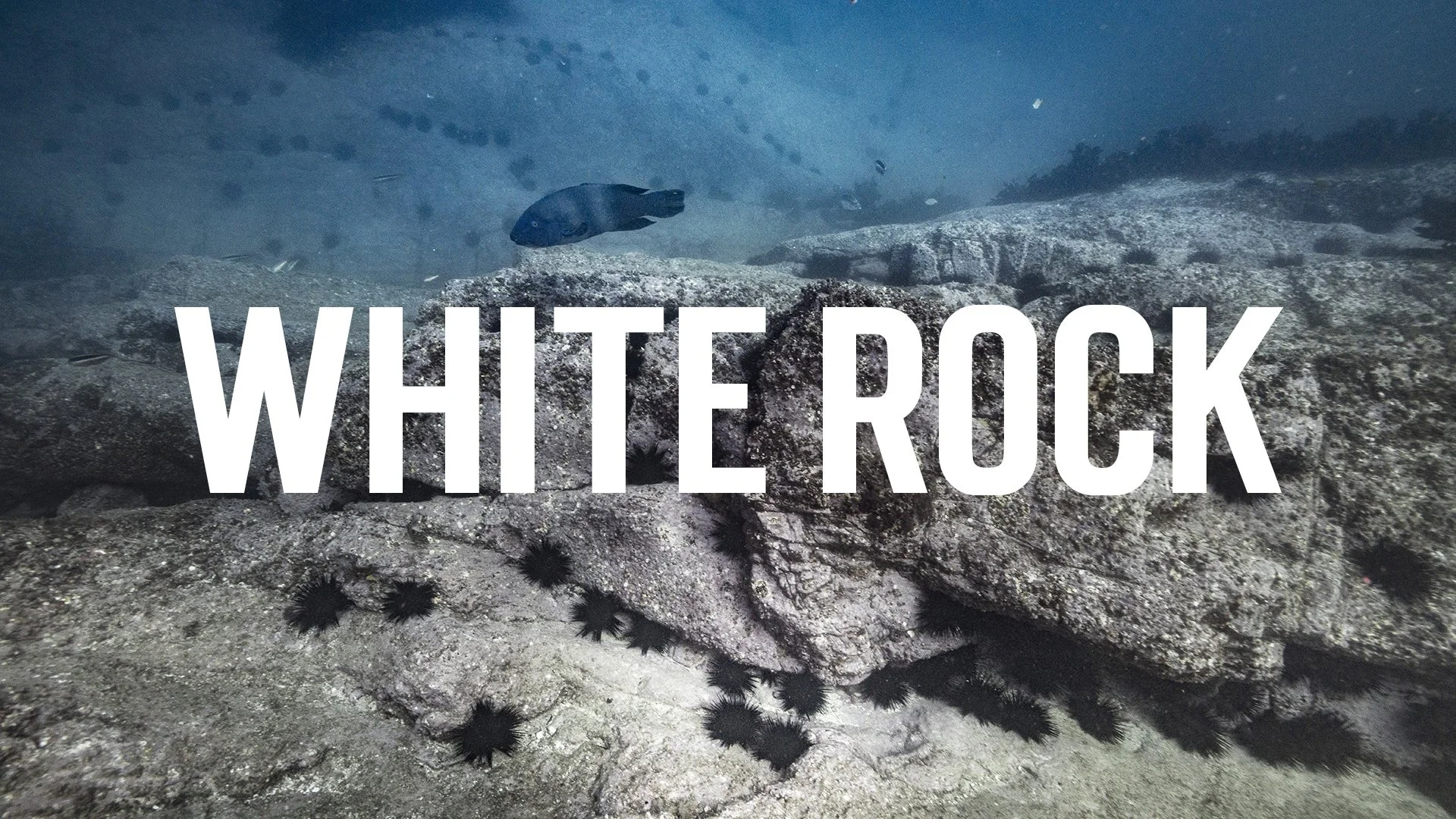
WHITE ROCK
With stunning visuals and impactful storytelling, White Rock captures the urgent threat of longspined urchins to the GSR and presents tangible solutions to save them.
-
![]()
URCHIN INQUIRY RESPONSE
After more than two years, the Australian Government has released its response to the Senate inquiry into climate-related marine invasive species, addressing the spread of longspined sea urchins across the Great Southern Reef. Despite acknowledging the scale of the issue, the response includes no new targeted funding.
-
![]()
Squidle+, AI and Reef Monitoring
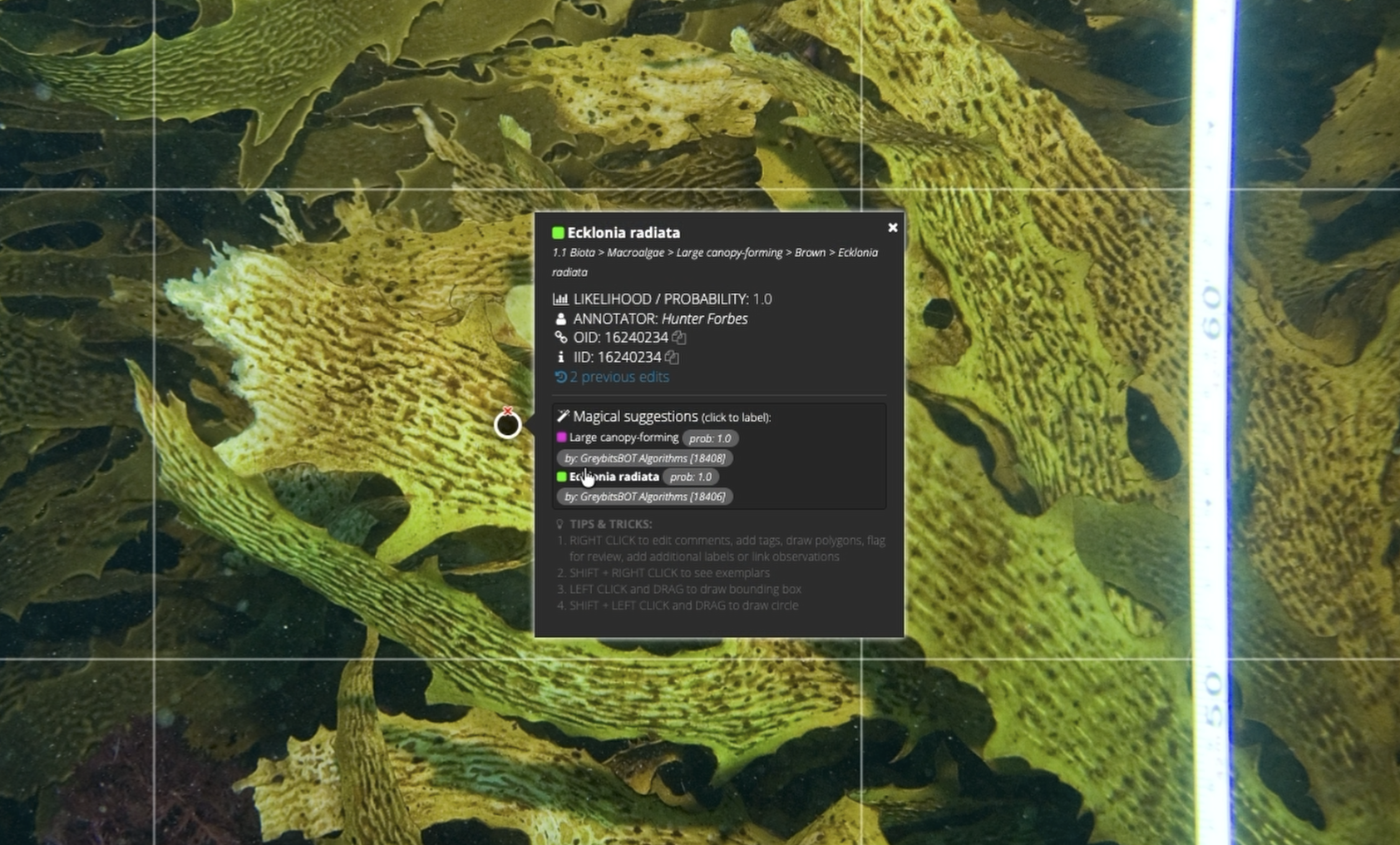
Squidle+ acts as shared infrastructure for marine science. It supports collaborative annotation, quality control between people and algorithms, map-based data exploration, integration with other portals, and the export of training data for machine learning.
-
![]()
more ARTICLES
A deeper look at timely reef topics, stories and insights from science, community voices and coastal experiences.
-
![]()
VIDEOS
Check out our short films and clips about temperate reef life, research in action, community work and reef encounters across southern Australia.
-
![]()
FEATURE CREATORS
Each month we feature a creator from across the Great Southern Reef sharing their connection to the coast through photography, art and storytelling.

CONNECT
-
![]()
GSR FAQ
What is the Great Southern Reef? What is unique about it? and how is climate change affecting it? Find out answers, ask your own question and more.
-
![]()
PARTNERS
Our partners help bring bold ideas to life. They power collaborations, support impact campaigns, and help share Great Southern Reef stories far and wide.
-
![]()
EDUCATOR HUB
Looking to deepen your knowledge on the rich biodiversity found in Australia's temperate reefs? This space is designed for you.
-
![]()
take action
Find ways to take part. Volunteer, join events, share reef stories and connect with communities around the Great Southern Reef.
-
![]()
contact us
Reach out with questions, ideas or feedback about reef stories, programs and partnerships.
-
![]()
host a screening
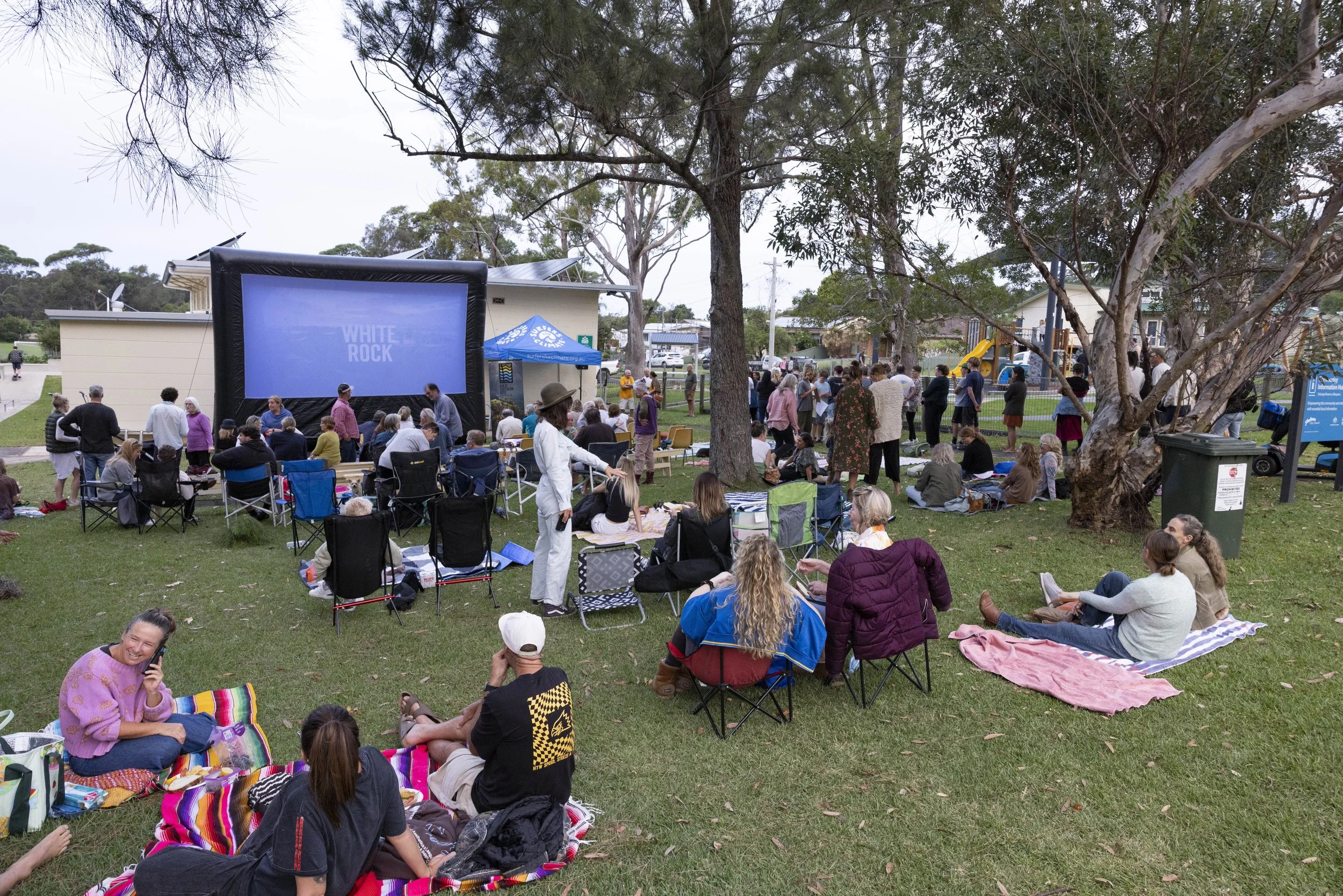
Host a White Rock screening with the Great Southern Reef Foundation. Bring communities together to watch the film, spark conversation and boost local reef engagement.
-
![]()
reef resilience showcase
Our Reef Resilience Photo & Art competition is live this summer in South Australia. We’re calling on divers, snorkellers, photographers, drone pilots, artists, and coastal travellers to share photos, video, and art showing what’s still thriving across SA’s reefs.