september 2026
Monthly Reef Update
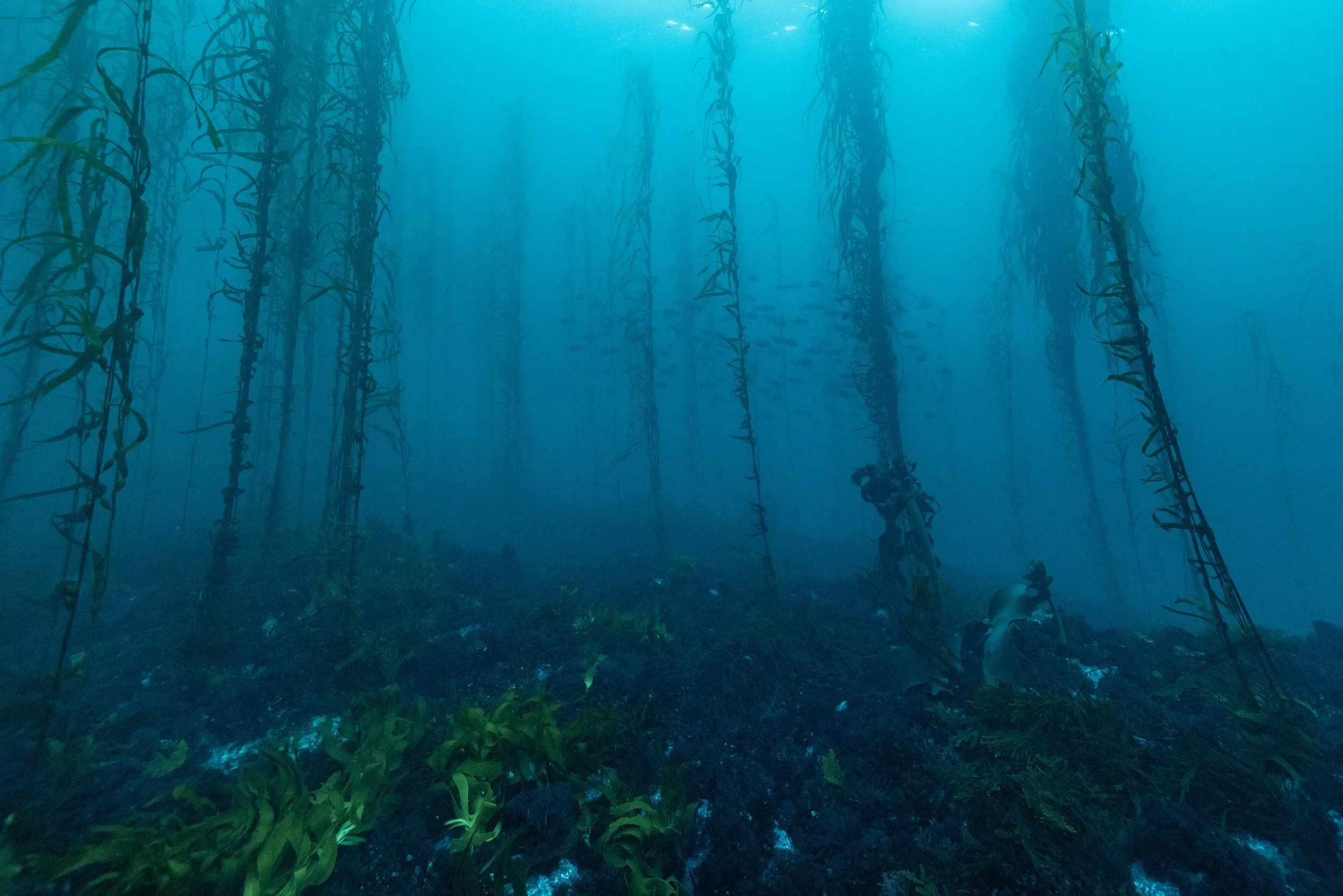
As spring returns across the Great Southern Reef, this issue reflects on the changes seen across southern waters and what they may mean for the months ahead. With summer approaching, we look back at recent losses and lessons while considering how research, protection and public awareness can help prepare for another testing season.
Citizen scientists in South Australia document world’s worst known seadragon losses
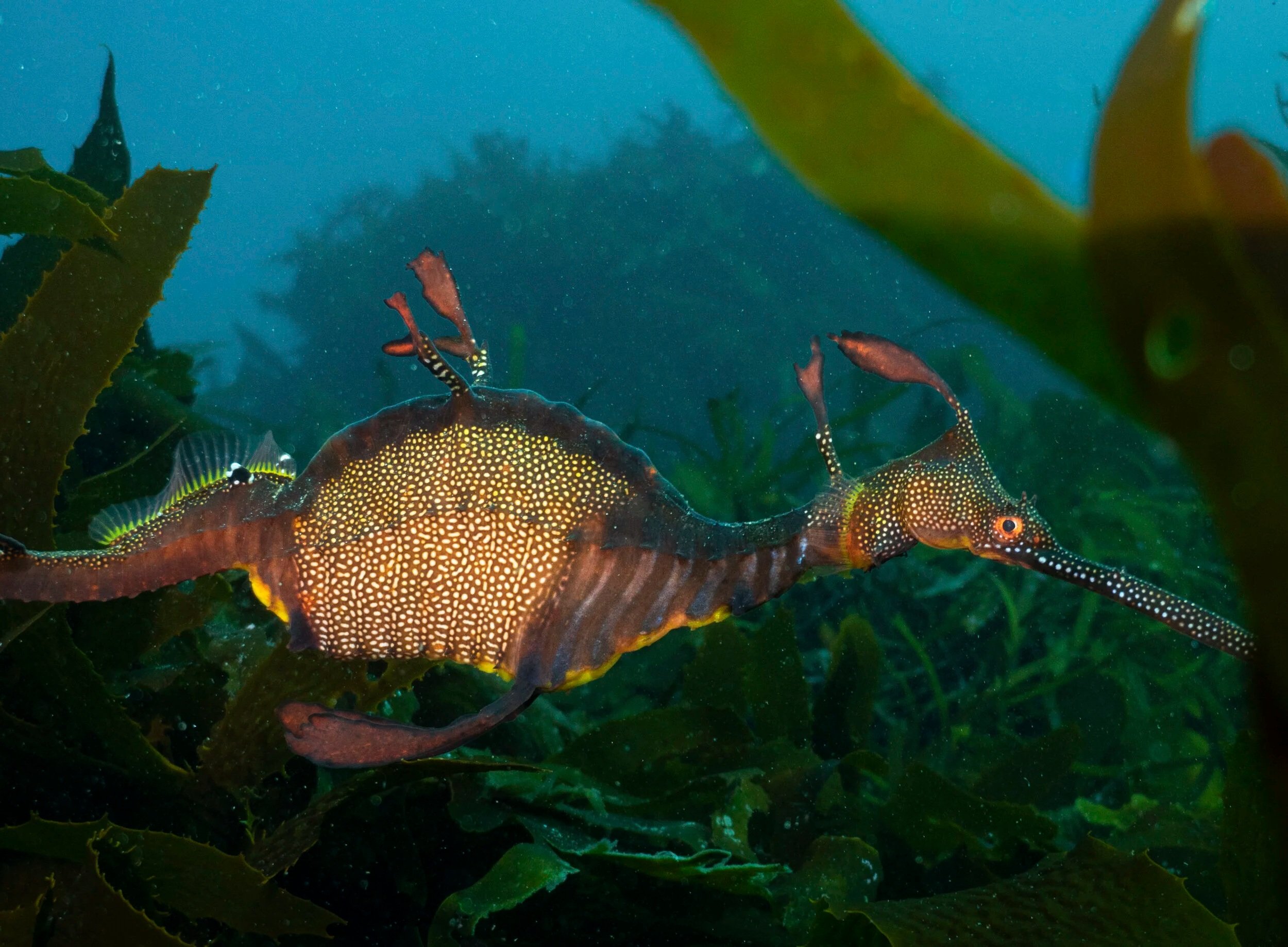
A new Dragon Search South Australia report has documented the loss of almost 1,700 seadragons during the state’s prolonged harmful algal bloom, alongside hundreds of pipefish and seahorses.
Led by marine ecologist and citizen science project manager Janine Baker, the report draws on records from 253 citizen scientists between January 2025 and May 2026. They recorded approximately 1,524 dead weedy seadragons and 159 leafy seadragons, with deaths spanning 13 species in the broader Syngnathidae family - seadragon, pipefishes, seahorses and pipehorses.

With many seadragon deaths having occurred before and during the spring and summer breeding season, alongside HAB-induced habitat damage that is continuing long after the active in-water phase of Karenia, the report warns of likely long-term consequences.
Minister Refers Giant Cuttlefish to Scientific Committee
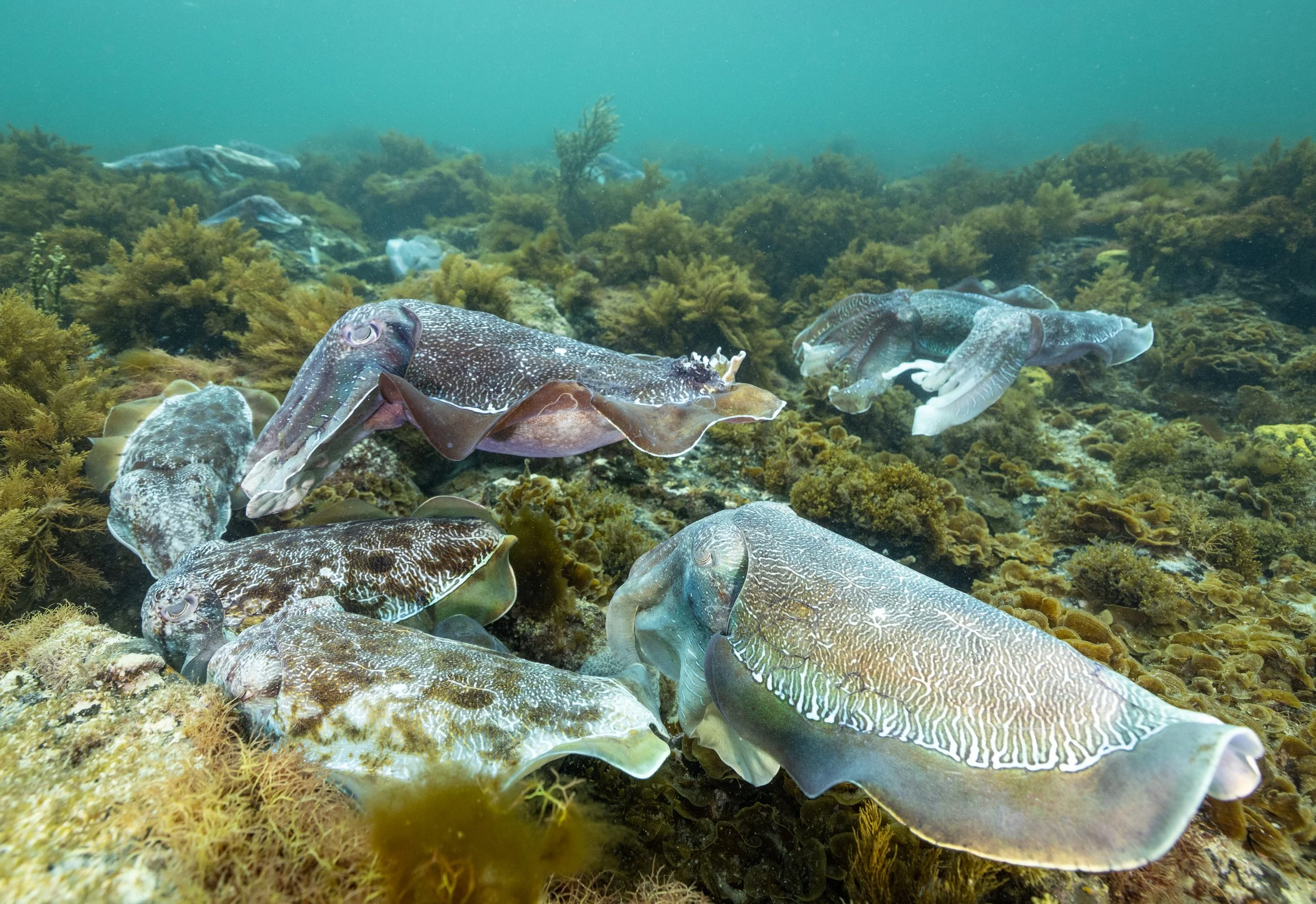
Last month, the Great Southern Reef Foundation wrote to the Federal Environment Minister Murray Watt seeking an urgent EPBC Act assessment of the Upper Spencer Gulf giant Australian cuttlefish population.
Soon afterwards, the South Australian Government released its official 2026 survey report. SARDI recorded no cuttlefish along its standard survey transects in June or July. DEW also recorded very few animals during surveys conducted across the breeding season.

Minister Watt has since responded directly to the Foundation and the scientists who supported our letter. He confirmed that he had asked the Threatened Species Scientific Committee to urgently consider listing the giant Australian cuttlefish subpopulation under the EPBC Act and to undertake an assessment if appropriate.
Marine heatwaves are lasting longer around Australia
Marine heatwaves around Australia are lasting longer, occurring more often and exposing coastal ecosystems to increasing heat. A new study has mapped these changes across 60 marine bioregions using more than four decades of sea surface temperature data.
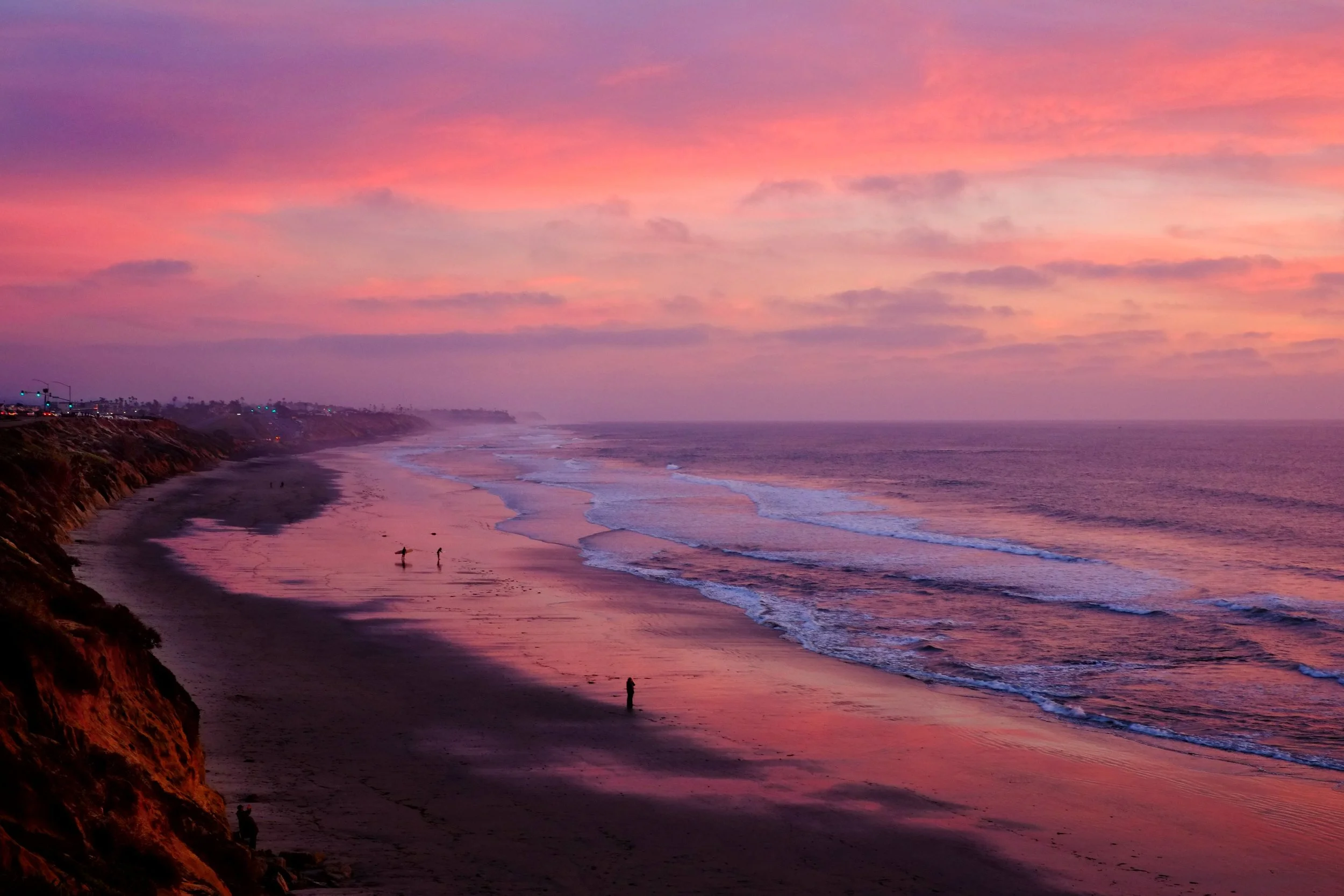
Along the Great Southern Reef, the pattern differs between regions. Some areas have been shaped by exceptional events, others by persistent lower-intensity heat, while North Spencer Gulf recorded Australia’s fastest increases in marine heatwave intensity.
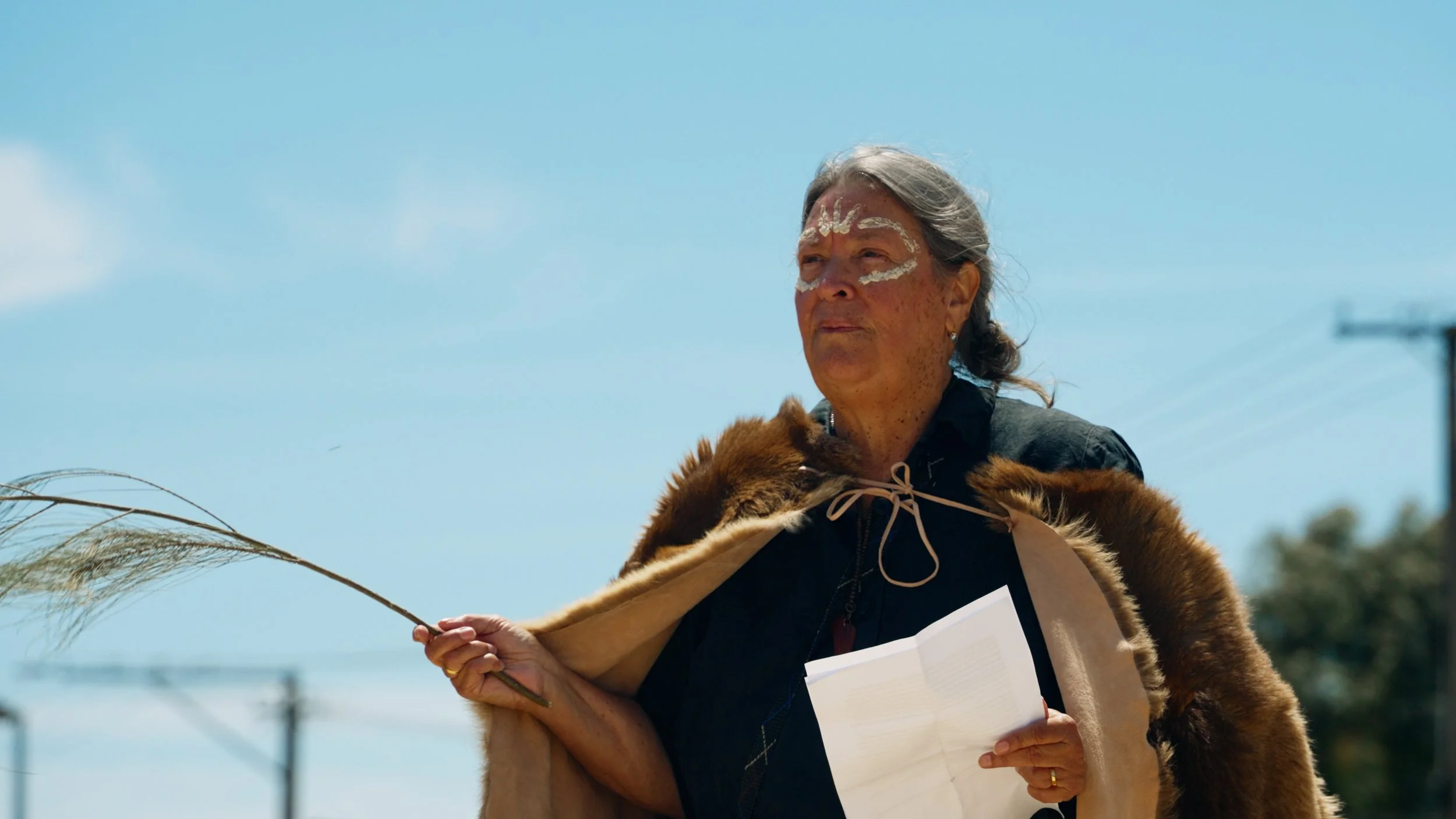
Tanitjari: A Warning from Sea Country
When H5 bird flu reached Bial-bial on the Limestone Coast, the deaths of Tanitjari carried a warning far beyond disease. Professor Irene Watson reflects on the relationship between Meintangk Bunganditj Peoples, Greater Crested Terns and ngamath, and what their threatened loss would mean for Country, culture and future generations.
Kelp Forests Explained for Young Minds
A new open-access article in Frontiers for Young Minds explains why kelp forests matter, the marine life and communities they support, and the growing pressures they face.
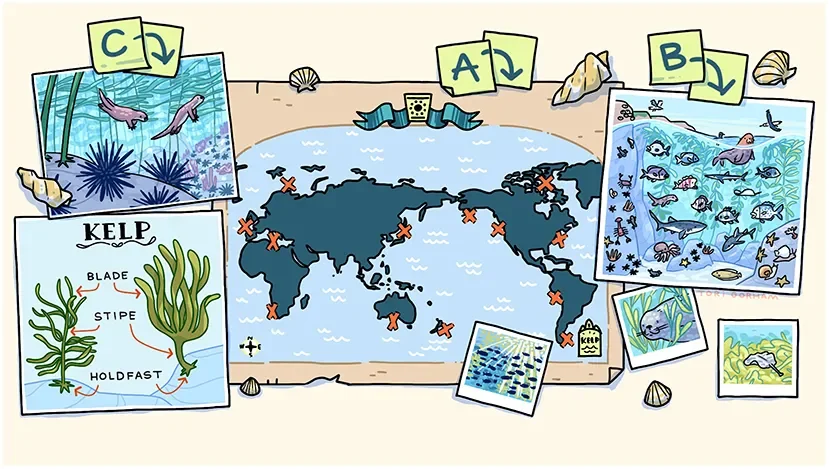
Illustration by Tori GorhamLead author Dr Chanelle Webster admits she did not initially feel equipped to write for children. Feedback on the first version was blunt: it was “boring”. That response pushed her to rethink the article, get creative and communicate the science in a way young readers could follow. Graphic illustrator Tori Gorham worked with Chanelle to turn the concepts into colourful visual stories.
The article brings together collaborators from GSRF and the Great Southern Reef Research Partnership. It also reflects a growing national focus on ocean literacy, identified as a key enabler in work informing Australia’s National Marine Science Strategy for 2026–36. It shows why scientists need to communicate beyond academic audiences and help young people understand the marine environments around them.
Public submissions are open on the Australian Government’s proposal to prepare six new management plans covering 44 Commonwealth marine parks, closing at 4 pm AEST on 30 September.
Commonwealth Marine Parks Review Now Open
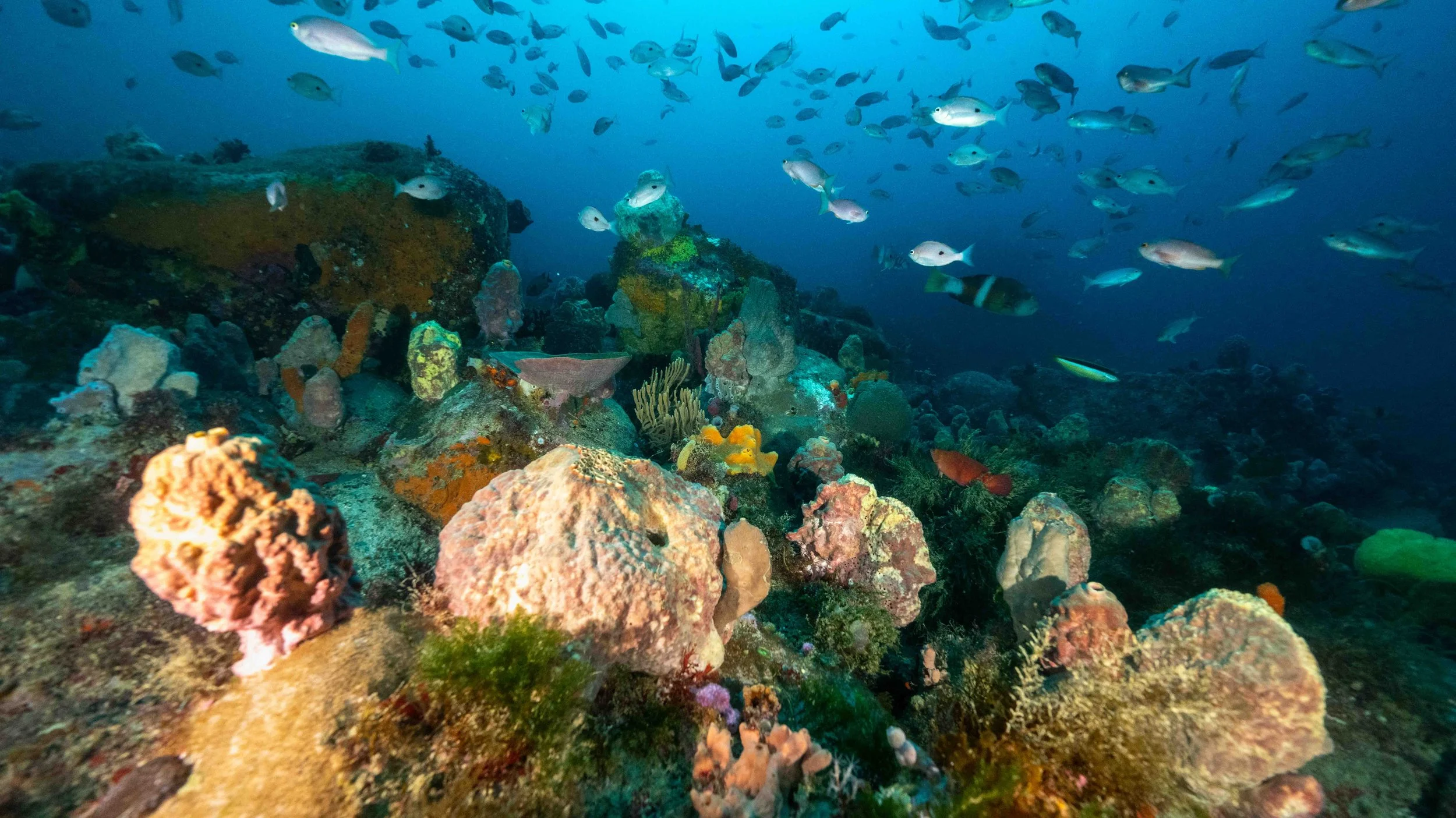
For the Great Southern Reef, the review offers an opportunity to strengthen representative and connected protection across Australia’s temperate reef system. A strong outcome should protect a range of habitats, fund repeated monitoring and public reporting, coordinate management where ecological connections cross park boundaries, and support direct, paid participation by Traditional Owners.
Thank You Nev
This week marks the retirement of Associate Professor Neville Barrett from IMAS after more than three decades studying and documenting Australia’s temperate marine ecosystems.
A member of the Great Southern Reef Research Partnership, Nev has made an immense contribution to reef monitoring, marine park science and our understanding of the Great Southern Reef. We thank Nev for his leadership, generosity and lasting contribution to the Great Southern Reef, and wish him all the best for this next chapter.
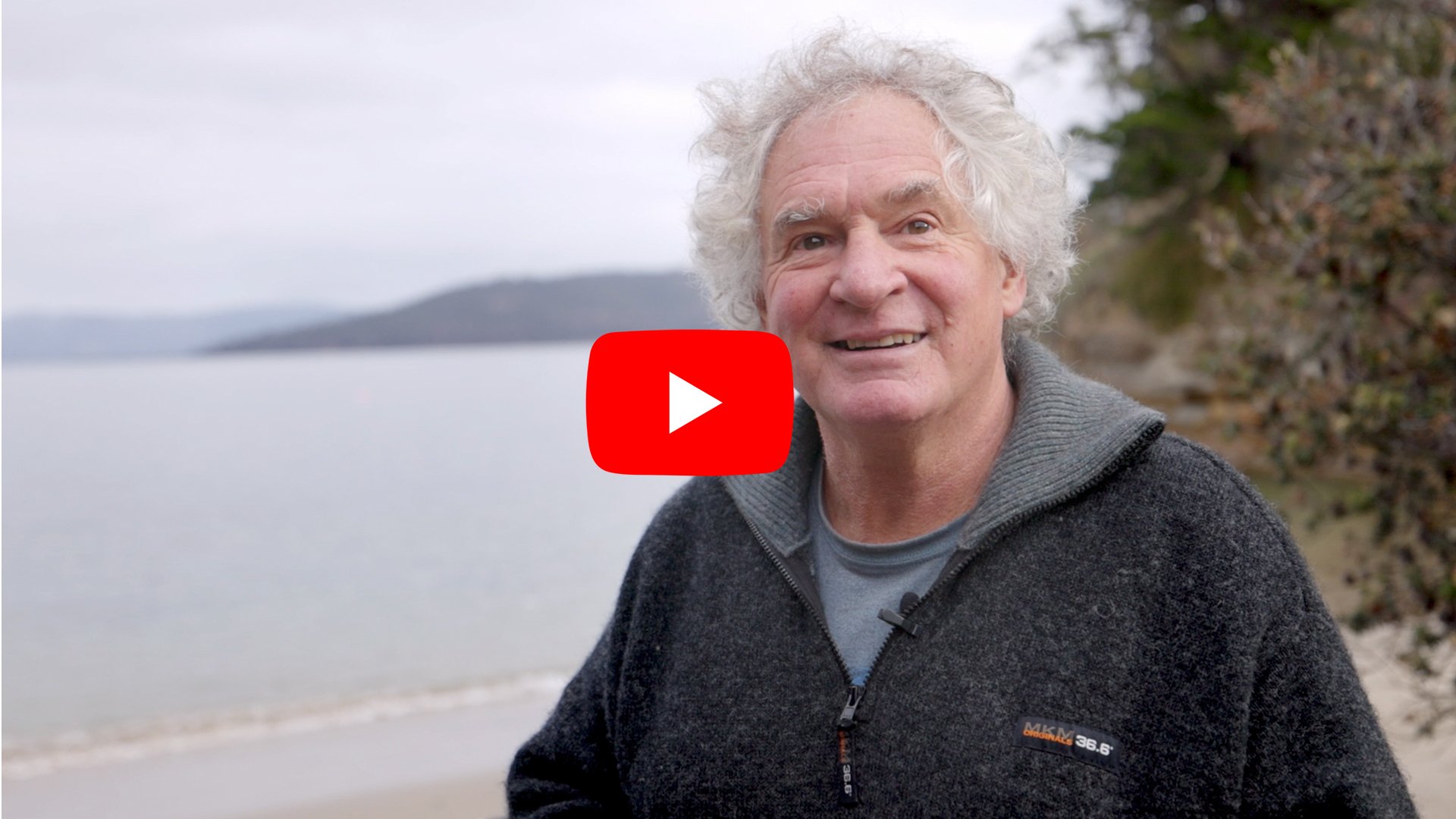
Video: Nev shares the remarkable ecology of Tasmania’s Bathurst Channel, one of the marine environments he has studied throughout his career.
Thanks For Supporting Us
Thanks for reading this month’s issue and for supporting the Great Southern Reef Foundation. From our research and community partners to our Friends, Champions, Guardians and individual donors, your support helps us share stories, connect people with marine science and grow appreciation for Australia's Great Southern Reef.
Join Our Community
Sign up to our monthly newsletter to receive the latest updates from around the GSR.
explore further
-
![]()
more ARTICLES
A further look at timely reef topics, stories and insights from science, community voices and coastal experiences.
-
![]()
MARINE LIFE
Meet the species that live across Australia’s Great Southern Reef. Learn how fish, seaweeds, invertebrates, and marine mammals connect to healthy reef systems.
-
![]()
VIDEOS
Check out our short films and clips about temperate reef life, research in action, community work and reef encounters across southern Australia.
-
![]()
FEATURE CREATORS
Each month we feature a creator from across the Great Southern Reef sharing their connection to the coast through photography, art and storytelling.
-
![]()
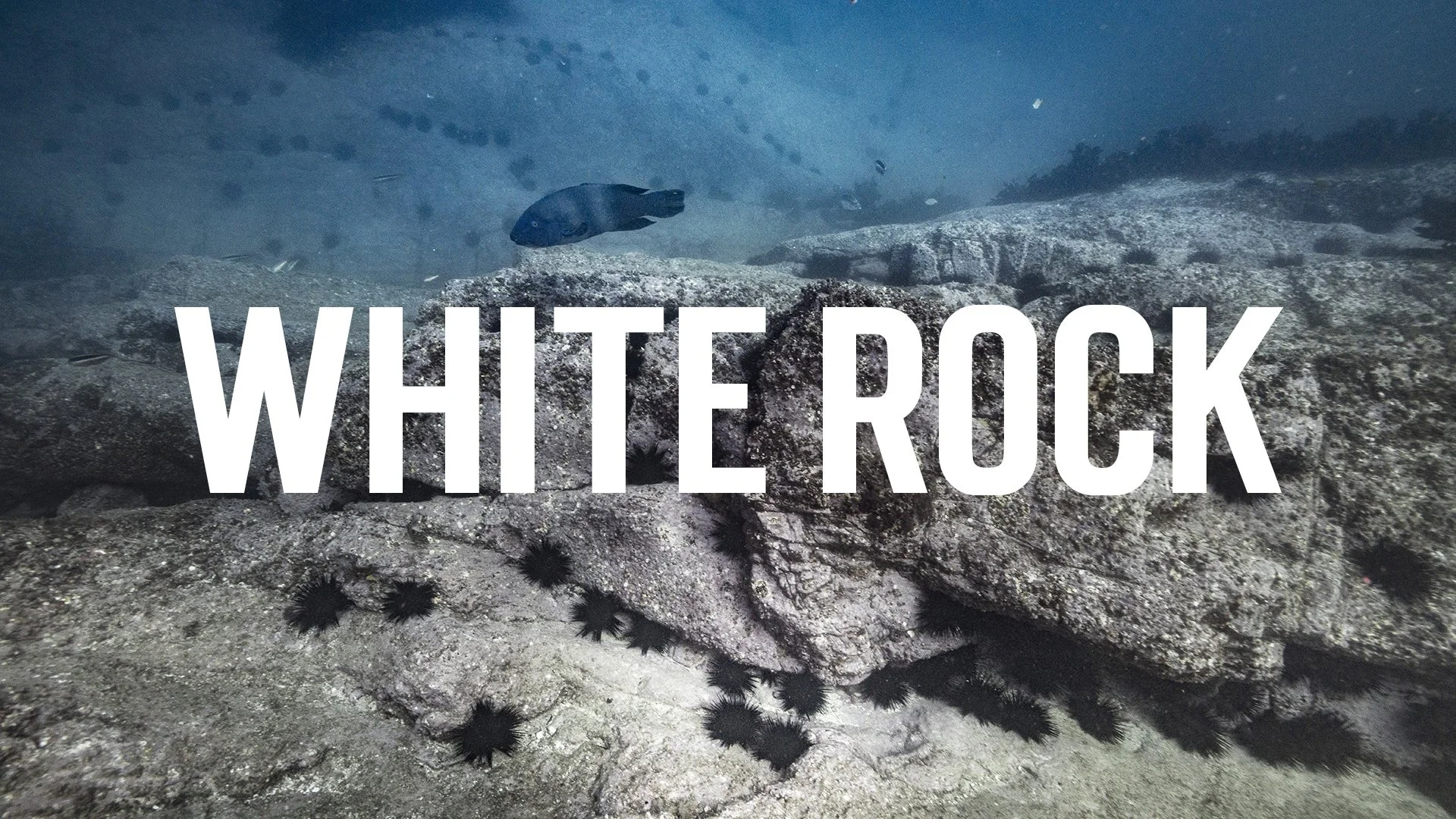
WHITE ROCK
With stunning visuals and impactful storytelling, White Rock captures the urgent threat of longspined urchins to the GSR and presents tangible solutions to save them.
-
![]()
educator hub
Explore free Great Southern Reef teaching resources, classroom activities and curriculum-linked learning materials.