
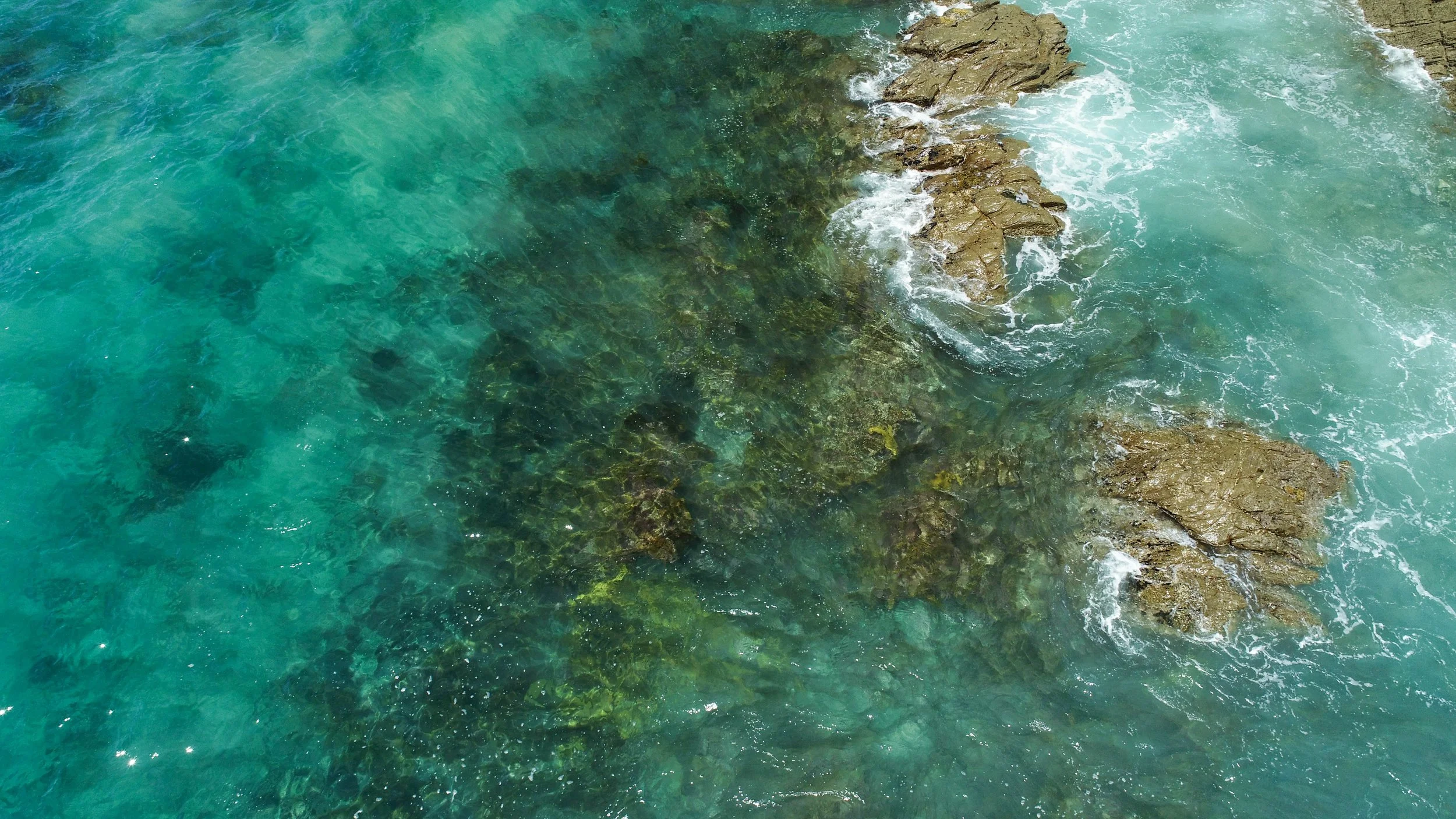
What Victoria’s new report means for the Great Southern Reef
Victoria’s Marine Health Check
Victoria has released the 2024 State of the Marine and Coastal Environment report, the first full update in several years.
It pulls together long term data on coasts, estuaries and reefs and tracks how these systems are changing under pressure from climate, development and population growth. It’s a big document, but it gives you a clear picture of how the Great Southern Reef is shifting across the state.
Here’s what stands out.
People shaped the biggest trends

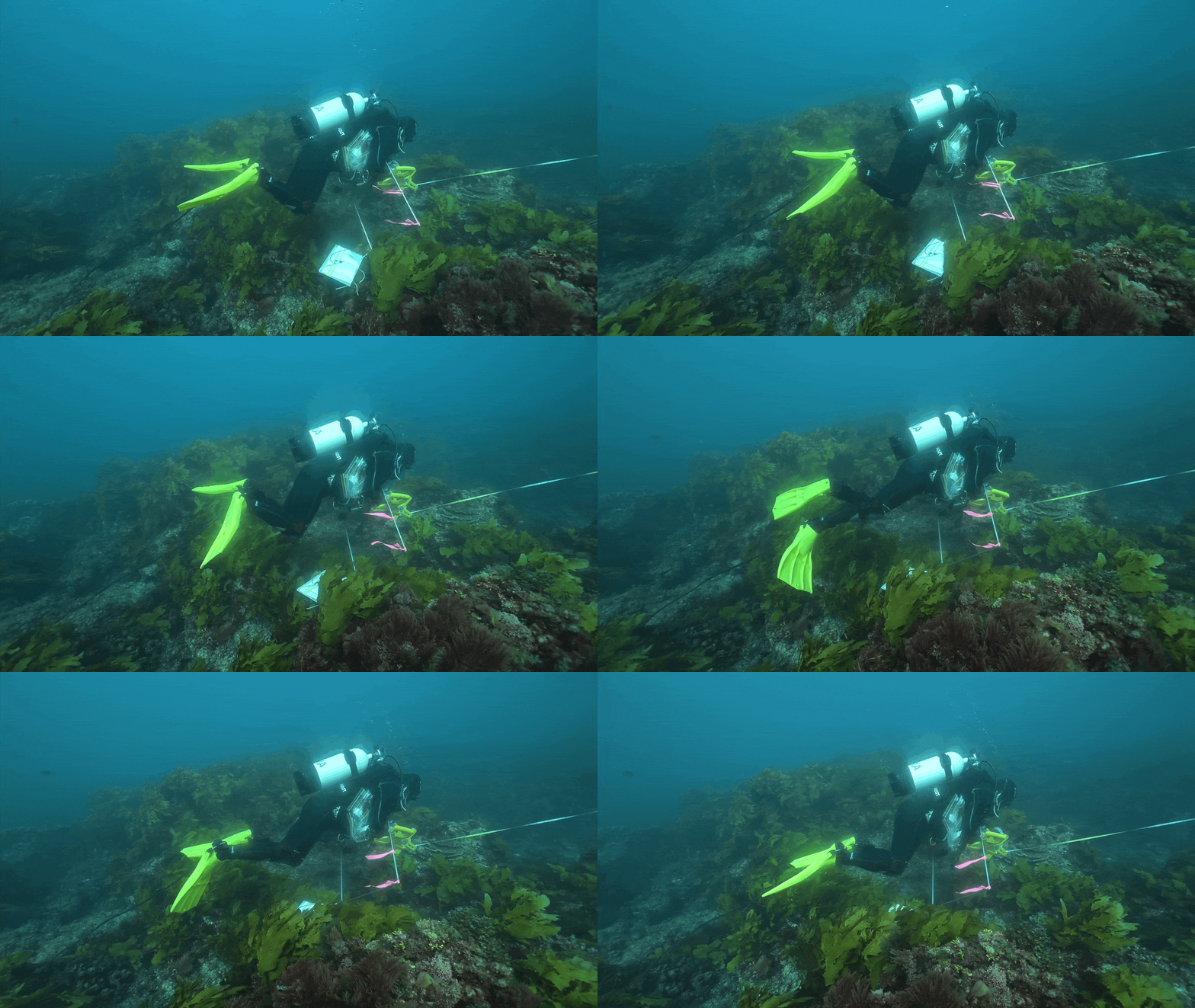
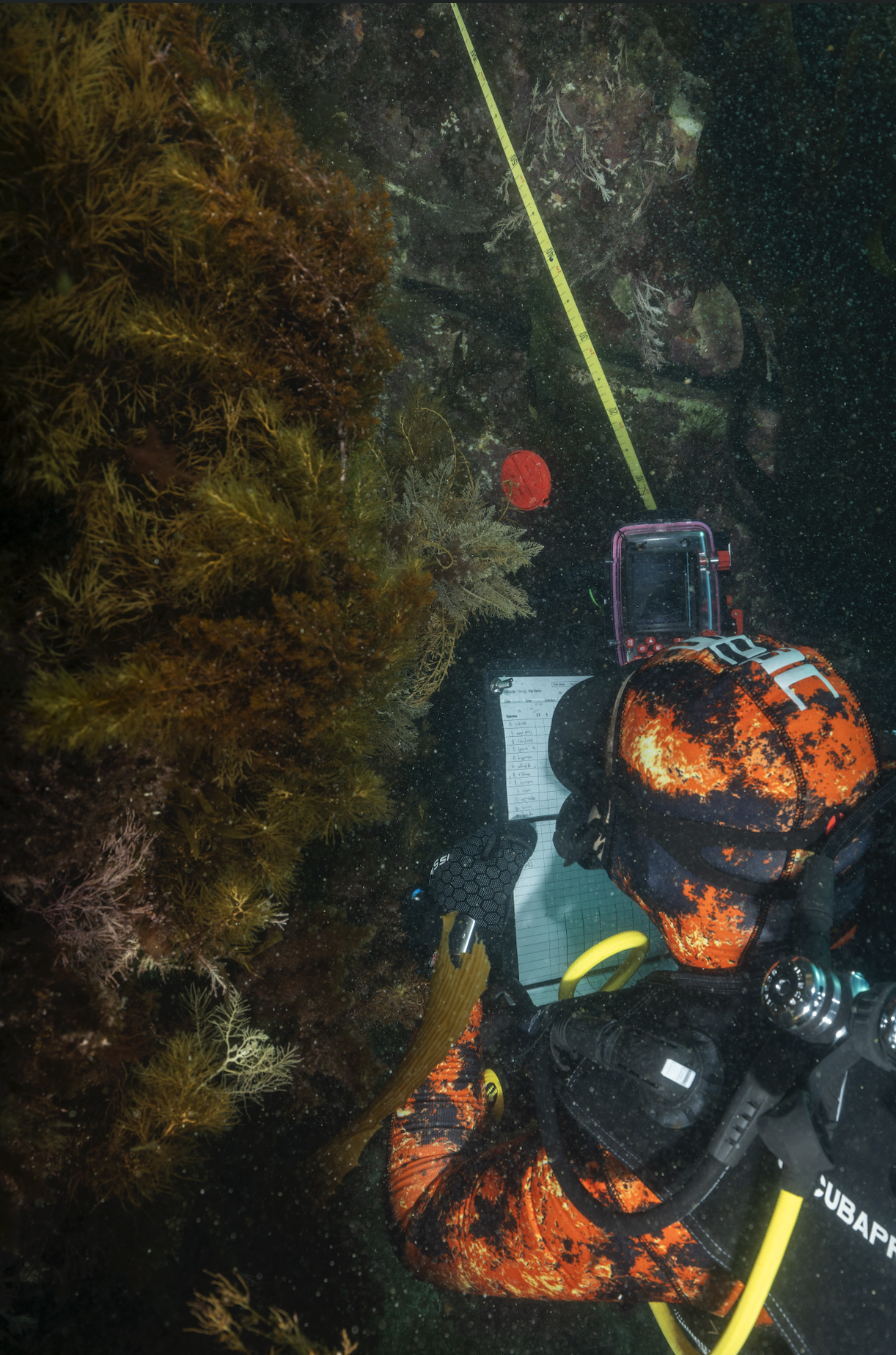
These valuable contributions fill gaps that agency surveys can’t cover year round. The extra data points strengthen trend lines for kelp cover, invertebrate change and shoreline condition, and they influence how agencies plan future monitoring and restoration. Stewardship is shifting into shared hands and the evidence of that shift now appears in the report’s own charts and indicators.
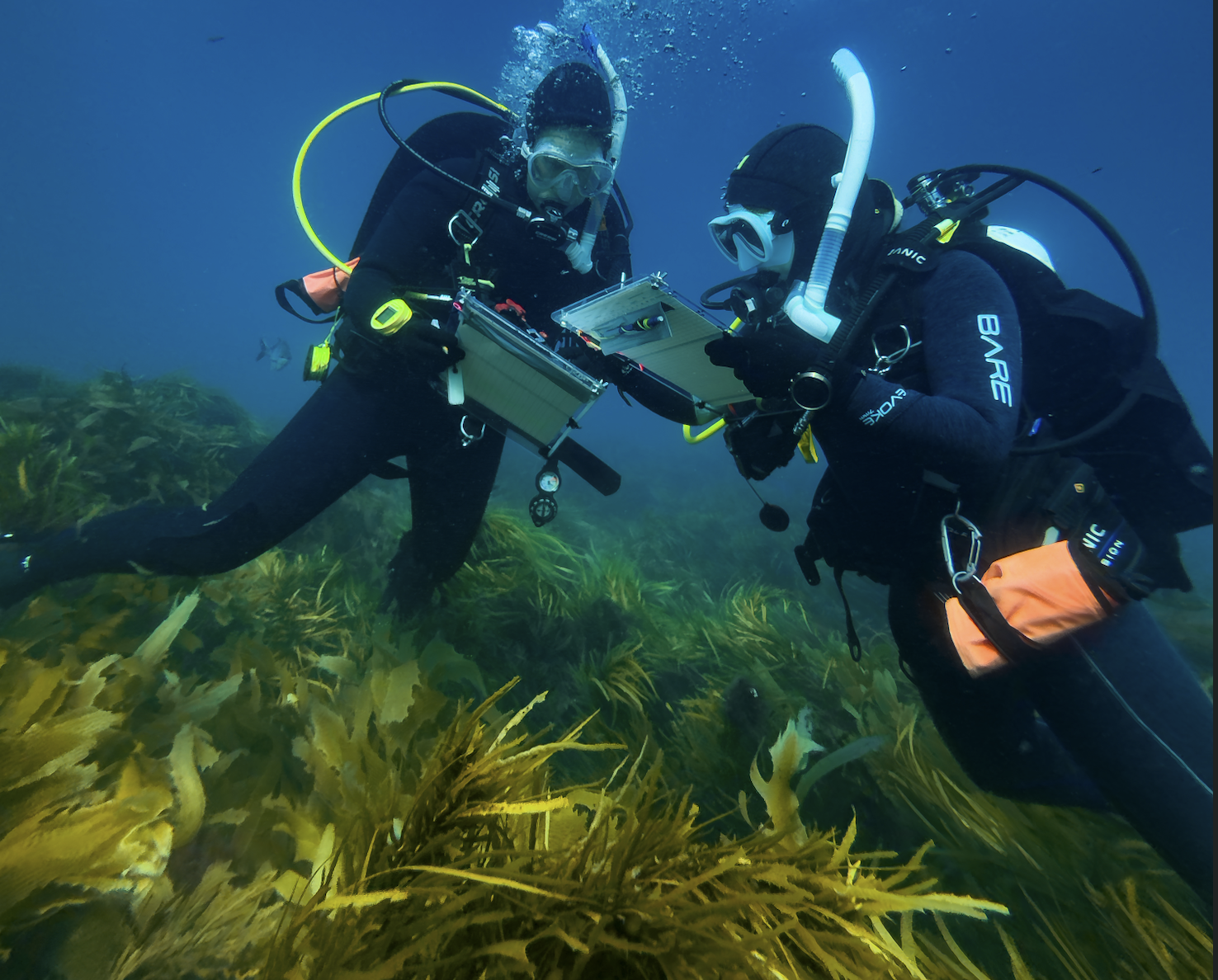
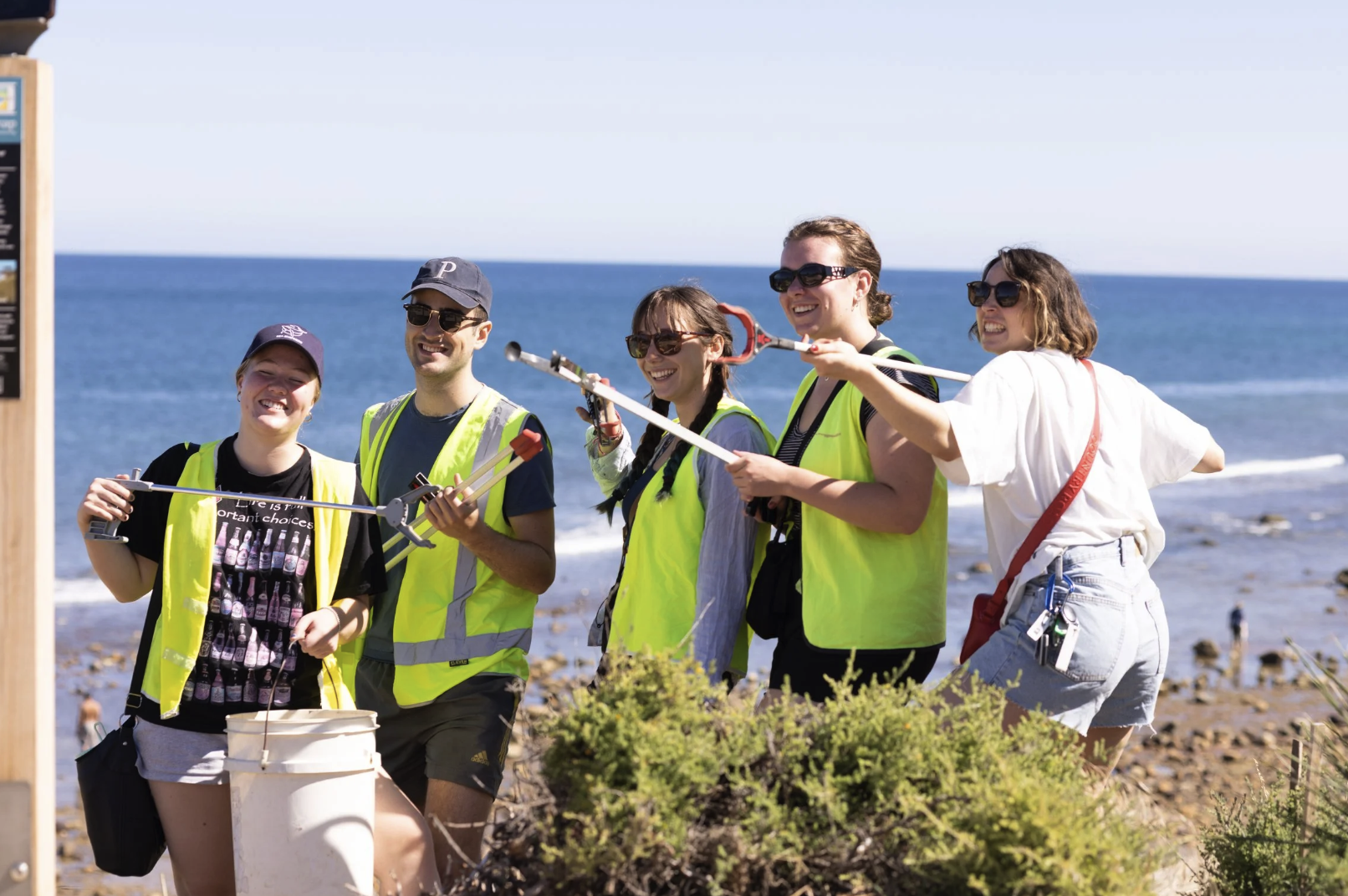
The report highlights steady growth in coastal visitation and a clear rise in environmental volunteering. Coastcare participation has increased again in the past two reporting years and statewide figures show over 16,000 coastal volunteers contributing over 300,000 hours last year. Citizen science programs are also becoming a stronger part of the dataset, with community observations now feeding into long term records used by managers.
Habitat repair is working
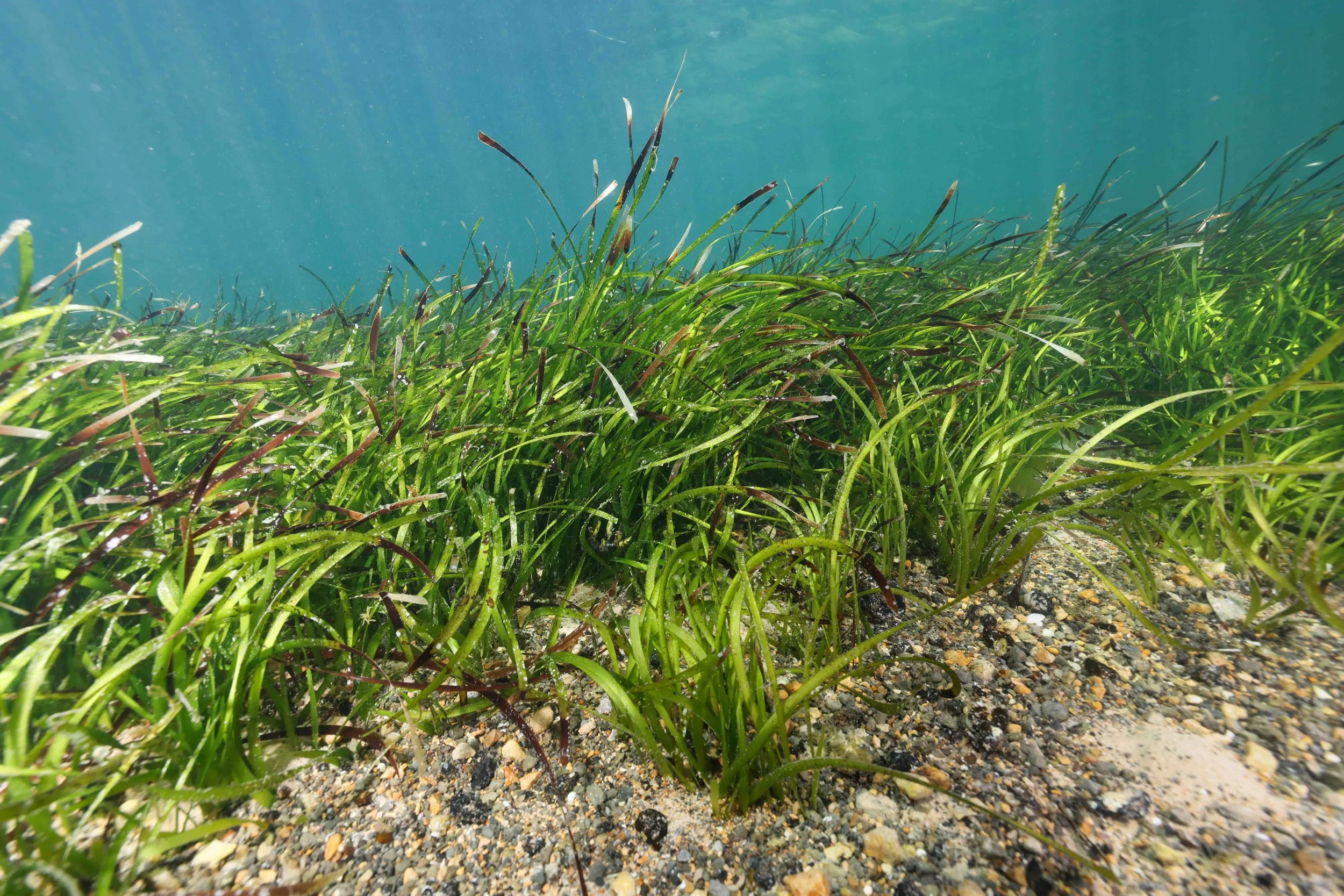
Among the more positive findings is the recovery of seagrass in selected estuaries and the continued rollout of shellfish reef restoration. These projects increase biodiversity, stabilise sediments and improve local fish habitat.
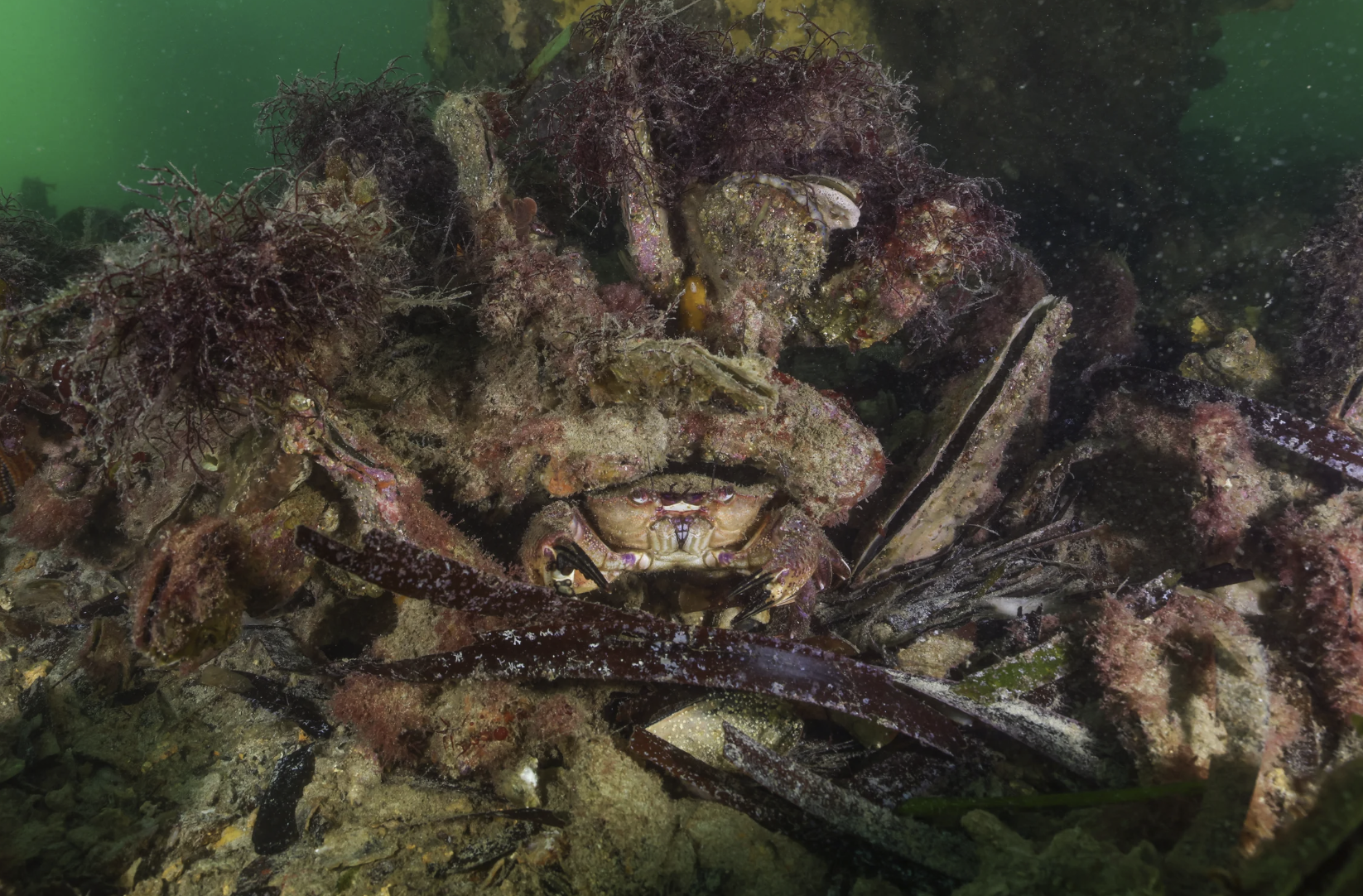
They also show something important for the Great Southern Reef. When you repair habitat at scale and stick with it, you get measurable gains. It gives confidence that targeted restoration can help lift kelp forests and reef condition in the right locations.
Protection helps but isn’t enough on its own
Long standing marine protected areas continue to hold stronger fish and invertebrate communities than nearby reference sites. Protection supports reef structure, but it doesn’t slow the pace of change in the physical environment.
The report links many of the big shifts to warming seas, altered currents and changing storm patterns. That means protection needs to sit alongside active restoration and adaptive management. A single approach won’t keep pace with how fast conditions are changing across the Great Southern Reef.
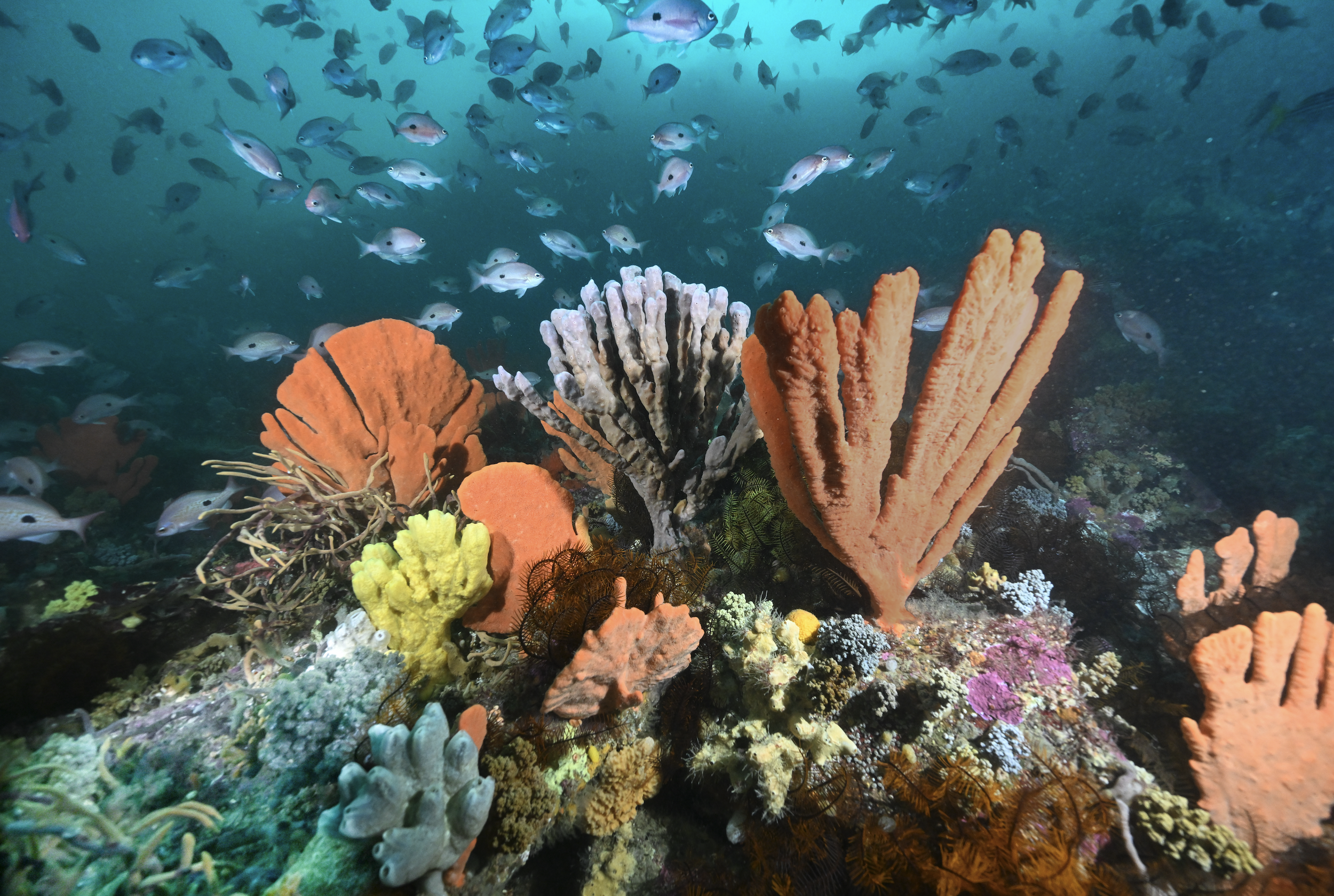
Kelp forests show the biggest warning signs
Kelp decline shows up strongly in statewide datasets.
The patterns match what you’re seeing across the Great Southern Reef. Losses link to higher temperatures, shifting wave energy and changes in recruitment.
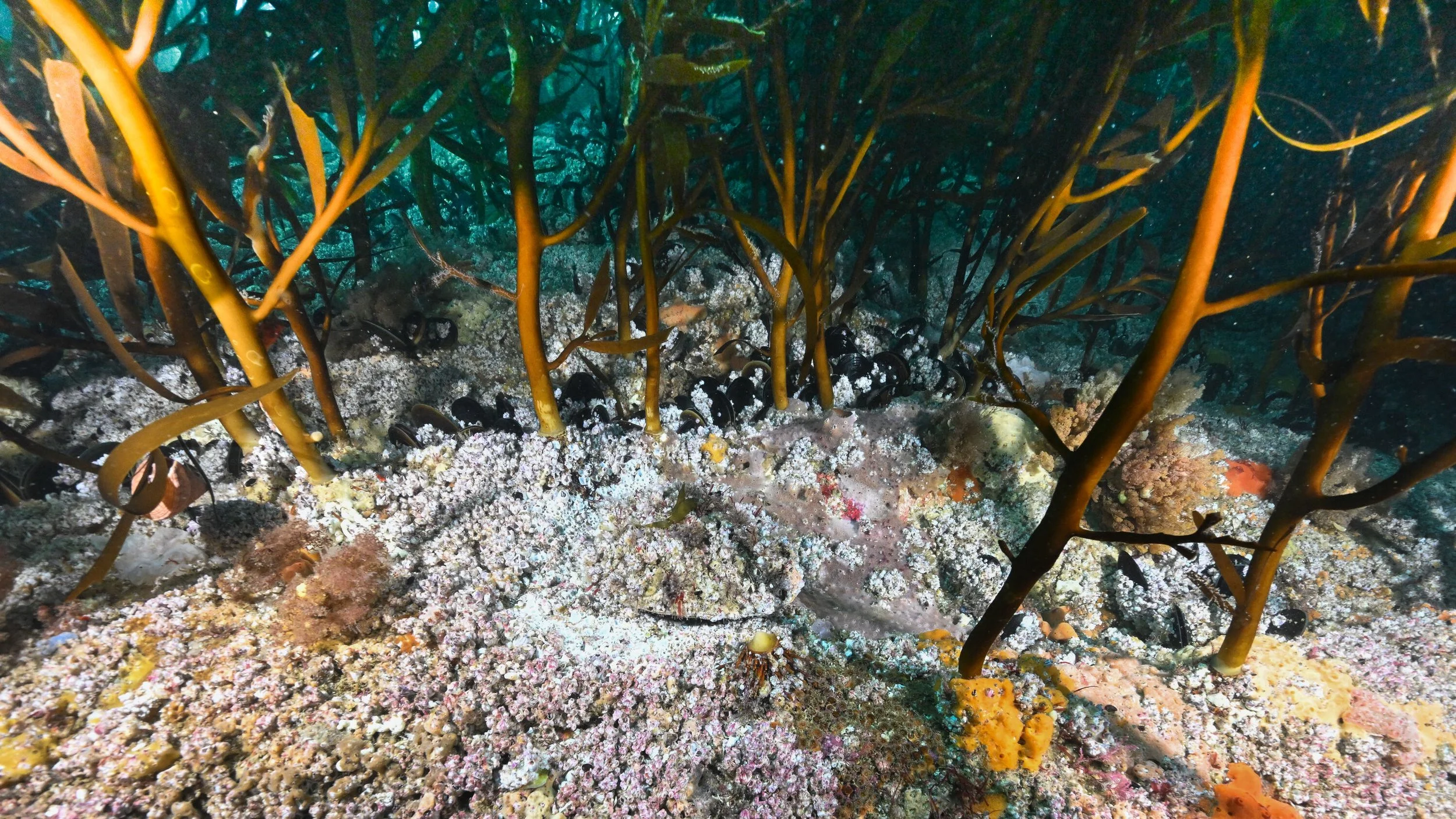
Kelp is a reliable indicator. When kelp drops out, changes show up later in fisheries, coastal productivity and wildlife. That makes kelp restoration and protection a practical focus for future investment.
Climate driven species shifts
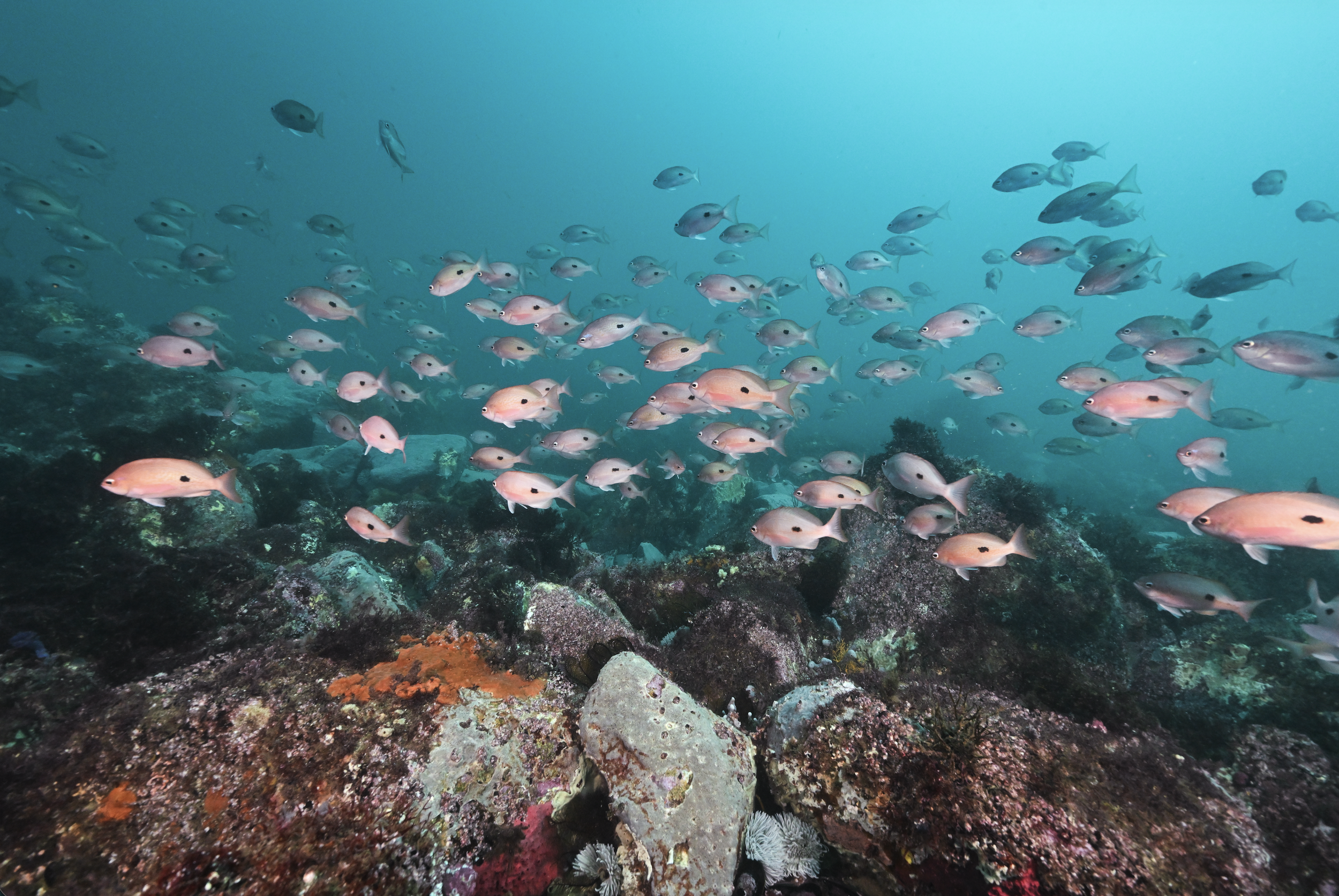
The report also points to changes in species distributions linked to warming seas. Long term temperature rise and the strengthening East Australian Current are expected to influence which reef species hold ground and which ones shift their range in Victorian waters. Reef managers already note changes in community composition in long term monitoring at sites such as Wilsons Promontory, where warming is a recognised pressure on local fish assemblages.
These patterns match what you’re seeing across the Great Southern Reef. Rising temperatures are reshaping the mix of fish and invertebrates, altering abundance patterns and changing the structure of southern reefs in real time.

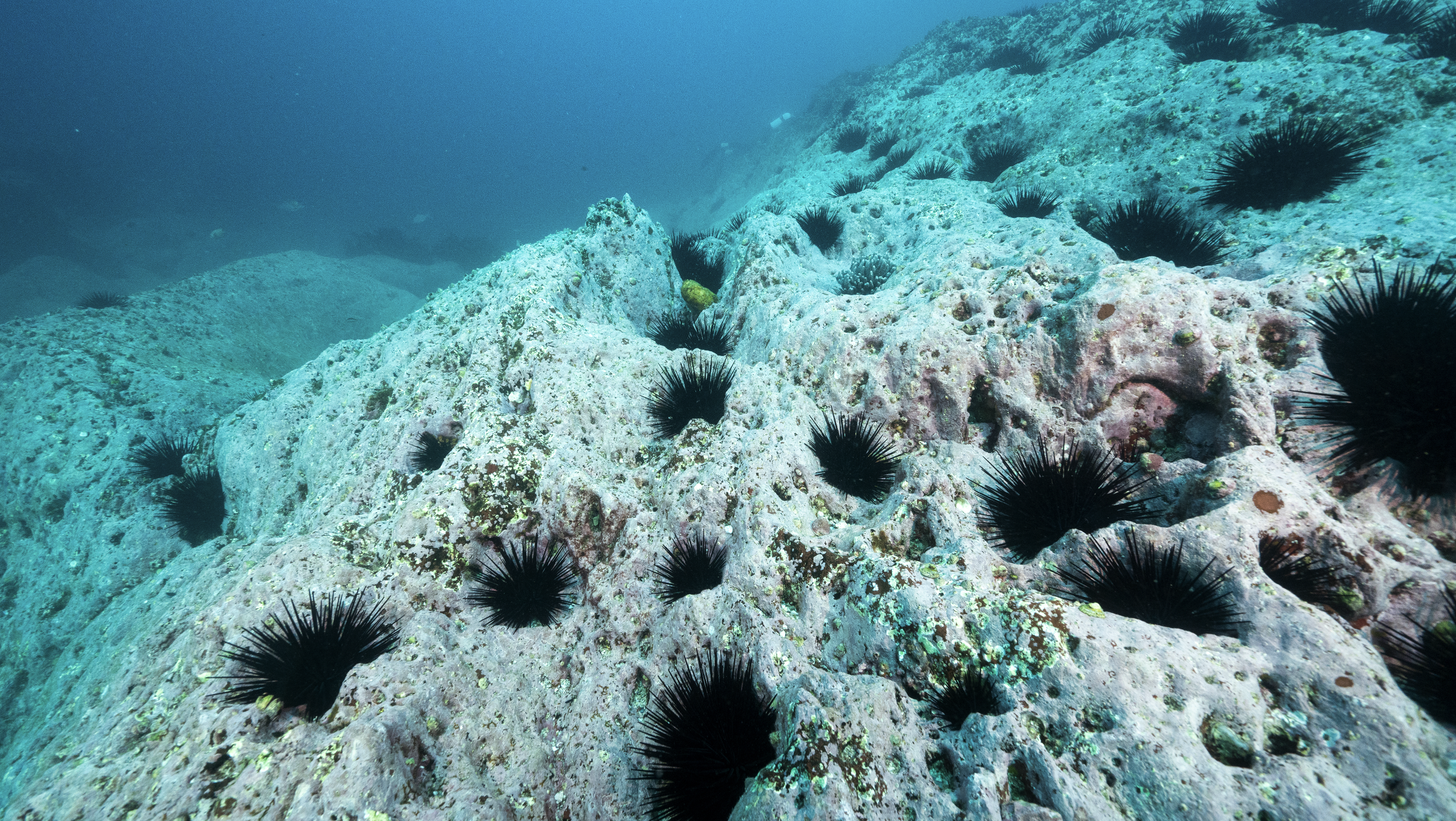
Rising temperatures link to higher numbers of shortspined and longspined urchins in several Victorian regions. In places where kelp has already thinned, that extra grazing pressure can tip reefs into barrens.
Urchins tell a climate story, not a simple pest story

The report frames this as part of a wider climate signal. Urchin dynamics follow temperature trends, so coordinated management works better than isolated removals. Coordinated management means working to a shared plan rather than treating each hotspot separately. It involves using agreed density thresholds that trigger action, focusing removals on high risk locations, and using consistent monitoring so data across regions can be compared. This approach also links tightly with kelp restoration because cleared sites need follow up support or they slip back into barrens. National work through the Centro Task Force sits in this space, helping states align monitoring, thresholds and response planning.
This approach aligns with conversations across the Great Southern Reef. Temperature driven shifts call for regional planning, shared datasets and joint responses. Individual culls can help in the short term, but coordinated management protects the broader reef system.
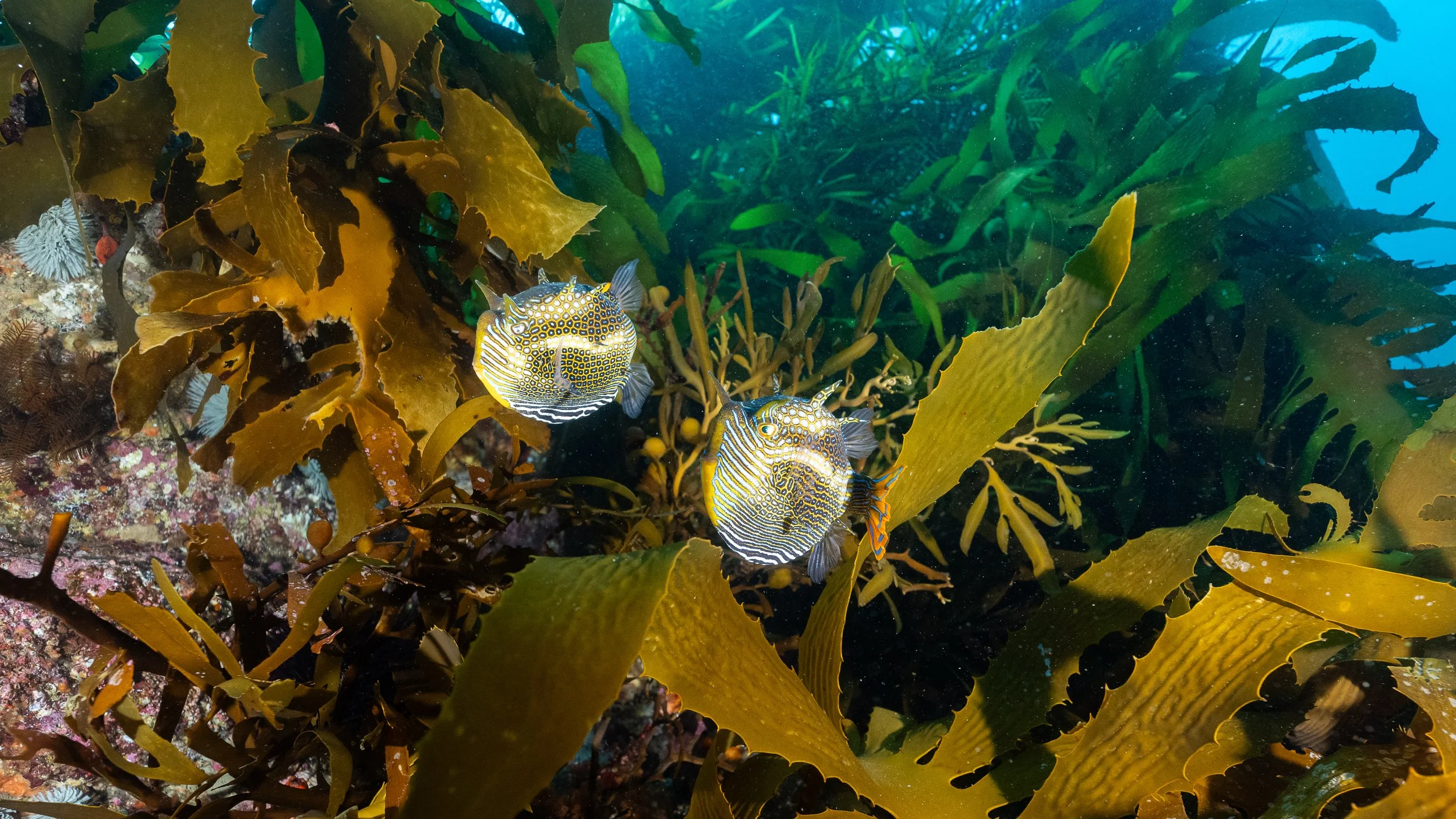
Shortspined urchin image by Olivia JohnsonDeeper reef refuges
One of the more interesting signals in the report is the role of deeper, cooler reefs. Temperature profiles show that subsurface waters can sit several degrees below the surface, creating pockets where kelp species may persist even as shallower reefs warm.
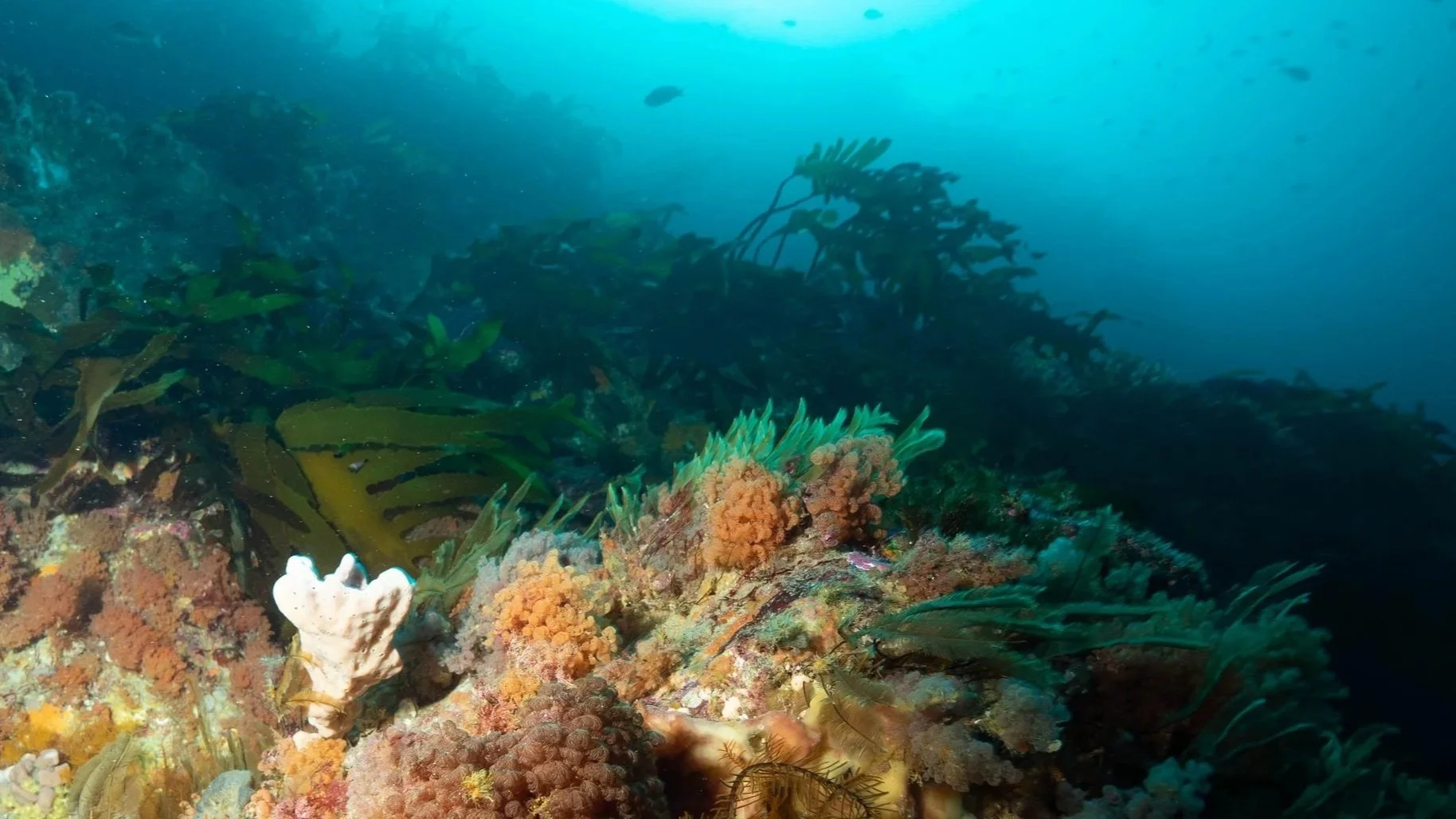
These areas act as potential refuges and could hold the last stable stands of golden kelp and crayweed under stronger climate pressure. For the Great Southern Reef, this highlights the need to protect depth gradients, not only coastlines. Deeper reefs may carry more of the system’s resilience in the years ahead.
What we take from the findings
Taken together, the report shows a reef system under pressure but not without agency. People are contributing more data than ever, restoration projects are starting to lift habitat, and managers now have clearer signals about where support is needed. For the Great Southern Reef, this is a reminder that change is already underway and that action at the right scale can influence what happens next. The choices made over the coming years will shape how much of this reef we pass on in good condition.
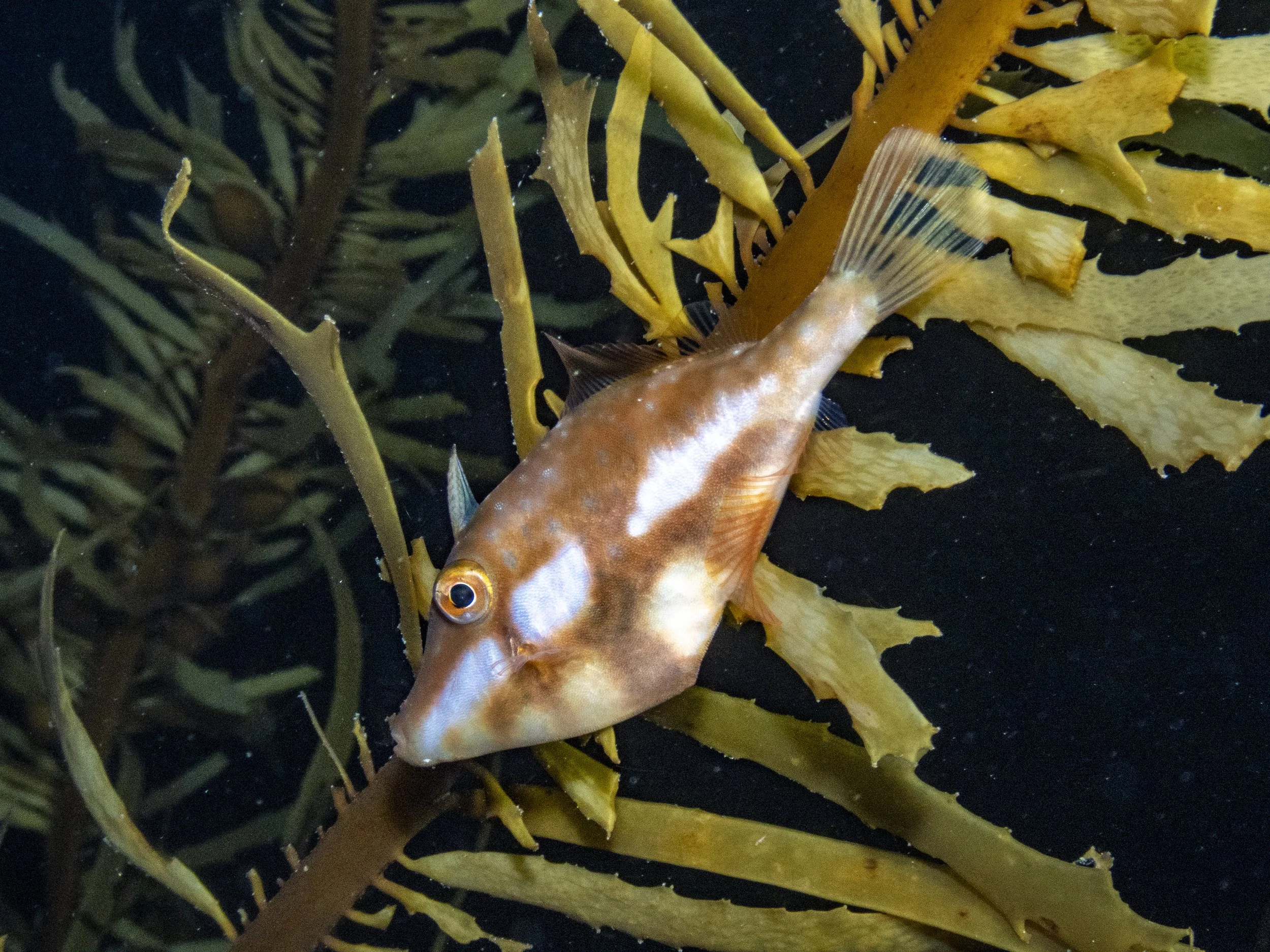
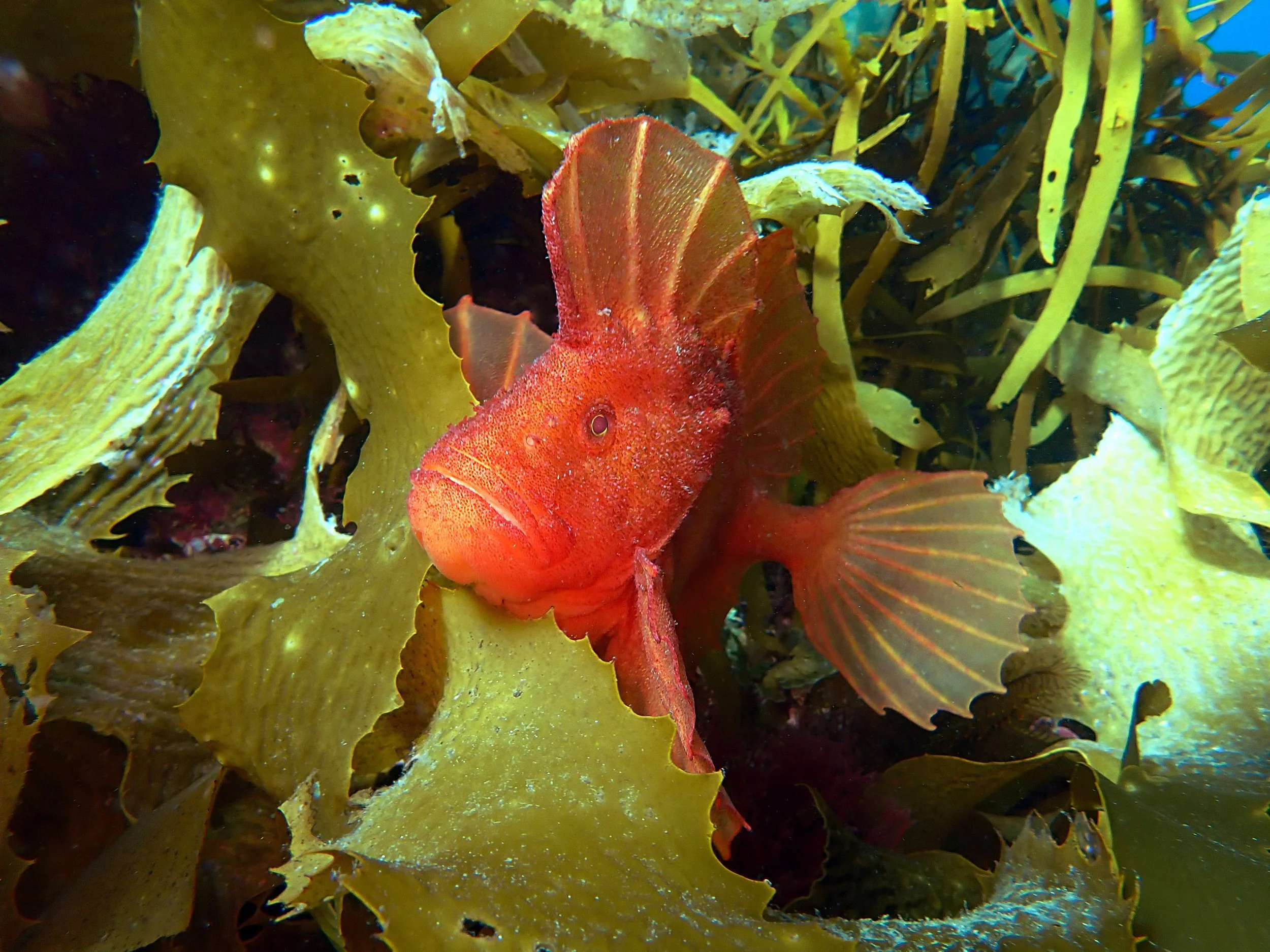
Leatherjakcet by Imogen Maninsyou may also like
-
![]()
National Marine Science Strategy
Australia’s new National Marine Science Strategy 2026–36 arrives at a time when pressure on the ocean is rising fast. Climate impacts are accelerating, biodiversity is under strain, coastal risks are growing, and the demand for marine science that can inform real decisions is only becoming more urgent.
-
![]()
Response to urchin inquiry
After more than two years, the Australian Government has released its response to the Senate inquiry into climate-related marine invasive species, addressing the spread of longspined sea urchins across the Great Southern Reef. Despite acknowledging the scale of the issue, the response includes no new targeted funding.
-
![]()
more ARTICLES
A deeper look at timely reef topics, stories and insights from science, community voices and coastal experiences.
-
![]()
WHITE ROCK
With stunning visuals and impactful storytelling, White Rock captures the urgent threat of longspined urchins to the GSR and presents tangible solutions to save them.
-
![]()
Eat An Urchin
We’ve created a curated online hub connecting chefs, suppliers, and consumers to make enjoying urchin both accessible and inspiring.
-
![]()
VIDEOS
Check out our short films and clips about temperate reef life, research in action, community work and reef encounters across southern Australia.
-
![]()
FEATURE CREATORS
Each month we feature a creator from across the Great Southern Reef sharing their connection to the coast through photography, art and storytelling.

CONNECT
-
![]()
GSR FAQ
What is the Great Southern Reef? What is unique about it? and how is climate change affecting it? Find out answers, ask your own question and more.
-
![]()
PARTNERS
Our partners help bring bold ideas to life. They power collaborations, support impact campaigns, and help share Great Southern Reef stories far and wide.
-
![]()
EDUCATOR HUB
Looking to deepen your knowledge on the rich biodiversity found in Australia's temperate reefs? This space is designed for you.
-
![]()
take action
Find ways to take part. Volunteer, join events, share reef stories and connect with communities around the Great Southern Reef.
-
![]()
contact us
Reach out with questions, ideas or feedback about reef stories, programs and partnerships.
-
![]()
host a screening
Host a White Rock screening with the Great Southern Reef Foundation. Bring communities together to watch the film, spark conversation and boost local reef engagement.
-
![]()
reef resilience showcase
Our Reef Resilience Photo & Art competition is live this summer in South Australia. We’re calling on divers, snorkellers, photographers, drone pilots, artists, and coastal travellers to share photos, video, and art showing what’s still thriving across SA’s reefs.


Sign up for our Great Southern Reef Foundation newsletter