
BACKGROUND

Your investigation starts here!
Marine scientists have noticed that sea urchins are appearing in larger numbers on some parts of the Great Southern Reef, and even in places where they were never seen before.
Watch the video below and take a dive with Damon into a kelp forest to find out more.
longspined sea urchins
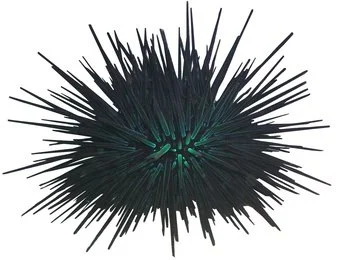
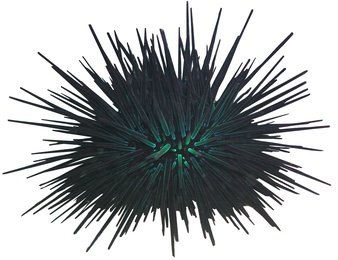
(Image Credit Dr Scott Ling)Have you ever heard about these spiky marine animals before?
They are called longspined sea urchins because of their long spines, as you can see in the picture. Their scientific name is Centrostephanus rodgersii, but we’ll call them Centro from now on. Sea urchins belong to a group of sea animals called echinoderms. This group also includes sea stars, sea cucumbers, and brittle stars.
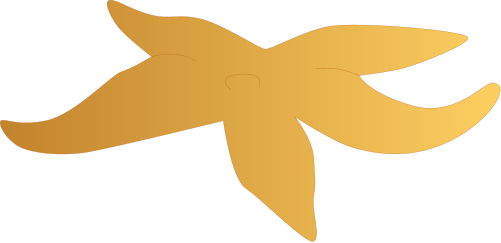
sea stars
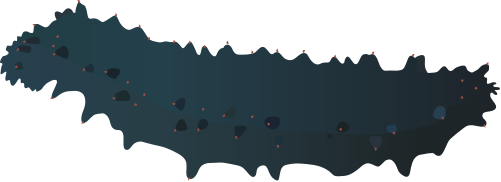
sea cucumbers
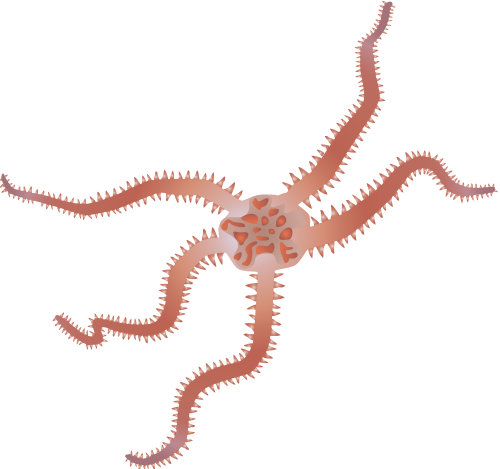
brittle stars
© IAN Symbols: Seastar 3; Holothurian 1; Ophiopholis aculeata (Daisy Brittle Star); by Tracey Saxby, Integration and Application Network (ian.umces.edu/media-library)
Scientists describe living things by using clear words that tell us how they look, move, survive, and where they live. Below is a list of words. Some of these words describe sea urchins, and others describe different animals, such as fish or mammals.
Write the words in your notebook and choose two different colours:
🎨 Use one colour to shade the words that describe sea urchins.
🎨 Use a different colour to shade the words that describe other animals, like fish or mammals.
Important: make sure you label your colours clearly at the top or bottom of the page, so others know what each colour means.
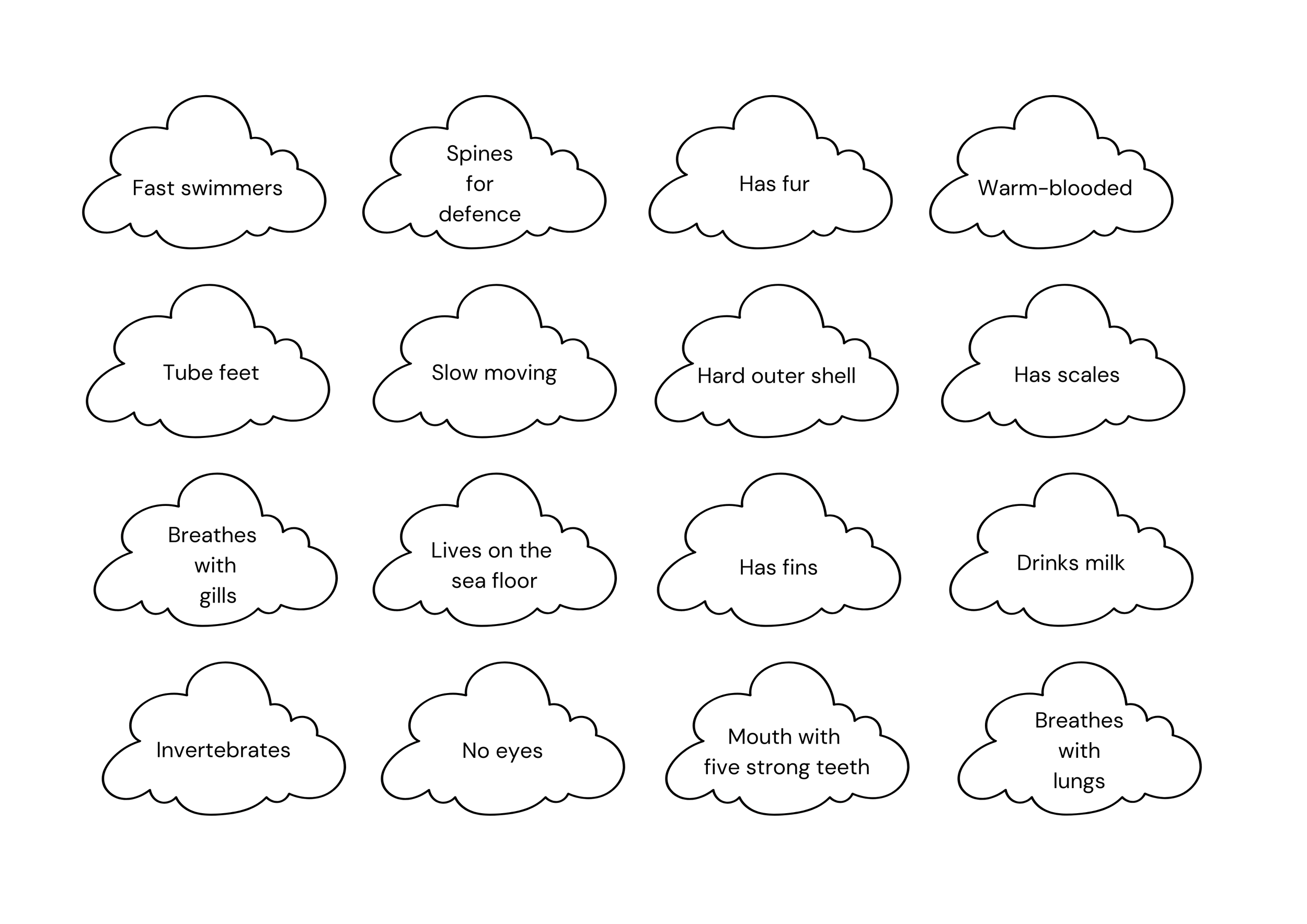
📝Now, choose four words that do NOT describe sea urchins. For each word, write down a marine animal that does match that word.
Have a look at the picture below — can you guess Centro’s favourite food?
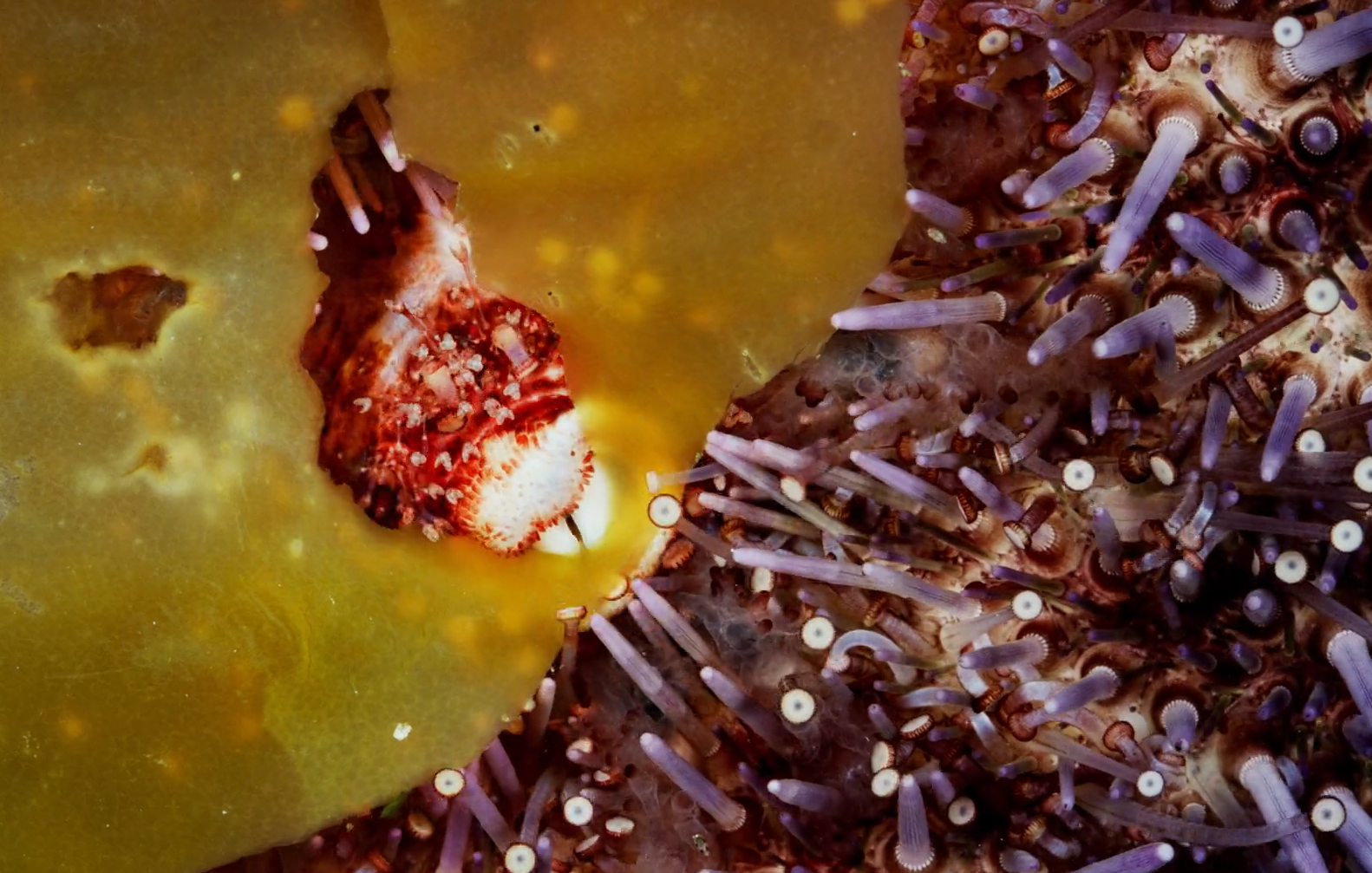
In your notebook, write down all the options and circle the correct answer.
A) Seaweed (especially kelp)
B) Sand
C) Small Fish
Sea Urchins’ adaptations
Sea urchins live in oceans all around the world. There are more than 750 different species of sea urchins! They survive so well because they have special adaptations that help them survive, grow, and stay safe.
Marine scientists organise animal adaptations into three main categories.
A) What an animal does: These are actions or behaviours that help an animal survive or reproduce
(Example: hiding from predators, moving to find food)
B) How an animal’s body works: These are body functions or processes that help an animal survive.
(Example: producing toxins)
C) How an animal’s body is built: These are physical characteristics or body parts that help an animal survive.
(Example: sharp spines, strong shells)
Read each sea urchin adaptation below.
Write which type (or types) of adaptation it is: A, B or C
When food is scarce, they adjust their body size so it needs less energy.
Type(s): _____________
When food is scarce, the sea urchin produces fewer eggs and uses less energy on reproduction.
Type(s): ____________
Sea urchins have long, sharp spines that protect them and also help them grab pieces of seaweed.
Type(s): ____________
Their mouth is on the underside of their body, which lets them scrape algae off rocks as they move.
Type(s): ____________
They move using many tiny tube feet that help them walk and hold onto surfaces.
Type(s): ____________
Clue File
🔍 What did you discover?
Write down one important thing you learned in this lesson that will help you solve the mystery of why the kelp forest is disappearing