
Create Your Food Web
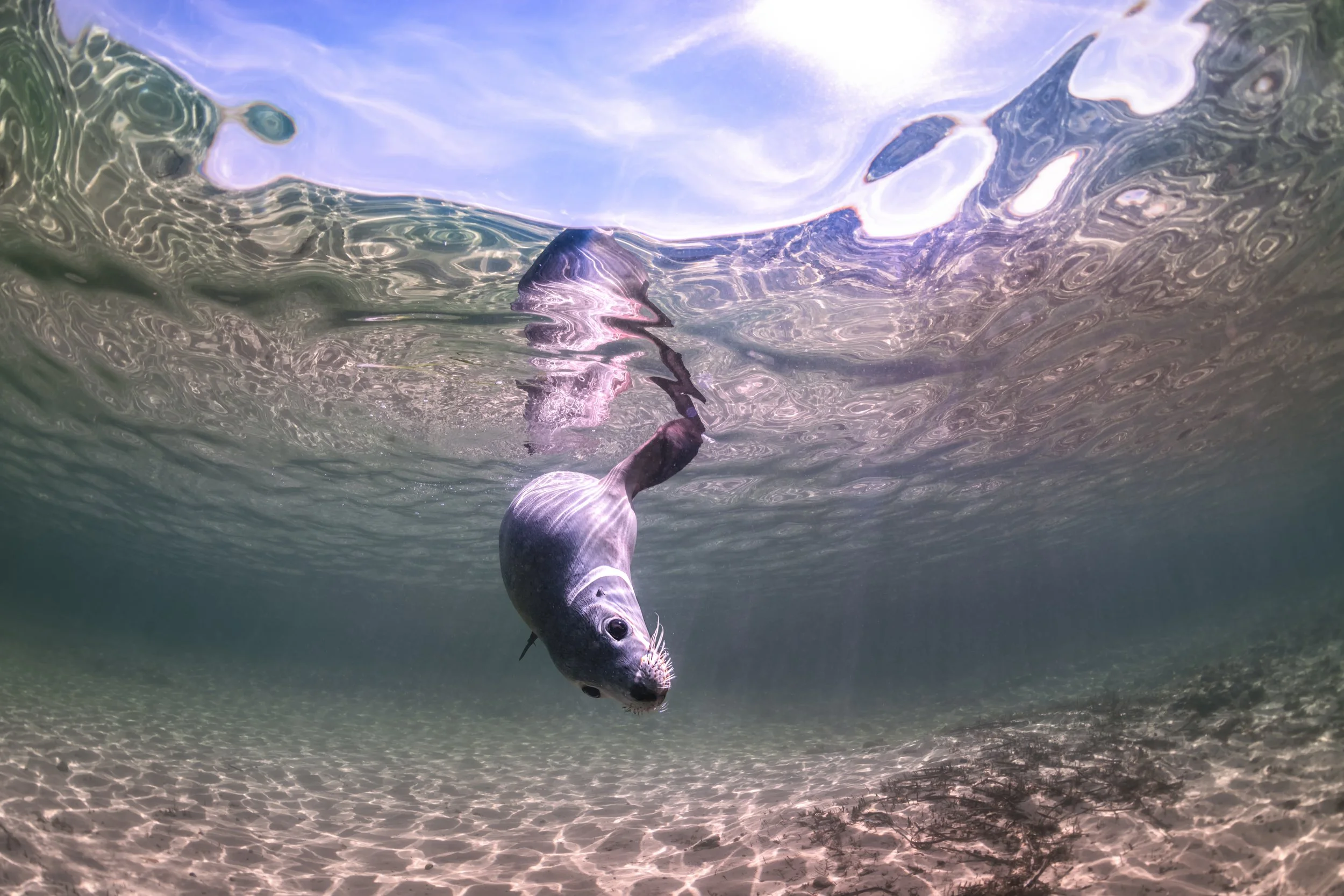
Food Webs
Image: © Gergo Rugli
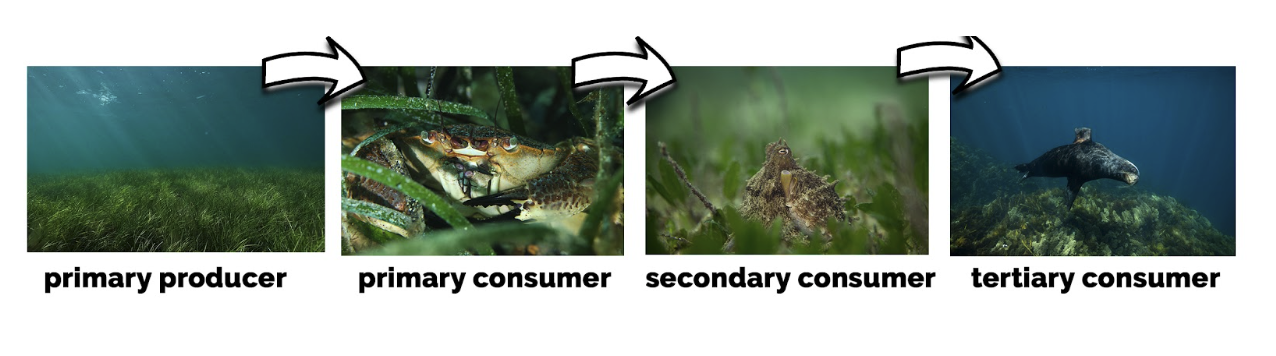
Feeding relationships between organisms can be shown in flowcharts called food chains and diagrams showing interacting food chains, which are called food webs.
To describe a food chain, the names of these organisms are linked by arrows. The arrow in a food chain indicates ‘is eaten by’ and describes the direction of the flow of energy.
Interconnecting or linked food chains make up food webs.
Your task is to research species of the Great Southern Reef to build a food web.
There are three main steps to this task: research, draft and final copy.
Discuss your plan with your teacher, food webs may created on paper or digitally.
Print or duplicate to make an editable copy of the lesson worksheet (alternative link here) and use the Great Southern Reef website to research the diet of each species.
Look on the ‘fast facts’ section at the bottom of each species page.
Student Instructions
Work out the trophic level depending on it’s diet:
-
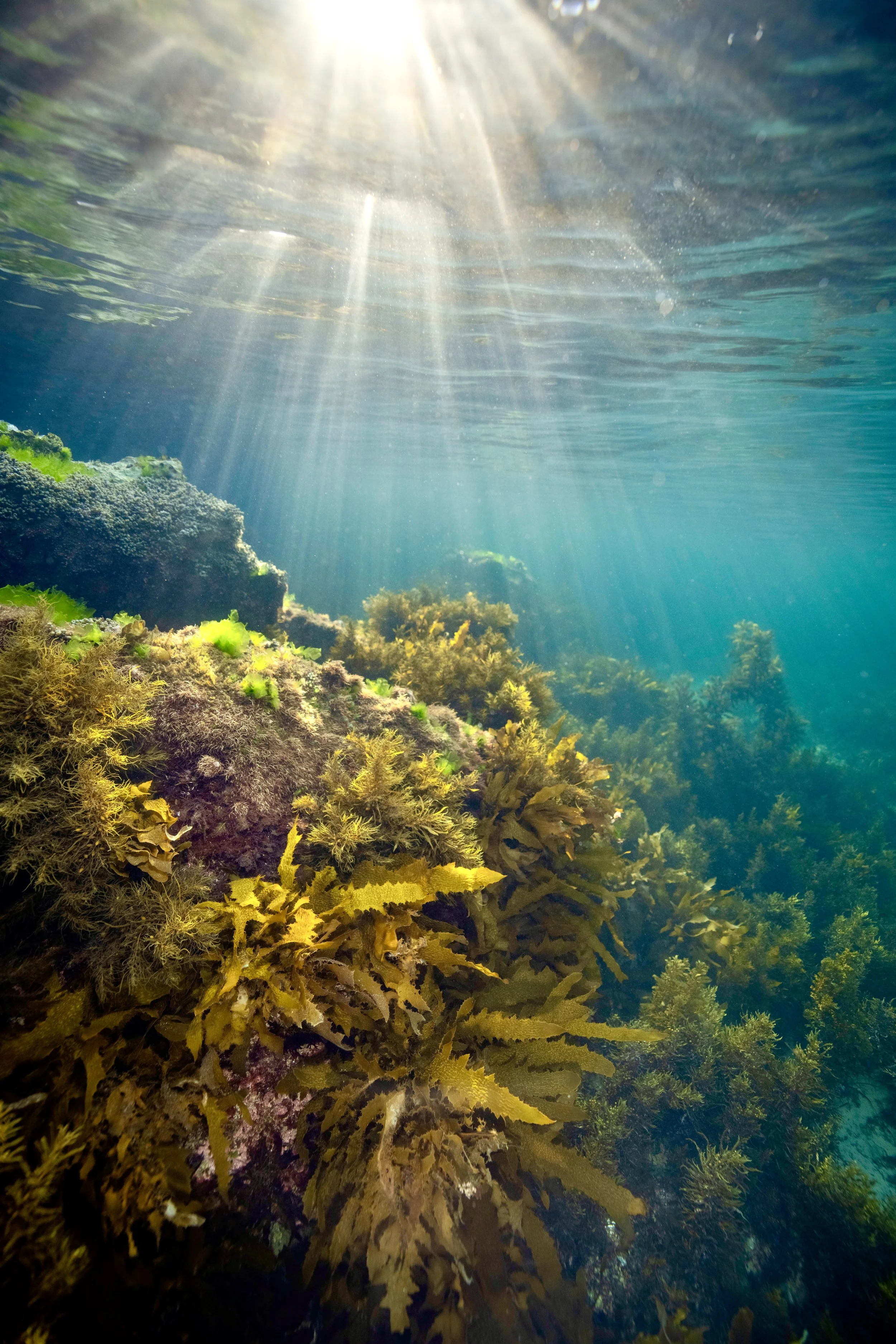
Primary Producer
Primary producers are organisms that can make their own food from their non-living environment. They achieve this by using a process called photosynthesis.
-
Herbivore
Herbivores eat exclusively plants and algae.
-
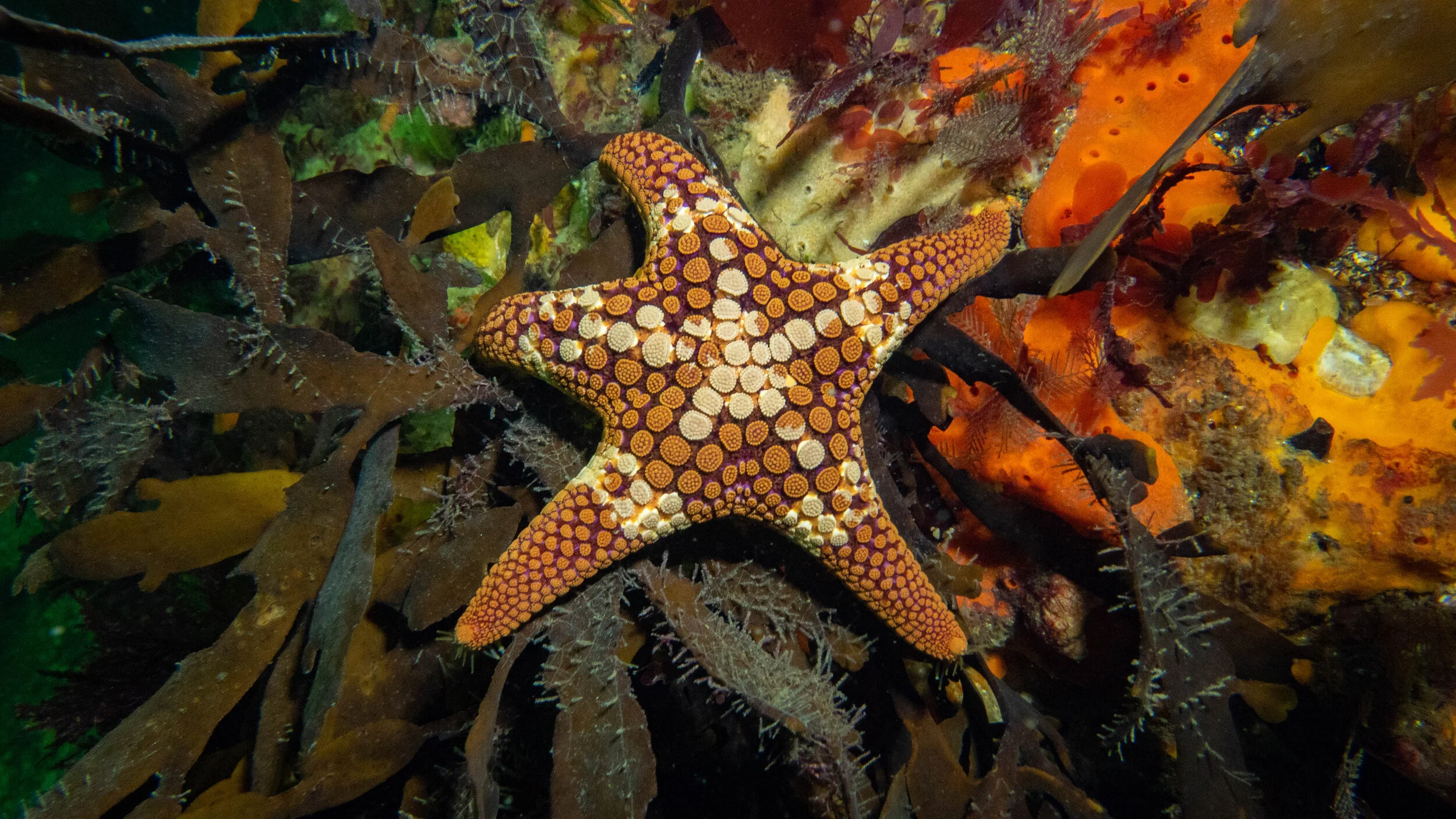
Detrivore
Detritivores eat decomposing matter.
-
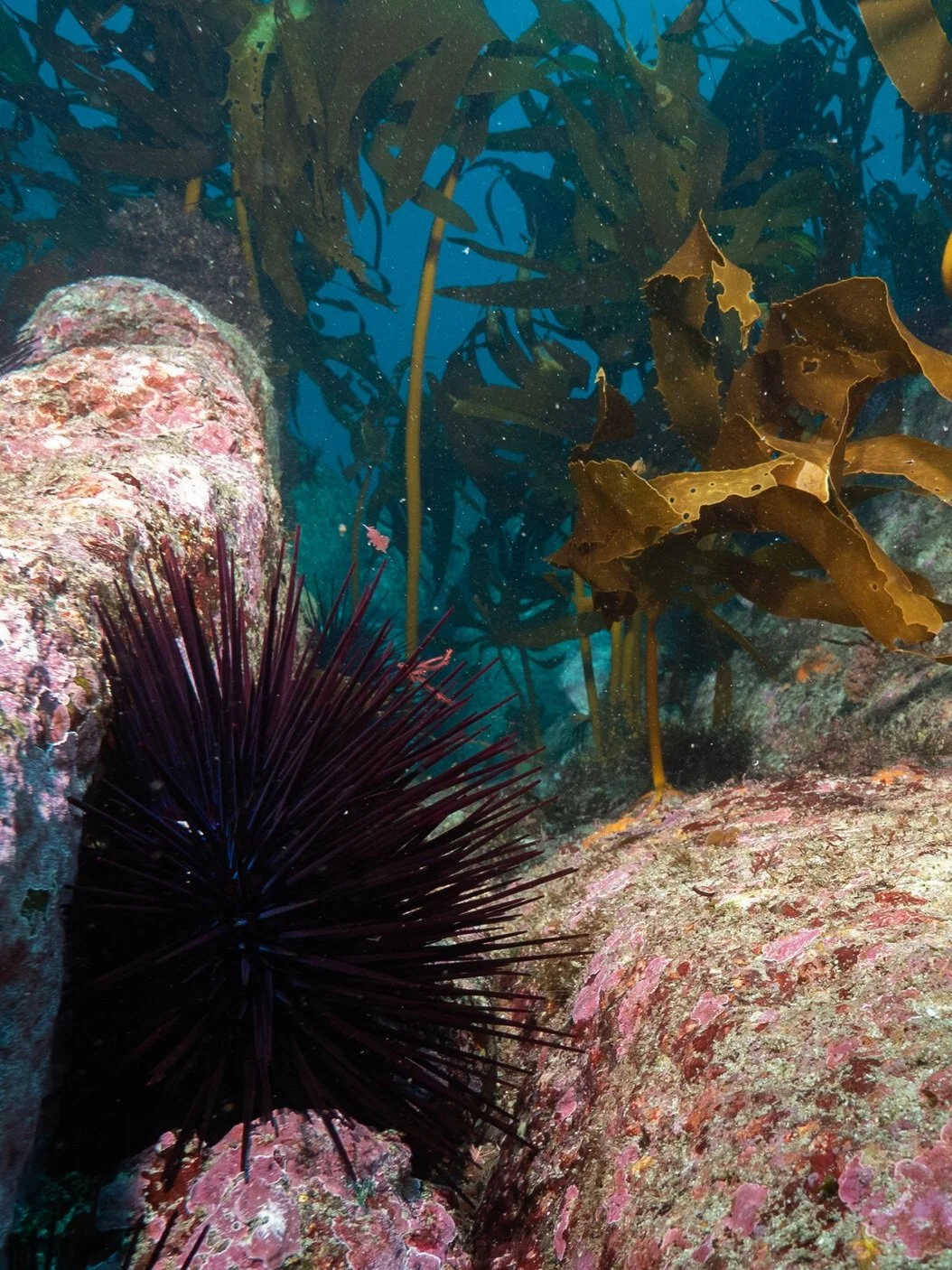
Primary Consumer
Primary consumers are herbivores and eat mostly plants an algae.
-

Secondary Consumer
Secondary consumers eat herbivores.
-
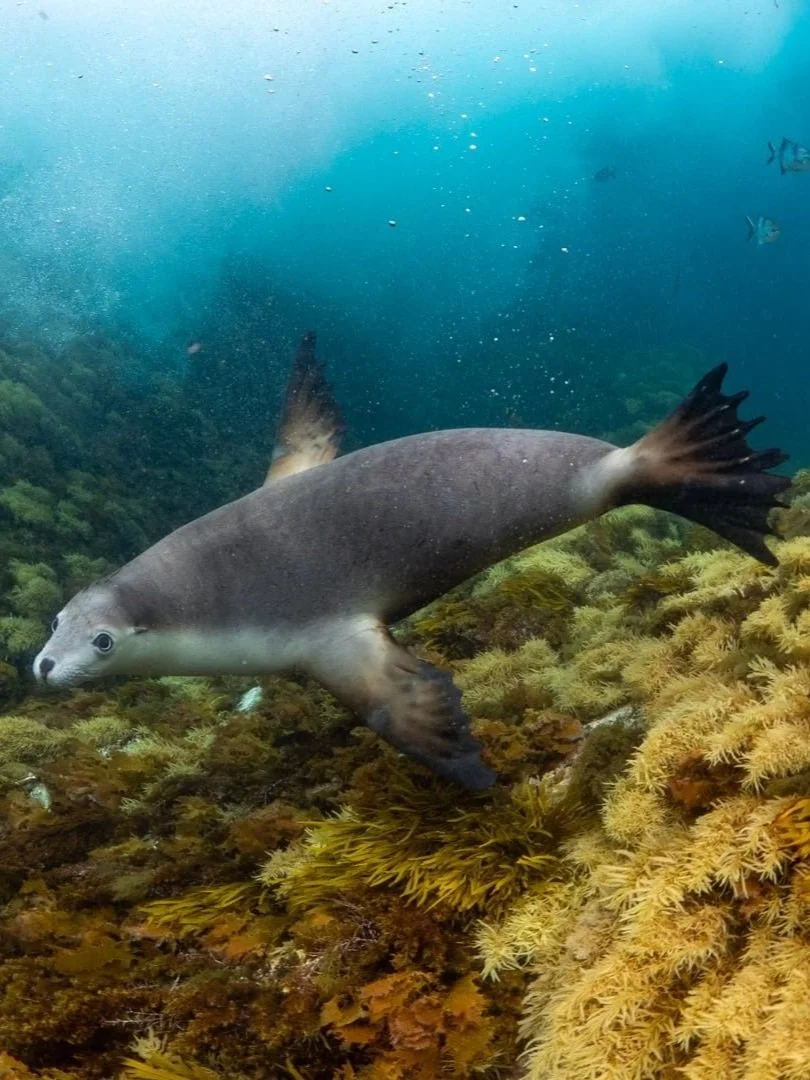
Tertiary Consumer
Tertiary consumers eat carnivores.
Important definitions
PRIMARY PRODUCERS
Primary producers are organisms that can make their own food from their non-living environment. They achieve this by using a process called photosynthesis.
Plants and algae can convert glucose produced by photosynthesis into other essential organic substances.
This means that they do not need to feed on other organisms.
consumers
Consumers are organisms that eat other organisms or their products. They cannot make their own food, so they need to eat other organisms to provide their energy and chemical building blocks.
Within ecosystems, consumers can be grouped on the basis of the type of food they eat. Animals that eat only plants are called herbivores, those that eat only other animals are called carnivores, and those that eat both plants and animals are called omnivores.
Note: Some species can be on multiple trophic levels. (ie. a fish that eats seaweed and other fish is both a primary and secondary consumer.)
detrivores
Detritivores (such as crabs) and decomposers (such as bacteria and fungi) are two other groups of consumers. These two consumers differ from one another in that detritivores ingest (take in) their food, then digest it (break it down) and absorb the products.
Detritivores feed on decomposing organic matter, such as decaying animal remains, rotting leaves and dung. The name given to this type of ‘food’ is detritus, and that is how they get their name.