BACKGROUND

Discovering the kelp forests of the Great Southern Reef
Kelp is a type of brown seaweed that grows in cold, nutrient-rich waters along Australia’s southern coastline. Kelp forms underwater forests that provide habitat, food, and shelter for a wide range of marine animals, creating a highly diverse ecosystem known as the Great Southern Reef. These forests play a crucial role in supporting biodiversity, maintaining ecosystem balance, and providing essential resources for many species.
Show students the videos and images below to help them visualise what a kelp forest looks like.
You may also use additional underwater footage or images from the Great Southern Reef Foundation to support their understanding.

Golden Kelp (Ecklonia radiata)
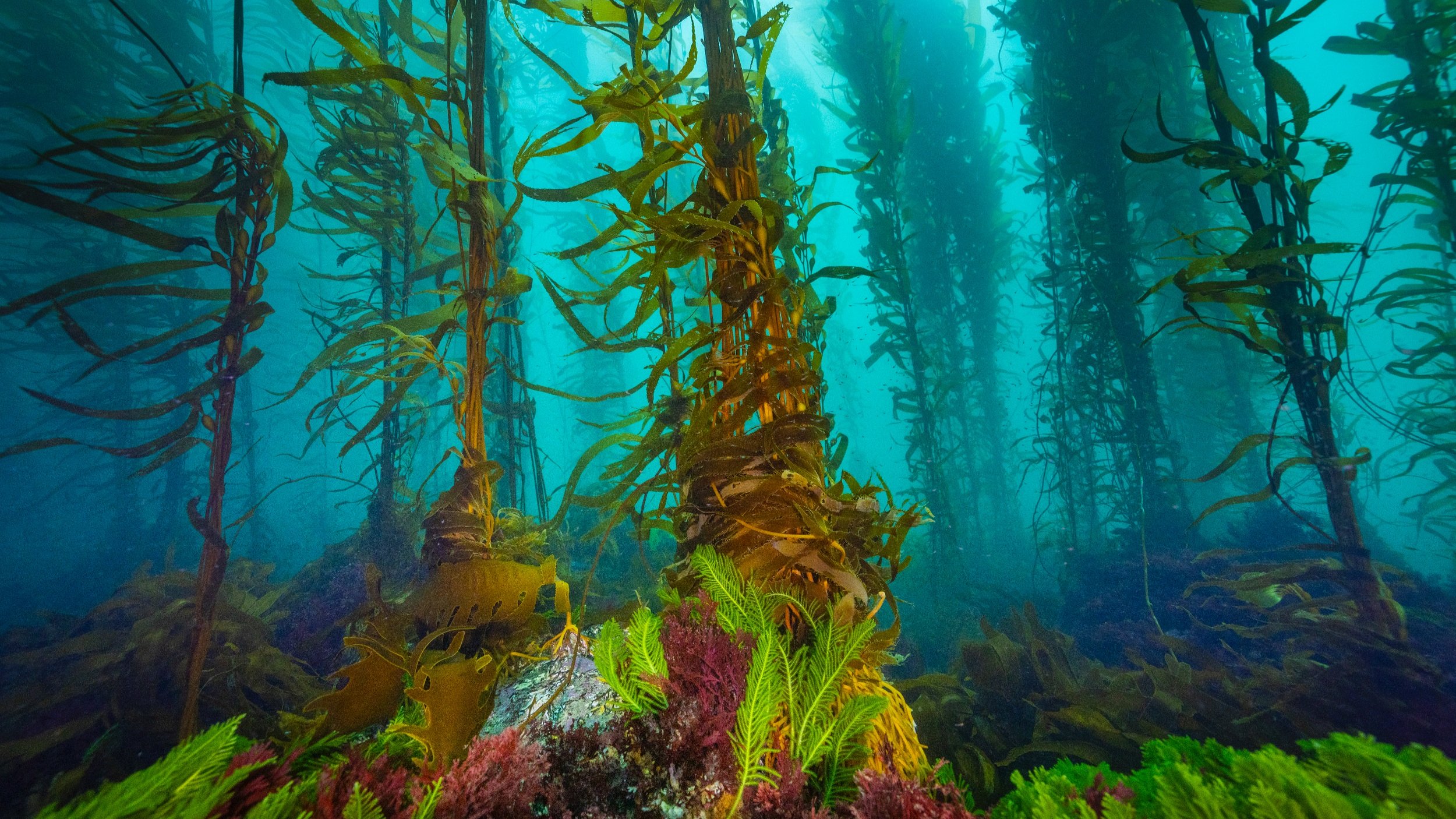
Image: © Gergo Rugli
Giant Kelp (Macrocystis pyrifera)
Show students a map of the Great Southern Reef and help them locate their school to see how close or far they are from the reef.
Reflection activity
After students explore the map, bring the class together in a circle. Invite them to share their own experiences of visiting beaches or coastal areas. Encourage students to talk about what they saw there (plants, animals, or features of the coast), and how they felt when they were near the water or in it.
This discussion helps students connect their personal experiences with the coastal environments they are learning about.

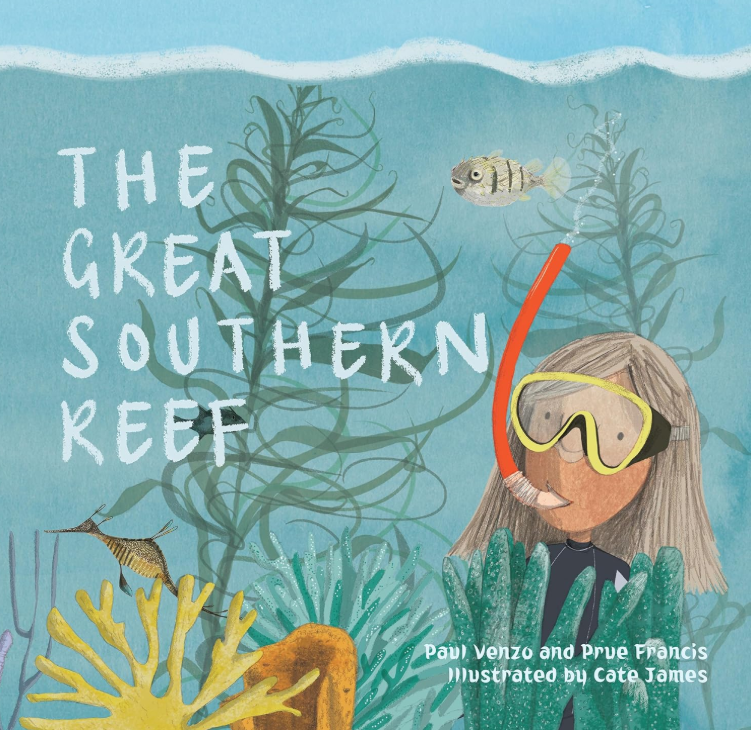
A valuable resource to support this lesson is the picture book The Great Southern Reef by Prue Francis, Paul Venzo, and Cate James. This story invites young children to explore nature at their local beaches, helping them connect with familiar marine environments. To accompany the book, CSIRO Publishing has developed teacher notes that offer additional activities and guidance to support classroom learning.