
HEALING SEA COUNTRY
-
o Understand the sustainable harvesting practices of the Haenyeo women and how these support ecosystem health and biodiversity.
o Explore the cultural connections of local communities to marine environments.
o Understand the importance of long-term thinking in environmental management and sustaining ecosystem services.
o Reflect on the benefits of community involvement in adaptive and sustainable marine resource management.
-
o Describe the Haenyeo’s harvesting practices and explain how they support ecosystem sustainability.
o Explain the cultural and spiritual significance of the Haenyeo’s connection to the ocean.
o Explain the importance of long-term thinking in maintaining ecosystem services.
o Discuss the value of local community involvement in resource management and how it leads to more effective conservation strategies.
o Apply lessons from the Haenyeo to broader principles of sustainable marine management.
Have you ever heard of the Haenyeo of Jeju Island, South Korea?
These incredible women free-dive more than 10 meters deep to harvest fresh seafood, including sea urchins - all without modern diving equipment! Watch the video below which is a small section of a 20 minute documentary (watch the full film on YouTube here)
This clip shows how their harvesting practices link culture, community, and care for the ocean.
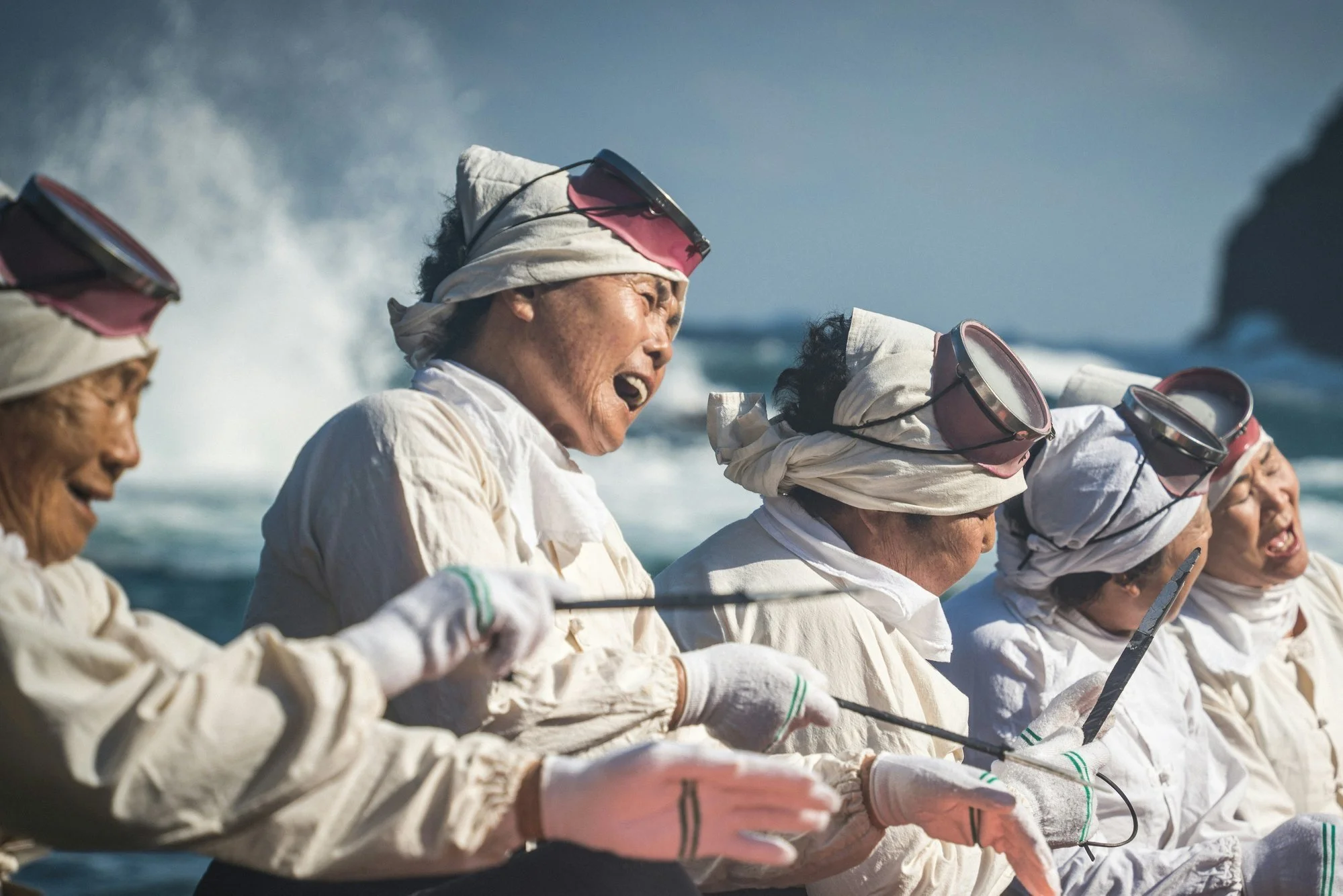
Image credit: Haenyeo (women divers) of Jeju island performing song and dance; Photo by John Ko; Source: UnsplashThe Haenyeo culture supports marine conservation, sustainable fisheries management, and the passing on of Traditional Knowledge to younger generations.
31. Read the text below, then answer the multiple-choice questions by selecting one best answer for each.
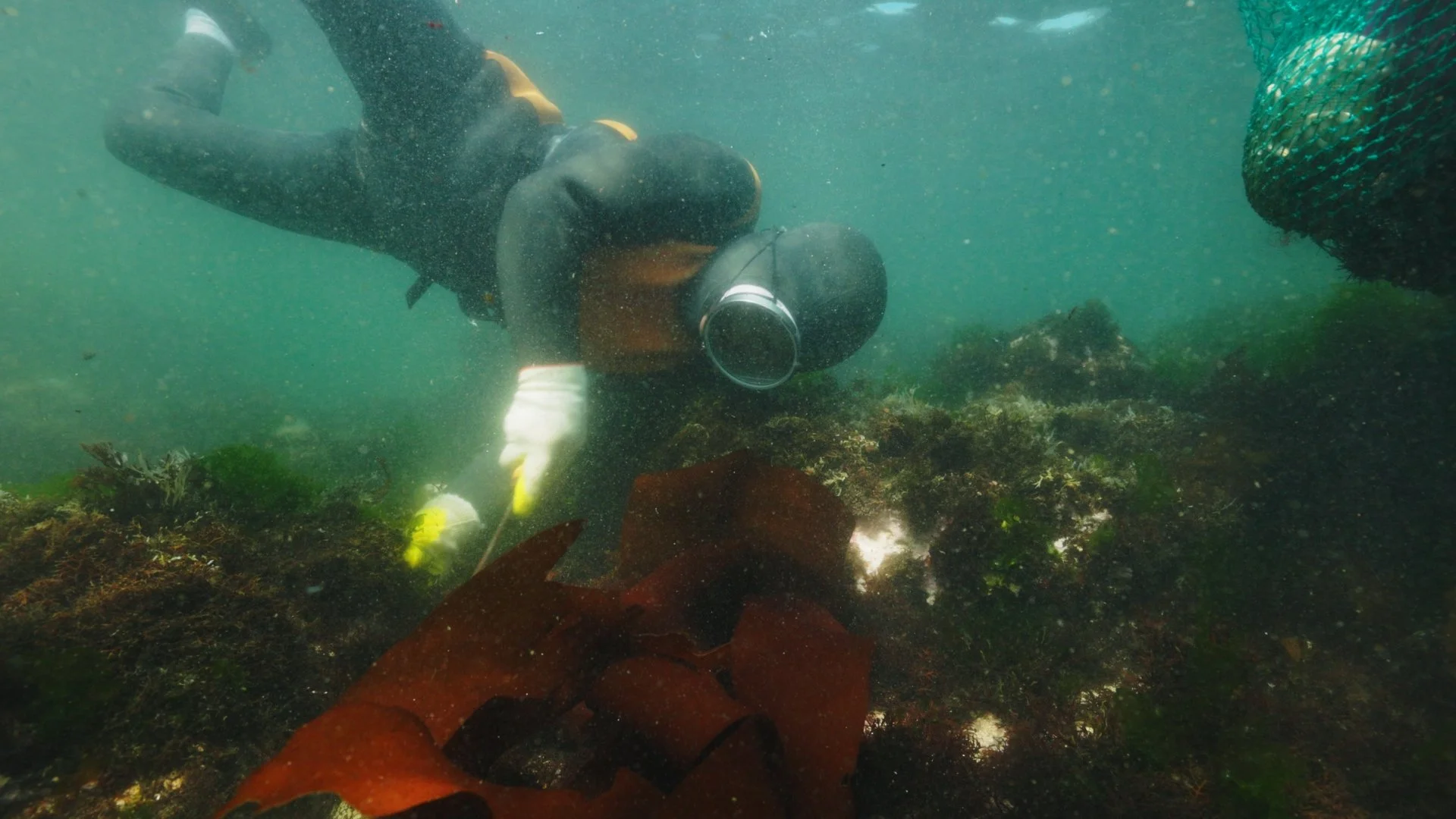
The Haenyeo women divers of Jeju Island use a small-scale harvesting system that supports ecological balance, livelihoods, and biodiversity. They free-dive, follow size and seasonal limits, rotate harvesting areas, and use local knowledge of tides and species cycles. These practices align with sustainable fishing and management.
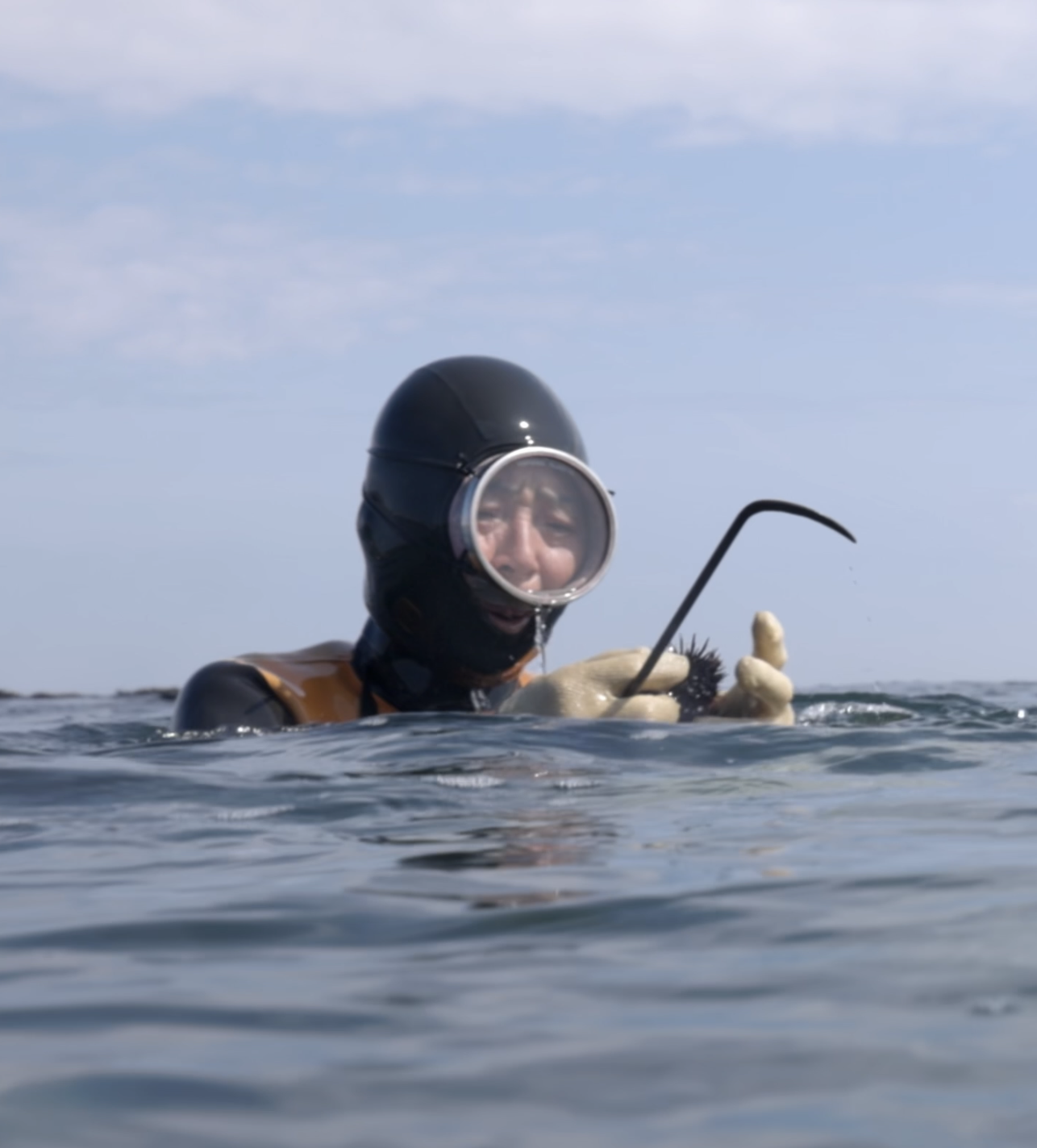
The Haenyeo show that careful decisions about when to harvest, how much to take, and how to collect can support sustainability. Their example also shows why community involvement matters. Local knowledge can improve management decisions and help systems respond to change over time.
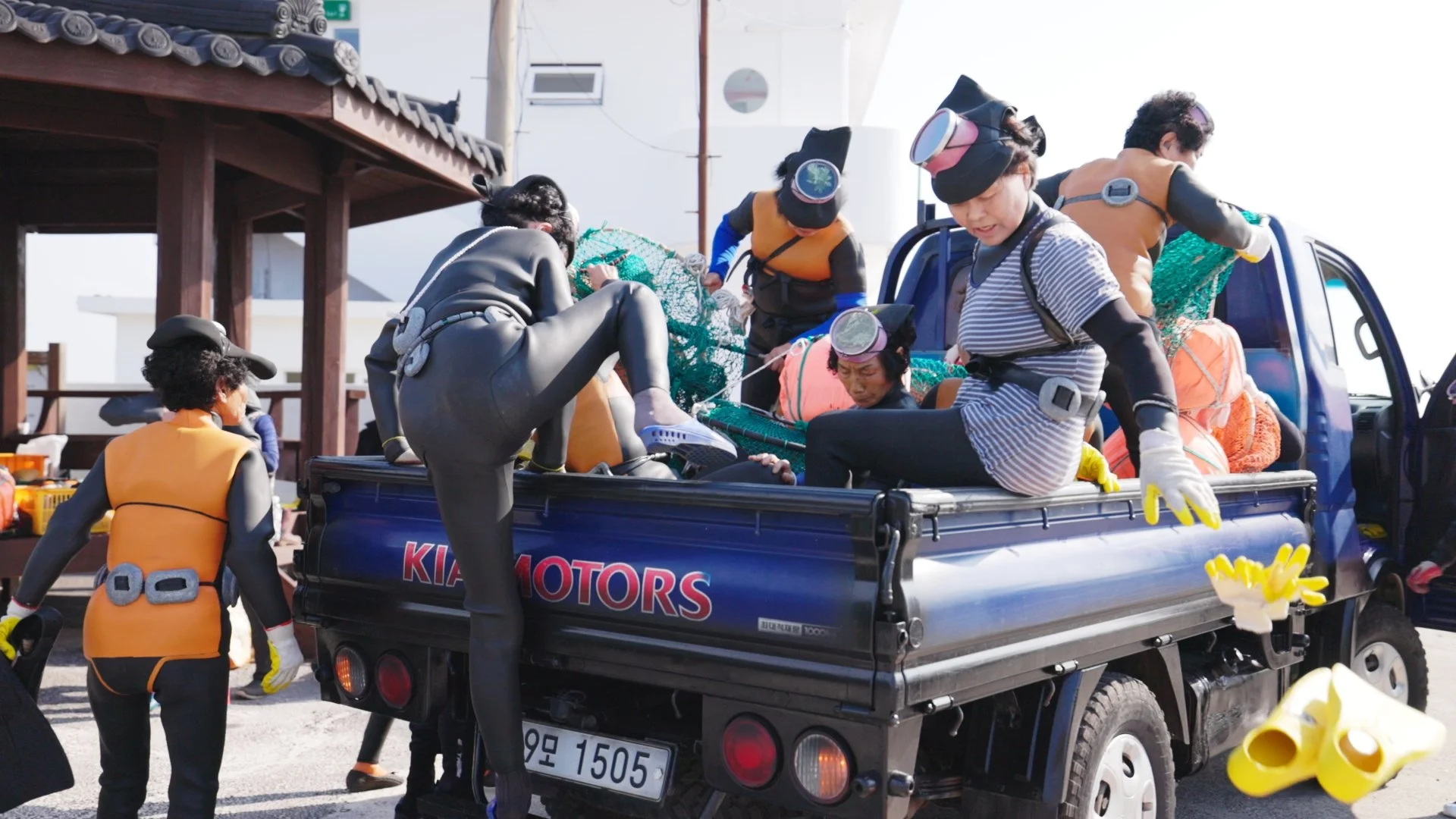
Passing Traditional Knowledge to younger generations helps keep both a sustainable way of life and a cultural heritage connected to ocean stewardship. Long-term thinking in environmental management shifts attention from short-term gains to healthy populations and working ecosystems over many decades. When people make decisions with future generations in mind, ecosystems are more likely to stay stable and productive.

Quick Quiz: Haenyeo and Sustainable Harvesting
Select one best answer for each question. Each correct answer unlocks a secret letter.
Now, use the secret letters you unlocked in the quiz above to complete the sentence.
The Haenyeo show that people can act as ________ of the ocean by harvesting carefully, sharing knowledge, and thinking about future generations.
EXTENSION ACTIVITY
After watching the video and reading the text, complete the activity below. (click here for the Google Sheet)
For each category, type single words or short phrases that best capture the key ideas.
Extension Activity: Haenyeo sustainable practices
Add two single words or short phrases for each category. Choose the best two ideas from the video and text.
Harvesting practices
Ecological balance and biodiversity
Traditional Knowledge and culture
Long-term thinking
EATING URCHINS

On Jeju Island, sea urchins are a valued food. One well-known traditional dish is seongge miyeokguk, a sea urchin and seaweed soup. After collecting urchins, the Haenyeo carefully clean and prepare them to make a nutritious meal that is widely enjoyed for its fresh flavour and health benefits.
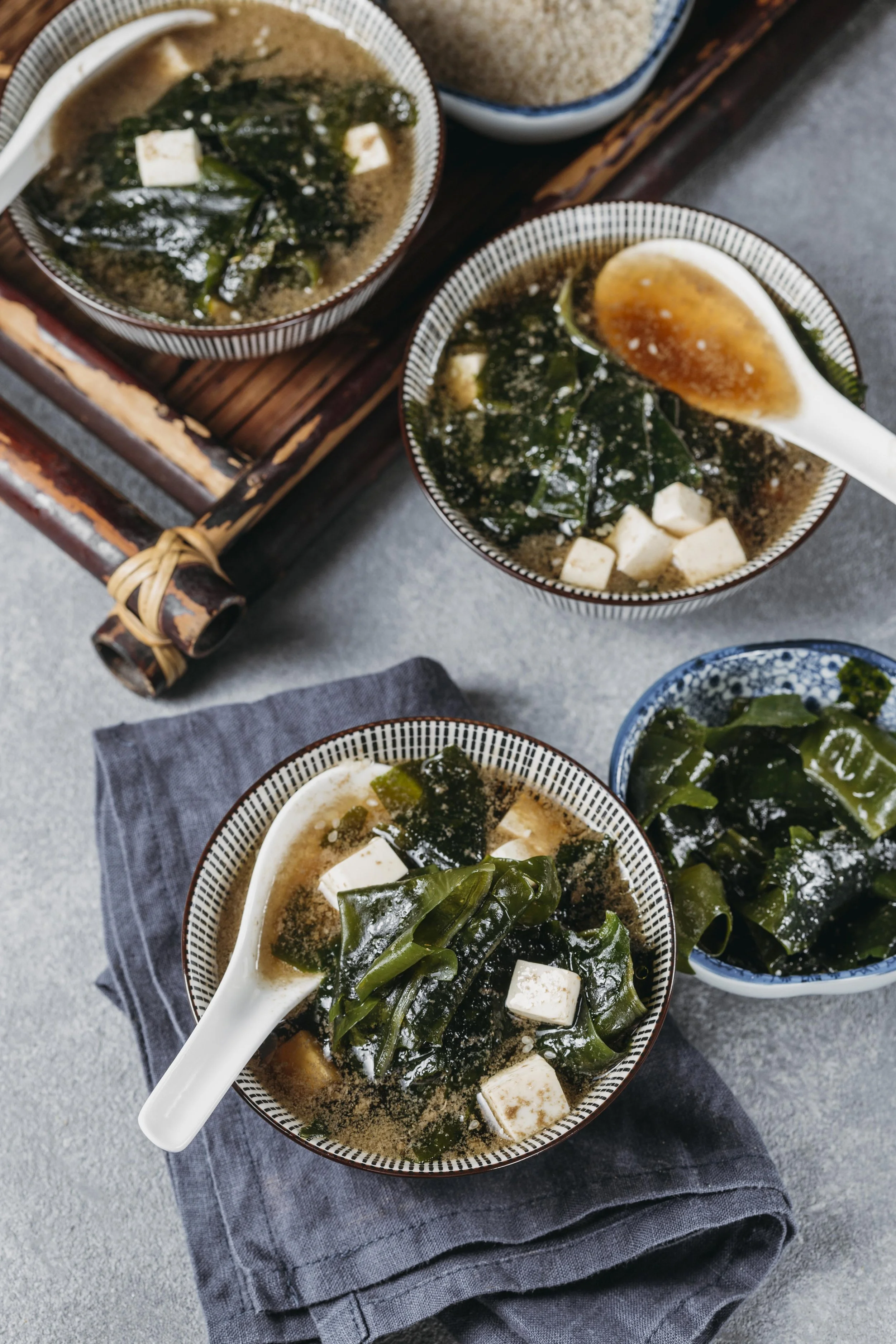
The Haenyeo are not the only ones who eat sea urchins.
Around the world, the yellow-orange gonads of sea urchins, often called uni or roe, are considered a delicacy. They feature in cuisines in Japan, Italy, and Chile, where they are used in dishes such as sushi, pasta, and seafood plates. This interest is now growing in Australia, with more restaurants adding sea urchin to their menus.
Along eastern Australia, longspined sea urchin populations are expanding. This increase is placing pressure on kelp forests and the species that depend on them, a key issue explored in White Rock.
This raises an important question. Could eating more sea urchins be part of a solution to help restore balance in reef ecosystems?
Self Reflection: How am I going?
Think about what you learned from the Haenyeo case study.
For each success criteria, choose a traffic light.
🟢 Confident · 🟡 Getting there · 🔴 Still working on it