
FROM CHALLENGE TO RESOURCE
-
o Explore the cultural and culinary significance of sea urchins in different cuisines around the world.
o Investigate the nutritional value and health benefits of sea urchins and their ingredients.
o Develop creative and collaborative skills by designing and presenting a sea urchin-themed recipe book.
o Apply sustainability principles when researching, preparing, and presenting recipes, including sourcing ingredients responsibly.
o Reflect on connections between food, culture, health, and conservation, and communicate these insights to others.
-
o Research and describe the nutritional value and health considerations of a selected sea urchin dish.
o Investigate cultural traditions and culinary practices, linking them to sustainability and ecosystem health.
o Design a clear and visually engaging recipe page, individually or collaboratively.
o Include sustainability considerations in recipes, demonstrating understanding of responsible sourcing and environmental impact.
Can enjoying a meal help restore kelp forests?
In Australia, chefs are exploring an unexpected response to the kelp forest decline. Eating sea urchins. By harvesting overabundant longspined sea urchins for food, people can help reduce pressure on kelp forests and the marine life that relies on them.
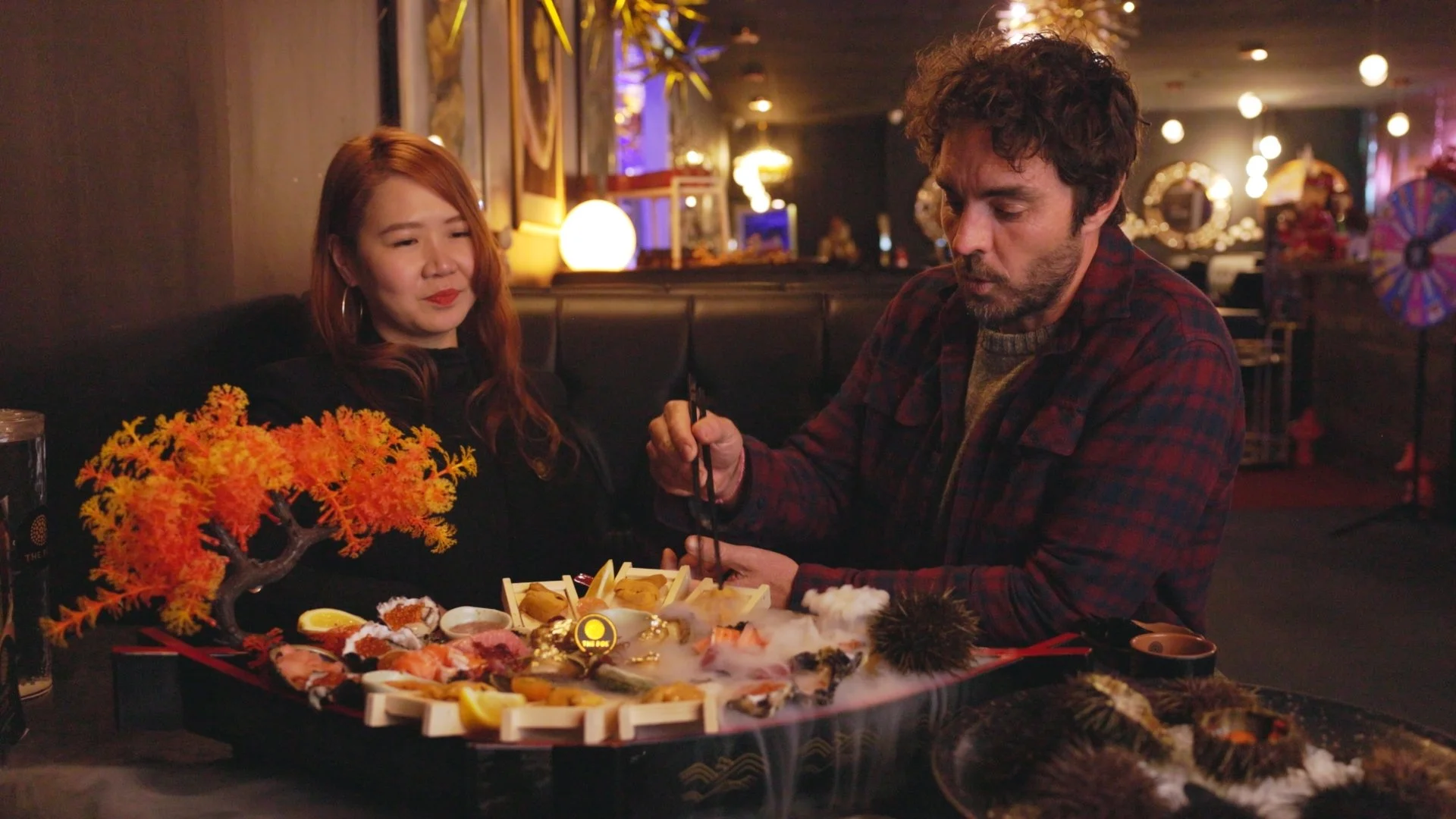
In White Rock, Damon looks at this approach firsthand. He visits The Roe restaurant in Melbourne to see how sea urchins can be prepared for the plate. The result links food, culture, and reef management, showing how a growing appetite for sea urchin could support healthier reefs.
How about you? Have you ever tried uni?
Would you give it a go to help protect the kelp?
Classroom project: Sea urchin cookbook
You will combine creativity, research, and sustainability to create a recipe page for a class cookbook.
Work on your own or in a team of 2–3.
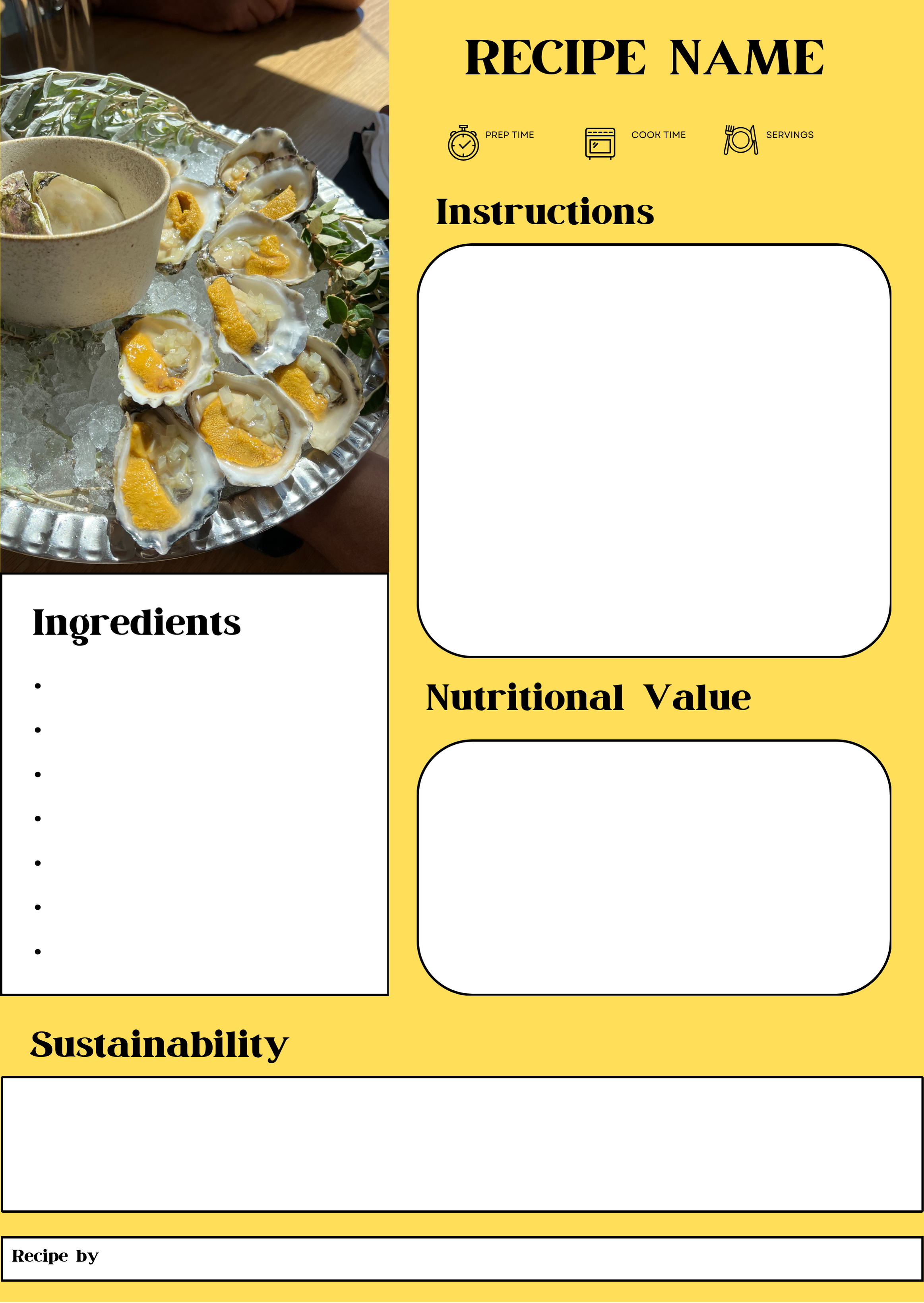
Create one recipe page featuring a sea urchin dish, plus key information about nutrition and sustainability.
What your recipe page must include:
1. Recipe selection
Choose one of the following:
A traditional sea urchin dish from a cuisine where it is commonly eaten, such as Japanese, Italian, or Chilean
An original recipe you design yourself
A recipe inspired by ideas from the Eat an Urchin sea urchin recipes
Include:
A clear ingredients list
Step-by-step cooking instructions
2. Nutritional value and health benefits
Use a reliable website or app to research the dish.
Include:
Basic nutritional information
At least one clear health benefit of an ingredient
For example: high in protein, rich in omega-3 fatty acids, supports brain health
3. Sustainability
Add at least one sustainability tip for the reader. This could focus on:
How the dish supports sustainable practices (For example: managing overabundant species or choosing responsibly sourced ingredients)
How the recipe could be made more eco-friendly (For example: using local or seasonal ingredients, reducing food waste)
4. Design and presentation
Design your page so it is easy to read and visually appealing.
You may include:
Photos
Illustrations
Simple layout and headings
5. Create the class cookbook
Once all recipe pages are finished, combine them into a class cookbook.
Choose one format:
Printed copy for the classroom
Digital version to share online
Hand drawn
Cooking Day!
Plan a cooking day at school where you and your classmates can prepare and taste one or more of the recipes! If you know of a chef in your local area, invite them to join and help organise the day.
share it!
Food is something everyone can relate to. Don’t keep your cookbook to yourself - share it! Show it to your friends and family and spread the word about delicious and sustainable cooking.
We’d love to see your creations too! Send us a copy at info@greatsouthernreef.com so we can check out your recipes - and maybe even try some ourselves!
Self Reflection: How am I going?
Think about today’s learning and your sea urchin recipe project.
For each success criteria, choose a traffic light.
🟢 Confident · 🟡 Getting there · 🔴 Still working on it