
HEALING SEA COUNTRY

-
o Develop a conceptual understanding of ecosystem resilience and its role in maintaining ecological function and stability over time.
o Explore the role of biodiversity in supporting resilience within kelp forest.
o Examine real-world management strategies used to protect, restore, and enhance ecosystem resilience.
o Understand how long-term ecological monitoring informs conservation decision-making and adaptive management.
o Develop critical thinking skills by analysing case studies and linking ecological theory to practical conservation outcomes.
-
o Define ecosystem resilience and explain its importance for marine ecosystems.
o Reflect on and articulate personal ideas about resilience in an ecological context.
o Describe how biodiversity enhances resilience in kelp forests.
o Identify management strategies presented in the case study and explain how they contribute to ecosystem resilience.
o Explain the importance of long-term monitoring and how it helps scientists and managers respond to environmental changes.
o Connect evidence from the case study to broader ecological concepts, demonstrating understanding of cause-and-effect relationships in ecosystem recovery.
Ecosystem resilience refers to the ability of an ecosystem to absorb disturbances and adapt to environmental changes while maintaining its core functions, structure and processes.
Use the flowchart below to explore how reef resilience affects the impact of urchin overgrazing.

18. Based on the pathway you selected, explain in one to two sentences how reef resilience influences the impact of urchin overgrazing on a kelp forest.
19. Describe one factor that could increase reef resilience and explain how it might reduce the impact of urchin overgrazing.
20. What other disturbances could affect the Great Southern Reef?
Reef resilience
Low
High
→
Disturbance
Urchin overgrazing
→
Impact on the reef
Low impact
High impact
Beware Reef Marine Sanctuary
At Beware Reef Marine Sanctuary, longspined sea urchins had taken over, turning once-thriving kelp forests into rocky barrens. Concerned about this dramatic change, the local community group Friends of Beware Reef documented the damage and teamed up with Parks Victoria to find a solution.
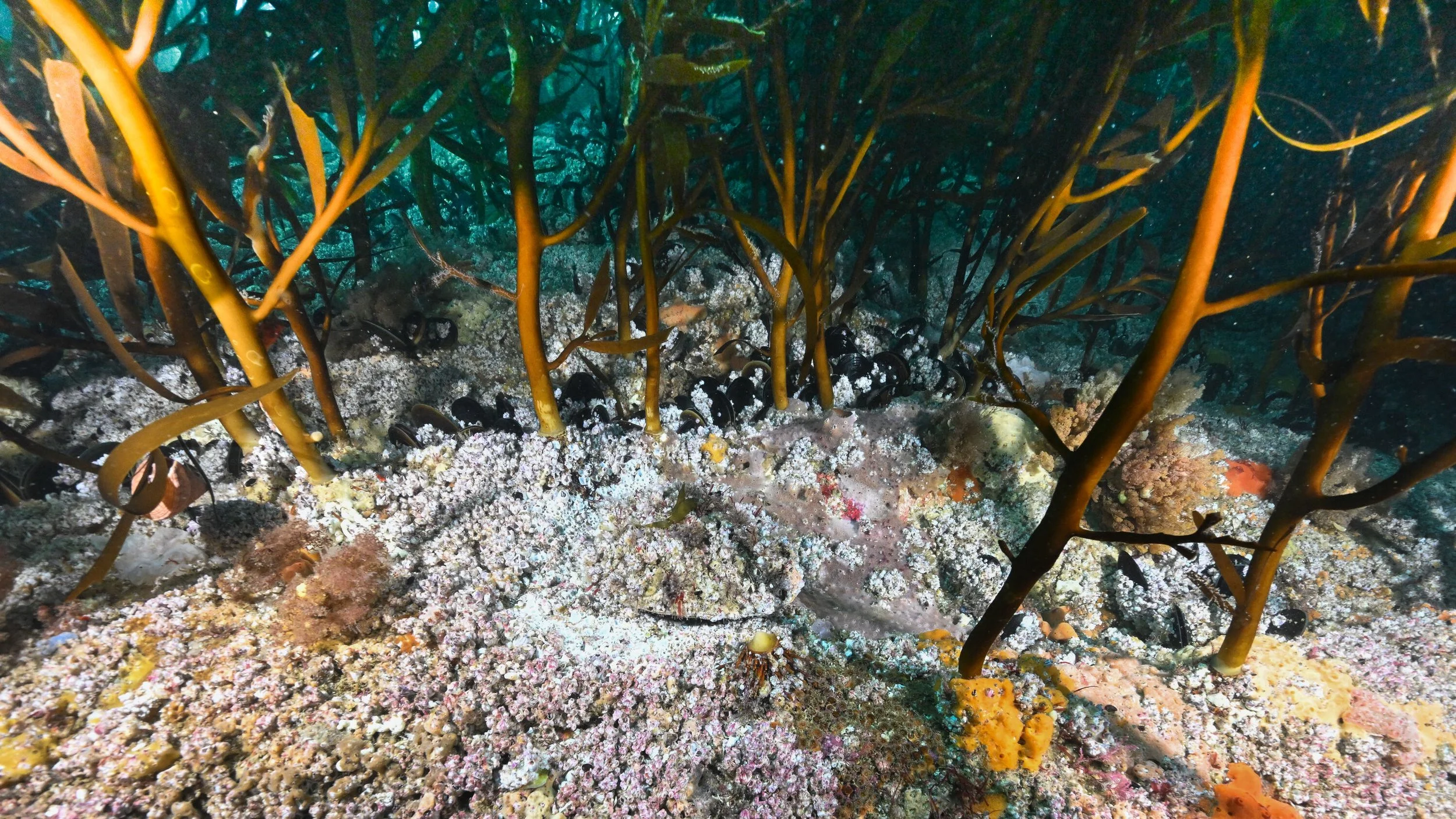
By working with commercial divers, they reduced the number of sea urchins, giving the ecosystem a chance to recover. Their efforts paid off quickly - within months, crayweed and other marine life began to return.
This rapid response showcases the resilience of the reef and how managing sea urchin populations can help restore balance in marine ecosystems.
Learn more about the work conducted in Beware Reef Marine Sanctuary here.
21. Answer the questions below and record the ‘secret word’ once you have all the answers correct.
Quick Quiz: Beware Reef and Kelp Forest Resilience
Answer all multiple-choice questions below. Select the single best answer for each question.
22. Pick two quiz questions. Write one sentence explaining why the correct answer is right
Design a reef monitoring plan
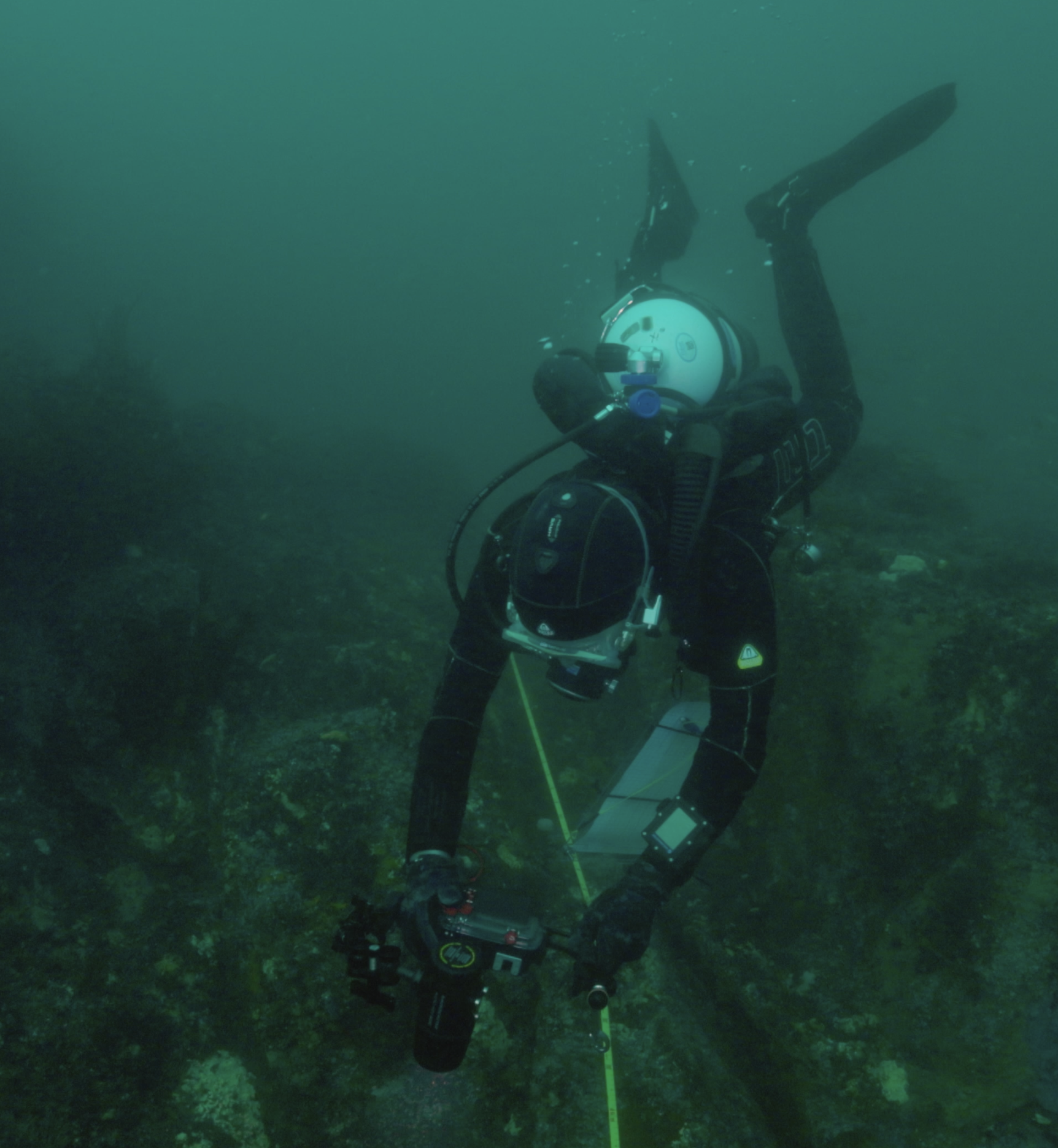
You are part of a team monitoring a kelp forest to understand how it changes over time.
23. Answer the questions below using short dot points.
A) What would you monitor?
Choose two or three things to measure.
Examples: Kelp cover or kelp density, sea urchin numbers, water temperature, other key species (fish, crayweed)
B) How often would you collect data?
Choose one: monthly, seasonally or once a year
Briefly explain why this timing makes sense.
C) Why is this monitoring useful?
In one or two dot points, explain how this information would help:
Detect change over time
Guide management decisions
Respond to future environmental impacts
Self Reflection: Ecosystem Resilience and Recovery
Think back to the case study and what you learned in White Rock.
For each statement, choose a traffic light.
🟢 Confident · 🟡 Getting there · 🔴 Still working on it