
HEALING SEA COUNTRY
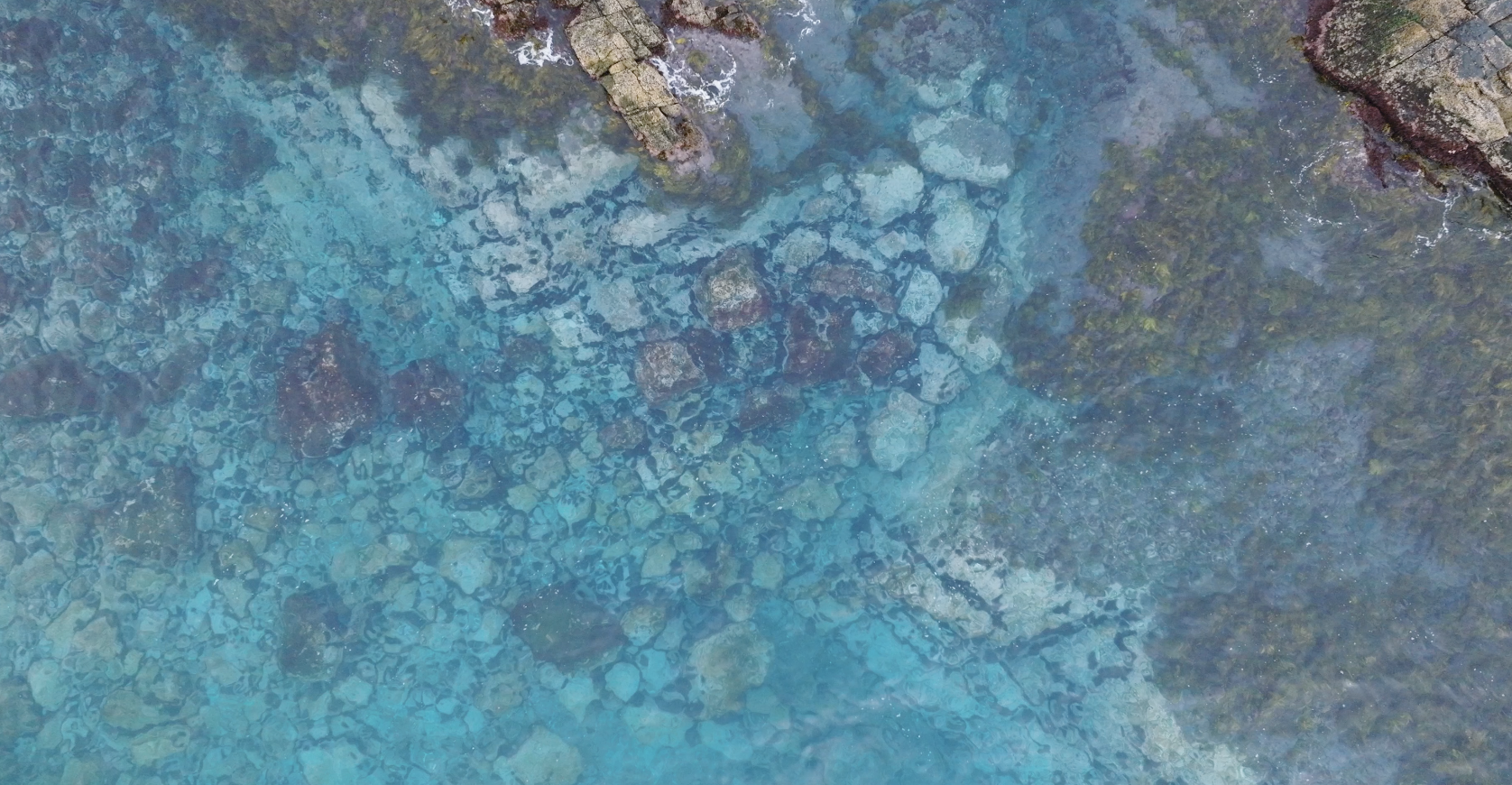
The explosion of longspined sea urchins impacts marine ecosystems, posing a significant challenge to Aboriginal communities and their cultural practices.
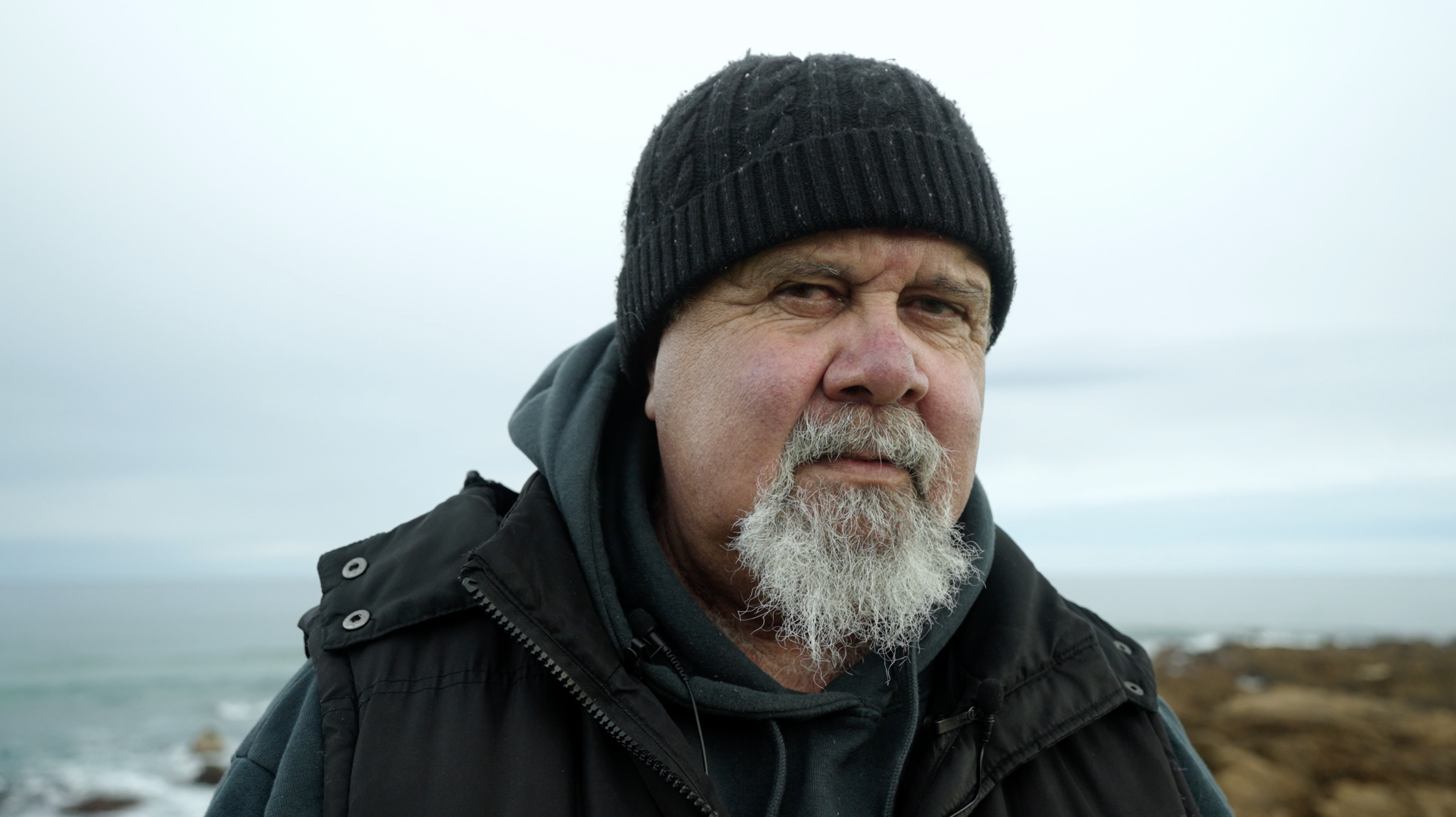
Wally StewarT
Walbunja Elder
Namooma, NSW
-
o Understand the enduring cultural, spiritual, and ecological connection Indigenous Australians have with Sea Country.
o Investigate the role of Indigenous Ecological Knowledge (IEK) in sustainable marine management and resource conservation.
o Explore Western science approaches to marine management, restoration, and conservation.
o Compare Indigenous and Western knowledge systems, including how information is communicated intergenerationally and applied in practice.
o Apply combined knowledge systems to design a marine restoration plan.
o Develop spatial and planning skills through mapping and proposal design.
o Anticipate challenges and propose strategies to address obstacles in ecosystem restoration.
o Reflect on the value of multiple knowledge systems in conservation decision-making.
-
o Explain how Indigenous Australians have cared for Sea Country and the ecological and cultural significance of these practices.
o Describe aspects of Western marine management and conservation and how these approaches are applied.
o Research and present information collaboratively.
o Develop a conservation and restoration plan to address sea urchin overgrazing.
o Map impacted areas and proposed interventions.
o Reflect on the importance of integrating different knowledge systems in conservation efforts.
In this section, you'll explore how Indigenous Australians have successfully managed marine environments and resources for millennia, and how Indigenous Ecological Knowledge and deep connection to Sea Country is vital in tackling the threats posed by the overgrazing of sea urchins.
The transition from kelp forests to urchin barrens has led to the loss of traditional fishing areas that were sustained for thousands of years. Elders surveying the South Coast of Australia have confirmed that the reefs passed down through generations no longer exist.
Integrating indigenous knowledge and Western Science in Marine Conservation
In the video below, Dr Jodi Edwards (University of Wollongong), a coastal educator and researcher, offers a deeply moving reflection on the loss of these unique kelp forests. This poem conveys the profound emotional and cultural significance of the challenges facing these ecosystems, and reminds us:

16. Your class will investigate how both Indigenous science and Western science contribute to marine management and conservation. Students will work in two research groups:
Group 1: Research and present key aspects of Indigenous Australians cultural fishing, marine management and conservation practices
Group 2: Research and present key aspects of Western marine management and conservation practices
Use the following research prompts to guide your search:How have Indigenous Australians cared for Sea Country for thousands of years?
How does Indigenous Ecological Knowledge contribute to sustainable marine resource management?
What are the key approaches in Western marine management and conservation?
How do Indigenous Ecological Knowledge and Western science differ in the ways they are communicated intergenerationally?
CASE STUDY
In Western Australia, a successful partnership between Traditional Custodians and researchers from the University of Western Australia combined Traditional Ecological Knowledge with Western science to restore seagrass meadows damaged by a marine heatwave. This collaboration highlights how working together can lead to a deeper understanding of natural ecosystems and help heal Country.
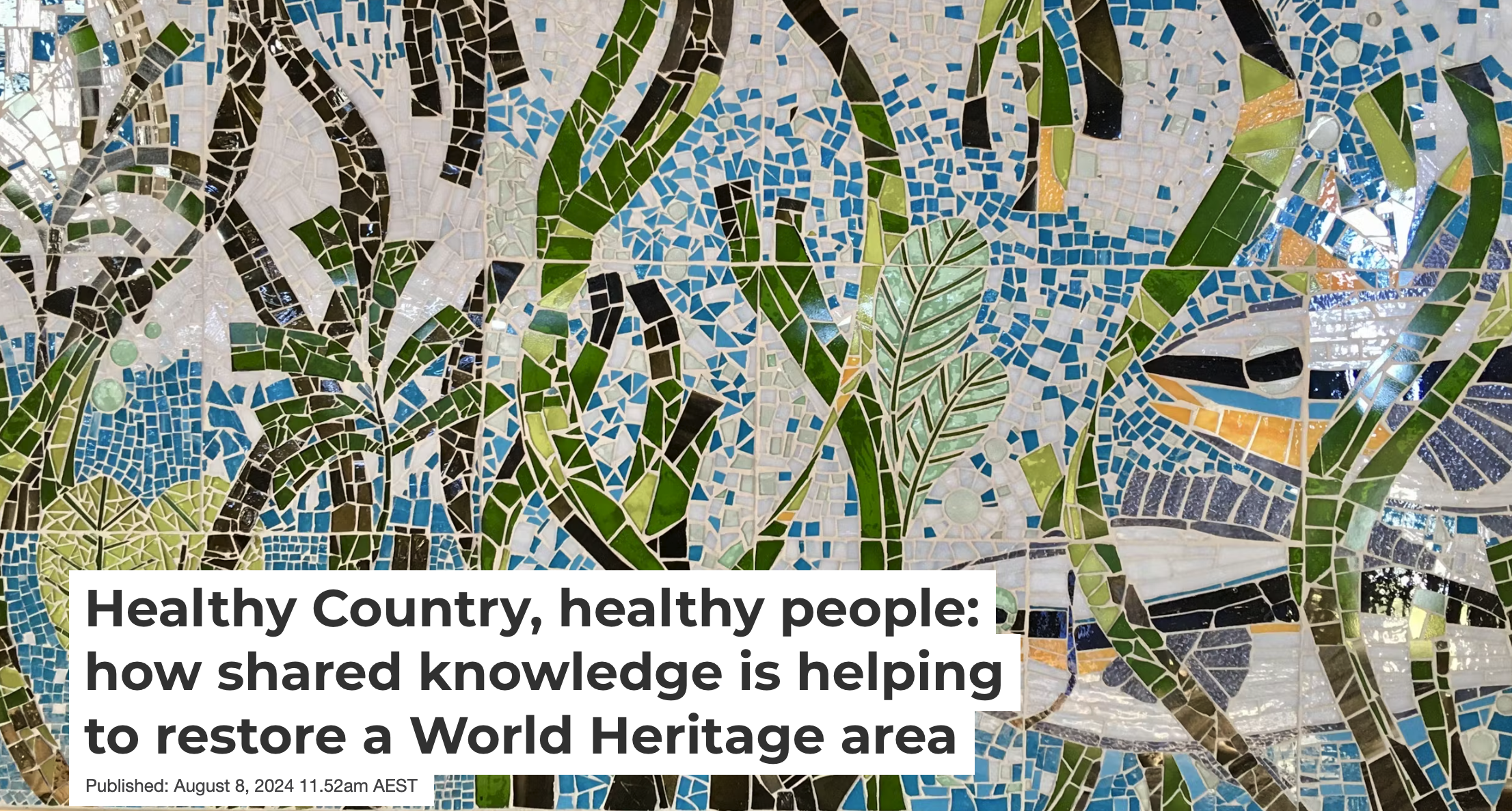
Read the article above to learn more about the restoration plan and how combining different knowledge systems can improve conservation efforts.
Restoring balance
After both groups present the results from their findings, it’s time to bring everything together.
As a class, you’ll develop a management and conservation plan to address sea urchin overgrazing on Australia’s eastern coast. Use what you’ve learned from the White Rock documentary and the case study above and think about how both Indigenous Ecological Knowledge and Western science can work together to solve this issue.
17. As you develop your plan, consider:
Which species have been most affected, and what needs to be restored?
How much area needs to be restored, and where?
a) identify specific locations affected by overgrazing
b) create a simple map to show these areas
What restoration methods could be used?
a) consider both Indigenous Ecological Knowledge and Western science approaches. What strategies from each approach can be combined? Think about the restoration methods discussed in the documentary White Rock to help guide you in completing this task.
How will you monitor the success of your restoration efforts?
a) what indicators will show that the ecosystem is recovering? (e.g., reduced sea urchin numbers, regrowth of kelp, return of key species)
b) how often should monitoring take place?
c) can a nearby healthy ecosystem be used as a comparison to track progress?
What challenges might arise, and how can they be managed?
a) consider possible obstacles (e.g., funding, environmental changes, community support)
b) how could these challenges be addressed?
Note: If your local area has been affected by overgrazing, focus on a restoration plan for the impacted ecosystem. If not, choose a location along the Great Southern Reef where sea urchin overgrazing has occurred, or develop a preventative plan to reduce the risk of sea urchin population growth before it becomes a problem.
Personal Reflection
a) What did you learn from the other group’s research?
b) Why is it important to consider different knowledge systems in conservation?
Self Reflection: Sea Country and Conservation Approaches
Reflect on how different knowledge systems contribute to caring for the ocean.
For each statement, choose a traffic light.
🟢 Confident · 🟡 Getting there · 🔴 Still working on it