
ADVOCATING FOR CHANGE

-
o Design a campaign that will engage and educate the school community.
o Develop collaboration and project management skills.
o Consider social and behavioural factors that influence environmental action.
o Reflect on the effectiveness of science communication strategies.
-
o Propose realistic actions that individuals or the school community can take to support kelp forest protection and marine conservation.
o Produce campaign materials or activities (e.g. posters, presentations, stalls, art displays) that effectively convey scientific information.
o Work collaboratively with peers, demonstrating active participation, idea sharing, and respectful communication.
o Evaluate the campaign’s potential impact and reflect on ways to improve communication and engagement.
In this activity, you will work with your classmates to design and run a school-wide awareness campaign.
Your goal is to help students, families, and staff understand:
What the longspined sea urchin explosion is
Why it threatens kelp forests
How people can be part of the solution
Think creatively about how to engage your audience. The aim is not just to inform, but to spark curiosity, conversation, and action.
You can develop your own ideas, or use the station suggestions below as a starting point.
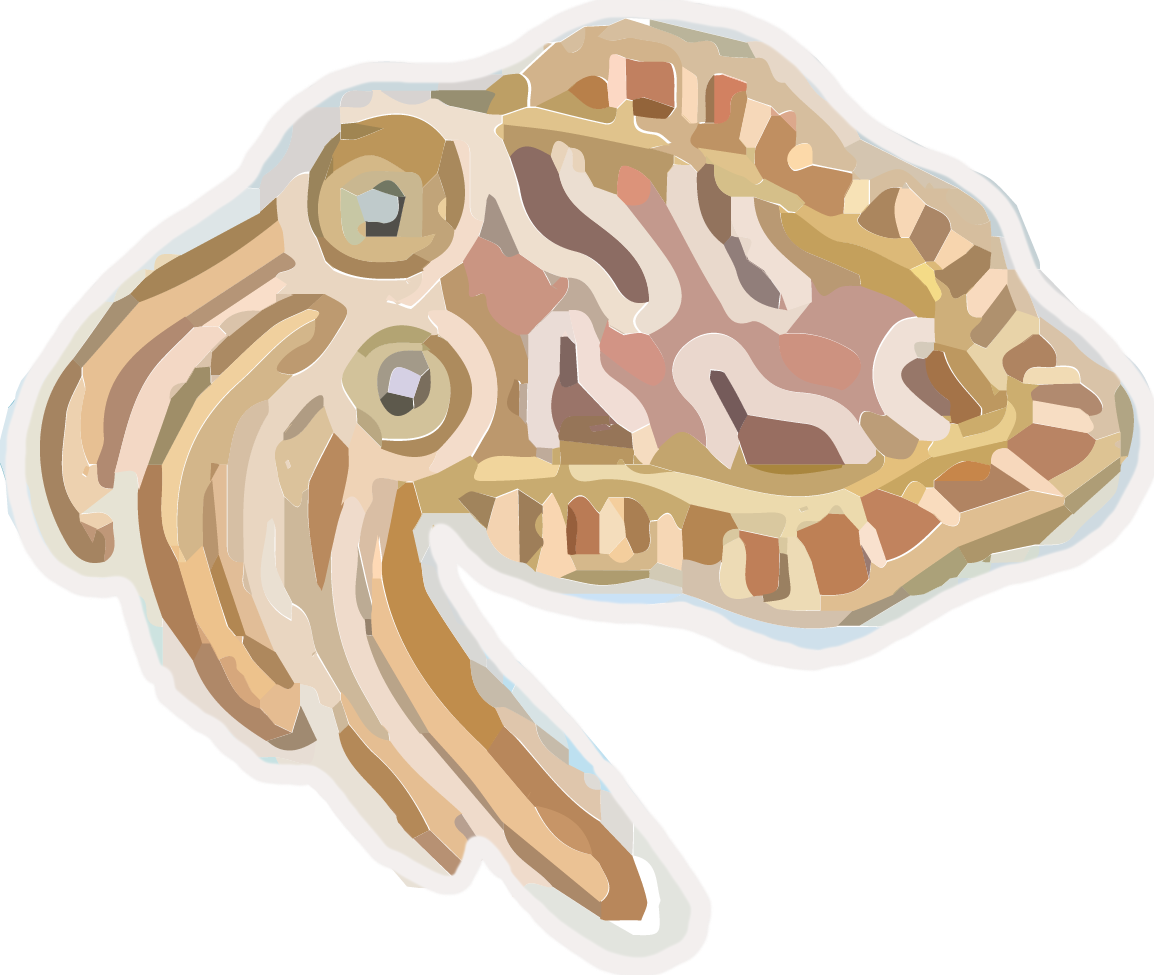
Station 1: Documentary screening
Host short screenings of White Rock clips in a classroom or shared space.
Run sessions at different times to reach more people
Include a brief intro explaining why the film matters
Allow time for questions or discussion after each screening
Station 2: Information Stalls
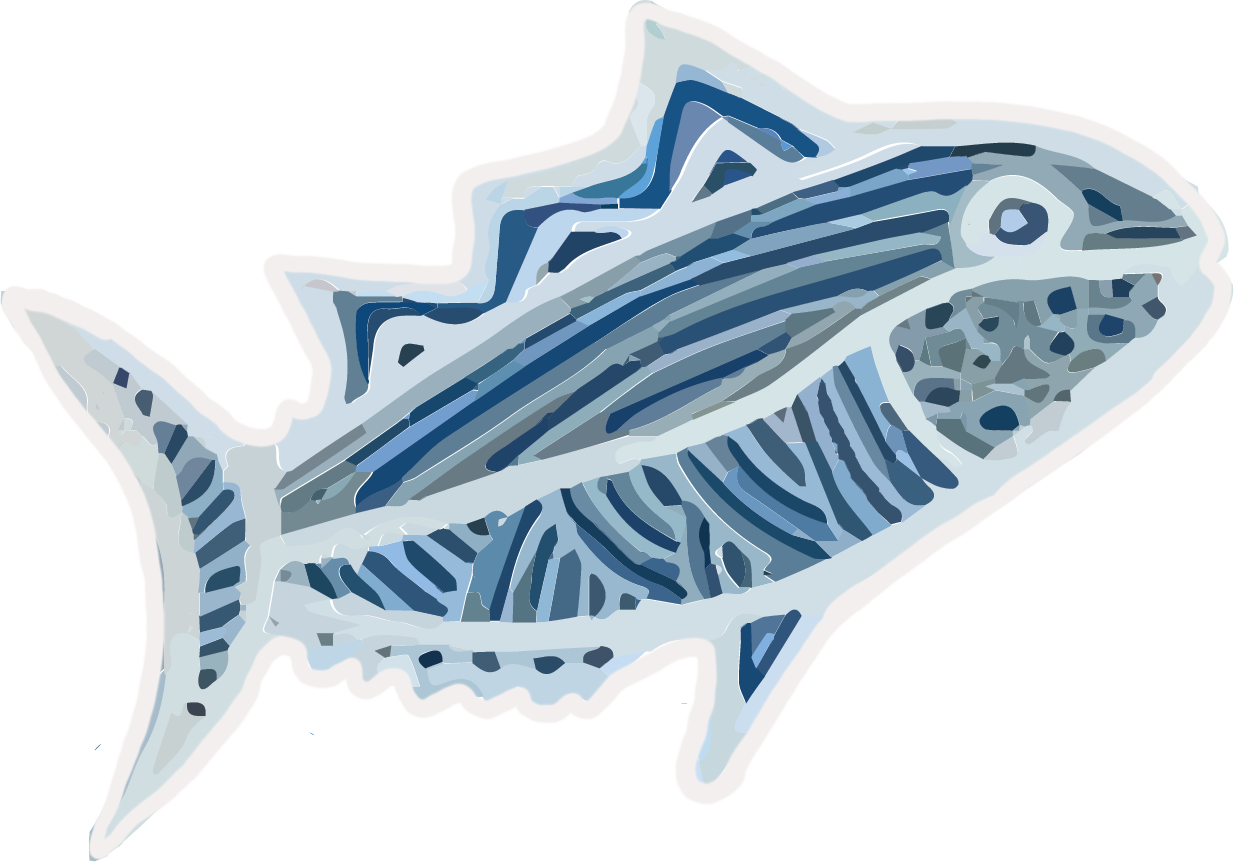
Create stalls that clearly explain the sea urchin issue.
Ideas include:
Posters or infographics explaining the problem and solutions
A “Did You Know?” section with short, surprising facts
A quick quiz visitors can complete
For each correct answer, give visitors a sea urchin sticker or stamp on a card. As they move between stations, they collect more stamps.
Station 3: Sea Urchin Tasting Station
If possible, work with the school canteen or a local restaurant to offer small samples of sea urchin roe dishes.
If tasting is not possible:
Display photos and menus
Share stories from chefs involved in sea urchin harvesting
Explain how eating sea urchins can help reduce their numbers and support kelp recovery.
Station 4: Art Corner
Set up a creative space where visitors can respond through art.
Provide paper and pencils
Encourage drawings, symbols, or short messages
Ask students if their artwork can be displayed around the school
This helps keep the campaign visible after the event.
Station 5: Reflection Cards
Before visitors leave, invite them to complete a short reflection card.
Prompt ideas:
One thing I learned today is…
The most surprising fact was…
One action I can take to help protect marine ecosystems is…
These reflections can be shared anonymously or displayed as part of the campaign.
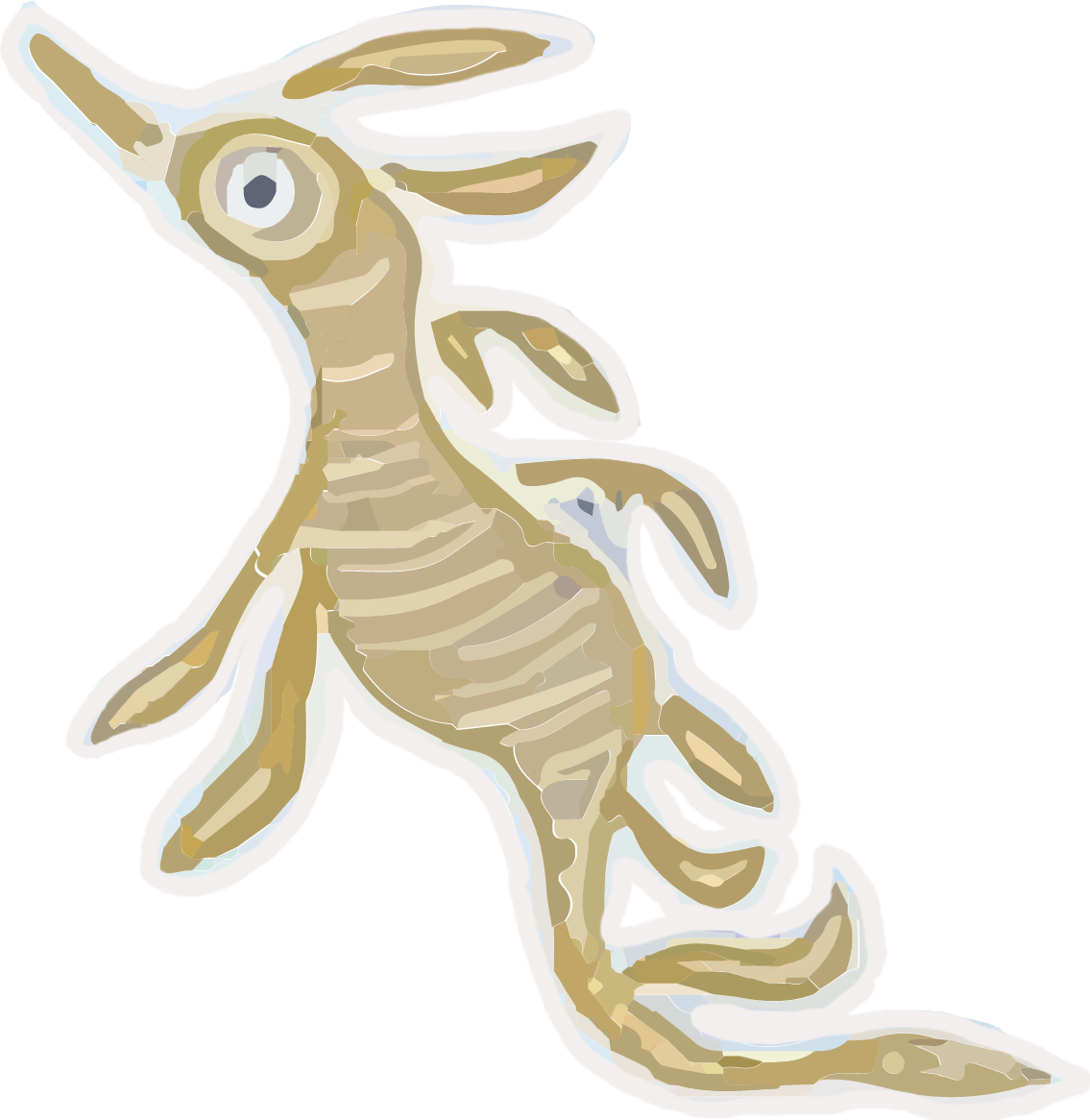
Artwork by Emmalene Richards, commissioned by the Great Southern Reef FoundationSelf Reflection: How am I going?
Think about your urchin awareness campaign. For each success criteria, choose a traffic light.
🟢 Confident · 🟡 Getting there · 🔴 Still working on it